
Outdoor Activity Benefit Calculator
Configure Your Session
Select an activity and enter how long you plan to spend outside to see your estimated health boost.
Your Health Impact Report
Select an activity and click calculate to see how nature impacts your body and mind.
Have you ever noticed how much better you feel after a walk in the park compared to scrolling through your phone on the couch? It’s not just in your head. Spending time outside does more than kill an hour; it fundamentally changes how your body and brain function. In a world where we spend over 90% of our time indoors, reconnecting with nature isn't just a hobby-it's a necessity for maintaining balance.
We often think of outdoor activities as something reserved for weekends or vacations. But the truth is, even small doses of fresh air can yield significant results. From boosting your immune system to sharpening your focus, the advantages are backed by science and felt by millions. Let’s look at five concrete ways stepping outside transforms your well-being.
1. A Natural Boost for Mental Health
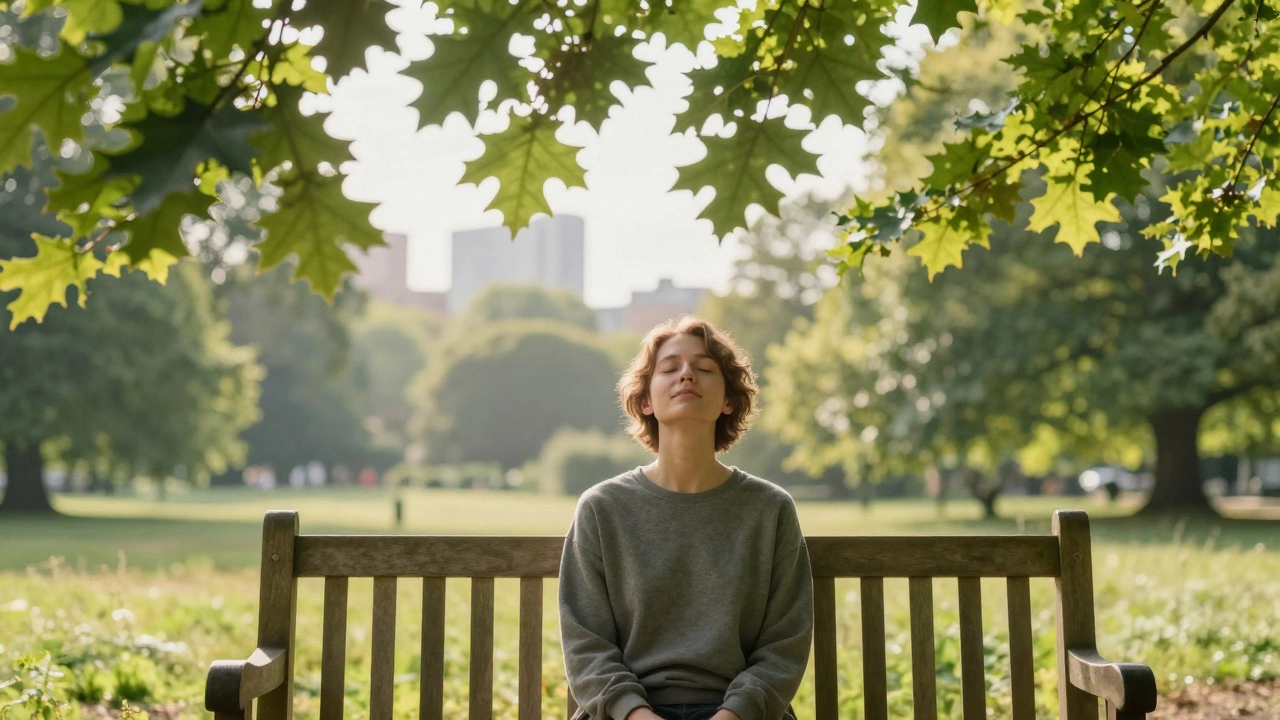
The connection between nature and mental health is stronger than most people realize. When you step into a green space, your brain shifts gears. Research published in journals like Frontiers in Psychology shows that spending just 20 minutes in nature can significantly lower cortisol levels, the hormone responsible for stress.
This isn't about hiking up a mountain. It’s about being present. Whether you’re gardening, walking through a local reserve, or sitting under a tree, the sensory input from nature-birds singing, leaves rustling, the smell of rain-acts as a reset button for your nervous system. This practice, sometimes called "forest bathing" or Shinrin-yoku, has been shown to reduce symptoms of anxiety and depression. You don’t need to be a yogi to benefit; you just need to be outside.
- Lower Stress: Nature reduces activity in the amygdala, the part of the brain that processes fear and stress.
- Mood Enhancement: Exposure to natural light helps regulate serotonin, improving overall mood.
- Mental Clarity: Green spaces provide a break from digital overload, allowing your mind to rest and recover.
2. Improved Physical Fitness Without the Gym Grind
Gym memberships are great, but they come with strings attached: schedules, costs, and the occasional dread of lifting weights in front of mirrors. Outdoor activities offer a free, flexible alternative that often feels less like a chore and more like play.
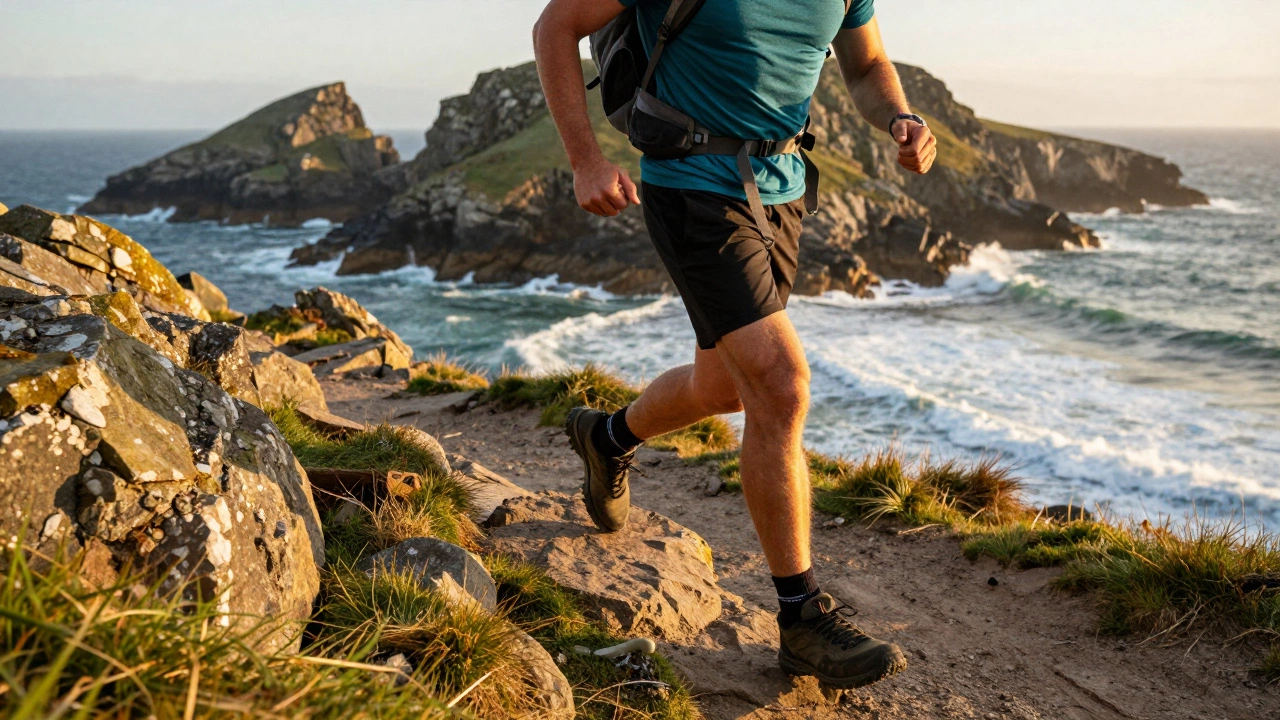
When you run on a trail, swim in a lake, or ride a bike along a river path, you engage different muscle groups than you would on flat, predictable gym equipment. Uneven terrain forces your stabilizer muscles to work harder, improving balance and coordination. Plus, the variety keeps things interesting. One day you might climb stairs on a hill; the next, you might paddle a kayak. This variability prevents boredom and reduces the risk of repetitive strain injuries common in static workouts.
| Factor | Indoor (Gym) | Outdoor (Nature) |
|---|---|---|
| Terrain | Flat, consistent | Variable, uneven |
| Muscle Engagement | Targeted major groups | Full-body stabilization |
| Mental Impact | Can be monotonous | Stress-reducing, engaging |
| Cost | Membership fees | Free (mostly) |
3. Stronger Immune System Through Sunlight and Air
One of the most overlooked benefits of going outside is the boost to your immune system. This happens primarily through two channels: sunlight and exposure to diverse microbes.
Sunlight triggers the production of Vitamin D in your skin. Vitamin D is crucial for bone health, but it also plays a vital role in regulating your immune response. Many people, especially those who work in offices with little natural light, suffer from deficiencies that leave them vulnerable to illness. Just 15-20 minutes of midday sun can make a difference.
Additionally, the "Old Friends Hypothesis" suggests that exposure to the diverse bacteria and fungi found in soil and plants trains our immune systems to distinguish between harmful pathogens and harmless substances. This may help reduce the incidence of allergies and autoimmune diseases. So, while it might seem counterintuitive, getting a bit dirty in the garden could actually keep you healthier in the long run.
4. Sharper Focus and Creativity
If you’ve ever stared at a screen until your eyes burned and your brain felt foggy, you know the toll of attention fatigue. Modern life demands constant focus on emails, notifications, and tasks. This depletes our cognitive resources.
Nature offers a remedy known as Attention Restoration Theory. Unlike urban environments, which demand directed attention (watching for cars, reading signs), natural settings allow for "soft fascination." You can watch clouds drift or listen to water flow without straining your mental muscles. This passive engagement lets your focused attention recharge.
Studies have shown that students who took a short walk in a botanical garden performed better on memory tests than those who walked downtown. For professionals, this means taking a meeting outside or stepping away for a lunchtime stroll can lead to more creative solutions and better decision-making when you return to your desk.
5. Better Sleep Quality
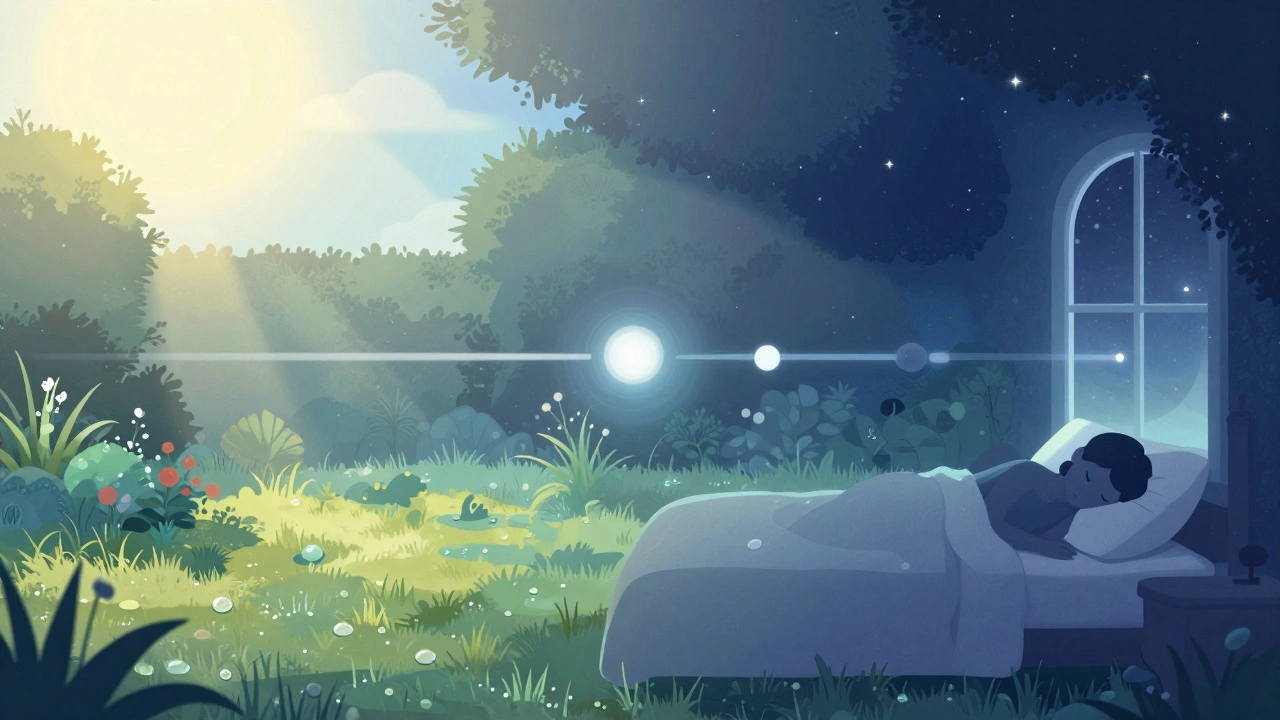
Struggling to fall asleep? Your daily routine might be missing a key ingredient: daylight. Your body operates on a circadian rhythm, an internal clock that regulates sleep-wake cycles. This clock is synchronized primarily by light exposure.
When you get bright natural light early in the day, it signals your brain to stop producing melatonin (the sleep hormone) and start producing cortisol (to wake you up). Later, as the sun sets, melatonin production ramps up naturally, helping you fall asleep easier. Indoor lighting, especially blue light from screens, disrupts this process.
By spending time outdoors during the day, you align your body with the natural solar cycle. This doesn’t mean you need to hike at dawn, but simply ensuring you get some morning or afternoon sun can dramatically improve the quality and depth of your nighttime sleep. Better sleep leads to better energy, mood, and health the next day.
How to Start Small
You don’t need to become an extreme athlete to reap these rewards. Start with what fits your lifestyle:
- The Lunch Walk: Step away from your desk for 15 minutes. Walk around the block or sit in a nearby park.
- Commute Changes: Can you bike or walk part of your commute? Even 10 minutes counts.
- Weekend Micro-Adventures: Visit a new trail, beach, or garden within a 30-minute drive.
- Outdoor Chores: Turn yard work or car washing into mindful moments rather than rushed tasks.
How much time do I need to spend outdoors to see benefits?
Research suggests that just 20 to 30 minutes a day can significantly reduce stress hormones. However, any amount is better than none. Consistency matters more than duration, so aim for daily exposure even if it's brief.
Does it matter if I'm not exercising?
No. Simply being in nature, whether sitting, walking slowly, or gardening, provides mental health and stress-reduction benefits. The physical intensity is secondary to the environmental context.
What if I live in a city with no parks?
Even urban green spaces like street trees, community gardens, or balconies with plants offer benefits. Studies show that viewing nature from a window or having houseplants can lower stress. Try to find any pocket of greenery, even a small courtyard.
Are outdoor activities safe for children?
Yes, they are essential. Outdoor play improves motor skills, social interaction, and creativity in children. Supervision is necessary, but allowing kids to explore natural environments fosters resilience and curiosity.
Can indoor plants replace outdoor time?
Indoor plants help improve air quality and mood, but they cannot fully replicate the benefits of sunlight, fresh air circulation, and the expansive visual field of natural landscapes. They are a helpful supplement, not a substitute.