

Broadway Ticket Value Estimator
Not sure which seat to buy? Use this tool to find the sweet spot between price and experience for the current Broadway landscape.
Fill out the form and click calculate to see your recommendation.
You paid $150 for a ticket in the mezzanine. You expected magic. Instead, you got a half-empty house and a cast that looked like they were counting down the minutes until curtain call. Or maybe it was the opposite: packed seats, electric energy, and a show so good you forgot your phone existed. Which one was it? That question is exactly what everyone in the Broadway industry is asking right now.
It’s October 2026. Three years have passed since the post-pandemic recovery started gaining steam. We’ve heard the headlines: "Broadway is back!" followed by "Broadway is crashing!" The truth isn’t black or white. It’s messy, expensive, and wildly inconsistent. If you’re wondering whether to buy that premium seat or wait for a discount code, you need to understand what’s actually happening behind the velvet ropes.
The Financial Rollercoaster of Live Theatre
Let’s cut through the noise. Is Broadway struggling? Yes and no. It depends on who you ask and which week you look at. The aggregate numbers show gross weekly receipts hovering near historical highs, but those figures are skewed by mega-hits like Wicked and Hamilton. These two juggernauts alone account for a massive chunk of total revenue. Strip them out, and the picture gets uglier.
Mid-sized musicals are feeling the squeeze. Production costs have skyrocketed due to inflation, union wage increases, and higher material costs. A standard musical production that cost $15 million in 2019 might run $25 million today. To break even, these shows need 80-85% capacity every single week. Miss that target for three weeks straight, and you’re looking at closing notices. This financial pressure creates a risk-averse environment where producers prefer safe bets over artistic risks.
Ticket Prices: Are They Worth It?
Here’s the pain point for most theatergoers: price. Dynamic pricing models, borrowed from airlines and sports teams, have taken hold. A Tuesday matinee might cost $79, while a Saturday evening performance jumps to $249. This volatility frustrates casual fans. You can’t plan a night out with friends if you don’t know if you’ll pay a coffee’s worth or a mortgage payment.
But here’s the twist: value perception is shifting. People aren’t just buying a seat; they’re buying an experience. Shows that offer immersive elements-like interactive sets or high-tech visual effects-justify higher prices. Audiences tolerate the cost when the spectacle matches the sticker shock. When it doesn’t, social media roasts the production before the cast takes their bows.
| Price Tier | Average Cost (USD) | Common Show Types | Audience Sentiment |
|---|---|---|---|
| Premium Front Row | $350 - $500+ | Mega-Musicals (Wicked, Hamilton) | High Expectation, High Reward |
| Orchestra Center | $150 - $250 | New Musicals, Revivals | Variable, Often Criticized |
| Mezzanine/Side | $80 - $140 | Plays, Smaller Musicals | Good Value for Money |
| Discount/Lottery | $40 - $60 | All Genres | High Satisfaction (If Available) |
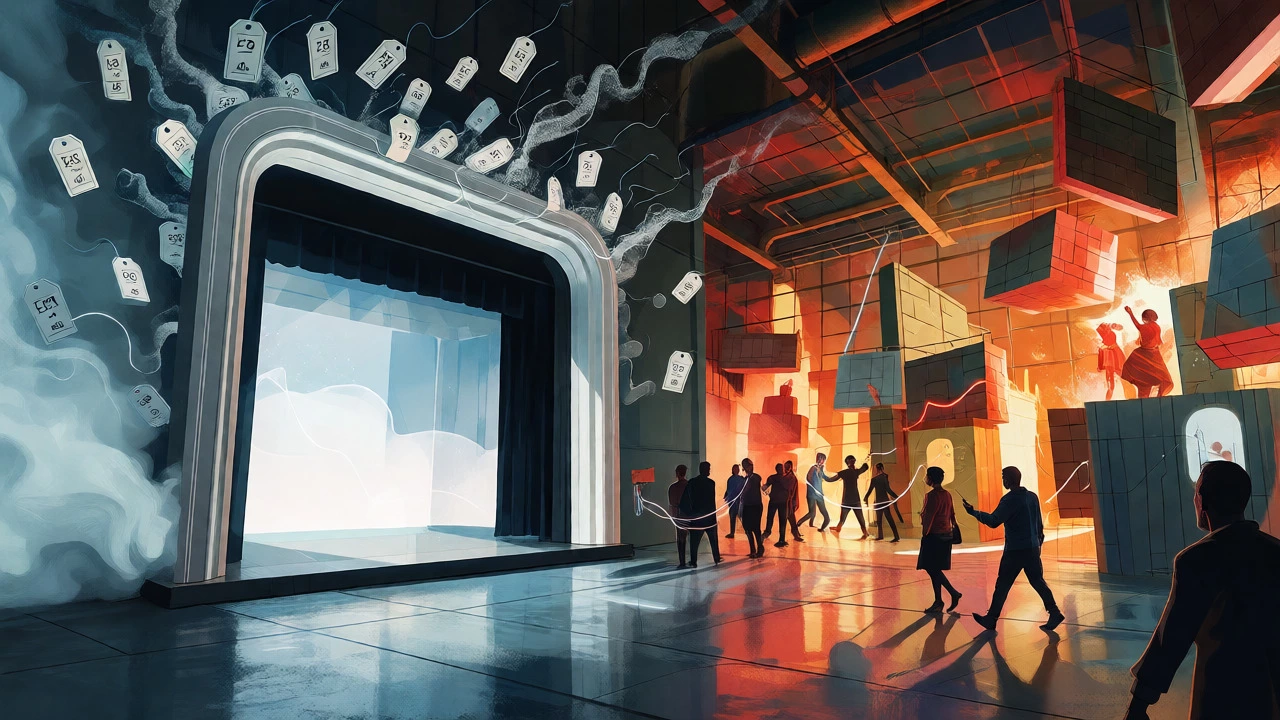
The Rise of Off-Broadway and Immersive Experiences
While Broadway struggles with overhead, its smaller sibling, Off-Broadway, is thriving. Why? Lower rents, flexible venues, and creative freedom. Productions like Sleep No More (or its successors) prove that audiences crave interaction. They want to walk through the set, talk to actors, and feel part of the story.
This trend pulls money away from traditional proscenium arch stages. If you’re tired of sitting still for three hours, Off-Broadway offers a compelling alternative. Plus, tickets rarely exceed $100. For many New Yorkers and tourists alike, this represents better bang for the buck. Broadway hasn’t ignored this shift. Recent hits have incorporated more movement and audience engagement, trying to bridge the gap between passive viewing and active participation.
Who Is Going to the Theatre?
Demographics matter. Post-pandemic, the core Broadway audience remains older-typically 55+. But there’s a noticeable uptick in younger attendees, driven by TikTok trends and celebrity casting. When a pop star lands a lead role, their fanbase floods the box office. This creates short-term spikes but doesn’t guarantee long-term loyalty. Many young viewers treat theatre as a one-time event rather than a recurring hobby.
Tourists remain the lifeblood. Domestic travel to New York City has rebounded strongly, fueled by major events and conventions. However, international tourism lags slightly behind pre-2020 levels. This impacts weekday attendance, which relies heavily on visitors. Locals often skip midweek performances due to work schedules and high living costs. The result? Empty seats on Wednesday nights, even during peak seasons.

How to Navigate the Current Scene
If you’re planning a trip or a night out, don’t just click "buy." Be strategic. Here’s how to get the best experience without breaking the bank:
- Check the Closing Notices: Shows nearing closure often drop prices significantly. You might catch a hit for half the cost.
- Use Official Lotteries: Apps like TodayTix or official theatre sites offer digital lotteries. It’s luck-based, but winning saves hundreds.
- Consider Weekdays: Thursday and Friday nights are popular, but Tuesday and Wednesday often have better availability and lower prices.
- Read Reviews Carefully: Ignore star ratings. Look for specific comments about pacing and technical issues. A beautiful set means nothing if the sound system fails.
The Future of Broadway
Is Broadway dying? No. It’s evolving. The model of big-budget, safe-bet musicals faces challenges, but live performance itself is resilient. People crave connection. They want to share gasps and laughter with strangers in a dark room. That human element can’t be streamed.
The struggle isn’t existential; it’s operational. Producers need to balance innovation with profitability. Audiences need to adjust expectations regarding price versus quality. If both sides adapt, Broadway won’t just survive-it will thrive. But the days of automatic sellouts for mediocre productions are gone. Now, you earn every dollar of that ticket price.
Why are Broadway tickets so expensive in 2026?
Production costs have risen sharply due to inflation, increased labor wages under union contracts, and higher material expenses. Additionally, dynamic pricing algorithms adjust costs based on demand, often raising prices for weekend and holiday performances to maximize revenue.
Are all Broadway shows struggling financially?
No. Mega-hits like Wicked and Hamilton consistently generate high profits. However, mid-tier musicals and new plays face significant pressure to maintain high occupancy rates to cover rising overhead costs. Some smaller productions close early if they fail to meet weekly breakeven targets.
Is Off-Broadway cheaper than Broadway?
Yes, generally. Off-Broadway tickets typically range from $40 to $100, compared to Broadway's average of $80 to $250+. Lower venue rents and smaller company sizes allow for reduced ticket prices while maintaining high artistic standards.
How can I save money on Broadway tickets?
Utilize digital lotteries, rush tickets, and standing room options. Buying tickets for weekday performances (Tuesday-Wednesday) often yields lower prices. Also, consider shows approaching their closing date, as discounts become more frequent.
Do tourists dominate Broadway audiences?
Tourists make up a substantial portion, especially on weekends and holidays. However, domestic travelers have returned in force, and local New Yorkers contribute significantly to weekday attendance. International tourism is recovering but remains slightly below pre-2020 levels.