

Outdoor Activity Matcher
Not sure which domain fits your next weekend? Answer three quick questions to find your ideal category of movement.
Budget Check
What is your approximate budget for this trip?
Fear Tolerance
How do you feel about heights and open water?
Social Preference
Do you prefer solitude or group coordination?
Your Recommended Domain
Land-Based Activities
Based on your low budget and preference for grounded environments, land activities offer the best balance of accessibility and safety.
Recommended Gear
- Hiking Boots
- Navigation Map/App
- Water Bottle
Key Safety Tip
You’re standing at a trailhead in the Dandenong Ranges, looking up at the mist-covered trees. Or maybe you’re staring down a wave at Bells Beach, wondering if your board is too short. The question isn’t just "what should I do today?" It’s often, "how do I even classify this?" People constantly ask me how to organize their weekend plans or why certain gear feels completely different depending on where you go. The answer lies in understanding the three fundamental domains of movement: Land, Water, and Air.
This isn’t some academic taxonomy designed to bore you in a classroom. It’s a practical framework that helps you pick the right gear, train the right muscles, and stay safe. Once you see outdoor activities through these three lenses, planning a trip becomes less about random guessing and more about strategic preparation. Let’s break down exactly what fits into each bucket and why it matters for your next adventure.
The Foundation: Land-Based Activities
Land-based activities are the most accessible category of outdoor recreation involving movement across solid ground. This domain covers everything from a gentle walk in your local park to scaling vertical rock faces in Grampians National Park. If your feet (or tires) touch dirt, sand, grass, or rock, you’re in this category.
Why does this matter? Because land activities rely heavily on gravity and friction. Your equipment needs to handle impact and uneven terrain. Think hiking boots with deep lugs versus road running shoes. The physical demand here is usually endurance-based, requiring sustained cardiovascular effort over hours. But don’t mistake "land" for "easy." Trail running in the Yarra Valley can wreck your legs faster than a casual bike ride because of the variable elevation and surface instability.
- Hiking and Trekking: The gateway drug to outdoors. Low barrier to entry, high scalability. You can start with a flat path or attempt multi-day treks like the Overland Track.
- Cycling: Whether mountain biking (MTB) on single-track trails or road cycling on sealed highways, this is land activity optimized for speed and efficiency.
- Climbing: Rock climbing uses friction and technique rather than pure power. Indoor walls prepare you for real granite cliffs.
- Running: From ultra-marathons to sprinting on beach sand, it’s the simplest form of land locomotion.
If you’re new to this, start here. The learning curve is forgiving. You don’t need a boat license or a parachute rig check. Just good shoes and a sense of direction. However, the risk profile changes dramatically when you leave marked trails. Navigation skills become as important as fitness. Getting lost in bushland is a common mishap for beginners who underestimate how quickly daylight fades in Australian forests.
The Fluid Realm: Water-Based Activities
Water-based activities involve recreation performed in or on bodies of water such as oceans, lakes, and rivers. Unlike land, water provides buoyancy but also resistance and unpredictability. You’re no longer fighting gravity alone; you’re negotiating with currents, tides, and waves.
This category demands a different safety mindset. On land, if you fall, you stop. In water, if you capsize, you might not resurface immediately. That’s why swimming competence is non-negotiable here. Most accidents in kayaking or sailing stem from poor water confidence or lack of emergency protocols, not bad weather.
| Activity | Skill Barrier | Primary Risk | Gear Complexity |
|---|---|---|---|
| Swimming | Low | Drowning/Fatigue | Minimal |
| Surfing | High | Drowning/Collision | Moderate |
| Kayaking | Moderate | Capsize/Hypothermia | Moderate |
| Sailing | Very High | Capsizing/Weather | High |
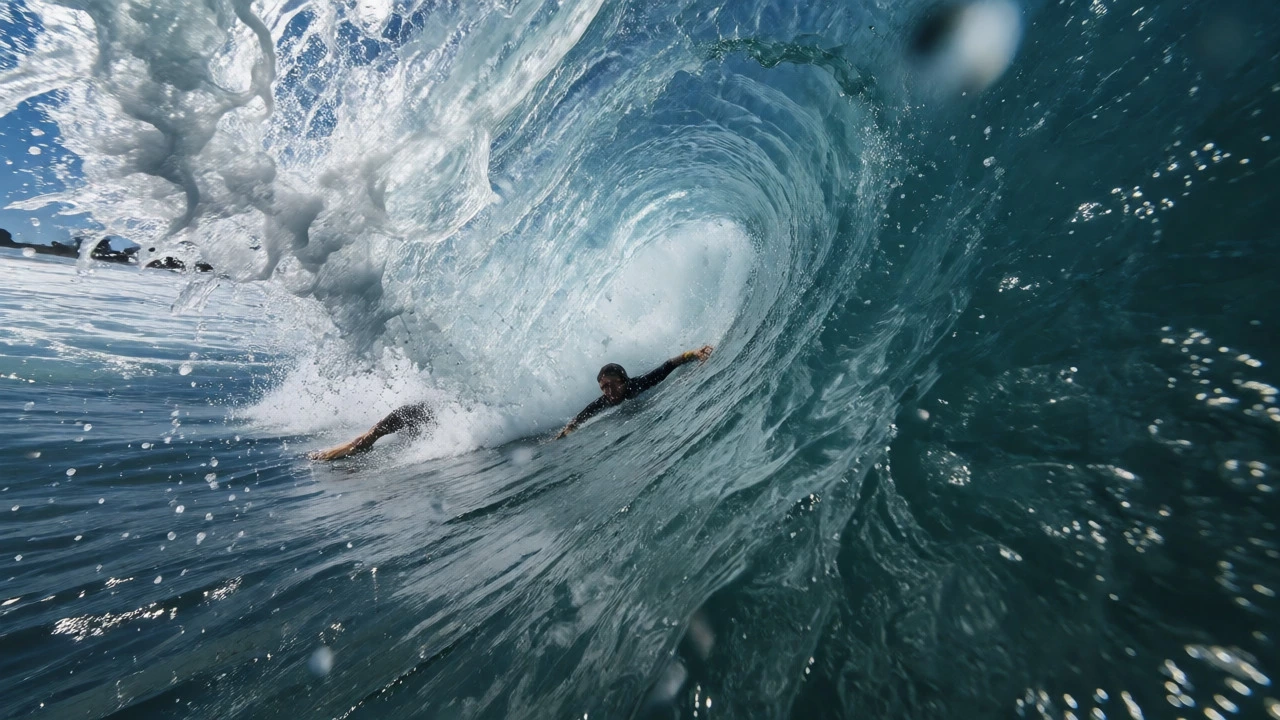
Surfing is iconic in Australia, but it’s deceptive. Standing up on a board looks easy until you’re paddling out through a set of six-foot waves. Surf lifesaving clubs exist for a reason-they teach you how to read the ocean. Similarly, stand-up paddleboarding (SUP) seems calm, but wind can push you miles offshore in minutes if you’re not anchored or skilled at reading currents.
For those living near Melbourne, Port Phillip Bay offers calmer waters ideal for beginners trying windsurfing or small sailboats. The Great Ocean Road spots, however, demand respect for powerful swells. Always check local tide charts. Ignoring them turns a relaxing swim into a dangerous struggle against an outgoing tide.
The Vertical Frontier: Air-Based Activities
Air-based activities are defined by human interaction with the atmosphere, typically involving flight or suspension above the ground. This is the most expensive and technically complex category. Gravity still applies, but you’re manipulating lift, drag, and thrust to stay aloft or descend safely.
Paragliding, skydiving, hot air ballooning, and hang gliding all fall here. The key difference? Consequences. Mistakes on land hurt; mistakes in the air can be fatal. Therefore, training and certification are strict. You wouldn’t jump out of a plane without a tandem instructor or a rigorous course. Equipment checks are obsessive because failure modes are catastrophic.
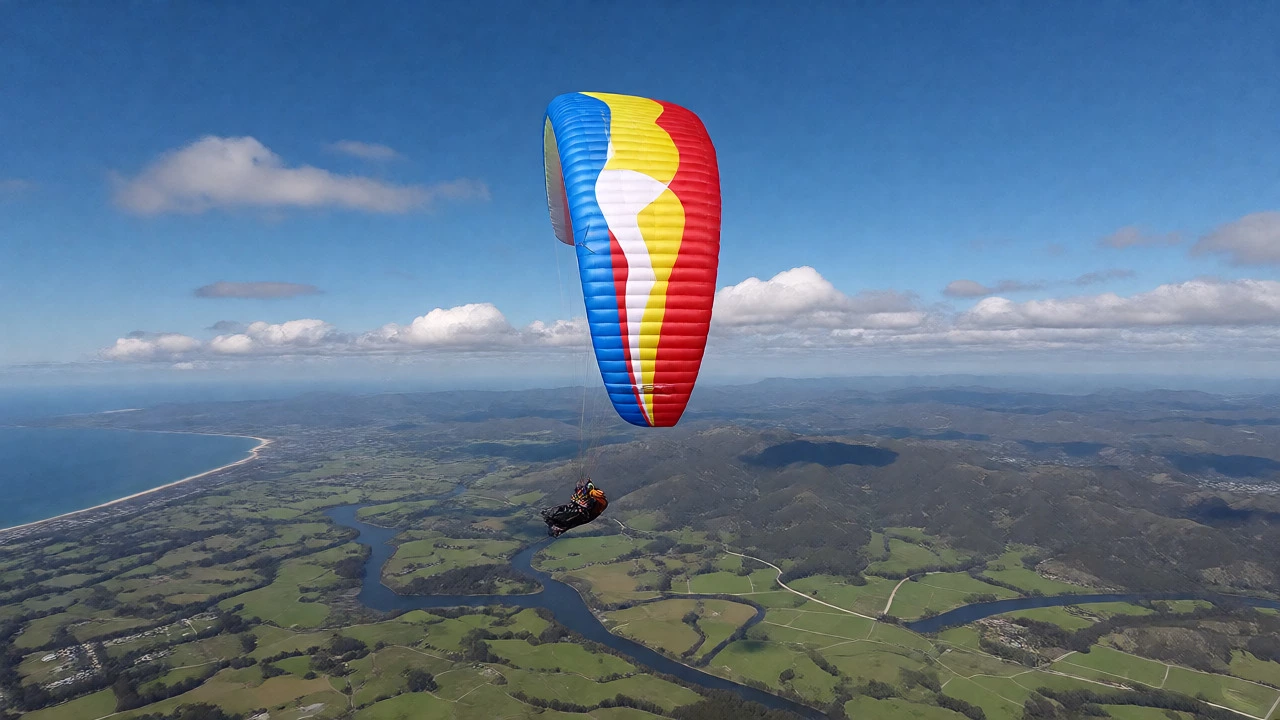
Consider paragliding. It’s popular in places like Kinglake or the Victorian coast. You launch off a slope, catch thermal updrafts, and glide for hours. It feels serene, but pilots must understand meteorology. Sudden gusts or storm cells can trap you. Weather apps aren’t suggestions; they’re lifelines. Unlike hiking, where you can turn back, you commit to the air once you leave the ground.
Ballooning is slower and gentler, often used for tourism. You drift with the wind, so route planning depends entirely on wind direction at altitude. Skydiving is intense, requiring mental fortitude to handle freefall speeds exceeding 200 km/h. Each sub-category has its own community and culture, but they share a reliance on precise engineering and clear skies.
How to Choose Your Category
Deciding which domain suits you depends on three factors: budget, fear tolerance, and social preference.
Budget: Land is cheapest. Hiking boots cost $150-$300. Water gets pricier-surfboards range from $500 to $2,000, plus wetsuits. Air is the most expensive due to gear rental and instruction costs. A single skydive can cost $300+, while buying paragliding gear exceeds $4,000.
Fear Tolerance: If heights terrify you, avoid air activities. If open water triggers panic attacks, stick to pools or lakes before attempting ocean surfing. Land offers controlled exposure-you can always sit down and rest.
Social Aspect: Team sports like rugby or soccer happen on land but feel structured. Kayaking or rafting encourages group coordination. Solo hikers find solitude, while surfers often gather in tight-knit lineups. Air sports tend to be individualistic, though tandem options allow shared experiences.
Many people mix categories. A triathlon combines swimming (water), cycling (land), and running (land). Adventure races might include all three. Understanding the boundaries helps you transition smoothly between disciplines without carrying irrelevant gear.
Common Misconceptions
People often confuse "outdoor" with "extreme." Not every land activity requires adrenaline. Birdwatching is an outdoor activity. So is gardening. The categorization focuses on movement and environment, not intensity. Don’t let intimidation keep you from trying something simple.
Another myth: "Water is safer than land." Statistically, drowning kills fewer people annually than car crashes, but the margin for error is thinner. A twisted ankle on a hike slows you down; a cramp mid-swim can kill you. Respect both environments equally.
Finally, some think air activities are only for the wealthy elite. While initial costs are high, communities often offer gear swaps or club memberships that lower barriers. Look for local clubs-they’re great resources for second-hand equipment and mentorship.
Are there other ways to categorize outdoor activities?
Yes, you can categorize by intensity (low vs. high), duration (day trips vs. expeditions), or social nature (solo vs. team). However, Land, Water, and Air remain the most useful for logistical planning because they dictate specific equipment and safety requirements.
Which category is best for beginners?
Land-based activities like walking or basic cycling are best for beginners. They require minimal specialized gear, have low financial barriers, and allow you to quit easily if conditions worsen. Water activities require swimming proficiency, and air activities require professional instruction.
Do indoor sports count as one of these categories?
No. Indoor sports simulate these environments (e.g., rock climbing walls mimic land, swimming pools mimic water), but true outdoor activity classification relies on natural environmental variables like weather, terrain, and currents, which are absent indoors.
Can one activity span multiple categories?
Rarely. Triathlons combine separate events. Some adventure racing includes segments of all three. Generally, a single continuous activity stays within one domain because switching mediums requires stopping, changing gear, and adjusting physics expectations.
What is the safest category for children?
Land activities are generally safest for young children because supervision is easier and risks are lower. Water activities require constant adult vigilance due to drowning risks. Air activities are typically restricted to older teens or adults due to weight limits and cognitive maturity required for safety protocols.