
Escape Room Quality Checker
Planning a visit? Use this checklist to analyze reviews or venue descriptions to predict the quality of the experience.
Quick Takeaways
- Poor Flow: Many rooms suffer from "bottlenecks" where only one person can solve a puzzle while others stand around.
- Logic Gaps: Some puzzles rely on "moon logic"-solutions that make sense to the creator but are impossible for a guest to deduce.
- Maintenance Issues: Worn-out magnetic locks and faded clues can turn a challenge into a guessing game.
- Hint Overload: Over-reliance on a Game Master can strip away the satisfaction of a real win.
The Problem with Moon Logic and Leap-of-Faith Puzzles
One of the biggest escape room weaknesses is the reliance on "moon logic." This happens when the leap from the clue to the solution is too wide. Imagine finding a picture of a cat and a number 4, and the solution is to enter "meow" into a keypad because cats meow. There is no logical bridge connecting those two points; you just have to guess what the designer was thinking.
A great puzzle follows a linear path: you find a tool, you apply it to an object, and you get a result. When designers skip these steps, they create "leap-of-faith" puzzles. In a high-quality room, a Puzzle is a logical challenge where the solution is derived from available evidence within the environment. When that link breaks, the game stops being a test of wit and becomes a test of how well you can read the mind of a stranger.
Bottlenecks and the "One-Person Game"
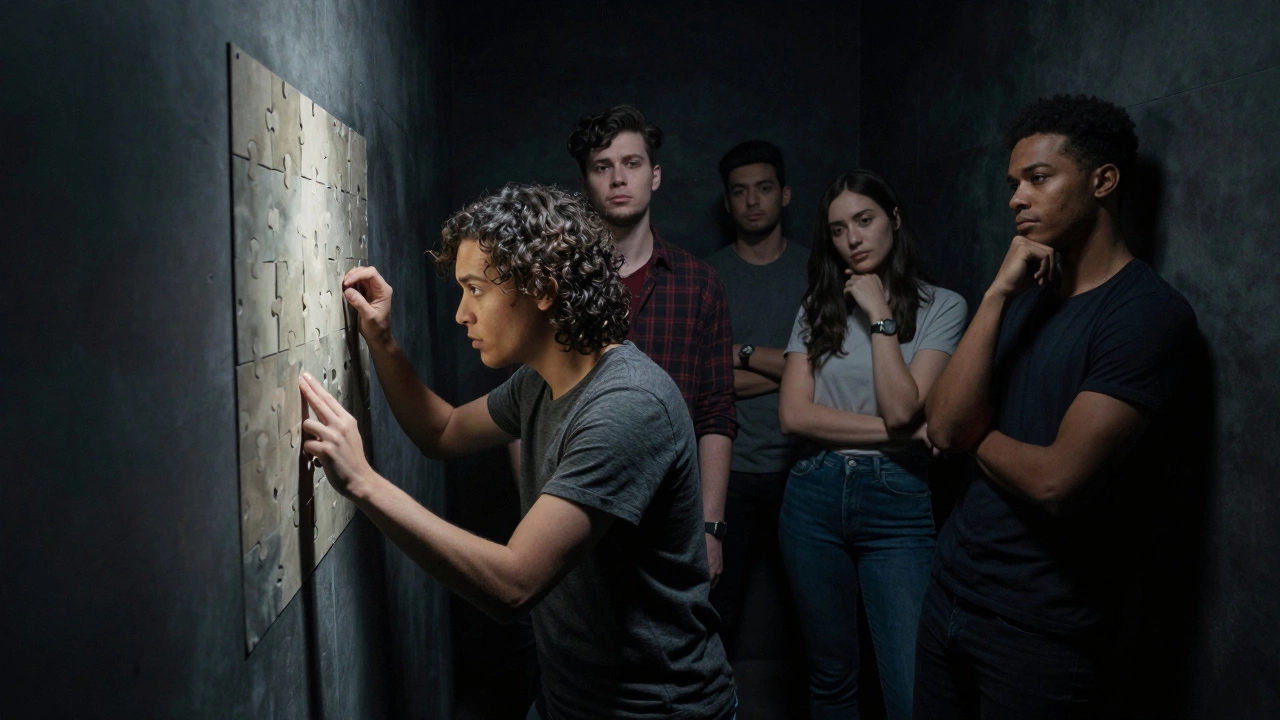
Have you ever been in a group of six people, but only one person is actually doing anything while the other five watch? This is a massive failure in spatial and activity design. It's called a bottleneck. This usually happens when the room layout is too narrow or the puzzles are purely sequential-meaning you can't start Puzzle B until Puzzle A is finished.
The most successful rooms utilize parallel puzzle design. This means there are three or four different tasks happening at once, forcing the group to split up and collaborate. When a room lacks this, it creates a social imbalance. The "alpha" player takes over, and the rest of the group becomes spectators. For a game that is marketed as a team-building experience, having a design that encourages one person to hoard all the clues is a critical flaw.
The Maintenance Trap: When Gear Fails
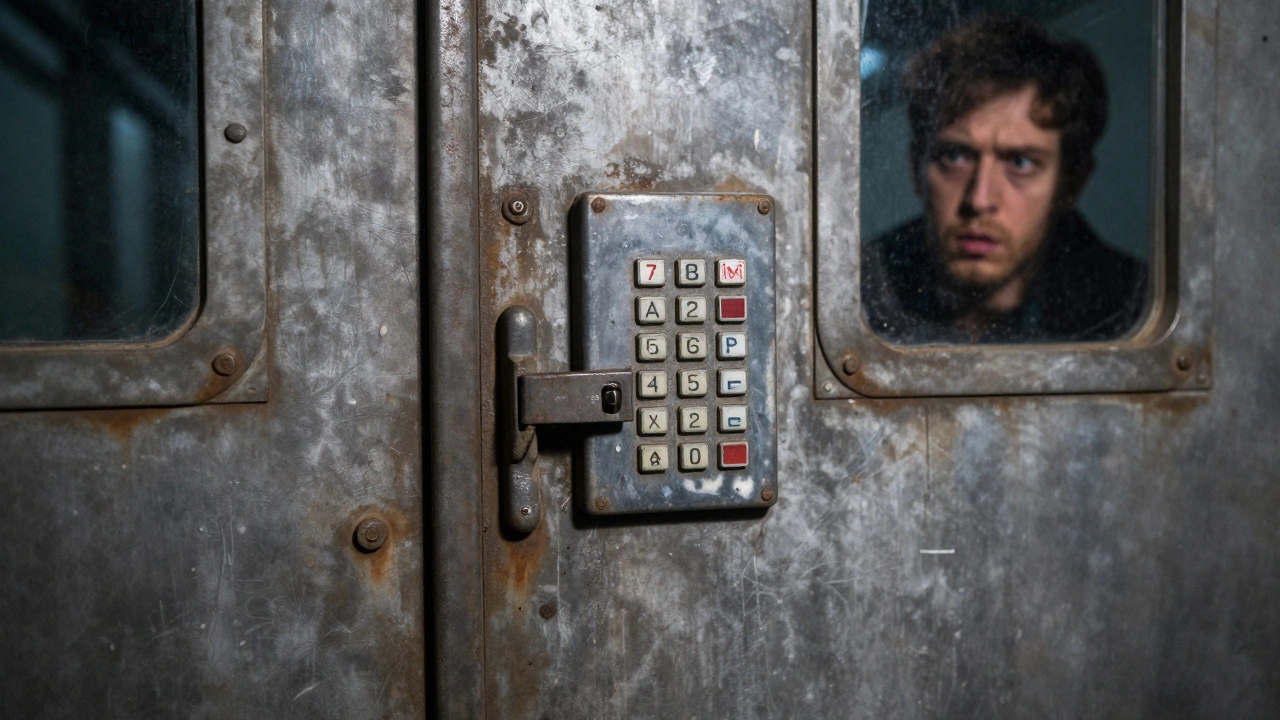
Physical wear and tear is the silent killer of the immersive experience. Because these rooms are designed to be touched, shaken, and poked by hundreds of people a week, things break. A magnetic lock that doesn't trigger properly or a keypad with a dead button can lead players to believe they've solved a puzzle correctly when the room simply isn't responding.
| Component | Common Failure | Player Experience |
|---|---|---|
| Magnetic Locks (Maglocks) | Misalignment or loss of power | Frustration; thinking the puzzle is unsolved |
| RFID Sensors | Incorrect placement/sensitivity | "Ghosting" where items don't trigger events |
| LED Indicators | Burned out bulbs | Missing critical feedback that a step is complete |
| Wearable Tech/Props | Battery drain or physical breakage | Game halts completely until staff intervenes |
When a prop fails, the immersion is shattered. You're no longer a secret agent in a bunker; you're a person in a painted plywood box waiting for a technician to come in and manually open a door. High-end venues mitigate this with rigorous pre-game checklists, but budget rooms often overlook this, leading to a disjointed experience.

The Game Master Paradox
The Game Master is the operator who monitors the players via cameras and provides hints to ensure the group completes the room within the time limit. However, the Game Master can either be the savior of the game or its biggest weakness. There is a delicate balance between helping and hand-holding.
Too many hints ruin the dopamine hit of the "Aha!" moment. If a Game Master gives the answer away too quickly because they are running behind schedule, the victory feels hollow. Conversely, a Game Master who is too passive leaves players wandering in circles for twenty minutes, leading to boredom and irritation. The weakness here is often a lack of training in "dynamic hinting," where the staff should give a nudge in the right direction without revealing the solution.
Accessibility and Inclusive Design Gaps
Many escape rooms are built without considering accessibility. This is a glaring weakness in an industry that prides itself on being for everyone. From steep stairs and cramped crawlspaces to puzzles that rely entirely on color vision or hearing, many rooms accidentally exclude a huge portion of the population.
For instance, a puzzle that requires distinguishing between red and green wires is impossible for someone with color blindness. A room that requires crawling through a vent is inaccessible to people with mobility issues. While some venues offer "accessible" versions, the reality is that the core design is often exclusionary. True quality in design means creating challenges that can be solved through multiple sensory inputs-visual, tactile, and auditory.
The Lack of Narrative Cohesion
We've all seen the "random prop" room. You're in a Victorian study, but for some reason, there's a digital keypad from 2015 on the wall. When the story doesn't match the mechanics, the brain rejects the immersion. This is a failure of narrative integration.
In a weak room, the story is just a thin excuse for a series of locks. In a strong room, the story is the puzzle. If you're escaping a mad scientist's lab, the puzzles should involve chemistry or biology, not just finding a four-digit code hidden in a book. When the plot and the puzzles are disconnected, the experience feels like a chore rather than an adventure. It's the difference between playing a character and just solving a puzzle box in a themed room.
How can I tell if a room has poor puzzle design before I go?
Look for reviews that mention "frustrating" or "confusing" puzzles. If multiple people say the solutions didn't make sense or that they needed constant hints to progress, it's a sign of "moon logic" or poor flow. Also, check if the venue mentions "parallel puzzles" or "non-linear gameplay," which usually suggests a better group experience.
What should I do if a prop isn't working during my game?
Don't spend twenty minutes fighting with a lock if you are certain you have the right code. Alert the Game Master immediately. A professional venue will apologize and fix the issue or provide a bypass, and in some cases, they may even offer a discount or a free game if the technical failure significantly impacted your experience.
Are non-linear rooms always better than linear ones?
Not necessarily, but they are better for larger groups. Linear rooms (where one puzzle leads directly to the next) can create a stronger, more cinematic story. However, for groups of 4 or more, non-linear designs prevent the "bottleneck" effect where most of the team has nothing to do.
Why do some rooms feel too easy?
This is often a result of "over-hinting" by the Game Master or a lack of complexity in the puzzle layers. Some venues prioritize a 100% success rate to keep customer ratings high, which ironically makes the game less satisfying for experienced players.
Is it possible for a room to be too immersive?
Rarely, but extreme immersion (like total darkness or high-stress sounds) can cause panic or sensory overload for some players. The weakness here is a lack of clear communication about the "intensity level" of the room before guests book.
What to Do Next
If you're a regular player, start looking for venues that emphasize immersive theater elements rather than just locks and keys. These often have more cohesive narratives and better-integrated puzzles. If you're organizing a group, ask the venue about their "player-to-puzzle ratio" to avoid those annoying bottlenecks.
For those who find themselves stuck in a poorly designed room, the best approach is to communicate. If a puzzle feels illogical, tell the Game Master. Your feedback helps them identify "blind spots" in their design, potentially saving the next group from the same frustration.