
Find Your Perfect Outdoor Activity
Answer three quick questions to find the outdoor pursuit that fits your lifestyle, budget, and energy levels.
Your Recommended Activity
Hiking
Why this fits you:
This activity matches your preference for low-cost entry and moderate exercise.
Social Aspect: Flexible
Skill Level: Beginner Friendly
- ✓ Find a local trail or park within 20 minutes of home.
- ✓ Check weather apps before heading out.
- ✓ Start with short durations to build consistency.
Think about your last weekend. Did you spend it glued to a screen, or did you step outside? If you’re like most people on the planet, you probably mixed both. But here’s a surprising fact: despite our digital obsession, hiking remains one of the single most popular physical activities in the world. It’s not just for fitness buffs; it’s how billions of us decompress. The question isn’t really *if* people go outdoors-it’s *what* they do when they get there.
You might assume that extreme sports dominate the headlines because they look great on Instagram. Sure, skydiving gets clicks. But if we look at participation data from major markets like the US, Europe, and Australia, the reality is far more grounded. The most popular outdoor activities aren’t usually the ones requiring a $500 piece of gear or a specialized guide. They are accessible, low-barrier, and often social. From walking trails in Melbourne to cycling paths in Amsterdam, the global preference leans heavily toward movement that doesn’t require a membership fee or a flight ticket.
The Undisputed King: Walking and Hiking
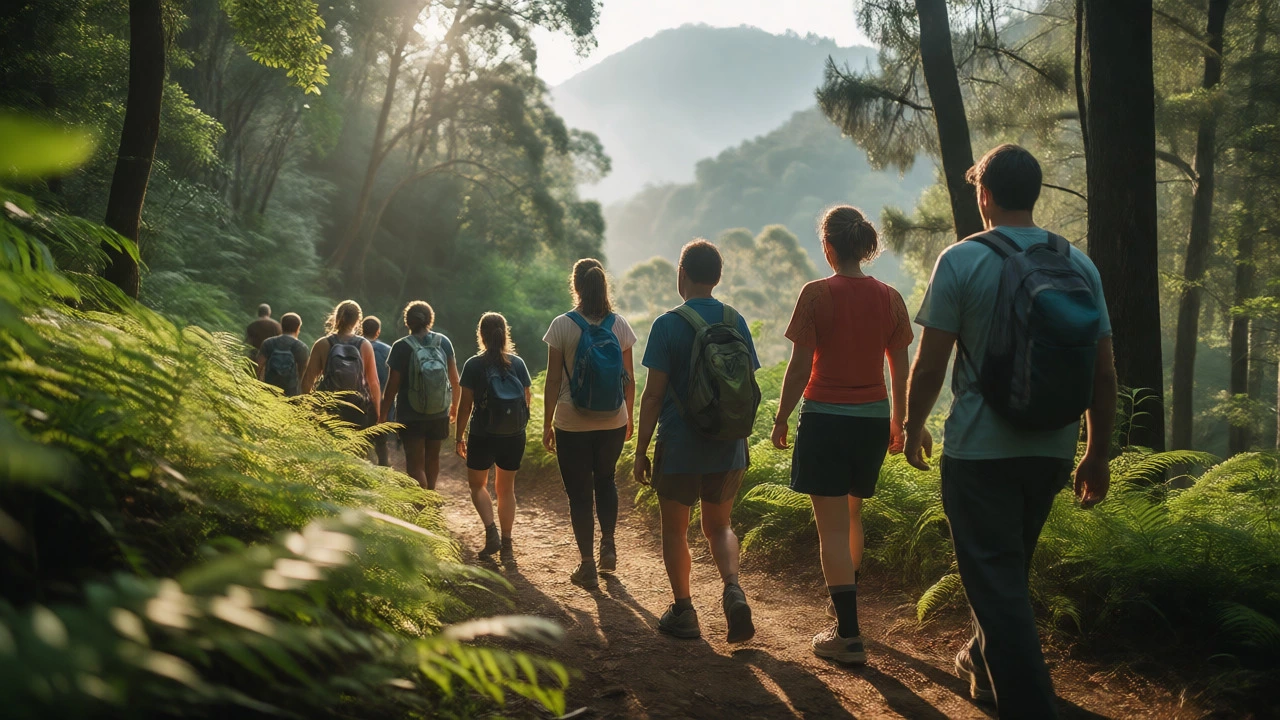
Hiking is a form of long-distance walking for pleasure or exercise, typically on trails or footpaths. It consistently ranks as the top outdoor activity globally, with over 58 million participants in the United States alone according to recent outdoor industry reports. Why? Because it costs almost nothing. You need shoes, maybe a backpack, and a pair of legs. That’s it.
In Australia, where I live, the culture around bushwalking (our local term for hiking) is massive. Parks Victoria manages thousands of kilometers of trails, and weekends see these paths packed with everyone from families with toddlers to serious trekkers tackling the Grampians. This pattern repeats worldwide. In Japan, forest bathing-known as shinrin-yoku-has turned gentle hiking into a public health initiative. In Switzerland, hiking is practically a national sport, supported by an intricate network of marked trails that connect villages across the Alps.
The appeal lies in the simplicity. Unlike team sports, you don’t need to coordinate schedules with eleven other people. You can hike alone, with a partner, or in a group. The barrier to entry is so low that it serves as the gateway drug to other outdoor pursuits. Once you start walking regularly, you might pick up trekking poles, then a lightweight tent, and suddenly you’re camping. But it all starts with putting one foot in front of the other.
Cycling: The Commuter’s Adventure
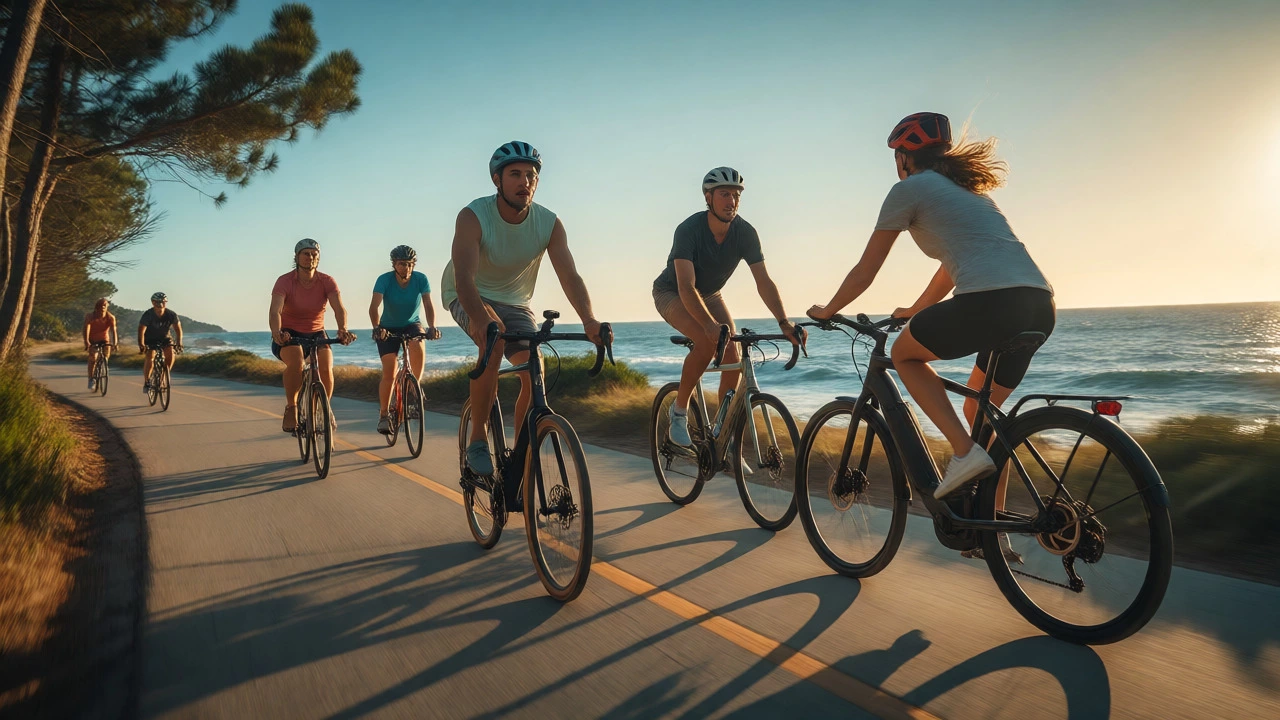
If hiking is the king of leisure, Cycling is the dominant mode of active transport and recreation in urban environments. In countries like the Netherlands and Denmark, cycling isn’t just an activity; it’s infrastructure. Over 60% of trips in Copenhagen are made by bike. But even in car-centric cities like Los Angeles or Sydney, bike lanes are expanding rapidly, driving a surge in recreational riding.
The shift isn’t just about saving money on gas. E-bikes have revolutionized who rides. Previously, hills were a dealbreaker for older adults or those less fit. Now, with pedal-assist technology, a 70-year-old can keep up with their grandkids on a coastal path. This democratization has boosted participation numbers significantly. In 2023, e-bike sales surpassed traditional bikes in several European markets, signaling a permanent change in how people interact with their environment.
Cycling also offers a unique perspective on geography. When you drive, you see signs. When you walk, you see details. When you ride, you cover distance while still feeling the wind and smelling the pine trees. It bridges the gap between exploration and efficiency. Many city dwellers now use weekend rides to escape the concrete jungle, venturing into green belts that surround metropolitan areas. These routes often follow old railway lines or canal towpaths, providing safe, scenic corridors away from traffic.
Water Sports: Swimming and Surfing
Humans are drawn to water. Whether it’s a lake, river, or ocean, being near it reduces stress. Swimming is a self-propelled movement through water using arms and legs, practiced for survival, sport, or recreation. It is arguably the most universal outdoor activity because it requires no equipment beyond swimwear. Public pools, beaches, and natural swimming holes serve as community hubs in nearly every country.
While swimming is broad, specific water sports vary by region. In California, Hawaii, and Australia, surfing is a lifestyle. The International Surfing Association estimates there are over 35 million surfers worldwide. It’s physically demanding and mentally meditative. Catching a wave forces you to be present; miss it, and you’re underwater again. There’s no checking emails while paddling out.
For those without access to ocean waves, kayaking and canoeing have seen steady growth. Flatwater kayaking on lakes is family-friendly and relaxing, while whitewater rafting appeals to thrill-seekers. The rise of stand-up paddleboarding (SUP) in the last decade shows how quickly a niche activity can go mainstream. It started as a niche Hawaiian technique but exploded globally because it combines balance training with sightseeing. You can spot wildlife better on a board than in a kayak, and it’s easier to learn than surfing.
Camping: Sleeping Under the Stars
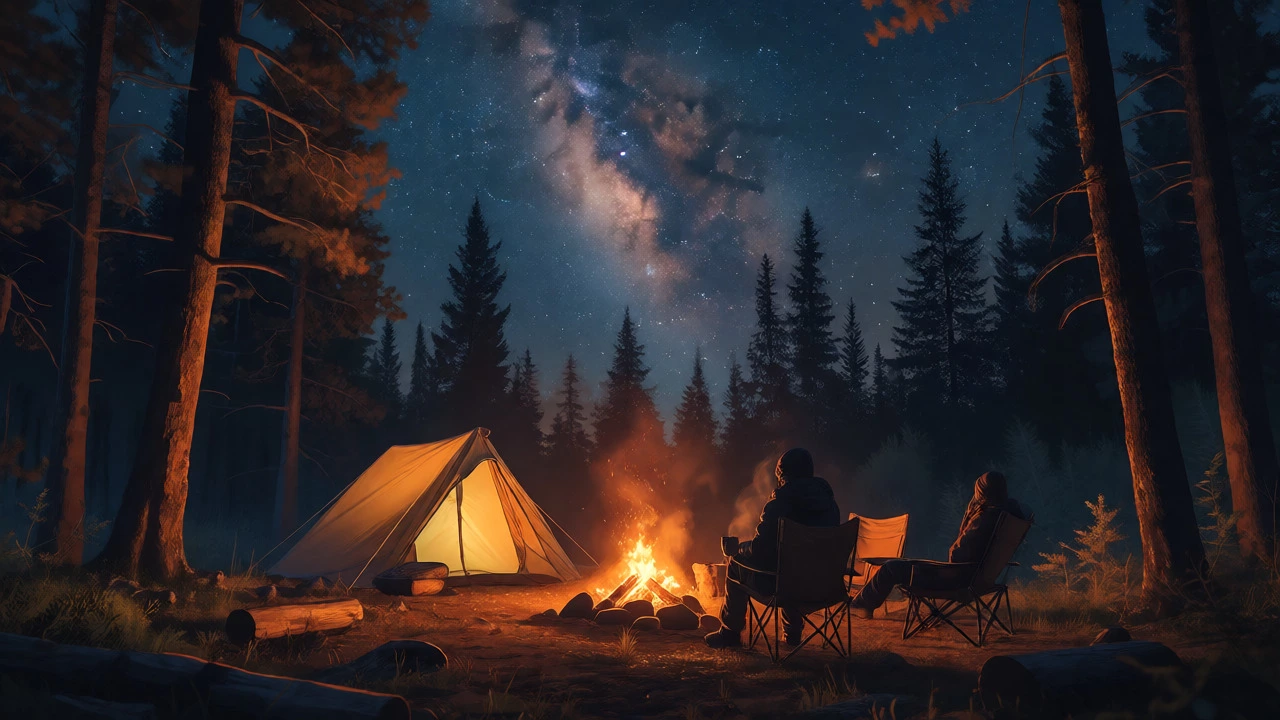
Camping is an outdoor recreational activity involving overnight stays away from home in a shelter such as a tent. Post-pandemic, camping experienced a boom that hasn’t fully subsided. People craved space and nature, and tents offered both. According to the American Camp Association, participation in camping rose by over 10% during peak pandemic years and remained high afterward.
There are two main camps here: car campers and backcountry hikers. Car campers value comfort. They bring coolers, stoves, and sometimes even portable power stations. This segment drives the market for RVs and glamping sites. Glamping-glamorous camping-removes the hassle of pitching a tent and sleeping on the ground. Luxury yurts and safari-style tents allow people to enjoy nature without sacrificing hygiene or warmth.
Backcountry campers prioritize solitude. They carry everything on their backs, aiming for spots inaccessible by road. This style demands more skill and preparation but rewards with profound quiet. Regardless of style, the core draw is disconnection. No Wi-Fi means forced downtime. For many, this digital detox is the primary reason they pack a bag. The sound of rain on a canvas roof or a crackling fire provides a sensory reset that screens simply cannot replicate.
Golf and Tennis: The Social Outdoors
Not all outdoor activities involve rugged terrain. Golf is a club-and-ball sport in which players use various clubs to hit balls into a series of holes on a course in as few strokes as possible. Despite criticism about its pace, golf remains hugely popular, particularly among older demographics and business professionals. It combines walking, precision, and social interaction.
Tennis and pickleball are experiencing similar surges. Pickleball, in particular, is the fastest-growing sport in America. It’s played on a smaller court with a wiffle ball, making it easier on the joints than tennis. This accessibility has attracted retirees and young families alike. Courts are popping up in parks everywhere, turning underused spaces into vibrant social centers.
These sports thrive on routine and community. Leagues, casual matches, and club memberships create regular reasons to go outside. Unlike hiking, where you might go solo, racket sports and golf are inherently social. They provide structure to your week. Knowing you have a tee time or a match scheduled ensures you actually leave the house. For many, this accountability is key to maintaining an active lifestyle.
Comparing the Big Four
Choosing what to try depends on your goals, budget, and location. Here is a quick breakdown of the top contenders:
| Activity | Cost Barrier | Skill Level | Social Aspect | Physical Intensity |
|---|---|---|---|---|
| Hiking | Very Low | Beginner Friendly | Flexible (Solo/Group) | Moderate |
| Cycling | Moderate (Gear) | Intermediate | High (Clubs/Groups) | Variable |
| Swimming | Low | Beginner Friendly | Low (Individual) | High |
| Camping | High (Gear/Sites) | Intermediate | High (Family/Friends) | Low to Moderate |
This table highlights why hiking and swimming lead the pack. They minimize financial and logistical friction. Cycling requires maintenance and safety gear, raising the barrier slightly. Camping demands planning and significant upfront investment. However, higher barriers often correlate with deeper immersion. A camper spends days disconnected; a hiker might only spend hours. Both offer value, but different kinds.
Regional Variations Matter
Geography dictates activity. You won’t find many skiers in Singapore, and snowboarding is rare in Brazil unless you’re visiting indoor slopes. Climate shapes habits. In Scandinavia, cross-country skiing is a winter staple, equivalent to summer jogging elsewhere. In Southeast Asia, motorbike touring is a popular way to explore rural landscapes, blending travel with outdoor exposure.
Urban density also plays a role. In dense cities like Tokyo or New York, rooftop gardens and vertical parks become crucial outdoor spaces. Parkour and calisthenics (bodyweight exercises) utilize public benches and rails, turning the city itself into a gym. Meanwhile, rural communities lean towards hunting, fishing, and farming-related tasks that double as recreation.
Understanding these nuances helps when traveling. Visiting Costa Rica? Expect zip-lining and rainforest hikes. Heading to Iceland? Think glacier walks and hot spring bathing. Adapting to local norms enriches the experience and connects you with residents who share your love for the outdoors.
How to Start Without Breaking the Bank
Don’t let gear anxiety stop you. You don’t need the latest carbon-fiber bike to start cycling. Borrow one. Test it. If you stick with it, then invest. Same goes for hiking. Old sneakers work fine for flat trails. Save expensive boots for rocky terrain.
- Start small: Choose a trail or park within 20 minutes of your home.
- Check weather apps: Nothing ruins an outdoor trip like unexpected rain.
- Join local groups: Meetup.com and Facebook groups are great for finding partners.
- Respect nature: Follow Leave No Trace principles to preserve these spaces for others.
The goal is consistency, not perfection. One hour outside beats zero hours any day. Your body and mind will thank you for the fresh air, sunlight, and movement.
What is the number one outdoor activity in the world?
Walking and hiking are widely considered the most popular outdoor activities globally due to their low cost and accessibility. Millions of people engage in some form of walking daily, whether for commuting, exercise, or leisure, making it the most universally practiced outdoor pursuit.
Is cycling safer than running outdoors?
Safety depends on infrastructure. In cities with dedicated bike lanes, cycling can be very safe. However, in areas with heavy traffic and poor lighting, cyclists face higher risks from vehicles than runners on sidewalks. Wearing helmets and high-visibility clothing significantly mitigates these risks for cyclists.
Why has camping become more popular recently?
Camping surged in popularity post-pandemic as people sought safe, socially distanced ways to travel and relax. The desire for nature connection, combined with the rise of 'glamping' options that offer comfort without technical skills, has sustained this interest beyond the initial lockdown period.
Do I need special gear to start hiking?
No, you do not need special gear to start hiking. Comfortable athletic shoes, water, and appropriate clothing for the weather are sufficient for beginner trails. As you progress to longer or rougher terrains, investing in proper hiking boots and moisture-wicking layers becomes beneficial but is not mandatory initially.
Which outdoor activity is best for mental health?
Research suggests that activities combining physical exertion with natural views, such as hiking and gardening, offer the greatest mental health benefits. The combination of aerobic exercise, sunlight exposure, and reduced screen time helps lower cortisol levels and improve mood more effectively than indoor workouts.