
Air Activity Finder Quiz
Answer a few questions to discover which air activity is perfect for you. Based on your experience level, budget, and preferences, we'll recommend the best beginner-friendly option for your first flight.
1. How comfortable are you with heights?
2. What's your budget for your first experience?
3. What type of experience are you looking for?
4. Any physical limitations or health concerns?
5. What's your preferred weather condition?
When people think of outdoor activities, they usually picture hiking, biking, or camping. But there’s a whole other world up above - literally. Air activities are any outdoor pastimes that take place in the sky, using your body, gear, or a vehicle to move through the air. These aren’t just for daredevils or professionals. Whether you’re looking for a thrill or just want to see the world from a new angle, air activities offer something real, tangible, and unforgettable.
What Exactly Counts as an Air Activity?
An air activity isn’t just flying in a plane. It’s about being actively involved in moving through the air, not just being a passenger. Think of it like this: if you’re controlling your movement in the sky - even a little - it counts. That includes things like skydiving, paragliding, hang gliding, kiteboarding, and even drone racing if you’re holding the controller outdoors.
Some activities are solo, like base jumping or wingsuit flying. Others are team-based, like aerial acrobatics in hot air balloons or synchronized paragliding. Even something as simple as flying a kite on a windy beach counts - if you’re holding the string and adjusting it to catch the wind, you’re doing an air activity.
These aren’t just for adrenaline junkies. Many people start with tandem skydives or gentle paragliding flights with an instructor. The goal isn’t to be the best - it’s to feel the wind, see the landscape from above, and experience freedom you can’t get on the ground.
Popular Air Activities Around the World
There are dozens of air activities, but a few stand out because they’re accessible, safe, and widely practiced. Here are the most common ones:
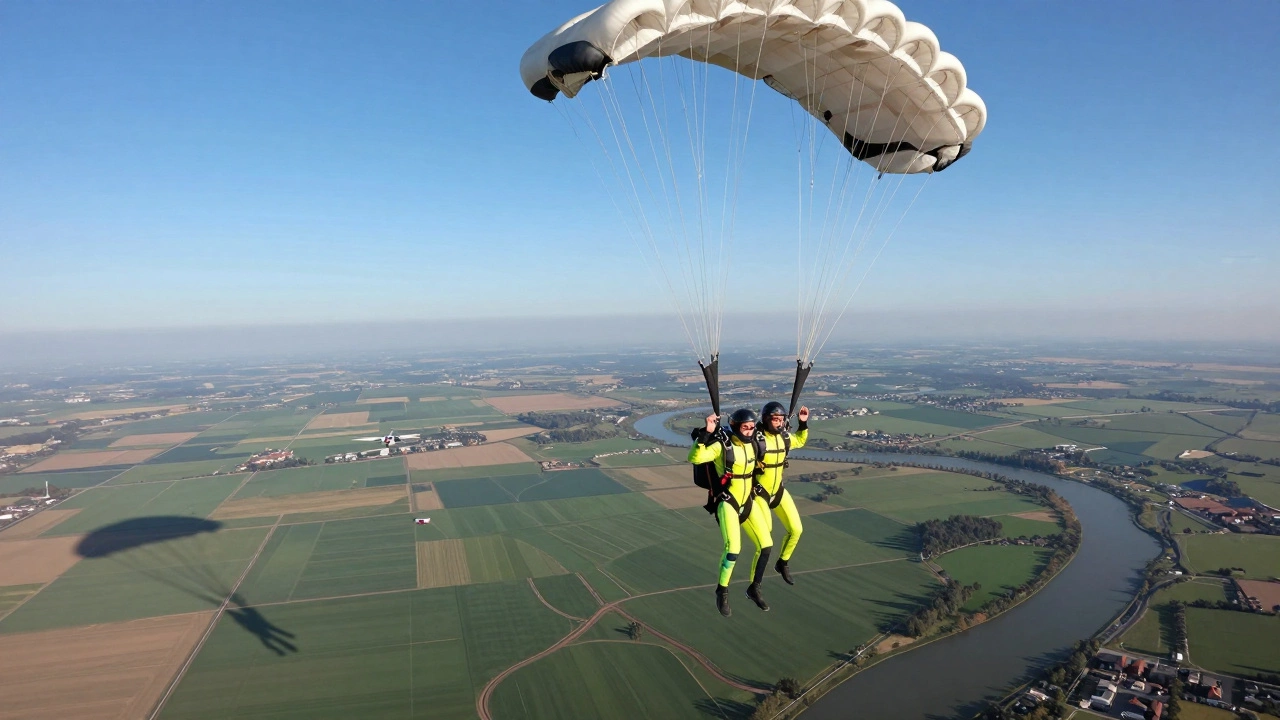
- Skydiving - Jumping from a plane and free-falling before deploying a parachute. Most first-timers do a tandem jump with an instructor. The average drop is around 10,000 to 15,000 feet, giving you about 30 to 60 seconds of free fall.
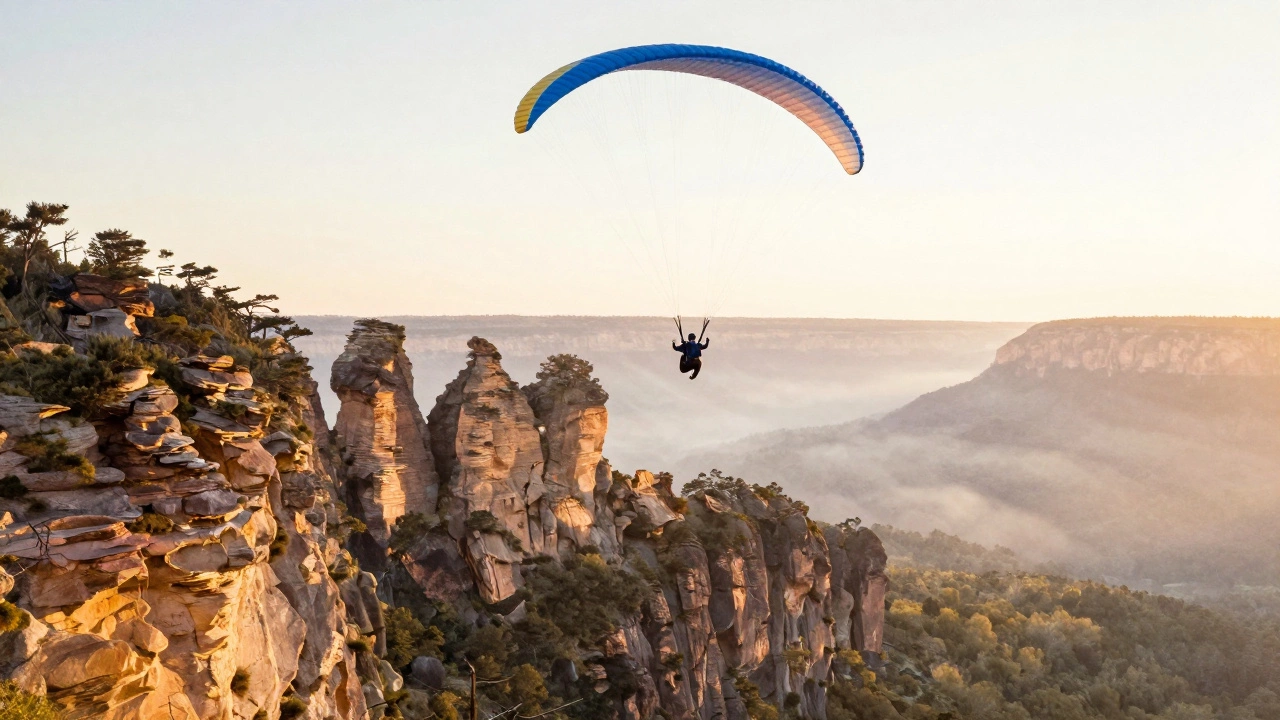
- Paragliding - Soaring through the air using a fabric wing. You launch from a hill or mountain, and the wing catches the wind. No engine. No fuel. Just you, the air, and the landscape below. In places like the Alps or the Blue Mountains near Melbourne, it’s a regular weekend escape.
- Hang Gliding - Similar to paragliding, but you’re suspended in a rigid frame. It’s faster and more responsive, often used by experienced flyers who want more control. Many clubs offer beginner courses with dual-control gliders.
- Kiteboarding - Also called kitesurfing. You stand on a board and use a large kite to pull you across water or land. It’s a mix of surfing, windsurfing, and flying. You can do it on beaches, lakes, or even dry fields with special wheels.
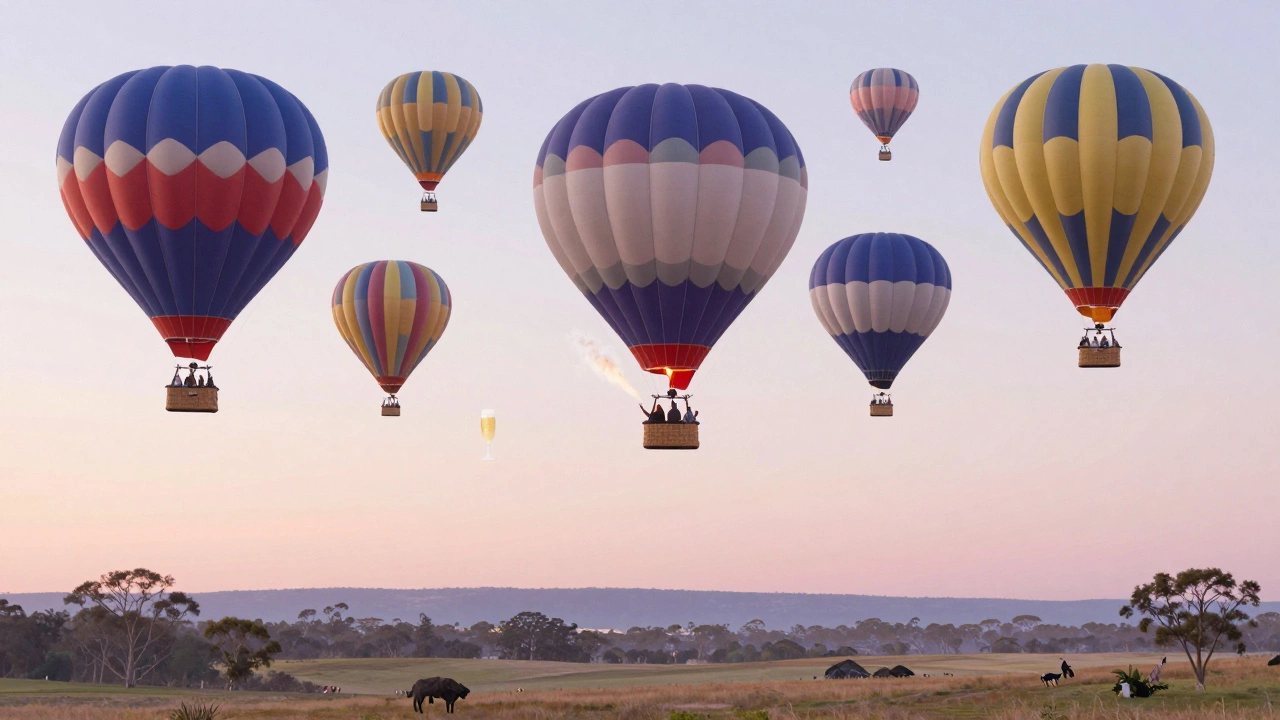
- Hot Air Ballooning - Not as fast or wild as the others, but it’s peaceful. You float slowly above towns, forests, or rivers. Many operators offer sunrise flights with champagne afterward. It’s perfect for couples or photographers.
- Drone Racing - If you’ve ever seen people in goggles zooming drones through obstacle courses, that’s drone racing. It’s grown fast in the last five years. Clubs in Melbourne and Sydney host weekly events, and you can buy a beginner drone for under $200.
Each of these has a community, local clubs, and certified instructors. You don’t need to be an athlete. You just need to be willing to learn and follow safety rules.
Why Do People Love Air Activities?
It’s not just about the rush. People who do air activities talk about three things over and over: perspective, presence, and peace.
Perspective - When you’re floating above a city or valley, you see patterns you never notice on the ground. Roads become lines. Rivers look like veins. Forests turn into green carpets. It changes how you think about space and scale.
Presence - In the air, there’s no room for distraction. Your phone doesn’t work. Your thoughts slow down. All you feel is the wind, the pull of the harness, the sound of the canopy. It’s like meditation with motion.
Pace - Unlike most sports, air activities don’t have timers or scores. You don’t race to win. You fly to feel. That’s why many people say it’s the only time they truly relax.
A 2023 study by the Australian Institute of Sport found that people who tried paragliding or skydiving reported a 40% drop in stress levels within 24 hours - even more than those who did yoga or long walks. It’s not magic. It’s physics and psychology working together.
Getting Started: What You Need
You don’t need to buy a parachute or a glider to try air activities. Most places offer beginner packages that include gear, instruction, and insurance.
Here’s what you’ll typically need:
- Comfortable clothing - No loose jackets or flip-flops. Wear closed shoes and clothes you don’t mind getting dirty.
- Weather awareness - Wind speed matters. Most air activities require 5-20 km/h winds. Too little, and you won’t lift. Too much, and it’s unsafe.
- A certified instructor - Never skip this. Even experienced pilots started with a lesson. Look for operators certified by national bodies like the Civil Aviation Safety Authority (CASA) in Australia.
- A willingness to listen - Air activities are safe when you follow instructions. The most common accidents happen when people ignore basic rules.
Costs vary. A tandem skydive in Australia runs between $300 and $450. A paragliding flight with a pilot starts at $200. Kiteboarding lessons are usually $150 per hour. Many places offer discounts for groups or students.
Common Myths About Air Activities
There’s a lot of misinformation. Here are the biggest myths - and the truth:
- Myth: You need to be in top shape. - Truth: You just need to be healthy enough to walk up a hill. Most skydiving and paragliding operators have weight limits around 110-120 kg, but fitness isn’t the main factor.
- Myth: It’s too dangerous. - Truth: Modern gear and training have made these activities safer than riding a motorcycle. The fatality rate for tandem skydiving is about 1 in 500,000 jumps.
- Myth: You need to be young. - Truth: People in their 70s have gone skydiving. Age isn’t the barrier - health is. If you can climb stairs without gasping, you’re probably fine.
- Myth: It’s only for men. - Truth: Over 40% of new paragliders in Australia are women. The community is welcoming and supportive.
Where to Try Air Activities in Australia
Australia is one of the best places in the world for air activities. We’ve got mountains, coastlines, and wide-open skies.
- Blue Mountains, NSW - Famous for paragliding and hang gliding. Launch sites like Wentworth Falls offer views of the Three Sisters.
- Gold Coast, QLD - Top spot for kiteboarding. The beaches have steady winds and shallow water.
- Melbourne, VIC - Try tandem skydiving over the Yarra Valley or take a hot air balloon ride over the Dandenong Ranges.
- Perth, WA - The Swan River and coastal cliffs are great for paragliding and drone racing.
- Adelaide Hills, SA - One of the quietest places to fly. Perfect for beginners.
Most operators offer pickup from major cities. You don’t need a car.
What to Expect on Your First Flight
If you’ve never done this before, here’s what actually happens:
- You arrive at the location and get fitted with gear - harness, helmet, maybe goggles.
- Your instructor explains the basics: how to stand, how to respond to signals, what to do if something feels off.
- You walk or drive to the launch site. It’s usually a hill or ramp.
- You take a few steps - and suddenly, you’re airborne.
- For the next few minutes, you glide. No engine. No noise. Just wind and sky.
- You land gently, often with a grin you can’t wipe off.
The whole thing takes 2-3 hours. The flight itself lasts 10 to 30 minutes. But the memory? That lasts years.
What Comes After Your First Flight?
Most people don’t stop at one. After your first flight, you’ll likely want to do it again - and maybe even learn to do it on your own.
Many start with a course. A basic paragliding license takes 5-7 days. A skydiving solo certification takes about 8 jumps. Drone racing clubs let you train for free if you bring your own kit.
Some people turn it into a hobby. Others become instructors. A few even compete. But no matter where you go, the community is small, friendly, and full of people who’ll help you out.
Are air activities safe for beginners?
Yes, if you go with a certified operator. Most air activities offer tandem or instructor-led experiences where you’re attached to a trained professional. Modern equipment is highly reliable, and safety standards are strict. The biggest risk isn’t the activity - it’s skipping training or ignoring weather warnings.
Do I need to be physically strong to try air activities?
Not really. You don’t need to lift heavy weights or run marathons. Most activities require basic mobility - like walking up a hill or standing for a few minutes. Some, like kiteboarding, use your body weight and balance more than strength. If you can handle a brisk walk or climb stairs without getting winded, you’re likely fine.
Can children participate in air activities?
Some yes, some no. Paragliding and hot air ballooning often allow kids as young as 8 with parental consent and a proper harness. Skydiving usually requires you to be 16 or older. Drone racing has youth leagues for kids 10+. Always check with the operator - rules vary by location and activity.
What’s the best time of year to try air activities in Australia?
Spring (September to November) and autumn (March to May) are ideal. The winds are steady, the weather is mild, and the skies are clear. Summer can be too hot or stormy. Winter works in some places, like the Blue Mountains, but mornings are often foggy. Always check local forecasts before booking.
How much does it cost to start?
You can try a tandem skydive for $300-$450 or a paragliding flight for $200. If you want to learn, a full beginner course in paragliding costs around $1,500-$2,000, which includes gear rental and certification. Kiteboarding lessons start at $150 per hour. Many places offer group discounts or package deals.
What’s Next?
If you’ve read this far, you’re already thinking about it. And that’s the first step.
Don’t wait for the perfect day. Don’t wait until you’re ‘ready.’ The best time to try an air activity is now - on a day when the wind is blowing, the sky is clear, and you’re feeling curious. Book a tandem flight. Sign up for a lesson. Watch the sunrise from a balloon. Just get up there.
The ground will still be there when you come back. But the sky? It’s waiting for you to fly.