
Party Type Finder
Your Party Type
People throw parties for almost every reason under the sun. Some are quiet, some are wild, and others are so specific you’d need a cheat sheet just to know what to wear. But if you’ve ever stood in a room full of strangers wondering, is this even a real party?, you’re not alone. The truth is, there’s no single definition of a party. What counts as one depends on culture, purpose, timing, and who’s showing up.
House Parties
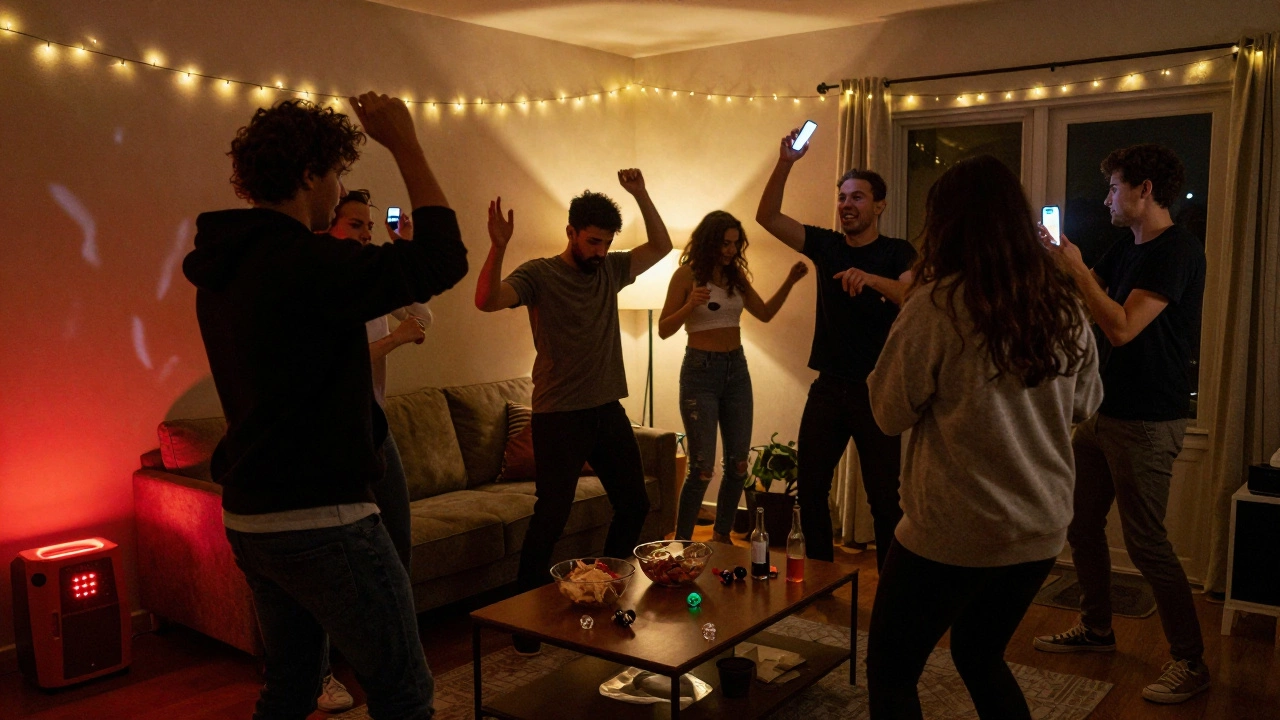
House parties are the original social glue. Someone opens their front door, cranks up the music, and suddenly the living room turns into a dance floor. No tickets, no bouncers, no fancy invites-just friends, snacks, and maybe a questionable karaoke machine. These are the most common type of party in neighborhoods, college dorms, and suburbs. They’re low-cost, flexible, and personal. You might show up in sweatpants and leave in a hoodie you borrowed from someone’s closet. The vibe is casual, loud, and unpredictable. A house party doesn’t need a theme. Sometimes, the only rule is: don’t break anything.
Themed Parties
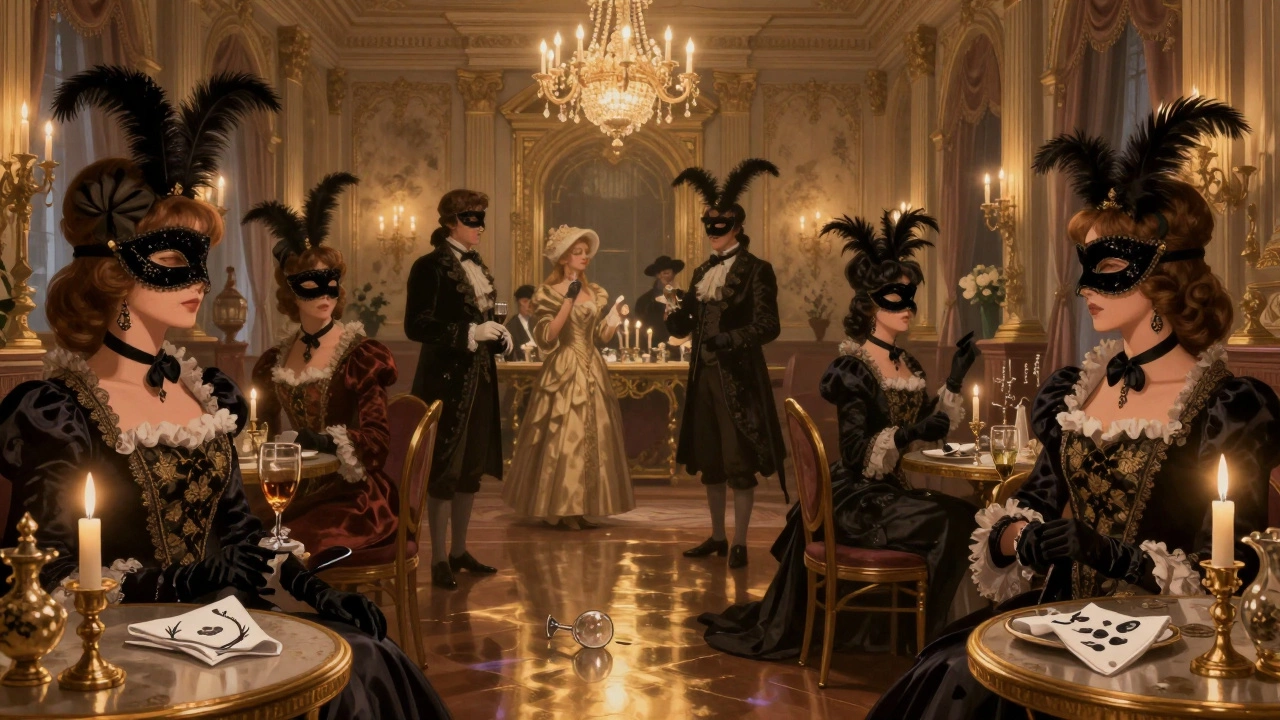
Themed parties turn ordinary gatherings into immersive experiences. Think 80s retro night with leg warmers and neon, or a masquerade ball with velvet masks and candlelight. These parties rely on costumes, decor, music, and even food that match the theme. They’re popular for birthdays, anniversaries, and holidays like Halloween. The key to a good themed party? Consistency. If you’re doing a 1920s Gatsby party, the napkins should look like pocket squares, not paper towels. People show up because they want to step into another world-even if it’s just for a few hours. A poorly executed theme (like a "tropical luau" with plastic pineapples and a Bluetooth speaker playing dubstep) can kill the vibe fast.
Networking Parties
These aren’t about dancing or drinking too much. Networking parties are business events in disguise. You’ll find them at co-working spaces, industry conferences, or upscale hotel lounges. The goal? Make connections. Handshakes replace hugs. Business cards replace selfies. Conversation starters are rehearsed: “What’s your role?”, “How did you get into this field?”. These parties are polite, structured, and often have hors d’oeuvres on silver trays. You might leave with three new LinkedIn connections and zero real friendships. But if you’re trying to grow your career, they’re necessary. The trick? Be helpful, not pushy. People remember who listened more than who pitched.
Wedding Receptions
Wedding receptions are parties with a ceremony attached. They’re usually the biggest, most expensive, and most emotionally charged gatherings most people ever attend. They follow a strict script: first dance, toasts, cake cutting, bouquet toss. But underneath the tradition, they’re still parties. People dance, laugh, cry, and sneak extra dessert. The vibe shifts depending on culture and budget. A small family wedding in Melbourne might be a backyard BBQ with lawn games. A luxury reception in Bali could have fire dancers and a live string quartet. No matter the scale, the core purpose stays the same: celebrate love with the people who matter.
Graduation Parties
Graduation parties mark a milestone-high school, college, or even a trade certificate. They’re often hosted by parents or close family. The mood is proud, nostalgic, and sometimes a little bittersweet. You’ll see photo slideshows of childhood, handwritten notes from teachers, and lots of hugs. Food tends to be comfort-heavy: pizza, burgers, cupcakes. The music? A mix of pop hits from the graduate’s teen years and a few throwback jams the parents still know the words to. These parties aren’t about partying hard-they’re about saying goodbye to one chapter and cheering on the next.
Baby Showers
Baby showers are celebrations for expectant parents, usually hosted by a close friend or family member. Traditionally, they’re for the mother-to-be, but more and more, partners are included. Guests bring gifts-onesies, diapers, baby books-and play games like “Guess the Baby Food” or “Diaper Pin Relay.” The decor is soft, pastel, and full of tiny socks. These events are warm, emotional, and often surprisingly deep. Conversations turn from silly games to real talk about sleepless nights, postpartum anxiety, and what it means to become a parent. It’s less about the cake and more about the community showing up.
Birthday Parties
Birthday parties come in every size and shape. There’s the five-year-old’s dinosaur-themed bash with face painting and piñatas. There’s the 30th birthday with a rooftop bar and champagne toast. And then there’s the 70th-quiet, intimate, with a single cake and a playlist of songs from their youth. Birthdays are personal. They reflect who you are, who you’ve become, and who you want to spend time with. Some people want crowds. Others want silence. The best birthday parties honor the guest of honor’s personality, not society’s expectations. A party for someone who hates attention? A quiet dinner with three close friends. A party for someone who loves the spotlight? A karaoke night with 50 people screaming along to Queen.
Holiday Parties
Holiday parties are tied to cultural or religious events. Christmas, Diwali, Eid, Hanukkah, Lunar New Year-they all come with their own traditions, foods, and ways of gathering. These parties are about connection, ritual, and shared meaning. A Christmas party might include caroling and hot cocoa. A Diwali gathering could feature oil lamps, henna art, and sweet ladoos. These aren’t just social events-they’re acts of cultural preservation. They remind people where they come from, even if they live halfway across the world. In Melbourne, you’ll find Diwali parties in Carlton, Christmas markets in Queen Victoria Market, and Lunar New Year parades in Chinatown. The best holiday parties blend tradition with modern life.
Funeral Receptions
Funeral receptions are the quietest, most meaningful kind of party. They happen after a service, often in a community hall, church basement, or someone’s home. There’s no music, no dancing, no confetti. Instead, there’s tea, sandwiches, and stories. People share memories: “Remember when he tried to fix the lawn mower and blew up the garage?” or “She always brought extra cookies to every potluck.” These gatherings aren’t about celebration in the traditional sense. They’re about holding space for grief and honoring a life. They’re healing. And sometimes, the most powerful parties are the ones where you don’t need to say anything at all.
College Parties
College parties are a whole different ecosystem. They happen in dorm rooms, off-campus apartments, or rented halls. They’re loud, messy, and often unplanned. A party might start with a text: “Anyone up for pizza at 11?” and end with someone sleeping on a beanbag at 4 a.m. These aren’t about status or style-they’re about belonging. In a new city, away from home, college parties are how people find their tribe. The drinks might be cheap, the music might be terrible, but the connections? Real. These parties don’t need invitations. They need energy.
Workplace Parties
Workplace parties are awkward by design. They’re meant to build team spirit, but they often feel forced. Think Christmas parties with karaoke, summer BBQs with HR-approved games, or “team-building” escape rooms. The food is catered, the music is corporate-safe, and the conversations are carefully neutral. You’ll hear things like, “How’s your vacation going?” instead of “How’s your breakup?” The goal is to humanize coworkers-but sometimes, it just makes everyone more self-conscious. The best workplace parties let people be themselves. Skip the icebreakers. Play the music they actually like. Let the awkwardness breathe.
Pool Parties
Pool parties are the summer staple in warm climates. In Melbourne, they pop up in late October and run through March. They’re casual, sun-soaked, and usually involve floaties, sunscreen, and water guns. The music is upbeat. The drinks are fruity. The dress code? Swimwear and towels. These parties are easy to throw-just turn on the hose, set out some snacks, and let the kids run wild. Adults might chat under umbrellas or play volleyball. The best pool parties don’t need a theme. They just need good weather and a big enough pool.
Art Gallery Openings
Art gallery openings are parties for people who don’t like parties. They’re quiet, elegant, and full of people pretending to understand abstract paintings. There’s wine, cheese, and lots of nodding. Conversations are short and cryptic: “The texture really speaks to the colonial trauma,” or “I love how the negative space challenges perception.” You might not know who the artist is, but you’ll nod anyway. These events are social rituals for creatives, collectors, and culture lovers. They’re not about dancing. They’re about being seen as someone who gets it.
Book Club Gatherings
Book club parties are quiet, thoughtful, and surprisingly intense. They happen in living rooms, cafes, or libraries. There’s tea, cookies, and a lot of talking. People argue about characters, question endings, and admit they skipped half the book. These gatherings aren’t about drinking or dancing-they’re about connection through stories. You’ll hear things like, “I cried when she left,” or “I thought he was lying the whole time.” These parties build deep friendships. They’re the kind where you leave feeling understood, even if you didn’t say much.
Game Nights
Game nights are parties where the games are the stars. Board games, card games, trivia, escape room kits, or even video game tournaments. These are for people who don’t need loud music to have fun. You might play Codenames until 2 a.m., or team up for a 10-hour D&D campaign. The vibe is focused, playful, and competitive. There’s laughter, groans, and lots of “I can’t believe you did that!” These parties are great for introverts. You don’t have to talk much-you just have to roll the dice.
Outdoor Picnic Parties
Picnic parties are the antidote to screens and city noise. They happen in parks, beaches, or botanical gardens. Blankets, baskets, and sunscreen are mandatory. You might bring sandwiches, fruit, cheese, and a bottle of sparkling water. The music is low-maybe a Bluetooth speaker playing indie folk. Kids run around. Dogs chase balls. Adults nap in the shade. These parties are slow. They’re about sunshine, fresh air, and quiet conversations. No one checks their phone. No one rushes. You leave with sun-kissed skin and a full heart.
Virtual Parties
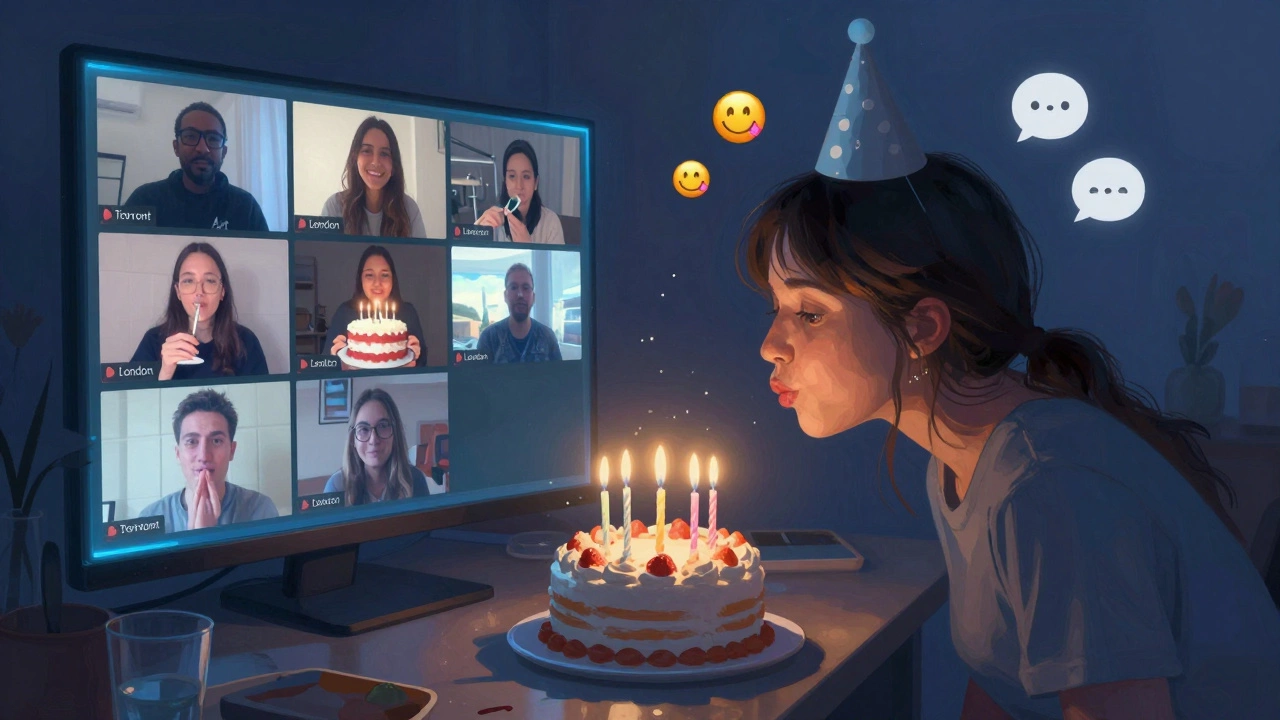
Virtual parties became normal during the pandemic-and they’re not going away. Zoom birthdays, Discord game nights, Instagram Live karaoke-they’re how people stay connected across time zones. You might celebrate a friend’s birthday while they’re in Toronto and you’re in Melbourne. You’ll eat your own cake while watching them blow out theirs on screen. These parties are imperfect. Audio cuts out. Someone forgets to unmute. But they’re real. They’re the new way to show up for people who live far away. The best virtual parties have a theme, a playlist, and a shared activity-like watching the same movie at the same time.
Why the Type of Party Matters
Not all parties are made equal. The type of party you throw-or attend-tells you something about the people involved. A house party says: we trust each other enough to be messy. A networking party says: we’re here to grow, not just to have fun. A funeral reception says: we’re holding each other together. Understanding the type of party helps you show up the right way. Wear the right clothes. Bring the right gift. Say the right thing. Or don’t say anything at all. Sometimes, that’s the most powerful thing you can do.