
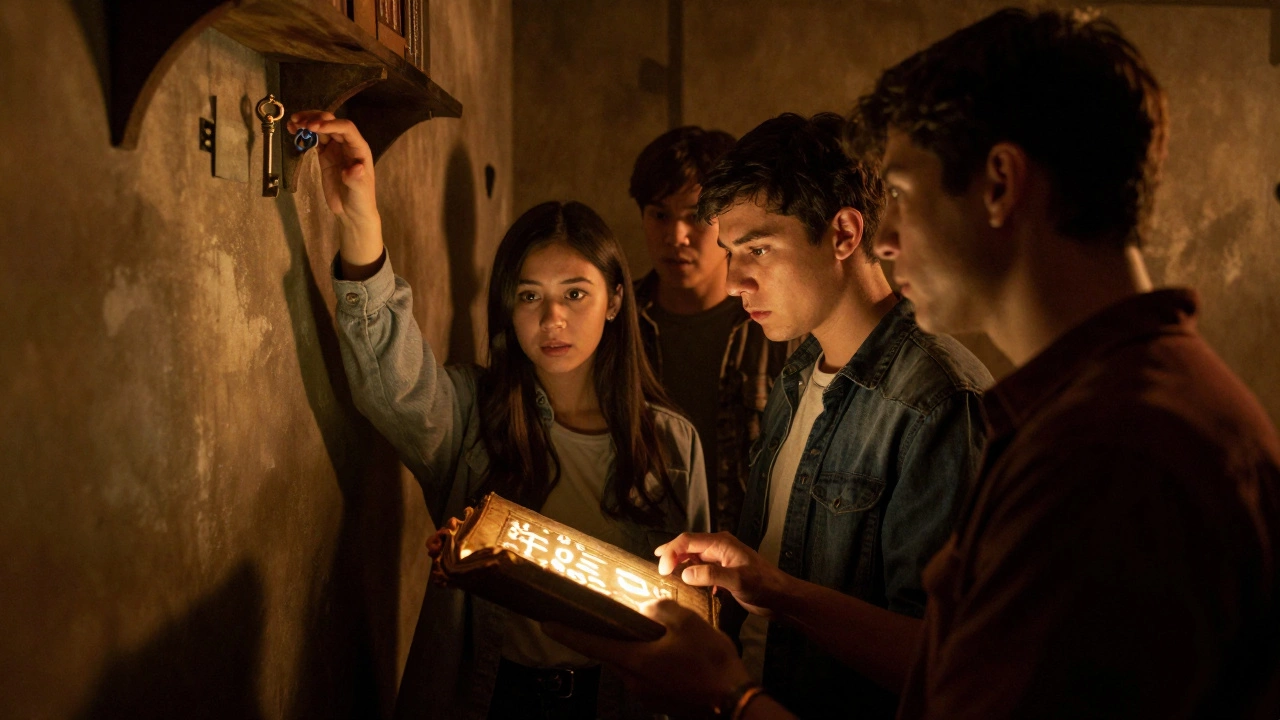
You’ve got 60 minutes. The door locks behind you. The clock starts ticking. You’re sweating over a cryptic symbol, your teammate is twisting a key in a lock that won’t budge, and the air feels heavier with every passing second. You’re not solving it. You’re failing. And now you’re wondering - what happens if you fail an escape room?
Failure isn’t the end - it’s part of the game
Most people assume failing an escape room means embarrassment, disappointment, or even shame. But that’s not how escape rooms work. They’re not tests of intelligence. They’re designed experiences. And like any good story, they need a beginning, a middle, and an ending - even if the ending isn’t a win. In Melbourne, escape rooms like Escape Room Melbourne and a themed puzzle-based attraction where groups solve clues to unlock doors within a time limit are built with failure in mind. Operators know most groups don’t escape. In fact, industry data shows that between 60% and 75% of teams don’t solve the final puzzle in time. That’s not a flaw - it’s the design. The tension, the rush, the shared frustration - that’s what people pay for.What actually happens when you don’t escape
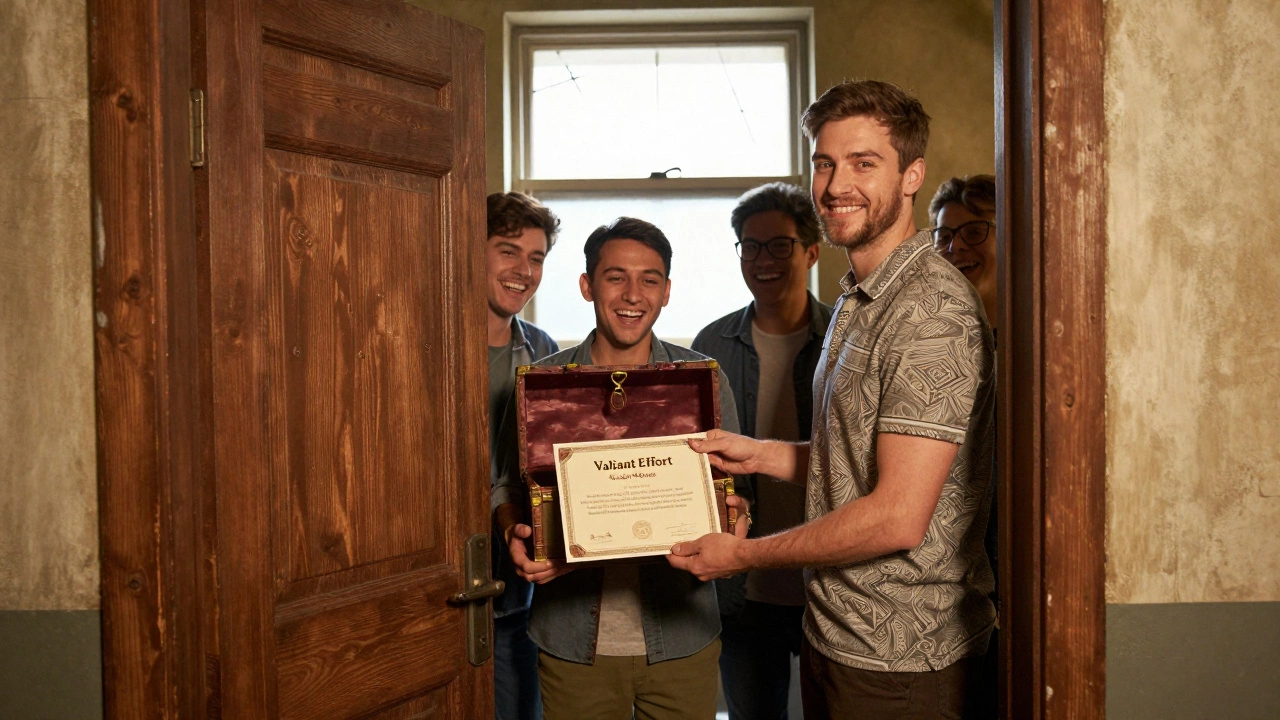
You don’t get kicked out. You don’t get laughed at. You don’t get a score posted online. Here’s what really happens:- The game master opens the door. They smile. They say, “Nice try.”
- You get a quick debrief - usually 5 to 10 minutes - where they walk you through the clues you missed and why they worked the way they did.
- You might get a photo with the room’s theme prop - maybe holding the fake treasure you almost found.
- You’re handed a printed “certificate” that says something like “Valiant Effort” or “Almost Free.” Some places even give you a discount for your next try.
Why you didn’t escape - and what it really means
You didn’t fail because you’re bad at puzzles. You didn’t fail because you’re not smart enough. You didn’t escape because:- The clues were hidden in plain sight, and you overthought them.
- One person grabbed the puzzle and refused to let others help - classic “hero complex.”
- You spent 15 minutes on a red herring that had nothing to do with the solution.
- You missed a sound cue - a faint hum, a whispering voice, a ticking clock that was actually part of the mechanism.
What to do after you fail
After your session ends, you’ll probably feel a weird mix of frustration and adrenaline. That’s normal. Here’s how to turn it into something useful:- Don’t blame anyone. Failing together is part of the bonding experience. Say it out loud: “We were close.”
- Ask for the solution walkthrough. Most places offer it. Pay attention - you’ll learn more from seeing how the puzzle works than from solving it yourself.
- Write down one thing you wish you’d done differently. Was it asking for a hint sooner? Splitting up to check more areas? That’s your next escape room strategy.
- Try again. Many places let you book a second room at a discount. Go back the next week with a new team. You’ll notice things you missed the first time.
It’s not about winning - it’s about the story you tell
Think about your favorite movies. The heroes don’t always win. But they always grow. Escape rooms are the same. The group that fails but laughs about how they tried to open a book with a hammer? That’s the group that becomes closer. The team that argued over a cipher but then realized the answer was in the painting they ignored? That’s the team that remembers the night for years. You won’t remember the room you escaped. You’ll remember the room you almost escaped. The one where you felt the clock ticking, your heart racing, and your friends leaning in together - not to win, but to try.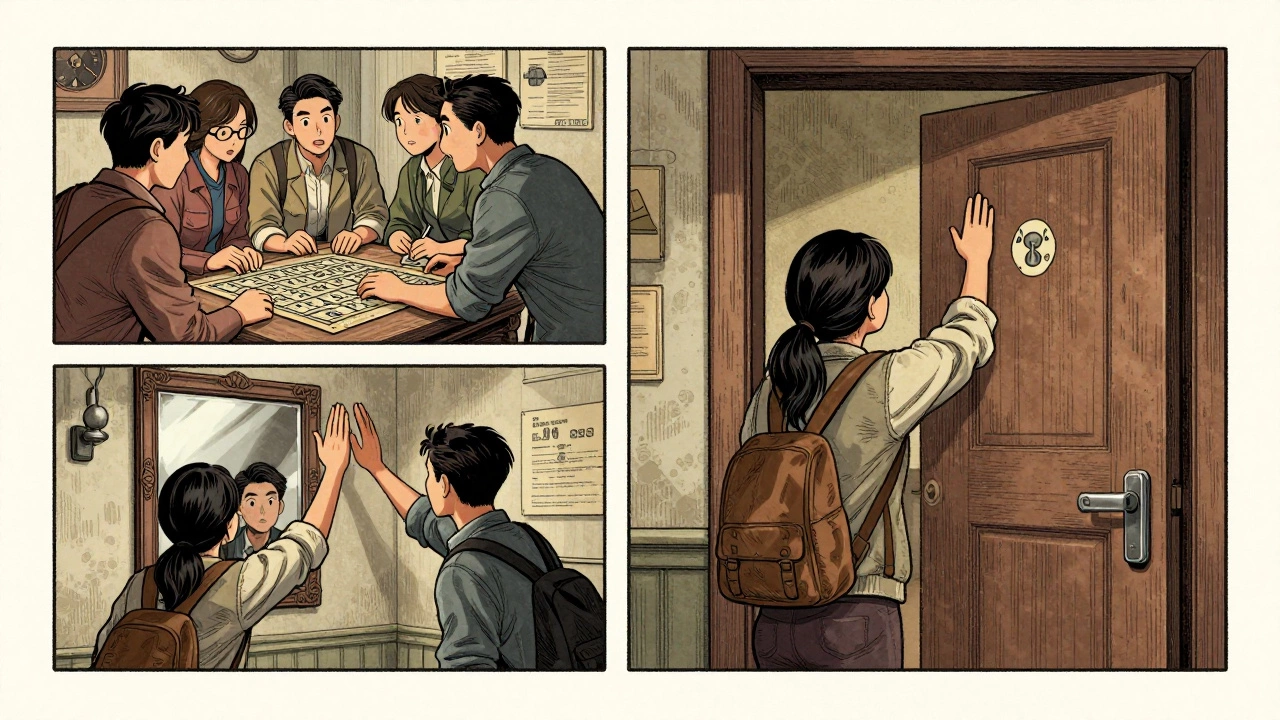
What escape rooms teach you about real life
Escape rooms are mirrors. They show how you handle pressure, how you communicate under stress, how you respond when things don’t go your way. In real life, you won’t always solve the problem. You won’t always get the promotion, the deal, the relationship. But you’ll still show up. You’ll still try. You’ll still work with the people around you. An escape room is just 60 minutes. But what you learn in those 60 minutes? That sticks.Final thought: You didn’t fail. You played.
So what if you fail an escape room? You walked into a locked room. You looked for clues. You worked with others. You didn’t give up. You tried. That’s not failure. That’s the whole point.Do escape room operators judge you if you don’t escape?
No. Game masters are trained to be encouraging, not critical. They’ve seen hundreds of teams. Most don’t escape. They’re there to make the experience fun, not to grade you. If they say “Nice try,” they mean it.
Is it embarrassing to fail an escape room?
Only if you make it that way. No one outside your group knows your result. There’s no public scoreboard. Even your friends won’t remember your failure - they’ll remember how you laughed when you tried to unlock a door with a rubber chicken.
Can you get a hint if you’re stuck?
Yes. Most escape rooms have a hint system. You can ask for one via intercom or button. Some places limit hints to three, others let you ask freely. Using a hint isn’t cheating - it’s part of the strategy. Teams that ask for help early often escape faster than those who waste time spinning their wheels.
Do escape rooms get harder if you’ve failed before?
No. Rooms are designed with fixed difficulty levels - easy, medium, hard. Your past performance doesn’t change the puzzle. But if you’ve played before, you’ll notice patterns. You’ll know where to look for clues. You’ll be better at teamwork. That’s why many people escape on their second or third try.
Are there escape rooms made for beginners?
Yes. Many venues offer “beginner-friendly” rooms with simpler puzzles, clearer clues, and more hints. Look for rooms labeled “family-friendly” or “low stress.” These are perfect if you’ve never done one before - or if you just want to enjoy the story without the pressure.
If you’re in Melbourne and want to try again, check out The Locked Door and a popular escape room venue in the CBD with themed rooms based on spy missions and horror stories or Escape Melbourne and a venue known for immersive sets and interactive elements like hidden panels and moving walls. Both offer post-game debriefs and discounts for return players.