
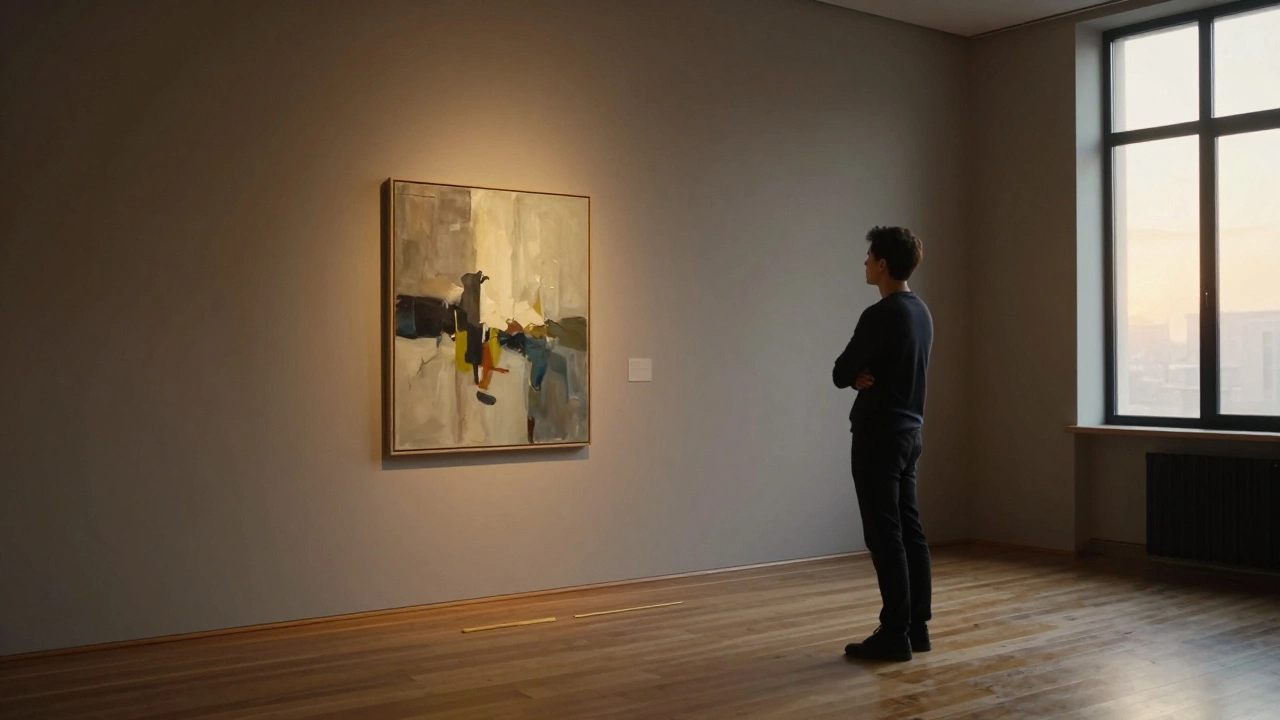
Art Exhibition Experience Quiz
1. What is the main purpose of an art exhibition?
Select the most accurate description.
2. According to the article, how should you engage with art in an exhibition?
Select the best practice.
3. What is the difference between a gallery and an exhibition?
Choose the correct statement.
4. Why are art exhibitions important beyond being for art lovers?
Select the best reason.
5. What should you do if you feel overwhelmed during an exhibition?
Select the best approach.
An art exhibition is more than just a room full of paintings on the wall. It’s a carefully planned experience where artists, curators, and spaces come together to tell a story through visual work. Whether it’s a single sculpture in a quiet corner or hundreds of pieces filling a massive gallery, an art exhibition invites you to see the world differently - if you’re willing to look.
What Happens in an Art Exhibition?
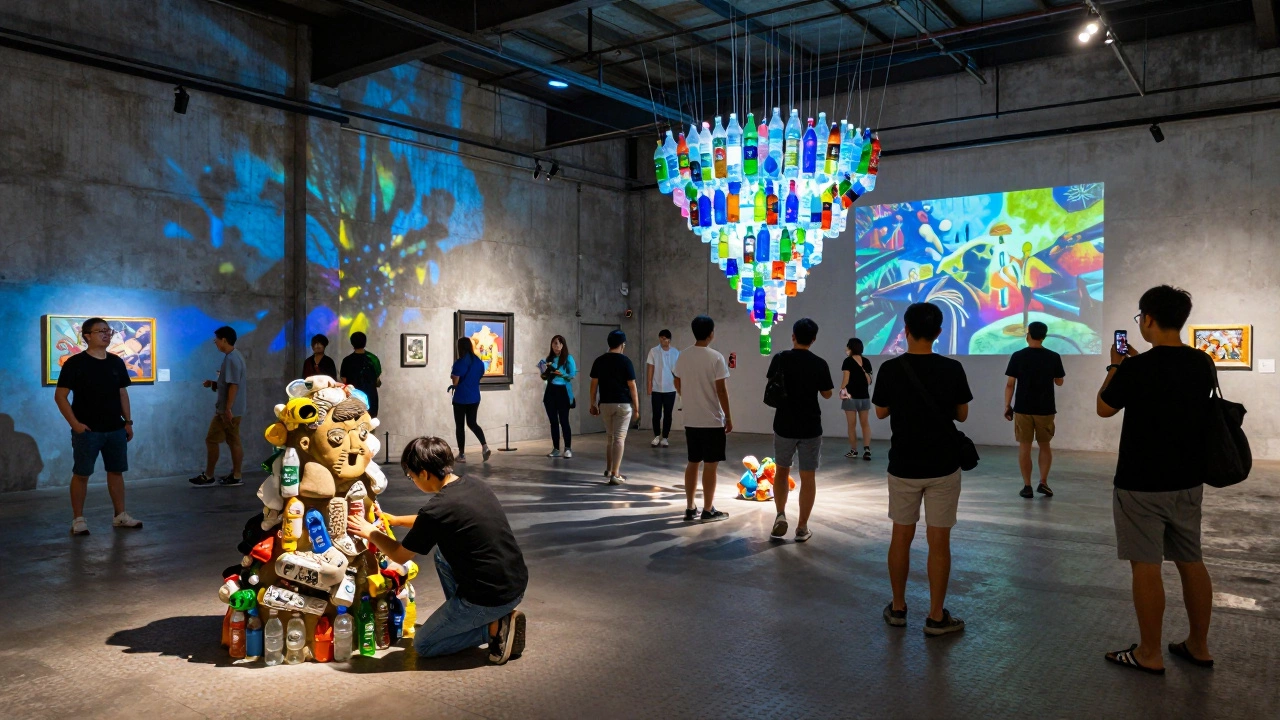
At its core, an art exhibition is a collection of artworks displayed publicly for viewers to experience. These works can include paintings, sculptures, photographs, videos, installations, digital art, textiles, and even performance pieces recorded on film. The goal isn’t just to hang things up - it’s to create a conversation. Curators choose what goes in, how it’s arranged, and what context surrounds it. They might group pieces by theme - like climate change, identity, or memory - or by artist, movement, or time period.
Think of it like a playlist, but instead of songs, you’re listening with your eyes. A single painting might feel quiet on its own. But placed next to a series of photographs showing the same subject from different angles, it starts to speak louder. That’s the power of curation.
Where Do Art Exhibitions Happen?
You don’t need a fancy museum to see an art exhibition. They happen everywhere:
- Museums like the National Gallery of Victoria in Melbourne or the Tate Modern in London host large, long-running shows, often with historical depth.
- Commercial galleries represent living artists and typically feature rotating exhibitions every 4-6 weeks. These are where you’ll find emerging talent and new styles.
- Public spaces - train stations, libraries, even cafes - sometimes turn walls into temporary galleries. In Melbourne, you’ll find pop-up shows in laneways or under bridges.
- Online exhibitions became common after 2020. Many galleries now offer virtual tours with high-res images, audio guides, and artist interviews you can access from your phone.
Each location shapes the experience. A museum feels formal and permanent. A pop-up in a warehouse feels raw and urgent. Both are valid. Both matter.
Who Puts Together an Art Exhibition?
Behind every exhibition is a team. The artist creates the work, but someone else decides how it’s seen.
- Curators are the storytellers. They research, select, and arrange pieces. They write labels, design layouts, and sometimes even commission new work.
- Art handlers move the art safely. Many pieces are fragile, heavy, or require climate control. One wrong move can damage something worth millions.
- Designers plan lighting, spacing, and flow. Too much light kills a delicate watercolor. Too little, and you can’t see anything.
- Educators create programs - talks, workshops, family activities - to help people connect with the art.
It’s not just about hanging art. It’s about making sure people can understand it, feel it, and maybe even change how they think because of it.
What’s the Difference Between an Exhibition and a Gallery?
This one trips people up. A gallery is a place - a building or room where art is shown. An exhibition is the event itself - the specific set of artworks on display at a given time.
Think of it like this: A bookstore is a gallery. A book launch party with readings, signings, and themed displays is the exhibition. One is the space. The other is the story being told inside it.
Some galleries, like commercial ones, host many exhibitions a year. Others, like museums, might have one major exhibition running for six months.
Why Do Art Exhibitions Matter?
They’re not just for art lovers. They’re for anyone curious about culture, history, or human emotion.
Art exhibitions preserve moments. A painting from 1890 might show what people wore, how they lived, what they feared. A video installation from 2024 might capture the anxiety of digital overload. These aren’t just decorations - they’re records of our time.
They also give voice to people who aren’t often heard. Indigenous artists, refugees, queer communities - exhibitions can spotlight perspectives that mainstream media ignores. In 2023, the Biennale of Sydney featured over 80 artists from the Pacific, many of whom had never shown work in a major international venue before.
And then there’s the personal side. People come to exhibitions to feel less alone. A photo of a lonely street at night might mirror your own experience. A sculpture made from recycled plastic might make you rethink your habits. Art doesn’t always shout. Sometimes, it whispers - and that’s when it hits hardest.
How Do You Get the Most Out of an Art Exhibition?
You don’t need to know art history to enjoy one. But a few simple habits help:
- Slow down. Spend at least 2 minutes with each piece. Look at the details - brushstrokes, textures, colors, cracks.
- Ask yourself: What do I feel when I look at this? Does it make me curious, uncomfortable, calm, or angry? There’s no right answer.
- Read the label. It’s not a quiz. It’s a clue. The title, date, materials, and artist’s note often reveal more than you think.
- Don’t rush the whole show. If you’re tired, sit down. Rest. Come back later. Art isn’t a race.
- Visit more than once. The first time, you notice the big things. The second time, you notice the small ones.
Many exhibitions offer free guided tours on weekends. These aren’t lectures - they’re conversations. Someone will point out something you’d never have noticed on your own.
What’s the Future of Art Exhibitions?
Technology is changing how we experience art. Augmented reality apps let you see how a sculpture looked in its original setting. AI-generated audio tours adapt to your mood. Some exhibitions now include scent stations - the smell of saltwater beside a coastal painting, or smoke beside a piece about wildfires.
But the most important change? Accessibility. More exhibitions now offer tactile models for blind visitors, sign language tours, quiet hours for neurodivergent guests, and free entry for students. In 2025, the Melbourne Art Foundation launched a program where every public exhibition must include at least one access feature - no exceptions.
Art exhibitions aren’t becoming more high-tech. They’re becoming more human.
Where to Start If You’ve Never Been?
If you’ve never stepped into an art exhibition, start small. Don’t aim for the big museums first. Look for:
- A local library with a rotating wall display
- A community center hosting student art
- A pop-up in a café or bookstore
- A free weekend opening at a small gallery
These are less intimidating. The staff are usually happy to chat. You don’t need to say anything smart. Just say, “I’m not sure what to think about this.” That’s a perfect start.
Art exhibitions aren’t about knowing the right answer. They’re about asking the right question - and being okay with not having one.