
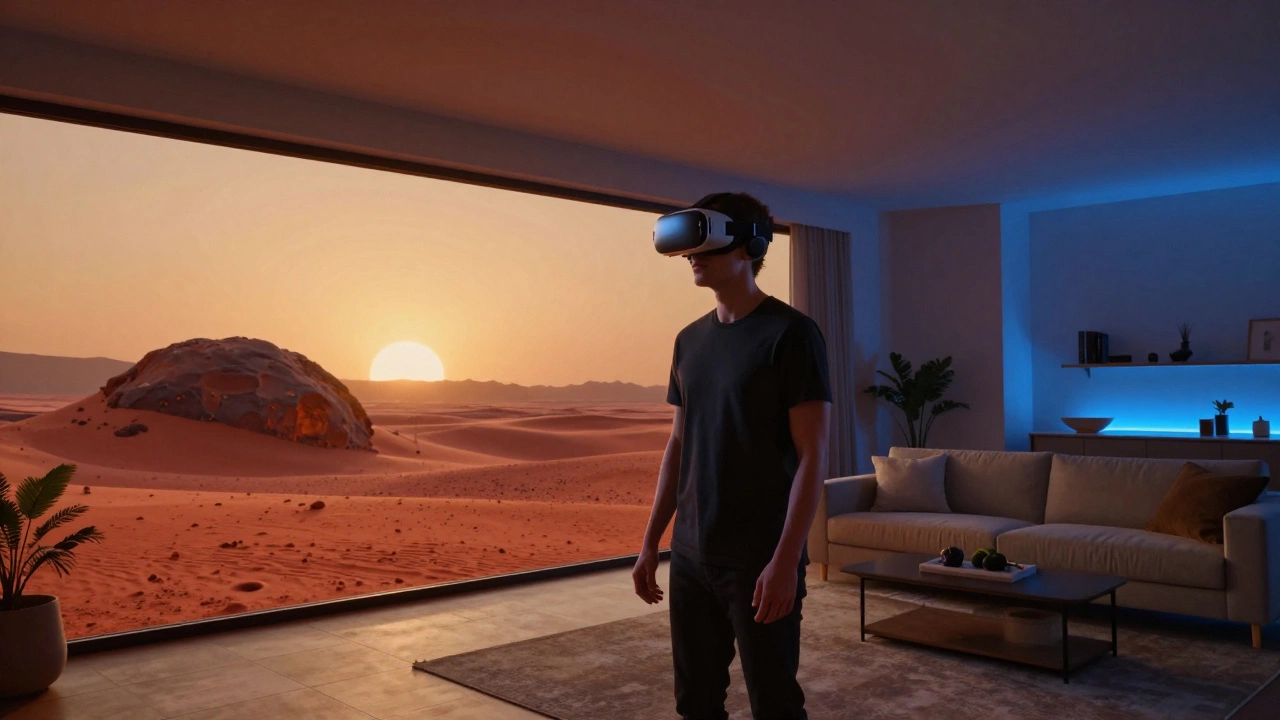
VR Value Simulator: From Gaming to Utility
Explore a VR Use Case
Select a sector to see how VR replaces traditional limitations
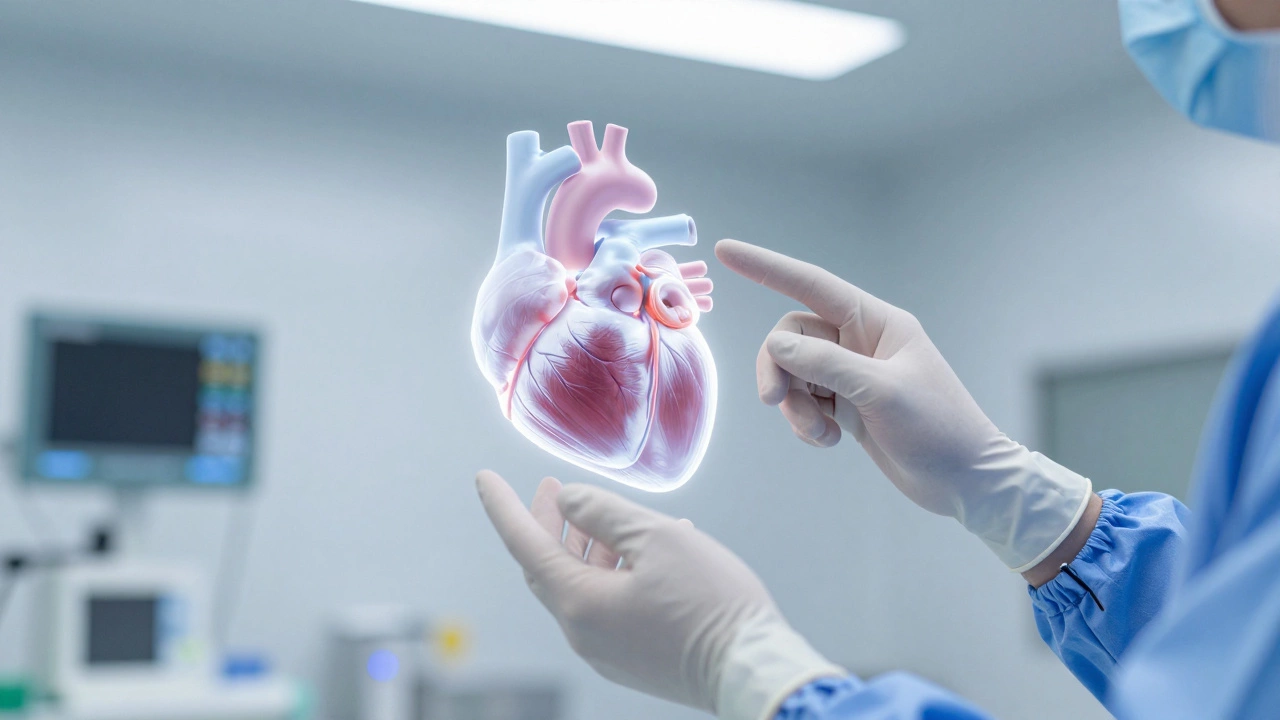
Practicing on cadavers or observing live surgeries. High risk if errors occur during the first real operation.
Precision Simulation
Repeat a specific artery bypass 20 times until muscle memory is perfect without any patient risk.
Textbooks and 2D flight manuals. Limited exposure to emergency scenarios until actual flight.
Flight Simulation
Experience engine failures and extreme weather in a 360-degree environment. Crash and reset instantly.
Reviewing 2D blueprints and sketches. Clients guess the feel of the space.
Spatial Walkthroughs
Walk through a future home before a single brick is laid. Identify narrow hallways in real-time.
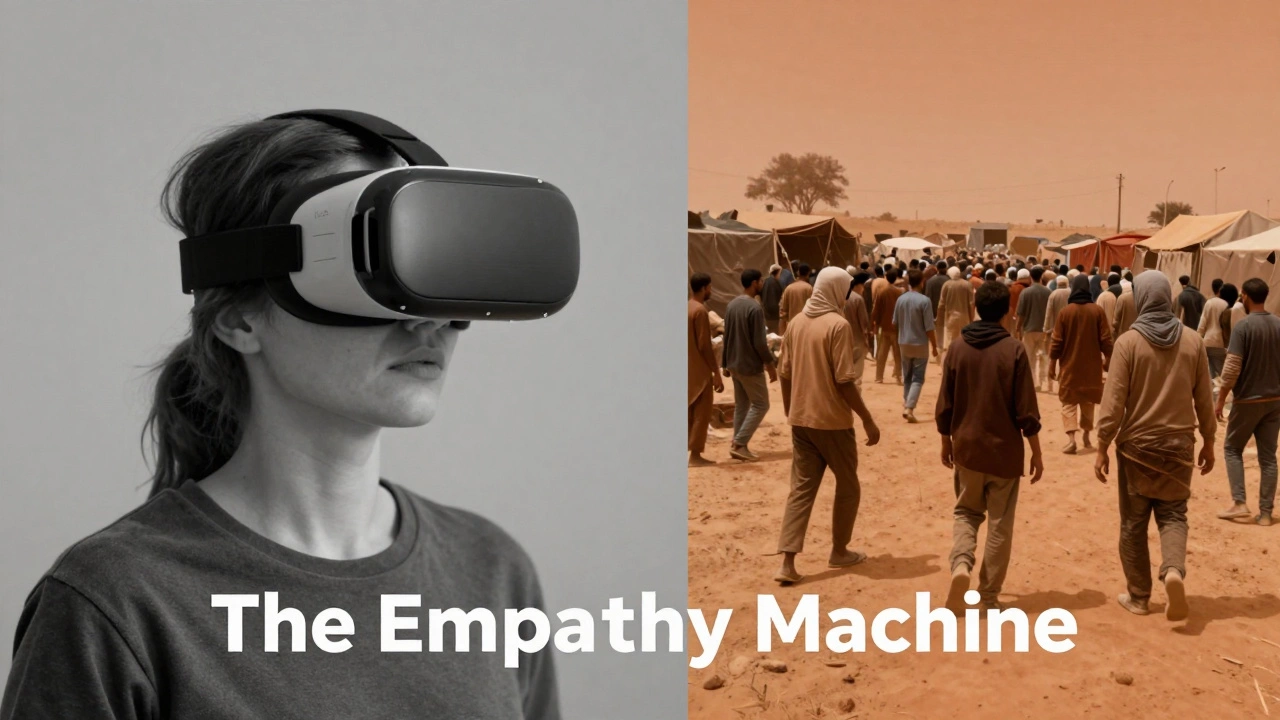
Reading news reports or watching documentaries about others' struggles.
The Empathy Machine
Simulate the claustrophobia of a refugee camp or the confusion of dementia from a first-person view.
Key Takeaways
- VR replaces a flat screen with a 360-degree environment to trigger "presence."
- It's a powerhouse for high-stakes training where mistakes don't cost lives.
- It enables empathy and accessibility by letting people experience different perspectives.
- The technology is shifting from niche gaming to practical tools in medicine and engineering.
The Magic of Presence and Immersion
The core "point" of VR is a psychological state called presence. When you look at a TV, you know you're watching a box. When you put on a VR Headset, your brain starts to believe you are actually somewhere else. This happens because VR tricks your sensory system through stereoscopic display and head tracking.
Why does this matter? Because humans learn by doing, not by reading. If you read a book about public speaking, you might understand the theory. But if you stand in a virtual auditorium with 5,000 simulated people staring at you, your heart will actually race. You are practicing the emotional response, not just the intellectual one. This is why virtual reality is so much more effective than a standard video tutorial.
Training Without the Danger
In the professional world, the point of VR is risk mitigation. Think about flight simulators. For decades, Flight Simulation has been the gold standard for pilots because crashing a virtual plane costs zero dollars and zero lives. Now, that same logic is hitting other industries.
In healthcare, surgeons use VR to practice rare procedures. A study by the University of California found that surgeons trained in VR made significantly fewer errors during actual operations compared to those who used traditional methods. Instead of practicing on a cadaver or a live patient, they can repeat a specific artery bypass twenty times until the muscle memory is perfect. The value here is clear: it removes the "learning curve" from the operating table.
| Feature | Traditional (Books/Video) | Virtual Reality (VR) |
|---|---|---|
| Retention Rate | Low to Medium | High (Experiential) |
| Safety | High (Passive) | High (Active Simulation) |
| Cost of Error | Low (Wrong answer) | Zero (Reset simulation) |
| Emotional Engagement | Low | Extreme (Fight/Flight response) |
Solving the Problem of Distance and Accessibility
VR is also about breaking physical barriers. We've all used Zoom, but video calls are exhausting because they lack spatial context. This is where Spatial Computing comes in. Instead of a grid of faces, you're in a shared room. You can walk over to a colleague, point at a 3D model of a building, and discuss changes in real-time.
This is a game-changer for architecture and engineering. Instead of looking at a 2D blueprint, a client can walk through their future home before a single brick is laid. They can realize a hallway is too narrow or a window is in the wrong place, saving thousands of dollars in reconstruction costs. It turns the design process into a collaborative experience rather than a guessing game based on sketches.
The Empathy Machine
One of the most unexpected points of VR is its ability to create empathy. By placing you in someone else's shoes-literally-it can change how you perceive the world. For instance, VR experiences that simulate the daily struggles of someone with dementia or the claustrophobia of a refugee camp provide a visceral understanding that no news report can match.
This isn't just a social experiment. It's being used in corporate diversity training and psychology. When you experience a situation from a different perspective, the cognitive gap closes. You stop thinking "they feel this" and start thinking "I feel this." That shift in perspective is the most powerful tool VR has for social change.
Entertainment Beyond the Screen
Of course, we can't ignore the fun. But the point of VR gaming isn't just "better graphics." It's about agency. In a standard game, you control a character. In VR, you are the character. The interaction moves from pressing a button to physically reaching out and grabbing an object.
Consider the shift toward Mixed Reality (MR). Devices like the Quest 3 or Apple Vision Pro blend virtual elements into your actual living room. Now, the point isn't to leave your house, but to enhance it. You can have five virtual monitors floating in your air while you sit on your couch, or turn your kitchen table into a digital board game. It's about merging the digital utility we love with the physical comfort of our homes.
Common Hurdles and the Road Ahead
If VR is so great, why isn't everyone wearing a headset? There are a few big walls: hardware bulk and "VR sickness." Some people feel nauseous because their eyes see movement while their inner ear feels stillness. However, as refresh rates improve and lenses get thinner, these issues are fading.
The next step is the move toward haptic feedback. Right now, you can see and hear, but you can't feel. Haptic Suits and gloves are starting to change that, allowing users to feel the texture of a virtual fabric or the impact of a virtual object. Once touch is fully integrated, the "point" of VR moves from simulation to a full-blown alternative reality.
Is VR only for gaming?
Not at all. While gaming made VR popular, its most impactful uses are in medical training, industrial design, psychological therapy for PTSD, and remote collaboration. It's a tool for any task that benefits from immersive simulation.
Does VR cause permanent eye damage?
There is no evidence that VR causes permanent damage to healthy eyes, but it can cause digital eye strain (similar to looking at a computer screen for too long). Taking breaks and adjusting the IPD (interpupillary distance) settings helps reduce this.
What is the difference between VR and AR?
VR (Virtual Reality) shuts out the physical world entirely to put you in a simulated one. AR (Augmented Reality) overlays digital information onto your real-world view, like Pokemon Go or digital heads-up displays in cars.
Can VR be used for education?
Yes, it's incredibly effective. Students can "visit" ancient Rome or visualize complex chemical bonds in 3D. This active learning usually leads to higher retention rates than passive reading.
Do I need a powerful PC to use VR?
Not anymore. Standalone headsets like the Meta Quest series have their own processors, meaning you don't need a PC or wires to get a full VR experience.
Next Steps for Getting Started
If you're curious about where VR fits into your life, don't start by buying the most expensive rig. Look for a local VR arcade to test different types of headsets. If you're a business owner, look for "VR Proof of Concepts" in your specific field-whether that's real estate walkthroughs or safety training.
For the tech-curious, explore the difference between standalone VR and PC-tethered VR. Standalone is great for convenience and fitness, while PC-VR offers the graphical fidelity needed for professional engineering or high-end simulation. Start small, focus on a specific use case, and see how it changes your perspective on the physical world.