Wine Profile Matcher
Your Likely Profile:
Quick Guide to Your First Sip
- Look: Check the color and clarity to guess the age and style.
- Swirl: Aerate the wine to release the aromatic compounds.
- Smell: Take a short, sharp sniff to identify primary, secondary, and tertiary notes.
- Sip: Let the wine coat your tongue to feel acidity, tannins, and body.
- Savor: Note how long the flavor lingers after you swallow.
The Art of Seeing Your Wine
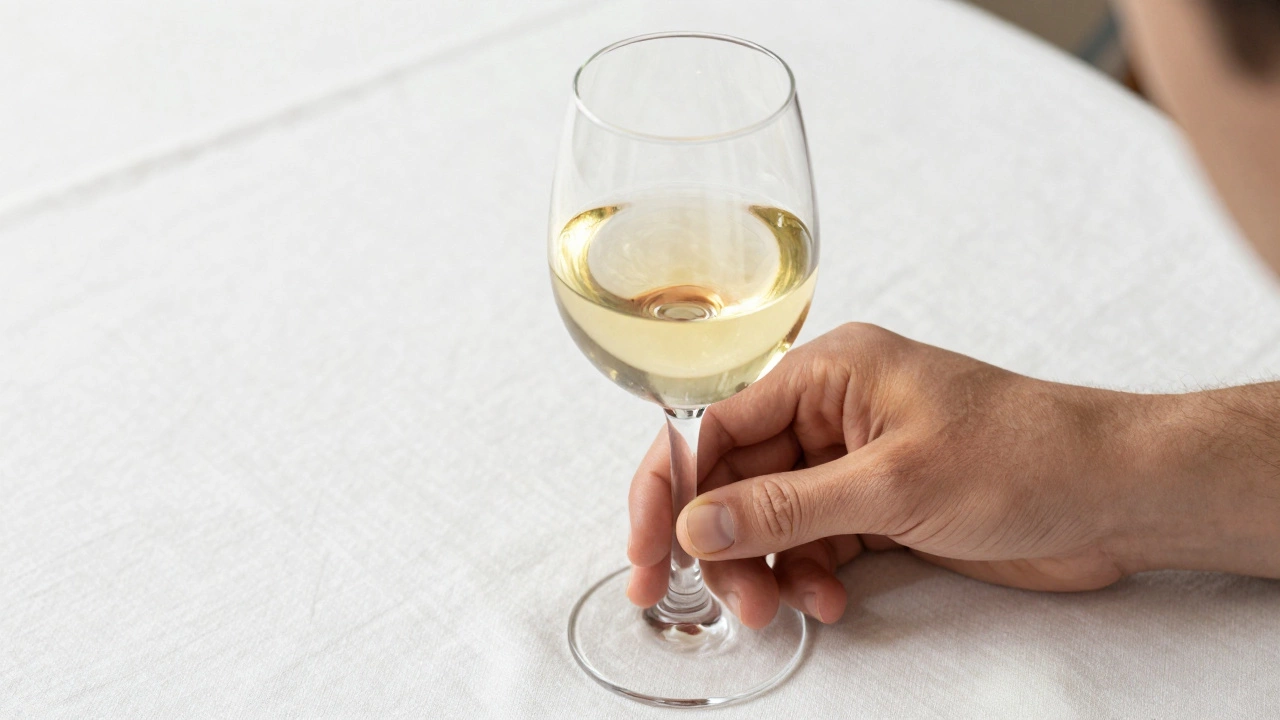
Before the wine even touches your lips, your eyes can tell you a lot. When you pour a glass, hold it against a white background-a white tablecloth or even a piece of paper. This is where you identify Wine Color is the visual appearance of the liquid, which reveals the grape variety and age of the wine .
For whites, a pale lemon color often suggests a light-bodied wine like Sauvignon Blanc is a crisp, high-acidity white wine known for its citrusy and herbaceous notes . If it looks deeper, like gold or amber, it might have been aged in oak or is simply older. For reds, a bright ruby red usually points to a younger wine, while a brick-orange or tawny hue indicates a more mature bottle. If the wine looks cloudy, it might be an unfiltered style, or something has gone wrong with the storage.
Why Swirling Actually Matters
You've seen the experts do it-the rhythmic circular motion of the glass. This isn't just for show. When you swirl, you are introducing oxygen into the liquid. Oxygen acts like a key that unlocks the Aromas is the volatile organic compounds that evaporate from the wine and reach the olfactory system .
By swirling, you increase the surface area of the wine, which helps those aromatic molecules escape the liquid and float up to your nose. If you don't swirl, you're only getting a fraction of the story. Try it with a glass of Cabernet Sauvignon is a full-bodied red wine characterized by high tannins and blackcurrant flavors . You'll notice that after a few swirls, the smell of dark berries becomes much more intense.
Decoding the Smells
Smelling is the most critical part of wine tasting for beginners because your nose does 80% of the work. To do this right, don't bury your nose in the glass; keep it slightly above the rim and take a short, quick sniff. Most wine professionals categorize smells into three layers:
- Primary Aromas: These come directly from the grapes. Think fresh fruit (lemon, cherry), flowers (jasmine, violet), or minerals (chalk, slate).
- Secondary Aromas: These are created during the winemaking process. If you smell butter or vanilla, that's likely from Malolactic Fermentation is a secondary fermentation process that converts tart malic acid into softer lactic acid, creating a buttery taste or oak aging.
- Tertiary Aromas: These develop as the wine ages. You'll find notes of leather, tobacco, dried fruit, or nuts here.
If you're struggling to name a smell, ask yourself: "What does this remind me of?" Does it smell like a fresh-cut lawn? A bowl of ripe strawberries? A leather wallet? There are no wrong answers as long as it's your honest experience.
Sipping and Analyzing the Palate
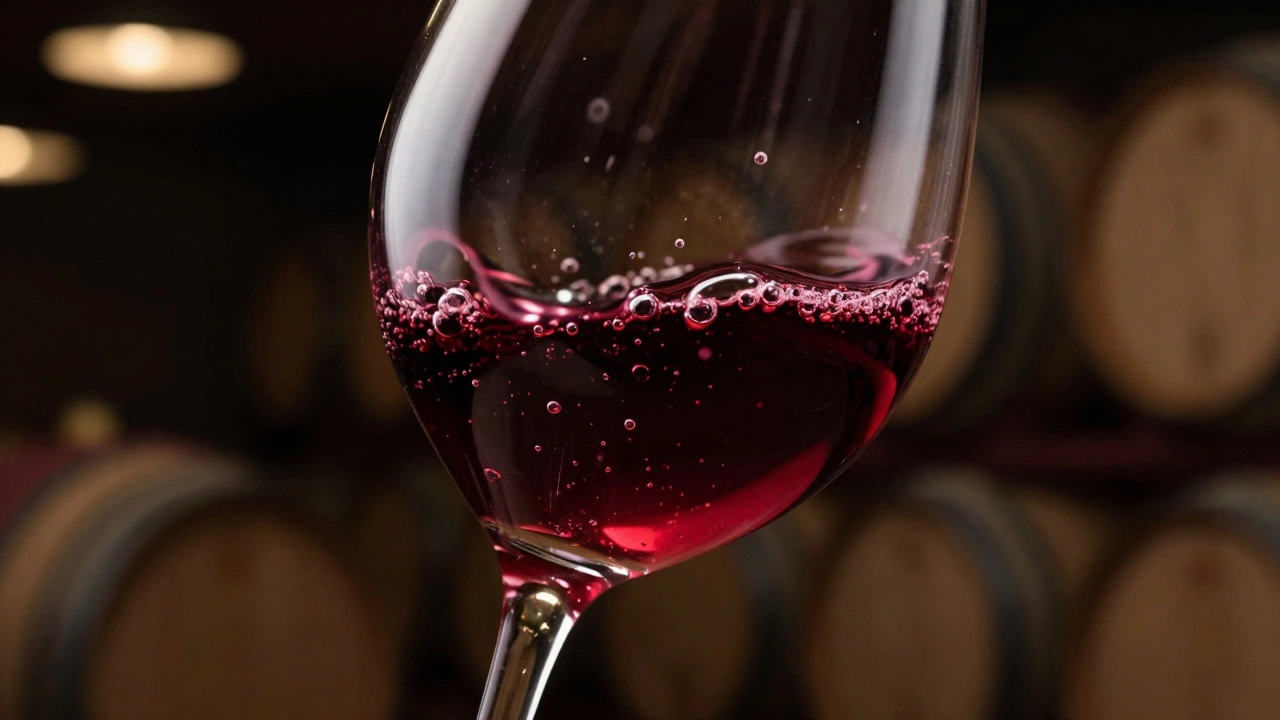
Now for the main event. When you take a sip, don't just swallow it immediately. Instead, "chew" the wine by moving it around your mouth. This ensures every part of your tongue-which is sensitive to different tastes-gets a chance to interact with the liquid.
Focus on these four key pillars of taste:
- Acidity: This is that mouth-watering sensation you get on the sides of your tongue. High acidity makes a wine feel "crisp" or "zippy." It's what makes a Riesling is an aromatic white grape variety often producing wines with high acidity and floral notes feel so refreshing.
- Tannins: Found mostly in red wines, tannins are the compounds that create a drying, astringent feeling in your mouth, like drinking over-steeped black tea. They live on the gums and tongue.
- Alcohol: This provides the "body" or weight. A light-bodied wine feels like water in your mouth; a full-bodied wine feels more like whole milk. You might also feel a slight warm burn in the back of your throat-that's the ethanol.
- Sweetness: Even "dry" wines have a tiny bit of residual sugar. Notice if the wine feels sweet on the tip of your tongue.
| Wine Style | Typical Body | Key Sensation | Common Notes |
|---|---|---|---|
| Light White | Light | High Acidity | Green apple, Citrus |
| Full White | Medium-Full | Creamy/Buttery | Vanilla, Peach |
| Light Red | Medium | Low Tannin | Red cherry, Raspberry |
| Full Red | Full | High Tannin | Blackberry, Cedar |
The Final Verdict: The Finish
The "finish" is the flavor that lingers after you've swallowed the wine. A cheap, mass-produced wine often has a short finish-the taste disappears almost instantly. A high-quality wine has a "long" finish, meaning the complex flavors stick around for several seconds. This is often the primary way experts judge the quality of a bottle.
As you savor the finish, ask yourself: Did the wine change from the first sip to the last? Did the acidity feel balanced with the fruit? If you find yourself wanting another sip immediately, that's a sign of a well-balanced wine. If you feel a harsh bitterness that won't go away, the tannins might be too aggressive for your current palate.
Common Pitfalls for Beginners
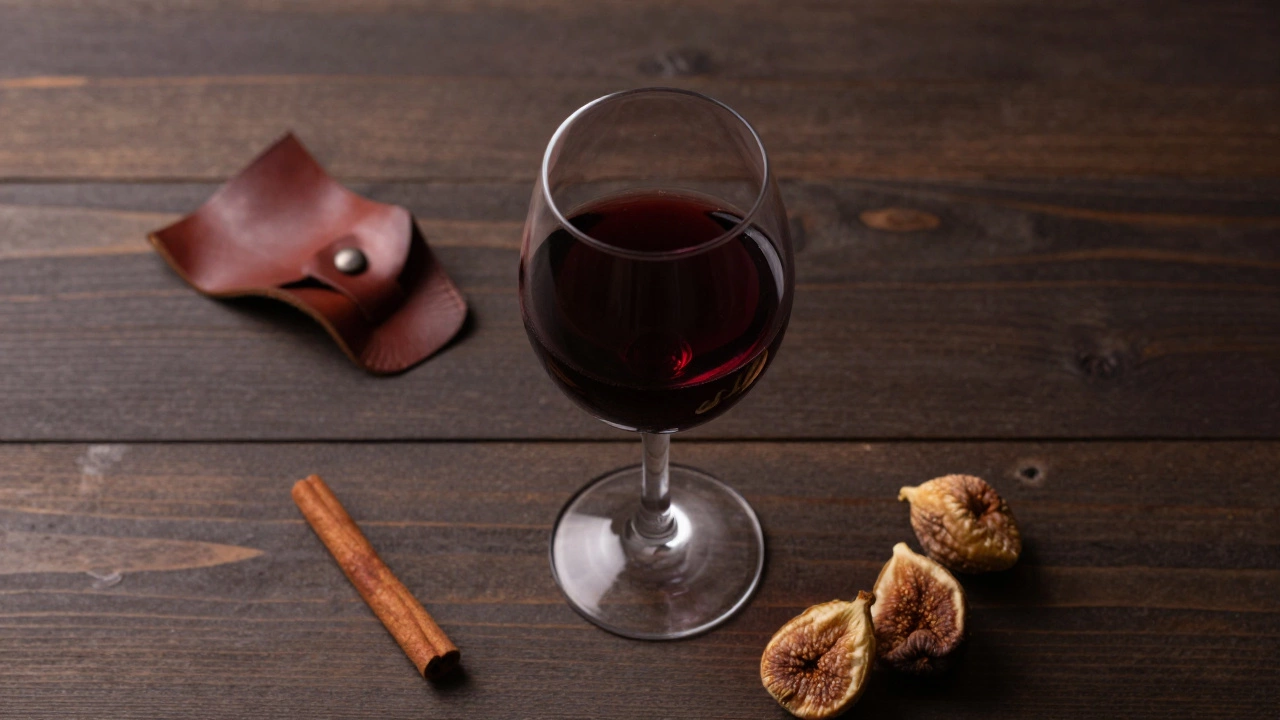
Many newcomers make the mistake of trying to find specific fruits mentioned on the back of the label. If the bottle says "notes of blackcurrant and tobacco," don't panic if you don't smell them. Your brain processes flavors based on your own memories. If you've never smelled a tobacco pipe, you won't recognize it in a glass of wine. Trust your own associations over the marketing copy.
Another common error is drinking wine at the wrong temperature. A red wine that is too warm will smell like rubbing alcohol, while a white wine that is too cold will have its aromas muted. A good rule of thumb: chill your whites to about 45-50°F (7-10°C) and let your reds breathe at roughly 60-65°F (15-18°C). This allows the Terroir is the environmental factors, including soil and climate, that give a wine its unique character to actually shine through.
Do I need a special glass to taste wine?
While you don't need a crystal collection, the shape of the glass matters. A wider bowl for red wines helps them breathe, while a narrower rim for white wines concentrates the aromas toward your nose. If you only have one type, go with a universal wine glass.
What is the difference between "dry" and "sweet" wine?
"Dry" simply means that most of the sugar was converted into alcohol during fermentation. It doesn't mean the wine lacks fruitiness; it just means it isn't sugary. Sweet wines have a higher concentration of residual sugar left over.
Why do some red wines make my mouth feel dry?
That's the effect of tannins. Tannins are polyphenols found in grape skins and seeds. They bind to the proteins in your saliva, removing the lubrication from your mouth and creating that "drying" or "puckering" sensation.
Is it true that expensive wine always tastes better?
Not necessarily. Price often reflects the cost of production, the prestige of the region, or the rarity of the vintage. Many budget-friendly wines are delicious. The goal is to find what you enjoy, not what costs the most.
How can I improve my palate over time?
The best way is through comparative tasting. Try two different wines of the same grape-for example, a Sauvignon Blanc from New Zealand and one from France. By tasting them side-by-side, the differences in acidity and flavor become much more obvious.
Next Steps for Your Wine Journey
If you've mastered the look-swirl-smell-sip process, try starting a simple tasting journal. Write down the wine's name and three words that describe it to you. Over time, you'll notice patterns-maybe you realize you love high-acidity whites but hate heavy tannins.
Another great move is to explore different regions. Try a wine from the Loire Valley in France, then move to the Napa Valley in California. Seeing how the same grape changes based on the soil and weather is the fastest way to move from a beginner to a confident enthusiast. Just remember: the only "correct" way to taste wine is the way that helps you enjoy it more.