
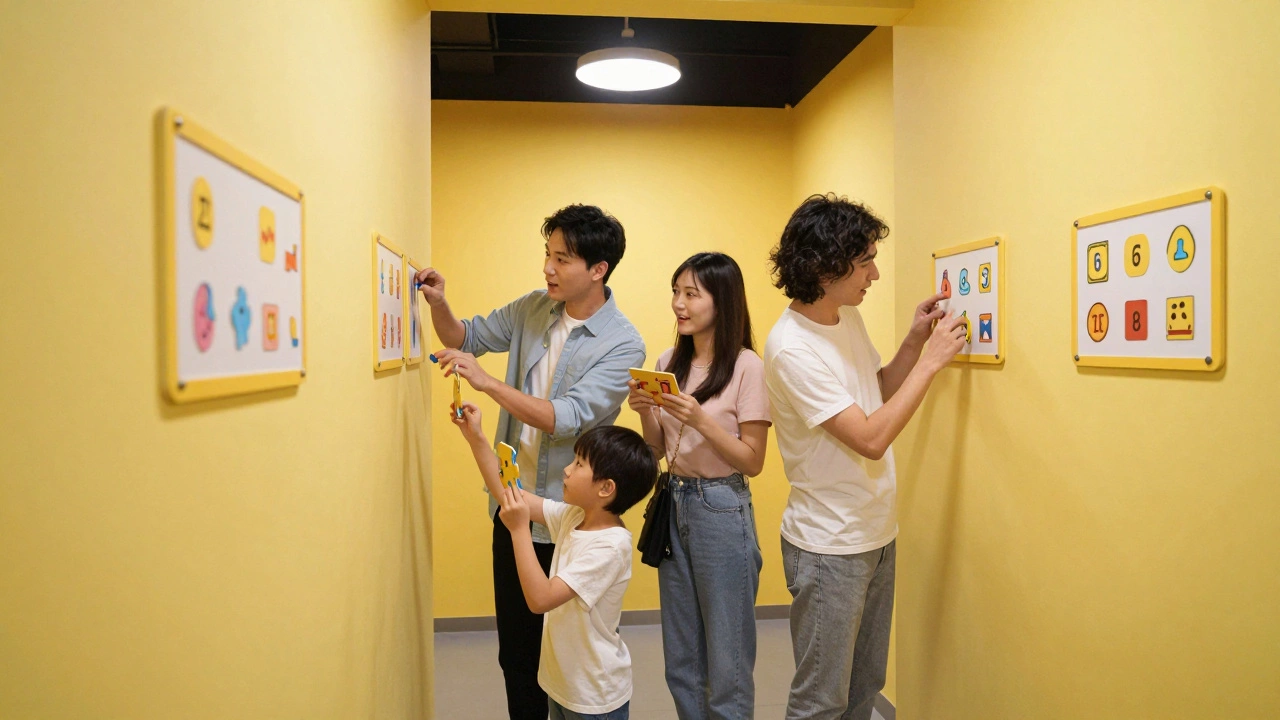
Escape Room Duration Calculator
Not all escape rooms are 1 hour. Find the perfect duration for your group with this calculator.
Select Your Preferences
Recommended Duration
This estimate includes 10-15 minutes for briefing and 5-10 minutes for photos/debrief
Why this duration?
Best For
Most people assume escape rooms last exactly one hour. It’s the default. The sign on the door says it. The booking website shows it. Your friends say it. But here’s the truth: not all escape rooms are one hour. Some are shorter. Some are longer. And the length can change everything about your experience.
Why One Hour Became the Standard
The one-hour format didn’t come from magic. It came from business. Escape rooms started popping up in the early 2010s as a new kind of entertainment. Room operators needed a schedule that let them run multiple games per day without burning out staff or leaving gaps between sessions. One hour was the sweet spot: enough time to build tension, solve puzzles, and feel like you’ve accomplished something - but not so long that players get tired or the room sits empty too long between groups.Most escape rooms today still stick to this model. But that doesn’t mean it’s the only option. Many operators have started experimenting with time based on the type of experience they want to create.
Shorter Escape Rooms: 30 to 45 Minutes
If you’ve ever rushed through a room feeling like you didn’t even get started, you’ve probably played a short-format escape room. These are usually designed for kids, families with young children, or groups who want a quick, low-pressure activity.In Melbourne, places like Lockdown Escape Rooms and Escape Hunt offer 45-minute rooms labeled as "Family Fun" or "Beginner Challenges." These rooms have simpler puzzles, fewer locks, and clearer clues. They’re perfect if you’re with a 7-year-old who gets overwhelmed or if you only have a lunch break to spare.
Some operators even run 30-minute "express" rooms for corporate team-building events. These aren’t meant to be deep mysteries - they’re about communication and quick decision-making. One company in Southbank runs a 25-minute "Coffee Break Escape" that’s become popular with office workers between meetings.
Longer Escape Rooms: 75 to 120 Minutes
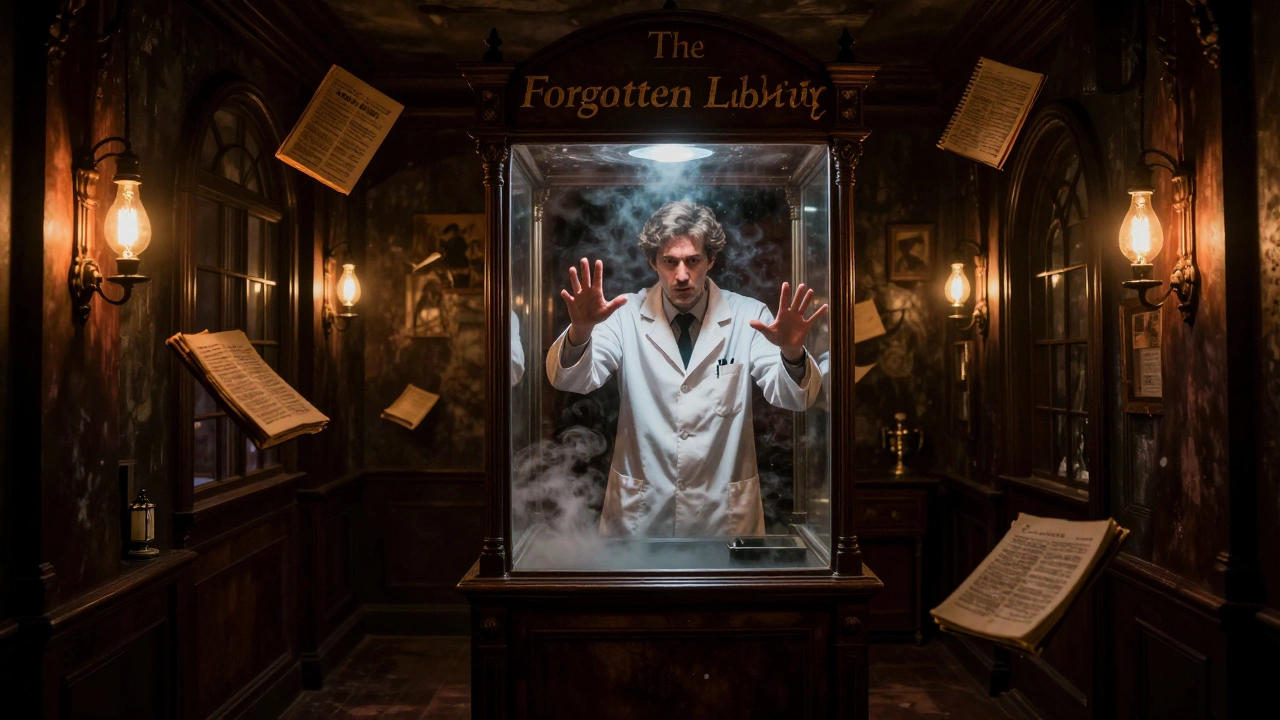
On the other end of the spectrum, some escape rooms stretch beyond an hour - sometimes way beyond. These are usually high-end, immersive experiences with complex storylines, multiple rooms, and live actors.Take The Basement in Carlton. Their signature room, "The Forgotten Laboratory," lasts 90 minutes. It’s not just about solving puzzles - you’re navigating a haunted lab, uncovering hidden journals, and interacting with a scientist who appears at key moments. The extra time lets the story breathe. You don’t feel rushed. You feel like you’ve stepped into a movie.
Another example is Escape Reality’s "Time Traveler" experience, which runs for two hours. It includes a pre-game briefing, three themed zones, and a post-game debrief with photos and a personalized story summary. These rooms cost more - often $80 to $120 per person - but they’re not just games. They’re full sensory experiences.
What Happens When Time Runs Out?
You’ve got 60 minutes. You’re halfway through. The clock ticks down. What happens if you don’t escape?Most places still let you finish the room even after the timer hits zero. The staff won’t kick you out. They’ll just tell you how you did - whether you solved everything, missed a clue, or got stuck on the final lock. Some places even let you keep going if you ask nicely, especially if the next group is late.
But here’s the catch: if you’re in a 90-minute room and you’re still stuck at 75 minutes, you might not get the full ending. The story might wrap up without you. The final scene might play out without your input. That’s why knowing the time limit matters - it affects how you play.
Why Duration Matters for Your Group
The length of the room should match your group’s energy, skill level, and goals.- If you’re celebrating a birthday and want to grab dinner afterward, stick to 60 minutes.
- If you’re a group of hardcore puzzle lovers who hate feeling rushed, go for 90 minutes or more.
- If you’re with kids under 10 or seniors who get tired easily, 45 minutes is safer.
- If you’re trying to impress someone on a date, a longer room with a strong story creates way more memorable moments than a rushed 60-minute scramble.
One couple in Richmond booked a 120-minute room for their anniversary. They didn’t escape - but they laughed so hard over the final puzzle they still talk about it two years later. That’s the kind of experience longer rooms can give you.
What to Look for When Booking
Don’t just assume. Always check the details before you pay.- Look for the exact duration listed - not just "1 hour" but "60 minutes" or "90 minutes".
- Read the description: Does it mention "immersive story," "live actors," or "multi-room"? Those usually mean longer playtime.
- Check reviews. People often mention if it felt too short or too long.
- Ask the operator: "Is the time just for solving, or does it include briefing and debrief?" Some rooms add 10-15 minutes for instructions and photos.
One common mistake: people think "60 minutes" means 60 minutes of actual gameplay. But most places include a 10-minute safety briefing and a 5-10 minute photo session after. So if you book a "1-hour" room, you’re actually spending 75-80 minutes at the venue.
How Time Affects Difficulty
Shorter rooms are often easier. Why? Because if they were hard, no one would finish. Longer rooms are usually harder - not because the puzzles are more complex, but because they’re more layered. You might solve three puzzles in 45 minutes, but in 90 minutes, those puzzles connect to a bigger mystery.Think of it like a book. A short story gives you a punchy ending. A novel gives you depth. The same goes for escape rooms.
Some operators even design rooms where time is part of the puzzle. In one room at Chrono Escape in Footscray, you have to fix a broken time machine - but the clock in the room runs backward. You have to solve clues before the timer resets to zero. That’s not just a gimmick - it’s a mechanic that changes how you think.
Final Tip: Don’t Just Pick the Cheapest
A 60-minute room might cost $30 per person. A 90-minute room might cost $50. At first glance, the second seems expensive. But if you’re paying for an experience, not just a game, the longer room gives you more value.Think about it: if you’re spending $30, you want to feel like you got your money’s worth. A rushed 60-minute room where you’re yelling at each other to find keys? That’s not satisfying. A 90-minute room where you uncover a hidden backstory, share a laugh over a silly clue, and leave with a custom photo? That’s worth every dollar.
So next time you book, don’t just pick the one that says "1 hour." Ask what’s included. Ask how long the real experience lasts. And if you’re looking for something unforgettable - go longer. You’ll thank yourself later.
Are all escape rooms exactly 60 minutes long?
No. While 60 minutes is the most common length, escape rooms can range from 30 minutes to over two hours. Shorter rooms are often designed for families or beginners, while longer ones offer deeper stories, live actors, and complex puzzles.
Does the time include briefing and photos?
Usually yes. Most escape rooms add 10-15 minutes before the game for safety instructions and another 5-10 minutes after for photos and a debrief. So a "60-minute" room typically takes 75-80 minutes total at the venue.
What happens if I don’t escape in time?
You won’t be kicked out. Most places let you finish the room even after the timer hits zero. The staff will tell you what you missed and how close you were to escaping. In longer rooms, you might miss the final scene if you’re too late.
Are longer escape rooms harder?
Not always harder in puzzle complexity, but more layered. Longer rooms often have multiple story arcs, hidden clues, and interconnected puzzles. You’re not just solving locks - you’re piecing together a narrative. That makes them feel more challenging, even if individual puzzles aren’t tougher.
Is a 90-minute room worth the extra cost?
If you value immersion and storytelling, yes. A 90-minute room often includes live actors, detailed sets, and a richer plot. You’re paying for an experience, not just a game. Many people remember longer rooms for years because they felt like they were part of a movie.