
Escape Room Anxiety Checker
🎯 Personalize Your Experience
Select all options that apply to you. The more accurate your selections, the better we can estimate your comfort level.
Your Comfort Score
💡 Quick Tips
Imagine this: the door clicks shut behind you. The lights dim. You’re locked in a room no bigger than a walk-in closet, surrounded by walls that feel like they’re closing in. Your heart starts racing. Is this an escape room or a panic attack waiting to happen?
If you’ve ever wondered whether escape rooms are claustrophobic, you’re not alone. Many people avoid them because of fear of confined spaces. But here’s the truth: most modern escape rooms aren’t as tight or scary as you might think. With some planning and knowledge, even those with mild claustrophobia can enjoy these puzzles without breaking a sweat.
What Exactly Is Claustrophobia?
For those who experience claustrophobia, even thinking about being locked inside a small space can cause physical symptoms like sweating, trembling, or difficulty breathing. So when we talk about escape rooms, understanding what triggers your anxiety helps determine if they’ll work for you-or not.
How Big Are Escape Room Spaces Really?
Let’s clear up one big myth right away: escape rooms don’t have to be tiny boxes stuffed full of props. In fact, most professional venues design their rooms to accommodate groups comfortably while still creating immersive environments. Here’s how typical setups break down:
- Small Rooms: Around 10-15 square meters (about 100-160 sq ft). These fit 2-4 players max.
- Medium Rooms: About 20-30 square meters (200-300 sq ft), suitable for 4-6 players.
- Large Rooms: Over 40 square meters (over 400 sq ft), designed for teams of 6+.
Even smaller rooms usually leave enough walking space so you’re never pressed against walls. Plus, staff monitors everything via cameras and microphones-they won’t let anyone get truly “trapped.”
Do Escape Rooms Feel Like Being Trapped?
The short answer is no-but context matters. While the premise involves solving puzzles under time pressure, nothing forces you into uncomfortable positions unless part of the game requires it (like crawling through tunnels in certain themed adventures).
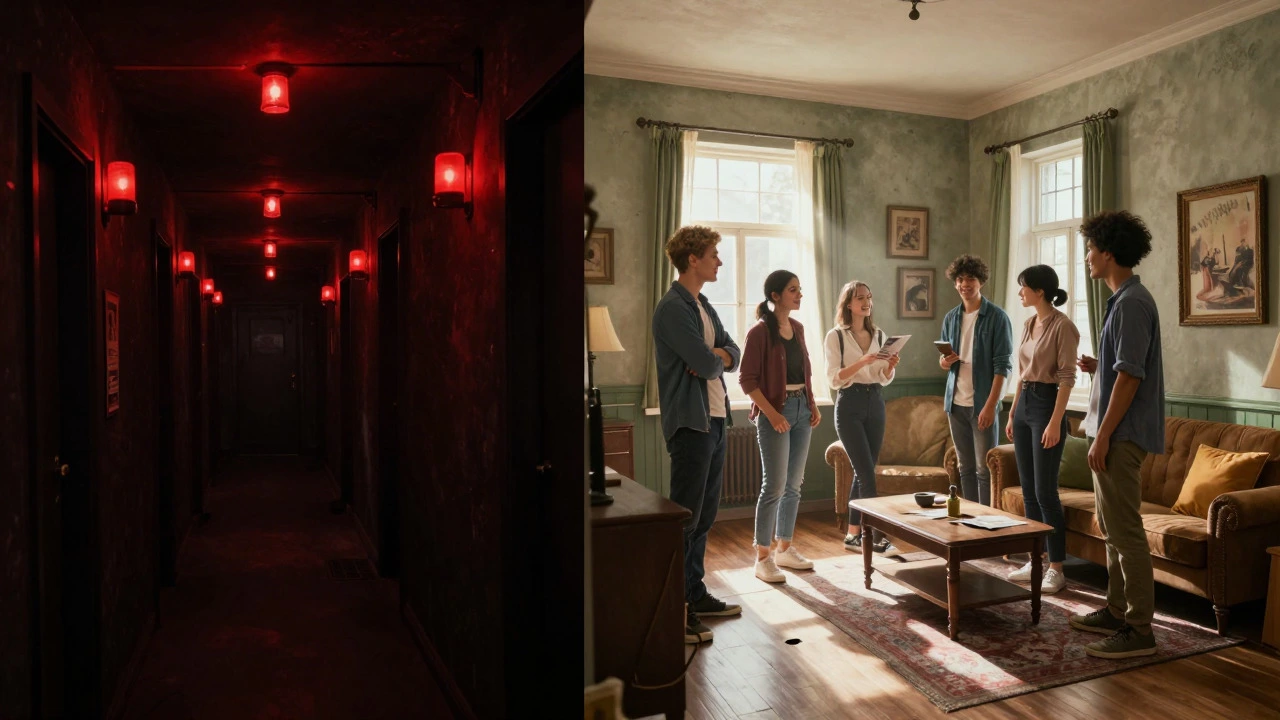
Think about horror-themed escapes versus historical mysteries. Horror games might use darker lighting, eerie sounds, and narrow corridors to heighten tension. Historical ones tend to focus more on storytelling and clever mechanics rather than making you squirm uncomfortably. Knowing which type suits your comfort level goes a long way toward enjoying yourself.
Sensory Overload vs. Physical Confinement
Another factor worth considering isn’t just physical size-it’s sensory input. Loud noises, flashing lights, sudden movements, or strong smells can overwhelm anyone prone to anxiety. Some escape rooms lean heavily into theatrical effects, while others keep things calm and controlled.
| Theme Type | Noise Level | Lighting Style | Crowd Density |
|---|---|---|---|
| Horror-Themed | High | Dark/Flashy | Tight Groupings |
| Historical Mystery | Low-Moderate | Bright/Natural | Spacious Layouts |
| Sci-Fi Adventure | Moderate-High | Dramatic Effects | Varies by Scene |
If loud music or strobe lights make you uneasy, stick to quieter themes. Always check reviews online before booking-players frequently mention specific details about noise levels and atmosphere.
Tips for Managing Anxiety During Play
Feeling nervous doesn’t mean you should skip out entirely. Try these strategies to ease any discomfort:
- Communicate Early: Let the host know beforehand if you have concerns. They may adjust settings or offer alternative options.
- Bring Support: Go with friends or family members who understand your needs and can help ground you if needed.
- Take Breaks: Most places allow brief pauses outside the main area if things become overwhelming.
- Practice Breathing Techniques: Deep breaths slow down adrenaline spikes and remind your body it’s safe.
Remember, escape rooms prioritize fun over fear. Staff want everyone to walk away smiling-not traumatized!

Alternatives If Traditional Rooms Don’t Work
Still hesitant? No problem! There are plenty of other ways to enjoy puzzle-solving without stepping foot in a cramped box:
- Virtual Reality Escapes: Immerse yourself digitally without worrying about real-world constraints.
- Outdoor Adventures: Scavenger hunts combine exploration with brain teasers in open-air settings.
- Home Kits: Buy DIY sets that bring the challenge home at your own pace.
Each option offers unique benefits depending on what excites you most. Experiment until you find something that clicks.
Final Thoughts on Whether Escape Rooms Are Claustrophobic
So, back to our original question-are escape rooms claustrophobic? Not necessarily. While some designs cater specifically to thrill-seekers seeking adrenaline rushes, many prioritize creativity, teamwork, and problem-solving above all else. By choosing wisely and preparing mentally, even cautious individuals can dive headfirst into exciting challenges without losing their cool.
Next time you hear someone say escape rooms are only for brave souls, smile knowingly. You now hold the keys to unlocking both adventure-and peace of mind.
Can I play an escape room if I’m afraid of small spaces?
Yes! Many escape rooms provide ample space for movement and interaction. Just pick larger formats and communicate openly with hosts ahead of time.
Will I actually be locked inside?
Technically yes, but practically no. Doors unlock easily from within, and staff monitor progress closely throughout gameplay.
Are there age restrictions for playing?
Most venues welcome children aged 8+, though younger kids need adult supervision. Check local policies since rules vary slightly.
What happens if I freeze up mid-game?
Staff will step in discreetly to guide you forward. Pauses are normal and encouraged whenever necessary.
Is virtual reality better for anxious players?
Absolutely! VR removes physical barriers entirely, letting you explore vast worlds safely from home.