
Escape Room Exit & Refund Checker
Select your situation below to see what happens if you leave the escape room early.
Result
Refund StatusFinancial Outcome
Etiquette Tip
You are ten minutes into a horror-themed Escape Room, your heart is pounding, the actors are screaming, and you suddenly realize you made a terrible mistake. The claustrophobia is hitting hard, or maybe the puzzle logic just broke your brain. You want out. Now. But can you actually leave an escape room if you want to? The short answer is yes, absolutely. But how you do it, when you do it, and what happens to your money depends entirely on communication and timing.
Most people hesitate because they fear being rude or ruining the experience for their team. Others worry about financial penalties. Let’s clear up the confusion. This isn’t a prison sentence; it’s a paid entertainment service with strict safety protocols. Knowing the exit procedures beforehand saves you from awkwardness and ensures you get the most out of your night out in Melbourne or anywhere else.
The Golden Rule: Communication Is Key
Before you even step inside, understand that every reputable venue operates on one core principle: player comfort and safety trump immersion. If you feel overwhelmed, sick, or simply bored, you have the right to leave. However, you cannot just walk out the door like you’re leaving a café. Most escape rooms use magnetic locks or electronic doors that require external control. If you try to force a door open during gameplay, you might trigger an alarm or break the immersion for everyone.
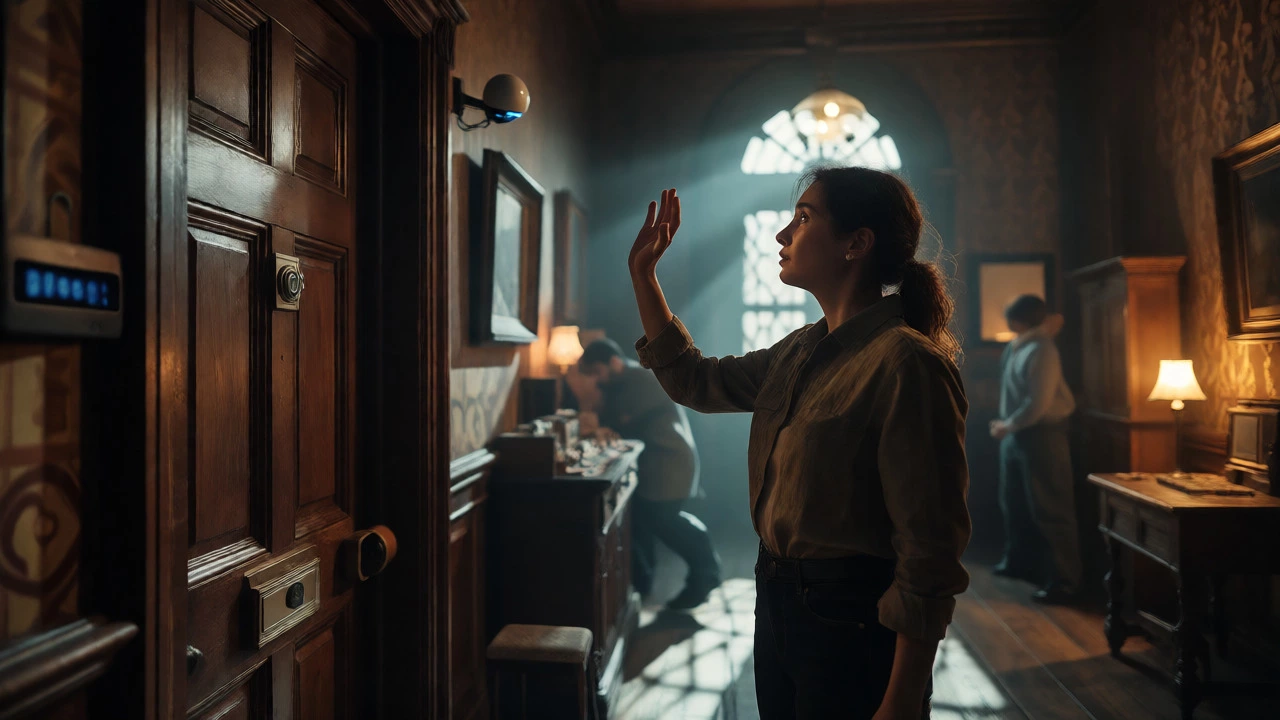
Instead, you need to signal the Game Master. In most modern facilities, this involves pressing a physical button on the wall, waving at a camera, or using a two-way intercom system. Do not shout unless necessary. Shouting breaks the tension for other teams nearby and often doesn’t reach the control room if soundproofing is thick. A simple wave at the security camera is usually enough to pause the clock and bring the Game Master over.
Understanding the Exit Protocol
Once you signal your intent to leave, the process varies slightly by venue but generally follows a standard pattern. First, the clock stops. Your time score becomes irrelevant, which matters if you care about leaderboards. Second, the Game Master enters the room. They will ask why you want to leave. Be honest. If it’s anxiety, say so. If it’s a medical issue, say so. If you just hate the theme, that’s fine too, though they might offer a hint first.
If you decide to leave permanently, the Game Master will escort you out. You typically forfeit the rest of the session. You don’t get a refund for the remaining 50 minutes, but you also don’t pay extra. If you only needed a five-minute breather, some venues allow a "pause" where you step out into a waiting area while the team stays inside. Check this policy before booking. Many places do not allow partial exits because managing multiple entry points complicates the security lock systems.
Safety vs. Immersion: When You Must Leave
There are scenarios where leaving isn’t just allowed; it’s mandatory. Venues have legal obligations under Australian Work Health and Safety regulations (and similar laws globally) to ensure participants aren’t harmed. If a player experiences a panic attack, severe claustrophobia, or a medical emergency like fainting, the staff will intervene immediately. They won’t wait for you to ask permission.
Conversely, there are moments where you should push through. If you’re stuck on a puzzle and frustrated, leaving feels like failure. But frustration is part of the design. Before quitting, try these steps:
- Reset your perspective: Step away from the puzzle. Look at the room differently.
- Ask for a hint: Use your limited hints wisely. Sometimes a nudge changes everything.
- Reassign roles: If one person is dominating, let someone else try. Fresh eyes solve puzzles faster.
If you leave due to mild frustration, you’ll likely regret it later. If you leave due to genuine distress, you’ve prioritized your well-being, which is always the correct choice.
Financial Implications: Do You Get a Refund?
This is the big question nobody asks until they’re standing in the lobby wanting to go home. Generally, no, you do not get a full refund if you choose to leave voluntarily. You purchased a block of time and access to the facility. Once the game starts, the resource is consumed.
However, exceptions exist. If you leave within the first five minutes due to a technical fault (e.g., the lights flicker constantly, the AC fails), you are entitled to a reschedule or refund. If you leave due to a sudden illness, some flexible venues might offer a credit voucher, especially if you booked directly with them rather than through a third-party ticket site. Always check the cancellation policy at the point of sale. Third-party platforms like Eventbrite or Tixbox often have stricter "no refund" clauses than direct bookings.
| Reason for Leaving | Typical Outcome | Refund Chance |
|---|---|---|
| Technical Fault (within 10 mins) | Reschedule or Full Refund | High |
| Medical Emergency | Voucher or Partial Refund | Medium |
| Panic Attack / Claustrophobia | No Refund (usually) | Low |
| Boredom / Dislike Theme | No Refund | None |
| Late Arrival (missed briefing) | Shortened Game or No Entry | Varies |
Etiquette for Groups: Don’t Ruin It for Others
If you’re in a group of six and one person wants to bail, things get tricky socially. You can’t just drag everyone out because one person is tired. Usually, the group decides together. If the majority wants to stay, the individual who wants to leave must be escorted out alone. This leaves the remaining players with fewer hands to solve puzzles, potentially making the game harder. Some venues adjust the difficulty dynamically, but many don’t.
To avoid this awkwardness, discuss expectations before entering. Agree on a "bail-out" rule. For example: "If we haven’t solved the first major puzzle in 15 minutes, we ask for a hint. If we still fail after 30 minutes, we consider leaving." Setting these boundaries prevents mid-game arguments.

How to Prepare So You Don’t Want to Leave
The best way to handle the urge to leave is to prevent it. Research the room’s intensity level. Horror rooms in Melbourne, such as those featuring live actors, can be intense. If you’re sensitive to jump scares, read reviews specifically mentioning "scare factor." Avoid booking high-intensity rooms if you have anxiety issues.
Also, manage your biological needs. Use the restroom before the game. Escape rooms rarely have bathrooms inside, and asking to leave to pee breaks the flow significantly. Bring water if allowed, but drink sparingly. Being physically comfortable reduces the psychological pressure that leads to the desire to escape.
What Happens After You Leave?
Once you exit, you’re free. You can wait in the lobby for your friends to finish, grab a coffee nearby, or head home. There’s no stigma. Staff see hundreds of groups a week; they’ve seen it all. They won’t judge you for having a panic attack or for realizing you hate Victorian-era mysteries. Honesty with the staff helps them improve the experience for future customers. If you found the room too scary, tell them. If it was too easy, tell them. Feedback is valuable, even if your visit was short.
In rare cases, if you leave early, you might be offered a chance to play a different, less intense room at a discounted rate. Ask politely. It shows you’re interested in the venue despite the bad fit. This flexibility turns a negative experience into a potential second chance.
Can I leave an escape room without telling anyone?
Technically, yes, if the door isn't locked from the outside, but you shouldn't. Most doors are electronically controlled and will remain shut until signaled. Trying to force them open can damage the mechanism or trigger alarms. Always use the intercom or signal button to notify the Game Master.
Do I lose my deposit if I leave early?
You typically lose the cost of the ticket. Deposits, if applicable, are usually refunded unless there is damage to the room. Since you are leaving voluntarily, the venue considers the service partially rendered. You won't get money back for unused time, but you won't be charged extra fees either.
Is it rude to ask for a hint instead of leaving?
Not at all. Asking for a hint is encouraged and is part of the game mechanics. It's far better to use a hint and continue playing than to quit out of frustration. Most venues provide unlimited hints or a set number, so use them liberally if you're stuck.
Can I re-enter the room if I leave for a bathroom break?
This depends entirely on the venue's policy. Many do not allow re-entry once you've left the main play area because it disrupts the security seal and the timer. Some family-friendly venues may allow it if you stay close. Always confirm this before starting the game.
What if I have a panic attack during the game?
Signal immediately. Staff are trained to handle medical situations. They will unlock the door and help you exit. You may be asked to sign a waiver acknowledging you left voluntarily. Prioritize your health; no puzzle is worth your well-being.
Does leaving early affect my team's leaderboard ranking?
Yes. If you leave, your team does not complete the game, so you receive no completion time. You will not appear on the leaderboard for that specific room unless the venue has a separate category for 'DNF' (Did Not Finish), which is rare.