
Escape Room Pricing Calculator
Calculate Your Escape Room Cost
Pricing Breakdown
Per Person Rate: $45.00
Total Cost: $90.00
Based on Melbourne pricing:
Private booking example: $240 for up to 8 players ($30/person).
Ever walked up to an escape room booking page and seen a price like $45 per person? You might wonder-why not a flat fee? Or why does a group of four cost more than twice what a pair pays? The short answer is yes, escape rooms almost always charge by person. But it’s not just about splitting the bill-it’s about how the business runs, what you’re actually paying for, and why some places make exceptions.
Why Escape Rooms Charge Per Person
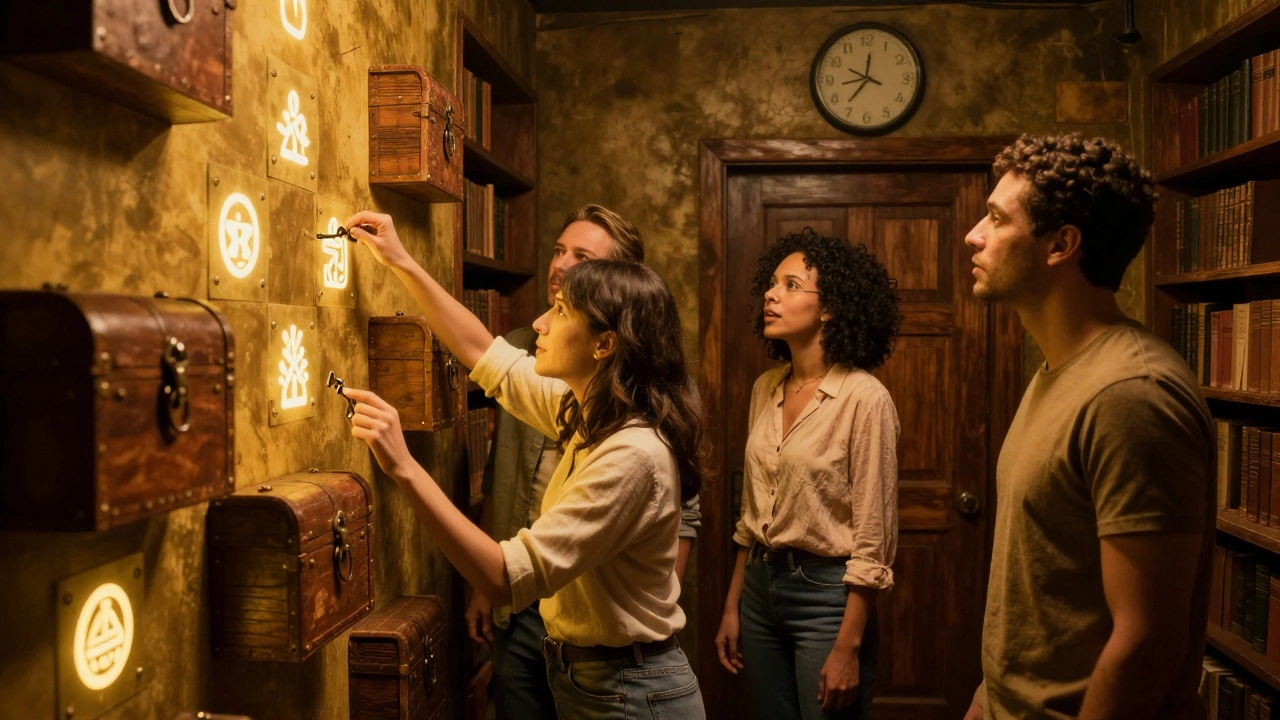
Escape rooms aren’t like movie theaters where you pay for a seat and the show runs regardless of how many people show up. Every escape room has a hard cap on how many players can fit inside at once-usually between 4 and 10. That’s not just for space. It’s because puzzles are designed for a specific group size. Too many people, and you’re tripping over each other. Too few, and the puzzles become impossible to solve in time.
Each player also uses resources. Staff need to prep the room between sessions, reset locks, refill clues, and monitor safety. That’s labor. The room itself uses electricity, lighting, props, and sometimes even scent machines or moving parts. All of that adds up. Charging per person lets operators cover costs fairly based on actual usage.
Think of it like a restaurant table. If you bring six people, you’re not just using one chair-you’re using six plates, six menus, six servings of food, and more staff time. Same logic applies here.
What You’re Actually Paying For
When you pay $40 per person, you’re not just paying to enter a room. You’re paying for:
- A 60- to 90-minute immersive experience with custom-built puzzles
- Professional game masters who guide you, drop hints, and keep time
- Themed sets with lighting, sound, props, and special effects
- Post-game photos and sometimes a small souvenir
- Staff time to clean and reset the room after your session
Some places throw in extras like lockers, drinks, or even a post-game debrief with the team. Those aren’t free. They’re baked into the per-person price.
There’s no hidden fee for the room itself. The per-person rate is the total cost-no extra charges for the space, the theme, or the time. You’re paying for the full package.
Group Discounts and Minimums
Most escape rooms have a minimum number of players to run a session. That’s usually 2 or 3. Why? Because running a room for just one person isn’t sustainable. The staff time, prep, and overhead stay the same, but the revenue drops.
On the flip side, many places offer discounts for larger groups. For example:
- 2-3 people: $45 per person
- 4-6 people: $40 per person
- 7+ people: $35 per person
That’s a 22% drop in price just for bringing one extra person. It’s not charity-it’s smart business. A full room of six generates more total revenue than three separate sessions of two people. Plus, bigger groups tend to have more fun and leave better reviews.
Some rooms even offer private bookings where you pay for the whole room upfront. That’s usually $200-$300 for up to 8 people. If you’ve got a group of six or more, this can be cheaper per person than booking individual spots.
What About Private Bookings?
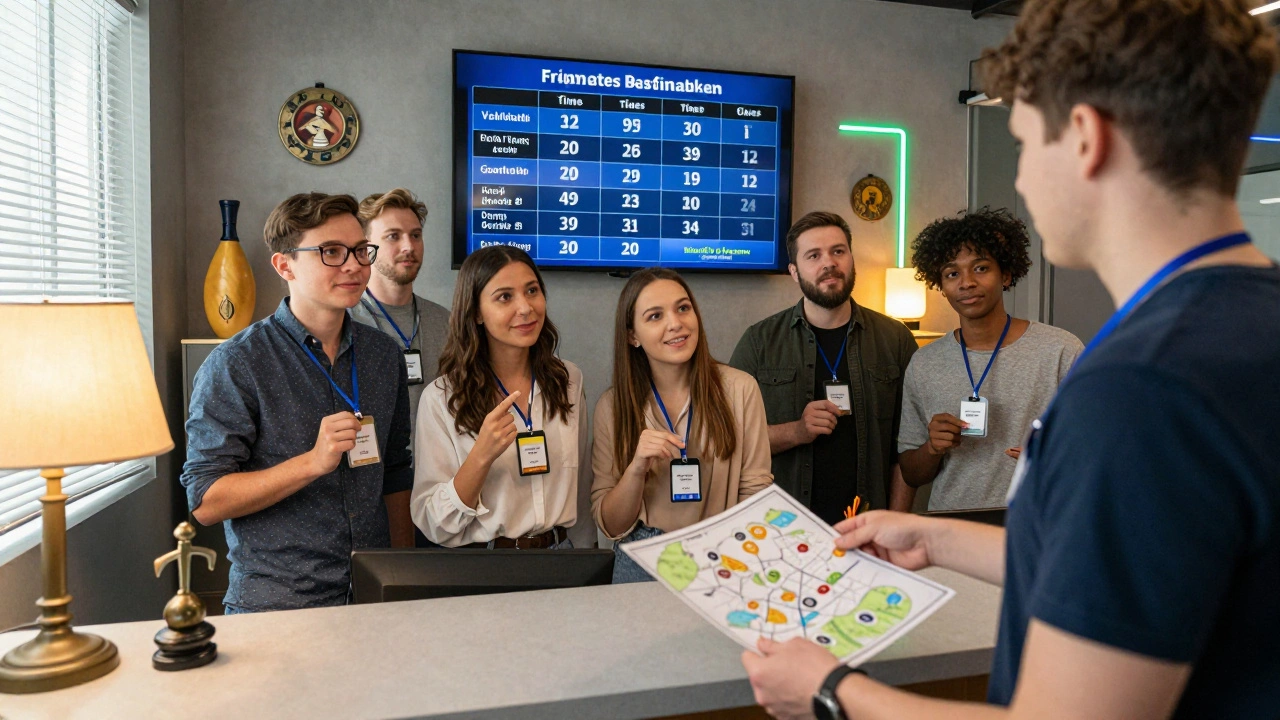
Private bookings mean you reserve the entire room, no matter how many people are in your group. Even if you only have two people, you pay the full room rate-say, $240. That might sound steep, but here’s the catch: you get the room to yourselves. No strangers. No awkward group dynamics. No one hogging the clues.
It’s also the only way to guarantee a specific time slot during peak hours. On weekends, popular rooms sell out weeks in advance. Booking privately ensures you don’t get stuck with a group of strangers who don’t communicate well or show up late.
Some venues offer “flexible pricing” for private bookings. For example, you pay a base rate for 4 people, then $25 extra for each additional person up to the room’s max. That way, you’re not overpaying if you have five or six.
Hidden Costs and Surprises
Most escape rooms are upfront about pricing, but there are a few things that can catch you off guard:
- Booking fees: Some sites add a 5-10% online booking fee. Always check the final price before paying.
- Group size penalties: If you book for four but only three show up, some places still charge you for four. Others let you downsize for free. Ask before you pay.
- Extra time: If you don’t escape in time, you might be offered 5-10 extra minutes for $10-$20. It’s optional, but tempting.
- Photo packages: Many places offer professional photos after the game. They’re nice to have, but they’re not included. Expect $15-$25 for a digital album.
Always read the fine print. If the website doesn’t list the per-person rate clearly, call ahead. Reputable places will tell you exactly what you’re paying for.
How Prices Vary by Location and Experience
Not all escape rooms are created equal. A basic room in a strip mall might charge $30 per person. A high-end, Hollywood-style experience with animatronics and live actors can cost $70 or more.
In Melbourne, for example:
- Mid-tier rooms (like Escape Hunt or The Room): $40-$50 per person
- High-end immersive rooms (like Lockdown or The Basement): $55-$75 per person
- Budget rooms (community centers or pop-ups): $25-$35 per person
Higher prices usually mean better theming, more complex puzzles, and fewer repeat players. You’re paying for novelty. If you’ve done 10 escape rooms and they all feel the same, you’ll notice the difference.
Also, prices rise during holidays, weekends, and school breaks. A room that’s $40 on a Tuesday might be $55 on a Saturday night. Plan ahead if you want to save.
What to Do If You’re on a Budget
Escape rooms aren’t cheap, but you don’t need to pay full price to have a great time:
- Go on weekdays: Tuesdays and Wednesdays are often 15-20% cheaper.
- Book early: Some places offer “first slot discounts” for 9 a.m. or 10 a.m. bookings.
- Look for deals: Groupon, local Facebook groups, and tourism sites often have promo codes.
- Bring a group: Four people? You’ll likely get the group discount. Five? Even better.
- Try a simpler room: Not every room needs lasers and fog machines. Some of the best puzzles are low-tech and clever.
One trick: ask if they offer “pay-what-you-can” nights. A few places in Melbourne do this once a month for students or low-income groups. It’s rare, but worth asking.
Is It Worth It?
Let’s say you pay $45 per person for a 90-minute experience. That’s $15 an hour per person. Compare that to a movie ticket ($20 for 2 hours), a concert ($100+), or even a nice dinner ($50+ per person). Escape rooms give you active participation, teamwork, and a real sense of accomplishment.
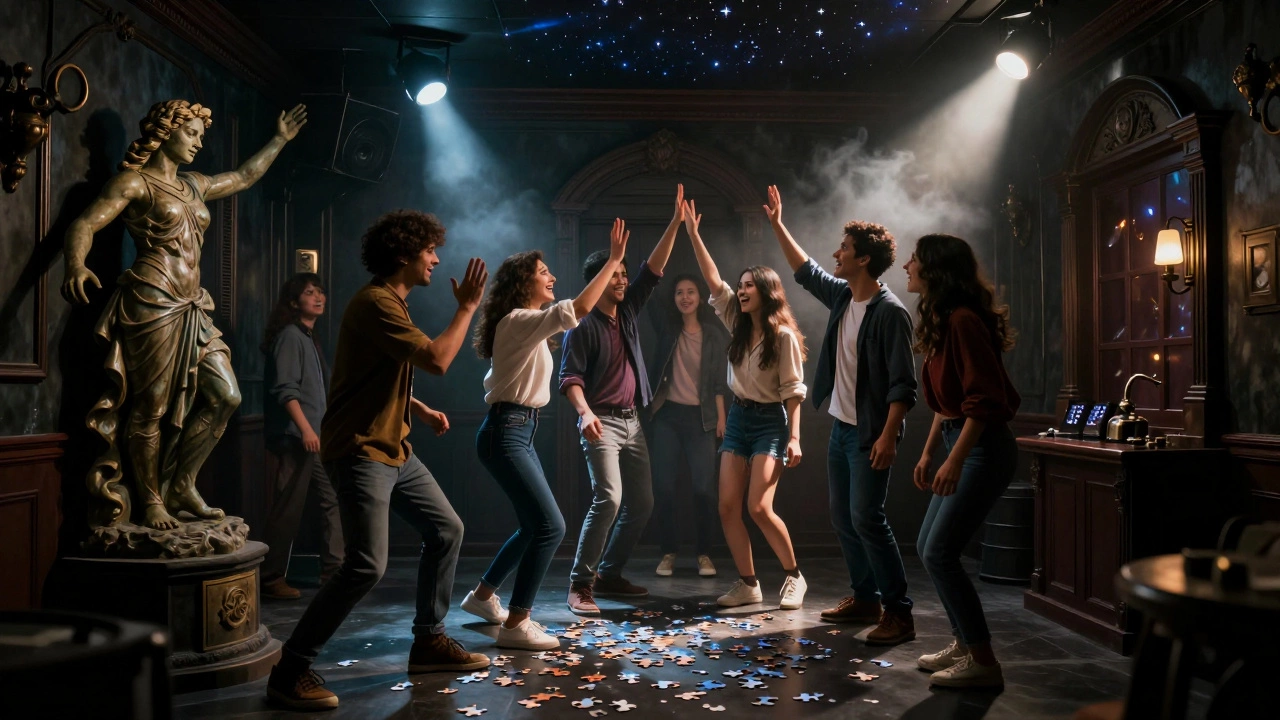
It’s not just entertainment-it’s a shared challenge. You remember the moment you cracked the final code. You remember laughing when someone found the hidden key in the toilet. You remember high-fiving your team.
That kind of memory doesn’t come from scrolling through Netflix. And it’s why people keep coming back-even if it costs $50 a head.
Do escape rooms charge per person or per room?
Almost all escape rooms charge per person. A few offer private bookings where you pay for the entire room, regardless of group size. But even then, the room rate is usually based on the maximum capacity, so it’s still tied to how many people can fit inside.
Can I book an escape room for just one person?
Most escape rooms don’t let you book for one person because the puzzles are designed for teams. If you’re alone, you’ll usually be added to a group of strangers. Some places offer solo experiences, but they’re rare and often more expensive. The best option is to book a private room and pay the full rate-even if you’re by yourself.
Why is there a minimum number of players?
Escape rooms need at least 2-3 people to function properly. Puzzles are designed to be solved through teamwork-some clues require two people to operate at once, others need one person to distract while another searches. With fewer than two, the game becomes impossible or too frustrating. Staff also need a minimum group size to justify the setup time and safety checks.
Are there any escape rooms that charge a flat fee?
Very few. Most flat-fee models are either scams or very low-quality rooms with no real puzzles. Reputable escape rooms use per-person pricing because it’s fair, transparent, and sustainable. If a place charges $100 flat for up to 10 people, ask how they cover staff, props, and room resets. Chances are, they’re cutting corners.
Do prices include taxes and fees?
It depends. In Australia, GST (10%) is usually included in the listed price. But some websites add online booking fees, credit card charges, or service fees at checkout. Always check the final price before confirming your booking. If it’s not clear, call the venue and ask.
Final Tip: Book Early, Know Your Group
The best escape rooms fill up fast. Don’t wait until the day before to book. If you’re planning a birthday, anniversary, or team outing, reserve at least two weeks ahead. And know your group size before you click “book.” You don’t want to be stuck paying for a spot you don’t need-or worse, showing up with five people and only booking for three.
Escape rooms are about connection, not just puzzles. The price reflects that. You’re not just paying for a room-you’re paying for a shared story you’ll tell for years.