Wine & Food Pairing Explorer
Select a wine style below to see recommended foods and why they work together.
Pro Tip: The Neutral Snack Rule
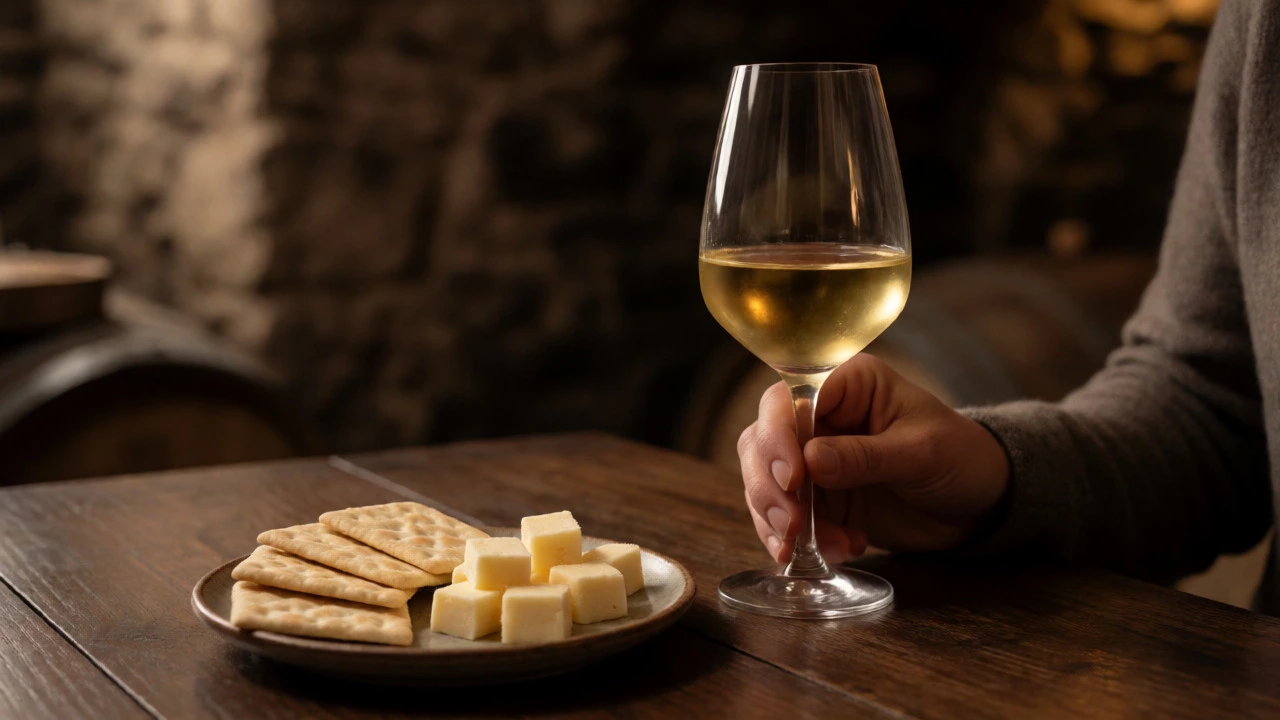
If you are unsure what to eat, stick to plain water crackers or unsalted bread. These act as palate cleansers without adding strong flavors that might mask the wine's subtle notes like citrus zest or oak vanilla.
You walk into a dimly lit cellar door in the Yarra Valley, glass in hand, expecting to taste a flight of five different Chardonnays. Then the host drops a plate of sharp cheddar cubes or salty crackers on the table. Do you eat them? Or do you politely push the plate away because you heard somewhere that food ruins your palate? This confusion trips up more people than you’d think. The short answer is yes, you absolutely should eat during a wine tasting-but not just any food, and not at random times.
Wine tasting isn’t about starving yourself to feel the alcohol kick faster. It’s about understanding how flavors interact. If you skip the food entirely, you’re likely missing half the experience. But if you wolf down a garlic-heavy paella before sipping a delicate Pinot Noir, you’ve probably sabotaged your own enjoyment. Let’s break down exactly when, what, and why you should eat while tasting wine, so you can navigate your next cellar door visit with confidence.
The Golden Rule: Neutral Snacks Are Your Best Friend
Most professional tastings provide small bites for a reason. These aren’t meant to be a meal; they are palate cleansers and flavor enhancers. Think of them as tools, not snacks. The goal is to reset your mouth between wines so you can detect subtle notes like citrus zest, oak vanilla, or blackcurrant without interference from previous sips.
Standard offerings usually include plain water crackers, mild white bread, or unsalted nuts. Why these specific items? Because they have low acidity, minimal salt, and no strong spices. A heavily salted pretzel, for example, will make almost any wine taste smoother and fruitier, masking its true character. Plain crackers absorb residual sugar and tannins, giving you a blank slate for the next pour.
| Item Type | Effect on Wine | Verdict |
|---|---|---|
| Plain Water Crackers | Neutralizes sweetness and tannins | Highly Recommended |
| Unsalted Bread | Absorbs alcohol, resets texture | Highly Recommended |
| Aged Cheese | Enhances fruitiness, softens tannins | Good for Reds |
| Spicy Nuts | Overwhelms delicate aromas | Avoid |
| Citrus Fruits | Adds false acidity notes | Avoid |
Why Eating Prevents the "Drunk" Feeling
Let’s address the elephant in the room: alcohol absorption. When you taste six or seven wines, even if you spit most of it out, you’re still ingesting some liquid. On an empty stomach, alcohol hits your bloodstream fast. You might feel dizzy or overly warm within twenty minutes, which dulls your sensory perception. Your nose stops working properly, and your judgment gets fuzzy.
Eating slows gastric emptying. Fat and protein bind with alcohol, delaying its entry into the small intestine where rapid absorption happens. This keeps you steady. I’ve seen visitors at Melbourne wineries rush through flights without nibbling, only to realize halfway through that they can’t distinguish between a Sauvignon Blanc and a Semillon anymore. They weren’t losing their sense of smell; they were just buzzed. A few bites of cheese or bread keep your head clear enough to appreciate the nuances.
Pairing Food With Specific Wine Styles
Not all foods work with all wines. While neutral snacks are safe bets, intentional pairings can elevate both the food and the wine. This is where the fun begins. If you’re doing a structured tasting, the host might suggest matches. If not, here are some reliable rules of thumb based on chemical interactions.
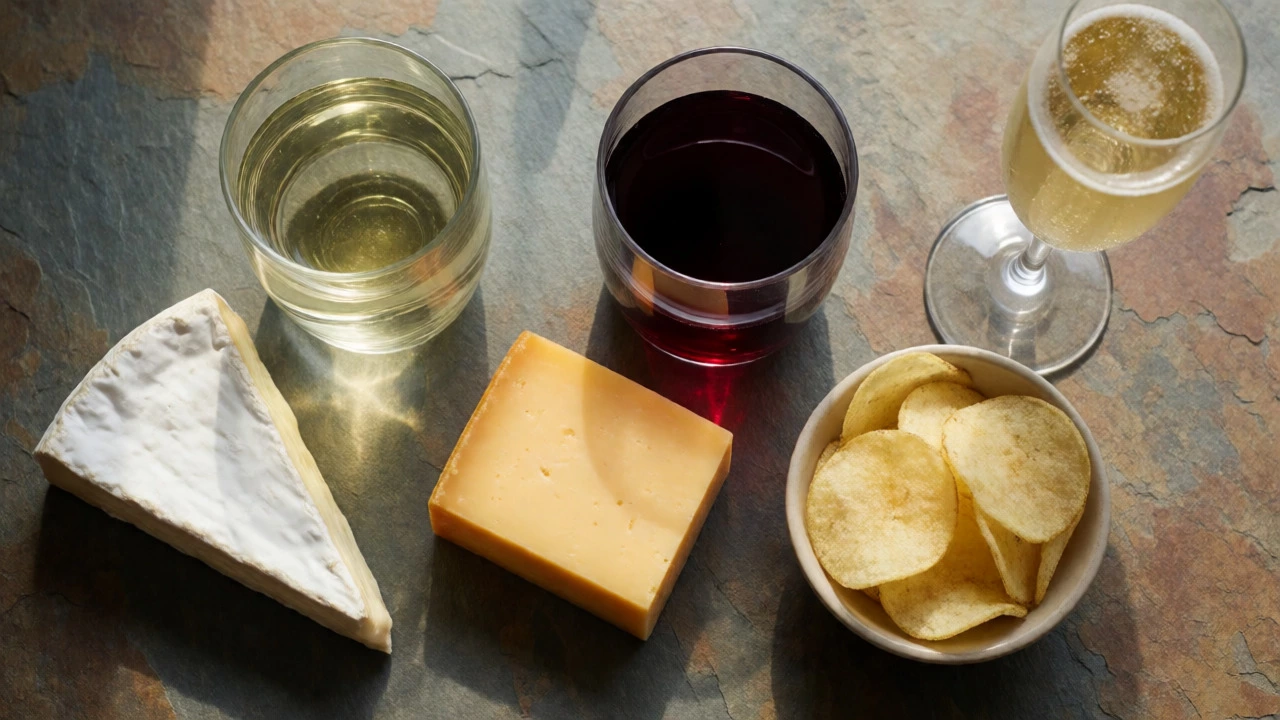
For high-acid whites like Riesling or Sauvignon Blanc, avoid sweet foods. Sugar suppresses acidity, making the wine taste flat. Instead, try something creamy or fatty. Brie or goat cheese works wonders because the fat coats the tongue, allowing the wine’s crispness to cut through the richness. It’s a balance of power.
With full-bodied reds like Cabernet Sauvignon or Shiraz, tannins are the main player. Tannins create that drying sensation in your mouth. Protein and fat counteract this. A cube of aged Cheddar or a piece of dark chocolate (70% cocoa or higher) binds with tannins, smoothing out the wine. Suddenly, that harsh edge disappears, and you taste more berry and spice. Without the food, the wine might seem too bitter or astringent to many palates.
Sparkling wines like Champagne or Prosecco love salt. The bubbles scrub the palate, and salt enhances the perception of dryness and minerality. Try potato chips-yes, really. Plain salted chips with a Brut Sparkling is a classic match because the carbonation refreshes you after each salty bite.
What to Avoid Before and During Tasting
Certain foods are notorious wine killers. Garlic is public enemy number one. Its sulfur compounds linger in your mouth and blood, altering how you perceive wine aromas. You might smell nothing but garlic, no matter how complex the bouquet is. Similarly, heavy spices like chili or curry can numb your taste buds temporarily. If you had a spicy Thai lunch before a 4 PM tasting, you’re fighting an uphill battle.
Sweet desserts are another trap. If you eat a slice of cake right before tasting a dry wine, the contrast makes the wine taste sour and thin. Always save sweets for the end, or better yet, skip them until after the session. Coffee is also tricky. The bitterness of espresso clashes with most wines, especially whites. If you need caffeine, drink it well before arriving, not during the flight.
- Garlic and Onions: Mask delicate floral and fruit notes.
- Mint: Can make wine taste artificially sweet or minty.
- Vinegar-heavy Salads: Add extra acidity that confuses the palate.
- Artificial Sweeteners: Often leave a metallic aftertaste that ruins finish quality.
Etiquette: How Much Should You Actually Eat?
This is where social anxiety kicks in. Do you polish off the whole plate? No. You’re there to taste wine, not have lunch. Take small bites. One cracker per two or three wines is plenty. Use the food to reset, not to fill up. If you’re too hungry, you’ll miss the subtleties. If you’re stuffed, you’ll feel sluggish.
Also, watch the pacing. Don’t eat immediately after spitting or swallowing. Give yourself ten seconds to let the wine’s finish evolve. Then take a sip of water, then a bite of food. This sequence helps isolate the flavors. If you eat while the wine is still coating your teeth, you mix the textures prematurely.
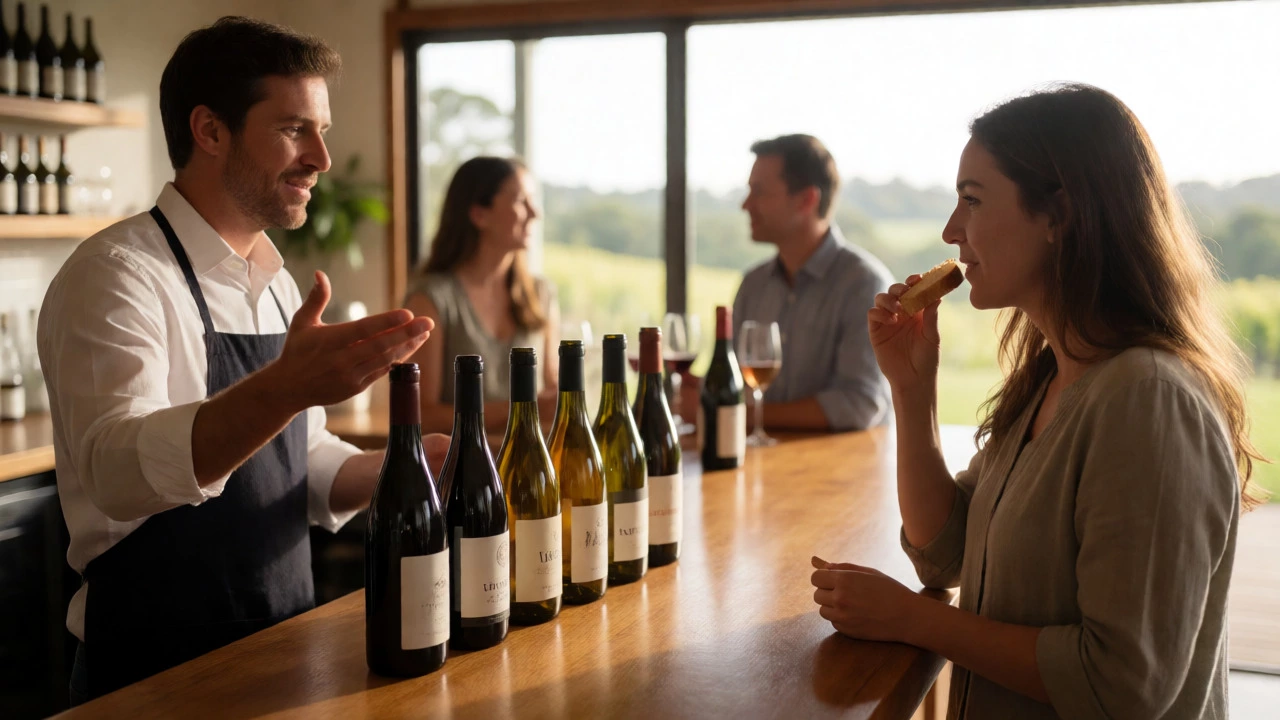
Another tip: ask questions. If you don’t understand why a certain snack was provided, ask the sommelier. Most hosts love explaining the logic behind their pairings. It shows interest and often leads to insider tips about the winery’s favorite combinations. In Australia, cellar doors are generally relaxed, but respecting the structure shows you value the craft.
Special Cases: Vertical Tastings and Blind Tastings
If you’re doing a vertical tasting-comparing vintages of the same wine-keep food extremely neutral. Even slight variations in salt or fat can skew comparisons. Stick to plain bread or water. You want to spot differences in age and development, not get distracted by cheese rinds.
Blind tastings require similar discipline. Since you don’t know what you’re drinking, introducing strong flavors clouds your deduction process. Keep snacks minimal. Save the bigger pairings for the reveal afterwards, when you can enjoy the wine freely without analytical pressure.
Practical Tips for Your Next Visit
Plan ahead. If you know you’re going to a tasting, eat a light, non-spicy meal two hours before. Something like grilled chicken with rice or a simple salad. This prevents hunger pangs without leaving strong residue. Bring your own neutral snacks if you’re sensitive to offered options. Some places offer heavily seasoned olives or flavored crisps that might throw you off.
Hydrate constantly. Drink water between every wine. Dehydration intensifies alcohol effects and dries out mucous membranes, reducing aroma detection. Aim for one glass of water for every two glasses of wine tasted.
Finally, trust your instincts. If a particular snack makes the wine taste weird, stop eating it. Everyone’s palate is unique. Maybe you’re sensitive to dairy fats, or maybe you prefer a bit of salt. Experiment slightly, but keep changes small so you can track what works.
Should I eat before a wine tasting?
Yes, but choose wisely. Eat a light, neutral meal about two hours before your tasting. Avoid spicy, garlicky, or highly acidic foods. This prevents hunger distractions while ensuring your palate remains sensitive to subtle wine flavors.
What foods ruin wine tasting?
Strong flavors like garlic, chili, mint, and vinegar interfere significantly. Heavy sugars in desserts also clash with dry wines. Additionally, artificial sweeteners and strong coffee can leave lingering tastes that mask the wine's natural profile.
Is it rude to refuse food at a wine tasting?
No, it is not rude. Hosts provide food as an option, not a requirement. If you prefer to taste without food, simply decline politely. However, having a small neutral snack is generally recommended to help pace your alcohol intake and cleanse your palate.
Can I bring my own food to a winery?
Policies vary by location. Many Australian cellar doors allow picnics in outdoor areas but prohibit outside food inside the tasting room. Check the venue's website beforehand. If allowed, stick to neutral items like plain crackers or mild cheese to avoid disrupting others' experiences.
Does eating affect how much wine I drink?
Eating slows alcohol absorption, helping you stay sober longer. This allows you to taste more wines responsibly. Without food, you may feel intoxicated faster, which can impair your ability to distinguish subtle flavor differences later in the tasting.