
3-Day Trip Budget Calculator
Your Trip Details
Your Estimated Budget
Total Cost:
Based on your selections
Breakdown by Category
Accommodation:
Transport:
Food:
Activities:
How much should a 3-day trip cost? There’s no single answer - but there are real numbers that actually work. I’ve tracked trips across Australia over the last two years - from Melbourne to the Great Ocean Road, up to the Gold Coast, and even a quick hop to Tasmania. Here’s what you really need to spend, not what travel blogs guess.
What Drives the Cost?
The price of a 3-day trip isn’t about how fancy your hotel is. It’s about three things: where you go, how you get there, and what you do. A weekend in regional Victoria costs half of what it does in Sydney or Brisbane. Flying adds $200-$400 right off the top. Eating out every meal? That’s $80-$120 a day. Cooking your own breakfast and packing lunches? You can cut that in half.Let’s break it down into real categories. No fluff. Just what you’ll pay if you plan smart.
Accommodation: Where You Sleep Matters Most
This is where most people overspend. You don’t need a 5-star hotel for a 3-day trip. A clean, central Airbnb or motel with a kitchenette works better. Here’s what I’ve seen in 2026:- Regional town (e.g., Daylesford, Wilsons Promontory): $80-$130/night
- City outskirts (e.g., outer suburbs of Melbourne, Gold Coast hinterland): $120-$180/night
- City center (e.g., CBD Melbourne, Surfers Paradise): $180-$300/night
- Hostel dorm bed (if you’re solo): $40-$70/night
For a 3-night stay, that’s $240-$900 just for lodging. If you’re traveling with a partner or friend, splitting a room cuts your cost per person in half. A $150/night Airbnb becomes $75 per person. That’s the first big saving.
Transport: Flying, Driving, or Public Transit?
If you’re driving, fuel and tolls are easy to calculate. From Melbourne to the Great Ocean Road? About 120km each way. That’s $40-$60 in petrol, depending on your car. Tolls? None on this route. Parking? Free at most beaches and lookouts. You’re looking at $80-$100 round trip.But if you’re flying? That’s where it gets messy. A return flight from Melbourne to Byron Bay or the Gold Coast? $180-$350 if you book 3 weeks ahead. Last-minute? $400-$700. Add $20-$40 for baggage and $15 for airport transfer. Total? $250-$800 just to get there and back.
Public transport? For trips under 300km, trains and buses are often cheaper. A return V-Line train to Ballarat? $60. A NSW Trainlink to Canberra? $110. You save on parking, fuel, and stress. But you lose flexibility. If you want to hike a trail or visit a farm stay, you’ll need to plan around schedules.
Food: Eat Like a Local, Not a Tourist
This is the sneaky budget killer. People think they need to eat out for every meal. They don’t.Here’s what a realistic food budget looks like:
- Breakfast: $10-$15 at a café (or $5 if you buy bread, fruit, and coffee at the supermarket)
- Lunch: $15-$25 at a pub or deli (or $8 if you pack a sandwich)
- Dinner: $25-$40 at a casual restaurant (or $15 if you cook in your rental)
- Snacks and coffee: $10-$20 per day
That’s $60-$100 per person per day if you eat out. If you cook one meal a day? Drop to $35-$50. A 3-day trip? You’re looking at $105-$300 for food. That’s a $150 swing just by packing a lunch.
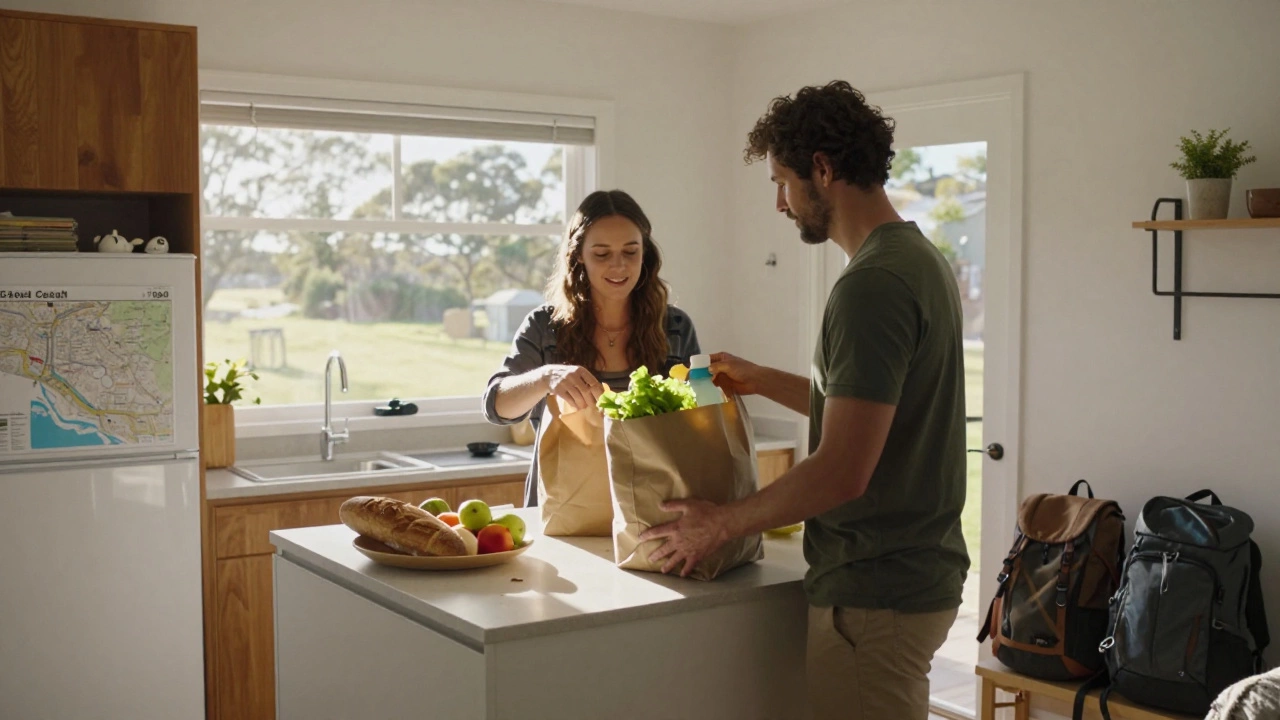
Pro tip: If your accommodation has a kitchen, hit the local farmers’ market. In Melbourne, the Queen Victoria Market has fresh fruit, cheese, and bread for way less than supermarkets. A $20 basket can cover two people for two meals.
Activities: Free Stuff Is Everywhere
You don’t need to pay for everything. Most of the best parts of a trip cost nothing.Here’s what’s free in popular 3-day destinations:
- Great Ocean Road: All viewpoints, beaches, and hikes - free
- Yarra Valley: Walk through vineyard grounds (tasting costs, but the view doesn’t)
- Gold Coast: Burleigh Heads Beach, Currumbin Wildlife Sanctuary (free entry for kids, $15 adults)
- Tasmania: Cradle Mountain National Park - free to enter, $20 for shuttle
- Adelaide: Glenelg Beach, Central Market stalls, Botanic Garden
Paid activities? Stick to one or two. A hot air balloon ride? $200. A guided kayak tour? $80. A theme park? $120 per person. Pick one splurge. The rest? Walk, swim, explore, and sit on a cliff with a sandwich.
Putting It All Together: Real Budget Scenarios
Let’s say you’re a couple from Melbourne planning a 3-day trip in April 2026. Here are three realistic budgets:1. Budget Trip - $500 Total
- Accommodation: $90/night x 3 nights = $270 (Airbnb outside city center)
- Transport: $80 (drive to Daylesford)
- Food: $105 ($35/day - cooked breakfast, packed lunch, one dinner out)
- Activities: $45 (one wine tasting, one hike)
You get a quiet escape, good food, and fresh air. No stress. No debt.
2. Mid-Range Trip - $1,100 Total
- Accommodation: $160/night x 3 = $480 (city-center hotel)
- Transport: $150 (return train to Adelaide)
- Food: $210 ($70/day - mix of cafes and cooking)
- Activities: $260 (botanic garden tour, museum, dinner at a top-rated restaurant)
This is what most couples spend. Comfortable. Memorable. No regrets.
3. Splurge Trip - $2,000+
- Accommodation: $300/night x 3 = $900 (luxury resort)
- Transport: $500 (return flight to Gold Coast)
- Food: $360 ($120/day - fine dining every night)
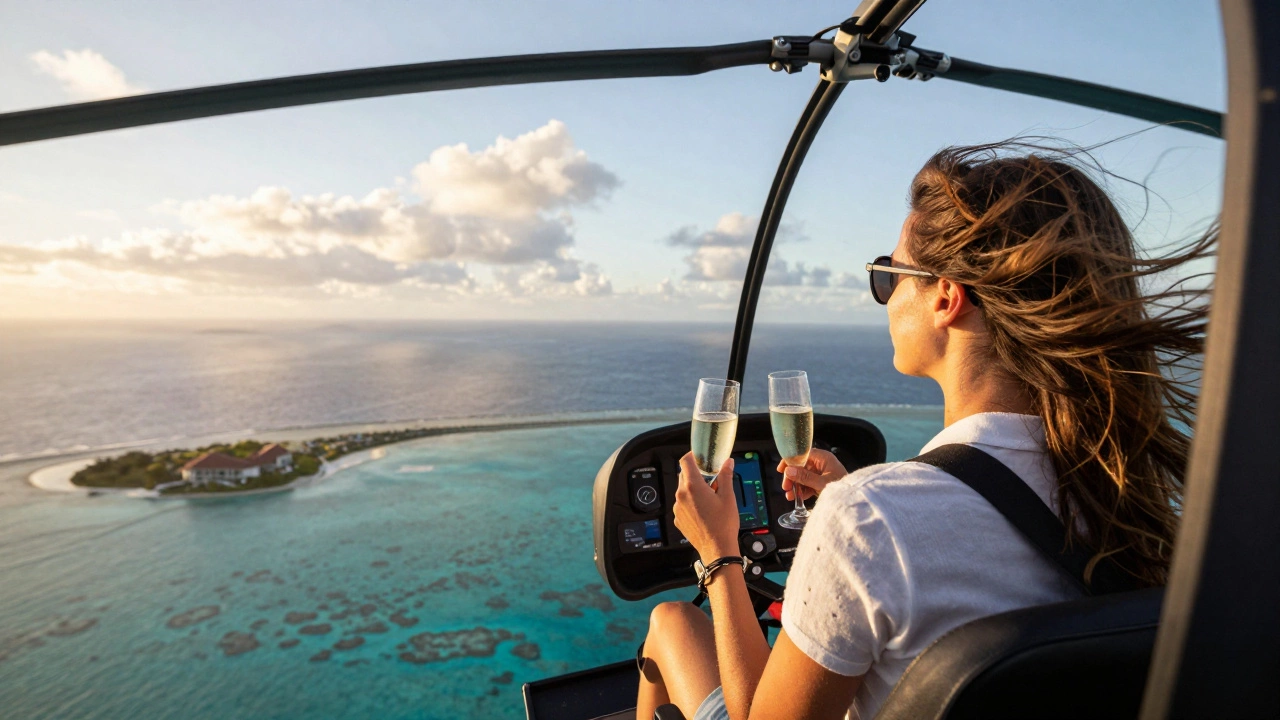
- Activities: $240 (helicopter tour, spa, theme park)
You’ll have a great time. But you’ll also be counting pennies for the next month.
What Most People Get Wrong
People think they need to book everything in advance. They don’t. For a 3-day trip, you can often show up and find deals. Hostels have last-minute discounts. Motels drop prices on Thursday nights. Farmers’ markets are cheaper on Sunday.Another mistake? Overestimating how much you’ll do. You won’t hike 10 trails in 3 days. You’ll sit on one beach, eat one great meal, and take 20 photos. That’s enough.
And don’t chase Instagram spots. The most popular photo locations are crowded and overpriced. The hidden ones? Often quieter, better, and free.
Final Rule: Set a Cap, Then Stick to It
Decide your maximum before you start planning. $600? $1,000? $1,500? Write it down. Then build your trip around that number - not the other way around.Travel isn’t about how much you spend. It’s about how much you feel alive when you’re away. A $300 trip where you slept under the stars and ate fresh bread from a roadside stall? That’s richer than a $2,000 weekend in a hotel with no view.
Plan smart. Stay flexible. Eat local. Walk more. You’ll come back rested - not broke.