
Outdoor Fun Generator
Staring at a screen? Feeling stuck? Tell us how much time you have and how you're feeling, and we'll suggest a simple way to get outside.
Step 1: Your Status
Select your options and click the button above to generate a personalized outdoor suggestion.
You’re sitting there, staring at the screen, wondering why you haven’t left the house in three days. The couch has become a trap, and the idea of stepping out feels like too much effort. But here’s the truth: going outside is the single most effective way to reset your brain and body. You don’t need a hiking backpack or a plane ticket. You just need a pair of shoes and a little curiosity.
Most people think "having fun" requires a plan, money, or a group of friends. It doesn’t. Fun is often just a side effect of movement and novelty. If you live in a city like Melbourne, you have parks, laneways, and waterfronts within walking distance. The barrier isn’t location; it’s inertia. This guide breaks down how to break that cycle with simple, actionable steps that work whether you have ten minutes or ten hours.
Start With Micro-Adventures
A micro-adventure is a short, cheap, and local experience that gives you the same thrill as a big trip but fits into an evening or weekend afternoon. You don’t need to climb Everest. You just need to change your perspective on what you already know.
Try this: pick a neighborhood you’ve never walked through. Leave your phone in your pocket (or put it on airplane mode). Walk for twenty minutes without looking at a map. Turn left when you feel curious, turn right when you see something interesting. This removes the pressure of a destination. You might find a hidden cafe, a weird statue, or a street musician playing jazz. The goal isn’t to get somewhere; it’s to notice things.
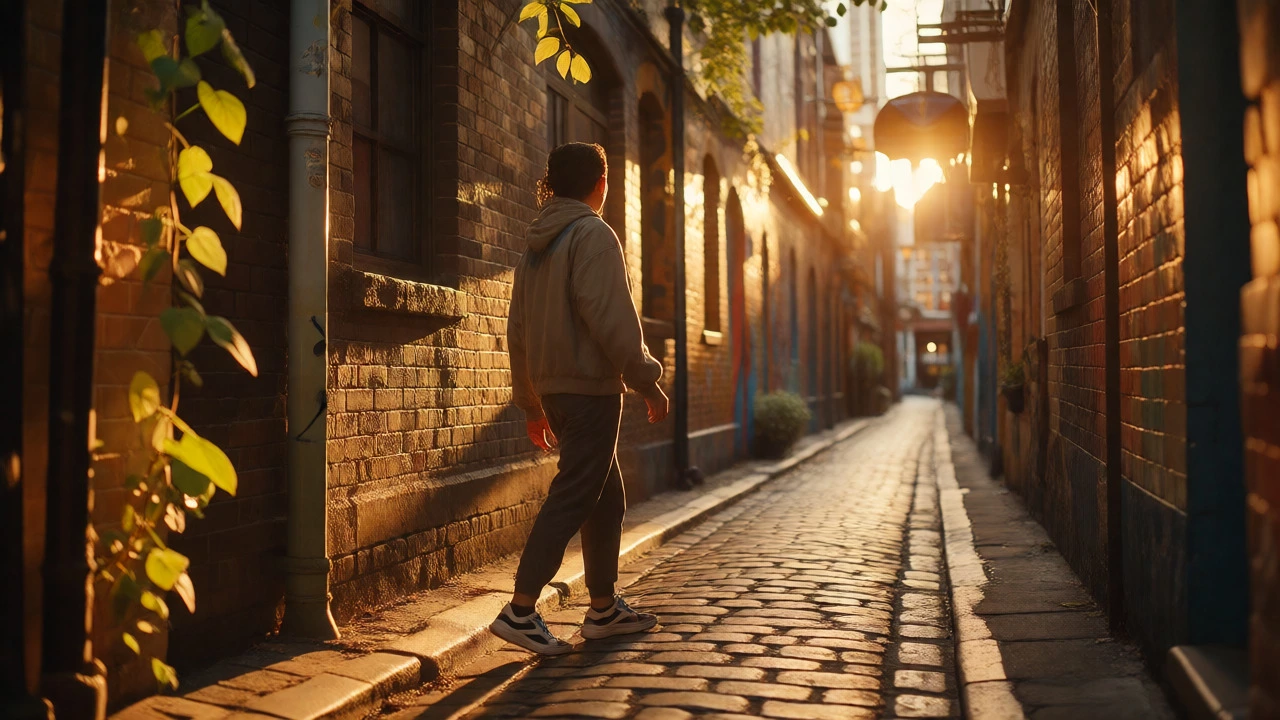
If you’re feeling brave, try a sunset walk. Timing matters. In late September in Australia, the sun sets around 7:00 PM. Head out at 6:30 PM. Watch how the light changes the color of buildings and trees. Photograph one thing that looks different in golden hour than it does at noon. This small shift in attention turns a boring walk into an observation game.
Reclaim Your Local Parks
We drive past parks every day but rarely stop. We treat them as green spaces we pass through, not places we play in. But parks are designed for more than just sitting on benches. They are playgrounds for adults if you use them right.
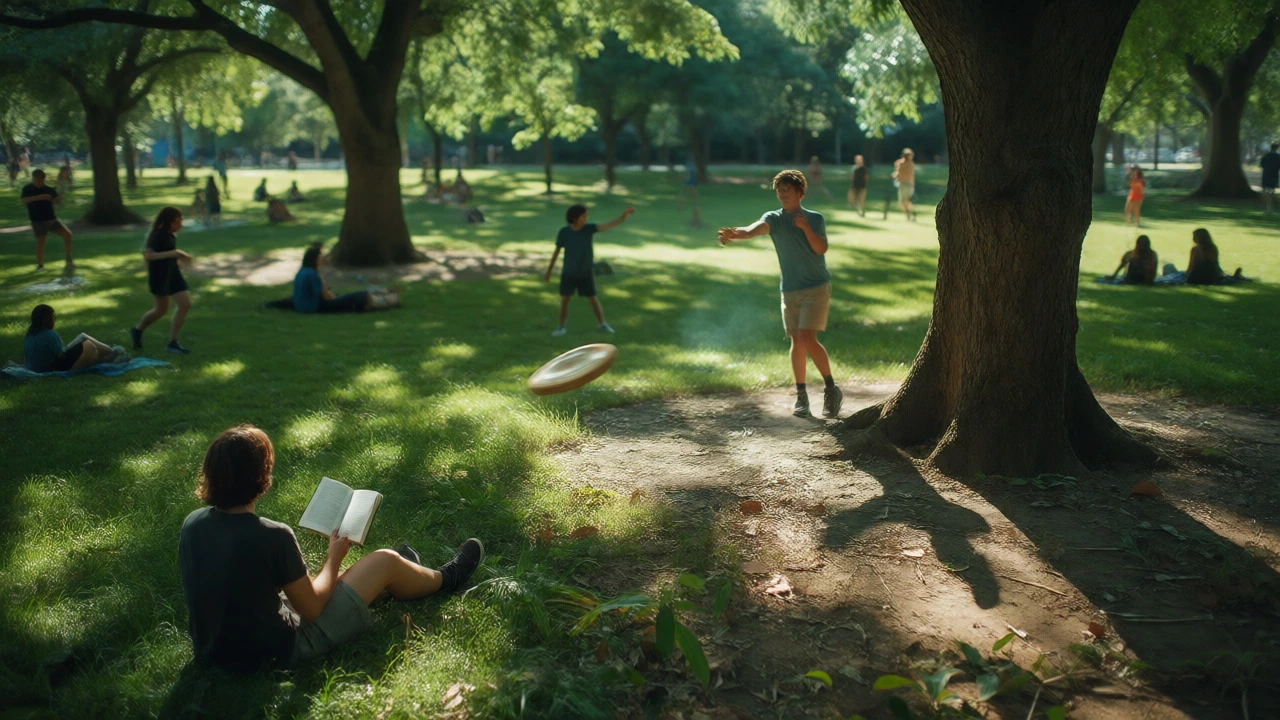
Bring a frisbee. It costs five dollars and works for one person (throw it against a wall or tree) or two. Bring a book and sit on the grass, not a chair. Feel the uneven ground. Listen to birds instead of podcasts. Or bring a sketchbook. You don’t need to be good at drawing. Just try to capture the shape of a leaf or the curve of a bench. It forces you to look closely, which is the opposite of scrolling.
For those who prefer structure, join a free community run club. Most cities have groups that meet weekly for a casual jog followed by coffee. It’s low commitment and high social reward. You’ll meet people who are also trying to get outside. Check local listings or apps like Meetup for "social running" or "walking groups."
Use Water to Reset
Water has a calming effect on humans. It’s evolutionary. Whether it’s a lake, river, ocean, or even a large fountain, being near water lowers stress hormones. If you’re near the coast, go to the beach. But don’t just sit there. Walk in the wet sand where the waves crash. The resistance makes you move differently. Pick up shells or sea glass. Look at the horizon line.
If you’re inland, find a riverbank or a canal. Sit by the edge. Watch the current. Throw a stone and count the ripples. This isn’t childish; it’s mindfulness disguised as play. Many urban rivers have paths that loop back to the start point, making them safe and easy to navigate. Bring headphones and listen to an audiobook, but keep one ear open for the sound of water.
Turn Errands Into Adventures
You have to buy groceries anyway. Why not make it an outdoor event? Instead of driving to the nearest supermarket, walk to a local market or a shop across town. Pack a bag so you can carry your purchases. This adds physical activity to a necessary task.
While you’re out, take a different route home. Every time. Your brain runs on autopilot during familiar commutes. Breaking the pattern forces it to pay attention. You’ll notice new shops, graffiti, or architecture. Make a game of it: spot three red doors, or find a cat sitting in a window. These small challenges make routine trips engaging.
Embrace Weather as Part of the Experience
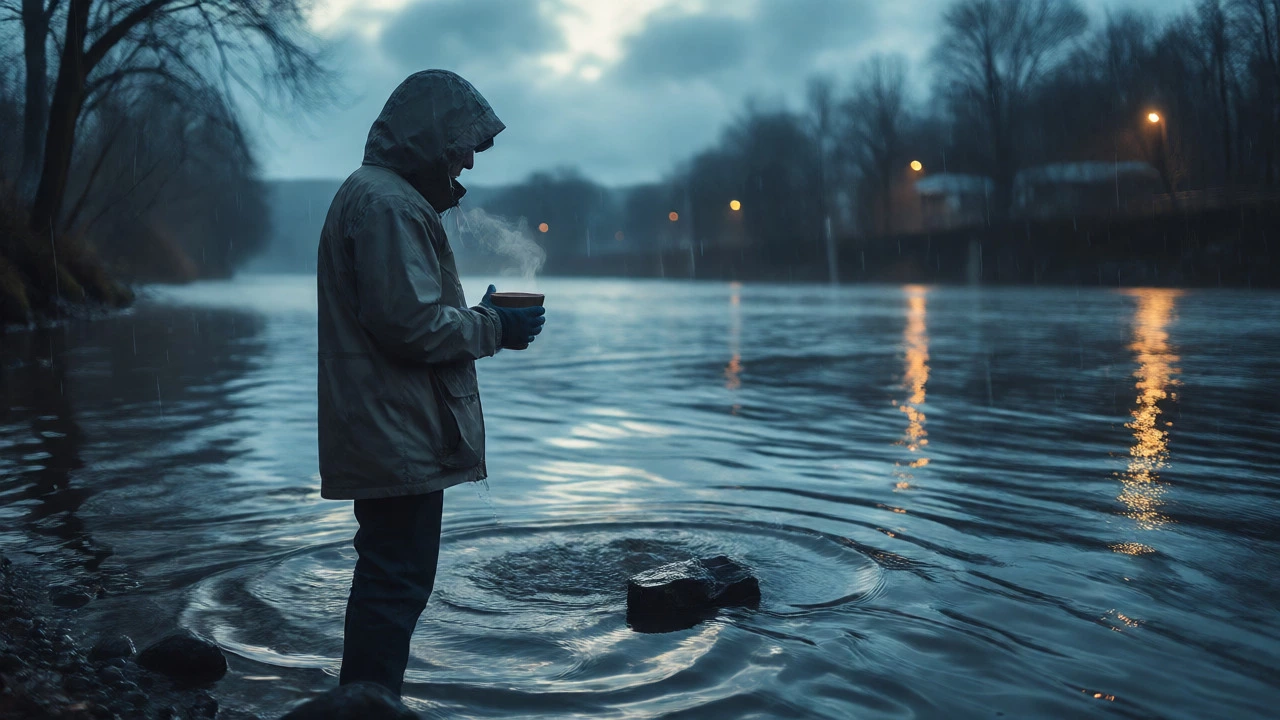
People wait for perfect weather. They say, "I’ll go out when it stops raining." But waiting means missing out. Rainy days are actually great for going outside because fewer people are out. The air smells cleaner. Puddles reflect lights. Put on waterproof boots and a jacket. Walk in the rain. Feel the coolness on your face. Buy a hot chocolate from a nearby kiosk and drink it while watching the storm.
Hot days? Go early in the morning or late in the evening. Seek shade under large trees. Bring a water bottle and splash it on your wrists. Cold days? Dress in layers and move faster. Walking briskly generates heat. The discomfort is temporary; the sense of accomplishment lasts all day.
Solo vs. Social Outdoor Fun
Some people recharge alone; others need company. Both are valid ways to enjoy the outdoors. Here’s how to approach each:
| Activity Type | Solo Benefits | Social Benefits |
|---|---|---|
| Walking/Hiking | Meditative, flexible pace, deep thinking time. | Conversation, safety in numbers, shared discovery. |
| Cycling | Freedom to stop anywhere, personal challenge. | Racing games, stopping for food together. |
| Picnic | No coordination needed, full control over menu. | Laughter, shared memories, easier setup with help. |
| Photography | Experiment freely, no judgment. | Get portraits taken, share tips instantly. |
If you’re solo, bring a journal. Write down three things you saw. If you’re with friends, suggest a photo scavenger hunt. First person to photograph a blue car, a dog, and a cloud wins. It keeps everyone engaged and moving.
Overcoming the "I’m Too Tired" Excuse
The biggest enemy of outdoor fun is fatigue. You think you’re too tired to walk. But science shows that light exercise reduces fatigue. Sitting still drains energy; moving creates it. Start with five minutes. Tell yourself you’ll only go out for five minutes. If you still hate it after five minutes, come back inside. You rarely will. Once you’re out, the fresh air wakes you up.
Prepare your gear the night before. Lay out your shoes, jacket, and water bottle by the door. Remove friction. If you have to search for socks, you won’t go. If they’re ready, you’ll slip them on and head out.
Frequently Asked Questions
What if I live in a concrete jungle with no parks?
You don’t need a park. Streets are outdoor spaces. Walk through alleyways, visit rooftop gardens, or explore industrial areas. Architecture counts as nature’s counterpart. Look for vertical gardens on buildings or planters in sidewalk cafes. Even a quiet residential street with old trees offers a change of scenery from your living room.
How do I stay motivated to go outside regularly?
Habit stacking works best. Attach outdoor time to an existing habit. For example, always walk to the post office instead of driving, or listen to your favorite podcast only while walking outside. Track your streak on a calendar. Seeing consecutive days marked encourages you to continue. Also, vary your routes to prevent boredom.
Is it safe to go outside alone at night?
Generally, yes, in well-lit, populated areas. Stick to main streets and avoid isolated parks after dark. Let someone know your route. Trust your instincts-if a place feels uncomfortable, leave. Carrying a flashlight helps visibility and signals awareness to others. Urban night walks offer unique views of illuminated buildings and quieter streets.
What gear do I really need to start?
Comfortable shoes are non-negotiable. Beyond that, dress in layers so you can adjust to temperature changes. A reusable water bottle keeps you hydrated. A lightweight rain jacket prepares you for sudden weather shifts. Avoid heavy hiking boots unless you’re on rough terrain; sneakers are fine for city walks. Keep it minimal to reduce barriers.
How can I make outdoor activities fun for kids?
Give them a mission. Collect leaves, rocks, or sticks. Build a fort from branches. Play "I Spy" or race to a landmark. Kids engage better with purpose than passive walking. Bring snacks to create positive associations. Let them choose the direction occasionally to give them control.