
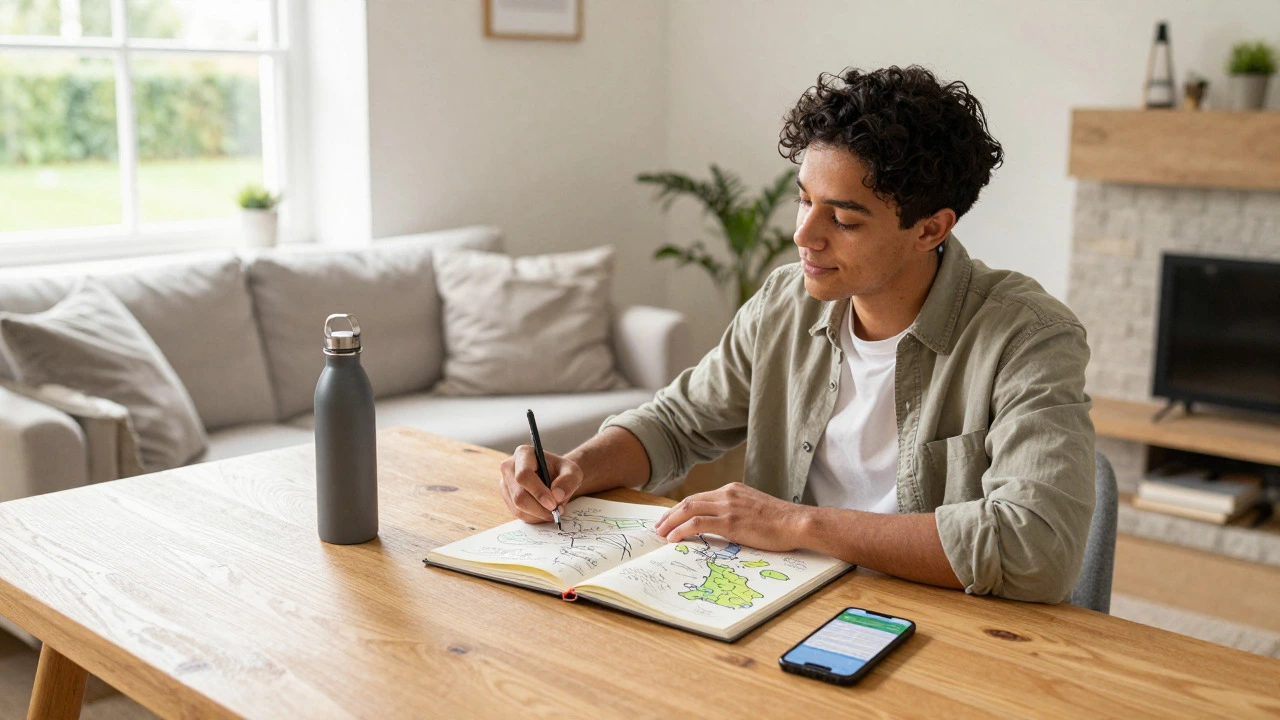
Weekend Trip Budget Planner
Ever looked at your bank account after a long week and thought, "I need a break," only to remember that your wallet is equally exhausted? You are not alone. The idea of a weekend getaway is a short leisure trip taken over two or three days, typically involving minimal planning and lower costs than extended vacations sounds perfect until you start calculating flights, hotels, and meals. But here is the secret most people miss: you do not need a fortune to escape the daily grind. With a little strategy, you can plan a memorable budget weekend trip that refreshes your spirit without draining your savings.
The key isn't just spending less; it's spending smarter. It involves knowing when to book, where to stay, and how to eat like a local rather than a tourist. Let's break down exactly how to pull this off, step by step, so your next adventure is as stress-free as it is affordable.
Choose Your Destination Wisely
The biggest mistake budget travelers make is falling in love with a destination before checking the price tag. If you live in a major city like Melbourne, Sydney, or London, international flights might be out of reach for a quick 48-hour escape. Instead, look closer to home. Domestic travel often offers better value because you save on airfare and reduce transit time.
Consider cities within a 3-to-5-hour drive or a short domestic flight. Places like Geelong, Daylesford, or even regional towns in Victoria offer charming accommodations and unique experiences without the premium pricing of capital cities. Research destinations that have free attractions. National parks, public beaches, and walking tours are often included in the price of admission-your energy. Avoid places known for high tourist taxes or expensive entry fees unless they are absolutely essential to your trip.
Master the Art of Flexible Timing
Flexibility is your greatest ally when traveling on a budget. Prices for accommodation and transport fluctuate wildly based on demand. If you are locked into leaving every Friday evening and returning Sunday night, you are paying the highest possible rates. Try shifting your schedule by just one day. Leaving on a Saturday morning and returning Monday afternoon can slash hotel costs by up to 30%.
Use fare comparison tools to track prices. Set alerts for flights or train tickets to your target destinations. Sometimes, booking last minute can yield deals if airlines or hotels are desperate to fill empty seats, but generally, booking 2-4 weeks in advance strikes the best balance between availability and price. Also, consider the weather. Shoulder seasons (spring and autumn) often provide mild weather and fewer crowds, which means better deals on everything from lodging to activities.
Cut Accommodation Costs Without Sacrificing Comfort
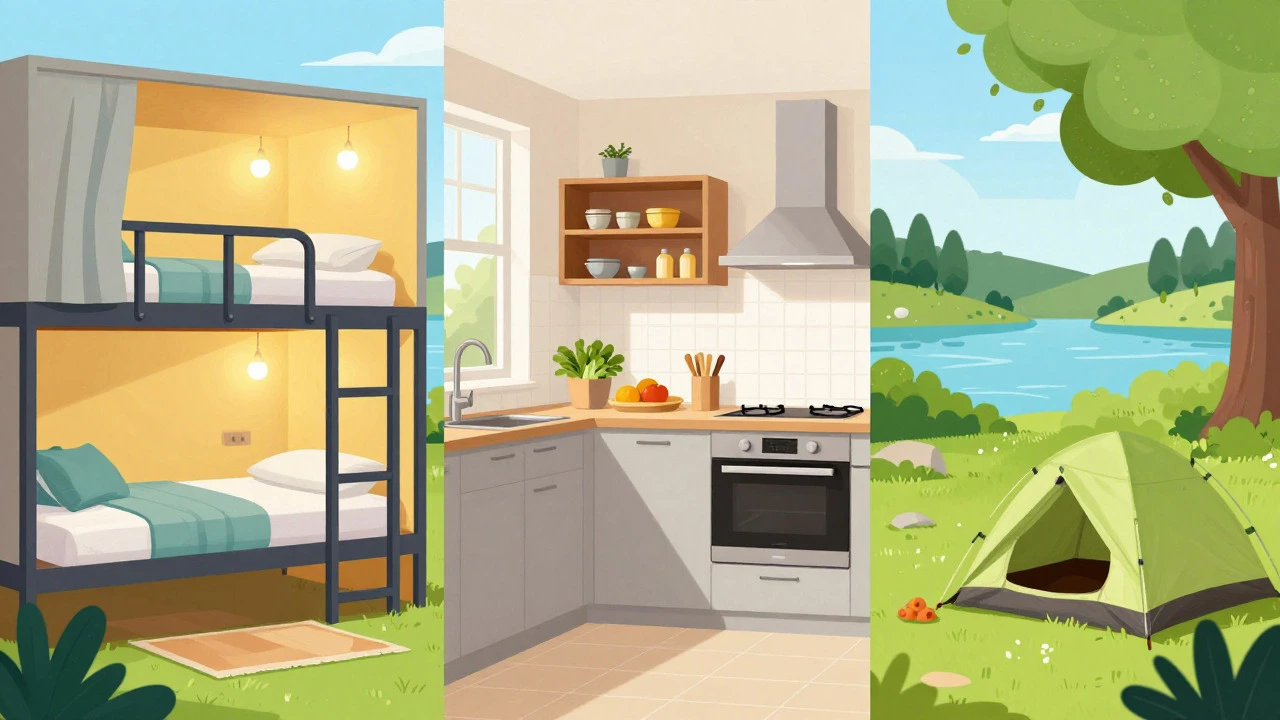
Hotels are convenient, but they are rarely the cheapest option. For a budget-friendly stay, explore alternatives. Hostels have evolved significantly; many now offer private rooms with en-suite bathrooms at a fraction of hotel prices. Platforms like Airbnb or Booking.com allow you to filter by price and read reviews to ensure quality.
If you are traveling with friends or family, renting an entire apartment or house can be more economical per person than multiple hotel rooms. Plus, having a kitchen allows you to prepare some meals, saving money on dining out. Campgrounds are another excellent option if you enjoy the outdoors. Many campgrounds near urban centers offer powered sites with shower facilities, providing a comfortable base for exploring nature at a very low cost.
| Option | Average Cost (AUD) | Pros | Cons |
|---|---|---|---|
| Budget Hotel | $120 - $180 | Central location, amenities | Small rooms, no kitchen |
| Hostel Private Room | $80 - $120 | Social atmosphere, cheap | Shared bathrooms, noise |
| Airbnb/Apartment | $90 - $150 | Kitchen, space, local feel | Cleaning fees, variable quality |
| Campground | $30 - $60 | Nature experience, very cheap | Requires gear, limited facilities |
Eat Like a Local, Not a Tourist
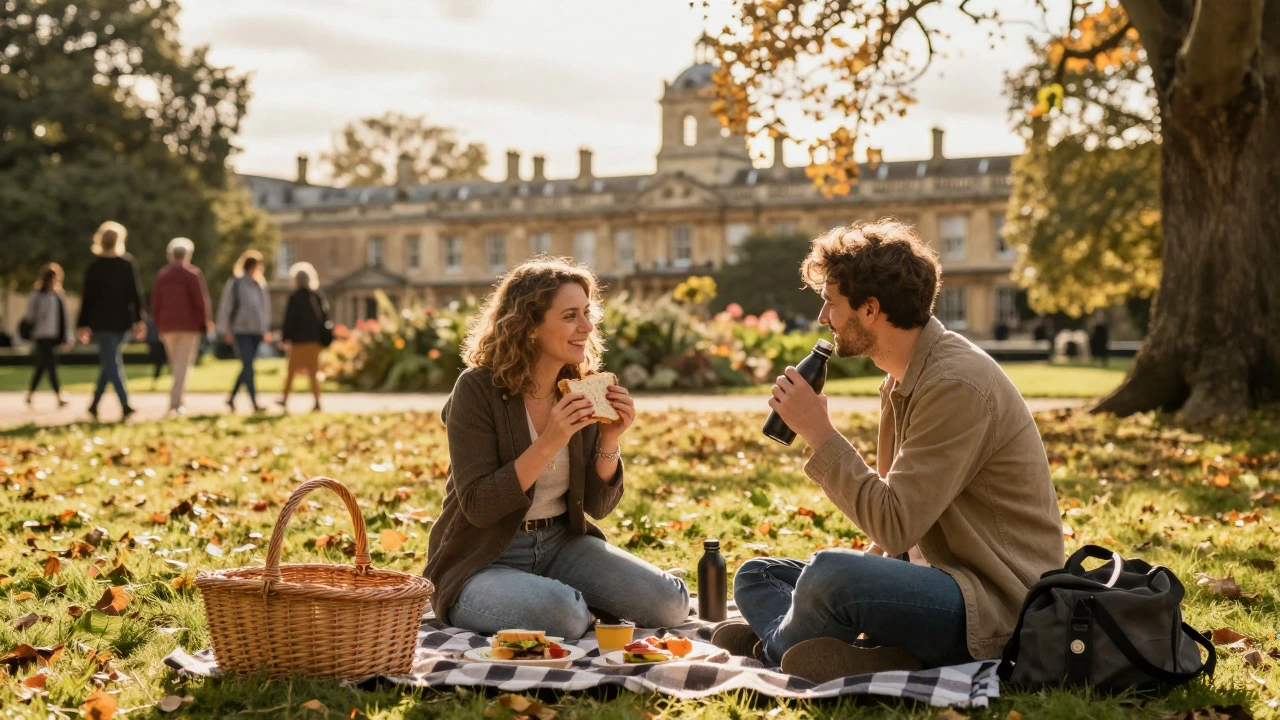
Food is often the biggest unexpected expense on a trip. Restaurant menus in tourist hotspots are inflated. To keep costs down, embrace street food and local markets. In Australia, visit your nearest farmers' market or food hall. You can find fresh, delicious meals for half the price of a sit-down restaurant. Grab a coffee and a pastry for breakfast, picnic lunch with sandwiches from a local deli, and treat yourself to one nice dinner during the weekend.
Another pro tip: drink water. Bottled water adds up quickly. Carry a reusable bottle and refill it at public fountains or your accommodation. Alcohol also drains budgets fast. Limit drinks to one or two special occasions, or take advantage of happy hour deals if you do go out. Cooking some of your own meals using ingredients bought from a local grocery store is a game-changer for budget travelers.
Transportation Hacks
Getting there is half the battle. If driving, carpooling with friends splits fuel costs and makes the journey more enjoyable. Ensure your vehicle is serviced beforehand to avoid costly breakdowns. Public transport is often cheaper and less stressful than driving, especially in congested areas. Look for multi-day transit passes which offer unlimited rides for a fixed price.
For longer distances, compare trains and buses against flights. Sometimes, a scenic train ride can be part of the experience and cost less than flying plus airport transfers. Ride-sharing apps can also help with getting around once you arrive, but always check if public transport is a viable alternative first. Walking is free, healthy, and often the best way to discover hidden gems in a new city.
Free and Low-Cost Activities
You don't need to pay for entertainment to have a great time. Research free events happening during your visit. Many museums offer free entry on certain days or hours. Parks, botanical gardens, and hiking trails are usually free and provide beautiful scenery and exercise. Look for free walking tours, which operate on a tip-based system. These tours give you valuable insights into the history and culture of the area without a hefty upfront fee.
Explore neighborhoods on foot. Get lost in interesting streets, window shop, and observe local life. This kind of exploration is authentic and costs nothing. Check local community boards or social media groups for pop-up markets, outdoor concerts, or art installations. Engaging with the local environment in this way often leads to more memorable experiences than paid attractions.
Final Tips for a Stress-Free Budget Trip
Before you leave, create a simple budget spreadsheet. Estimate costs for transport, accommodation, food, and activities. Add a 10% buffer for unexpected expenses. Stick to this budget by tracking your spending daily. Use cash for small purchases to physically see your money going out, which helps curb impulse buys. Finally, pack light. Overpacking leads to extra baggage fees and physical discomfort. A single carry-on bag is sufficient for a weekend trip and keeps you mobile and agile.
Planning a budget weekend trip is about prioritizing experiences over luxury. By being flexible, researching thoroughly, and making smart choices, you can enjoy a refreshing break without financial stress. Remember, the goal is to recharge, not to overspend. Start planning today, and your next adventure could be closer-and cheaper-than you think.
How much should I budget for a weekend trip?
A realistic budget depends on your destination and travel style, but for a domestic weekend trip in Australia, aim for $300-$600 per person. This covers accommodation ($100-$200), food ($100-$150), transport ($50-$150), and activities ($50-$100). Adjust based on whether you choose camping or hotels, and self-catering vs. dining out.
What are the best times to book for the lowest prices?
Book flights and trains 2-4 weeks in advance for the best deals. For accommodation, mid-week stays (Sunday to Tuesday) are significantly cheaper than weekends. Avoid public holidays and school breaks if possible, as prices surge during these periods.
Can I really save money by cooking my own meals?
Yes, absolutely. Eating out for every meal can double your food budget. By preparing breakfast and lunch using groceries from local stores, you can save $50-$100 per person over a weekend. Just ensure your accommodation has basic kitchen facilities.
Are hostels safe for solo travelers?
Most reputable hostels are very safe, offering lockers, secure reception, and clean facilities. Read recent reviews specifically mentioning safety and cleanliness. Dormitory rooms offer social opportunities, while private rooms provide more privacy. Always use a padlock for your belongings.
How do I find free things to do in a new city?
Search online for "free events in [city name]" or check local tourism websites. Museums, parks, and walking tours are common free options. Social media groups and community boards also list local happenings. Don't underestimate the joy of simply exploring neighborhoods on foot.