
Find Your Perfect Tour Type
Answer these questions about your travel style to discover which tour type fits you best.
Sightseeing
Highlights ReelGuided Group
Social ExperienceAdventure
Niche InterestsSelf-Guided
Total FreedomYour Recommended Tour Type
Sightseeing Tours
Why this fits you:
Based on your preference for low planning effort and seeing major landmarks efficiently...
Key Features:
Best For:
First-time visitors with limited time who want a visual checklist of famous spots.
Comparison Scores
You’ve probably booked a tour before. Maybe it was a quick bus ride through Rome to see the Colosseum, or perhaps a multi-day hike in Patagonia with a local expert leading the way. But have you ever stopped to think about why those experiences felt so different? It’s not just the destination. The structure, the pace, and the level of interaction all change based on the type of tour you choose.
Understanding the four main types of tours can save you from booking the wrong experience. Imagine paying premium prices for a luxury cultural immersion only to realize you’re stuck on a crowded coach bus with a rushed itinerary. Or worse, signing up for an independent self-guided trip when you actually needed someone to handle the logistics in a foreign country. Knowing the difference between these categories helps you match your travel style, budget, and energy levels to the right product.
1. Sightseeing Tours: The Highlights Reel
When most people hear the word "tour," they picture a Sightseeing Tour is a structured excursion designed to showcase the major landmarks and attractions of a specific location. These are the bread and butter of the tourism industry. They are typically short-duration, high-density experiences aimed at showing you as much as possible in as little time as possible.
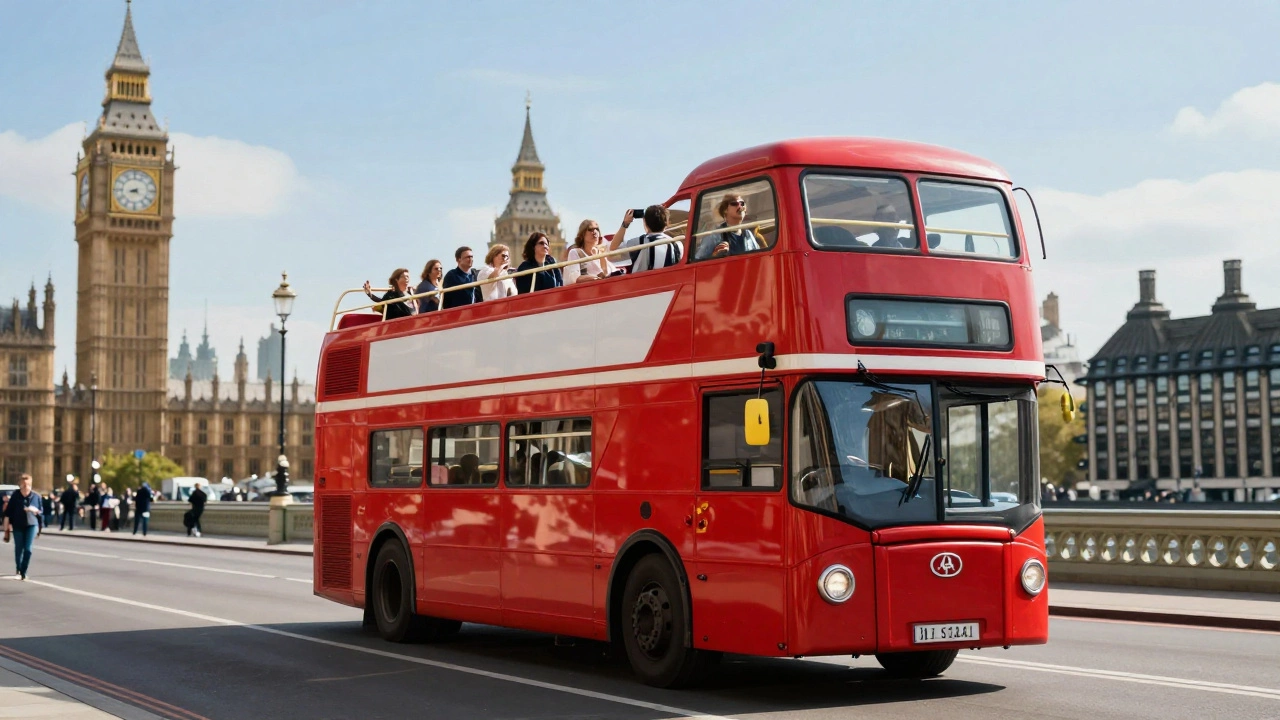
The classic example is the hop-on-hop-off bus tour found in cities like London, New York, or Sydney. You board a double-decker bus, listen to pre-recorded audio commentary about the history of Big Ben or the Empire State Building, and get dropped off near the entrance. The goal here is efficiency. If you have two days in Paris and want to see the Eiffel Tower, the Louvre, and Notre Dame without getting lost, this is your safety net.
However, there’s a trade-off. Sightseeing tours often lack depth. You might stand outside the Palace of Versailles for twenty minutes while the guide shouts over the wind, rather than spending an hour inside understanding the political context of the French Revolution. These tours are best for first-time visitors who need orientation or travelers with very limited time. They provide a visual checklist of famous spots but rarely offer personal connection or deep cultural insight.
2. Guided Group Tours: The Social Experience
If sightseeing tours are about seeing things, Guided Group Tours are organized trips where a professional leader manages logistics, accommodation, and activities for a cohort of travelers. This category covers everything from weekend city breaks to month-long world expeditions. Companies like G Adventures, Intrepid Travel, or even traditional giants like TUI operate in this space.
The defining feature here is the "managed" aspect. You don’t worry about finding hotels, buying train tickets, or figuring out which restaurant isn’t a tourist trap. The guide handles it all. In exchange, you follow a set schedule. Breakfast is at 7:30 AM, the museum visit starts at 9:00 AM sharp, and dinner is reserved at 7:00 PM. There is little flexibility, but there is also zero stress.
Another huge benefit is the social element. You are traveling with a group of strangers who share similar interests. For solo travelers, this is a massive advantage. You’ll likely make friends quickly because you’re sharing meals, transport, and unexpected mishaps (like a delayed flight) together. However, you must be willing to compromise. If you want to spend three hours in a shoe shop and the rest of the group wants to leave, you go with the group. This type of tour suits people who value convenience and community over total freedom.
3. Adventure and Specialty Tours: Niche Interests
Not everyone wants to look at buildings. Some travelers want to climb them, swim under them, or learn how they were built. This brings us to Adventure and Specialty Tours, which are experiential trips focused on specific activities, skills, or niche themes rather than general observation.
This category is incredibly broad. It includes hiking treks in the Andes, scuba diving courses in the Great Barrier Reef, culinary tours in Thailand, or photography workshops in Iceland. The common thread is expertise. The guide isn’t just a historian; they are a certified mountain leader, a master chef, or a professional photographer. The value proposition shifts from "seeing" to "doing" or "learning."
For example, a standard sightseeing tour in Peru might take you to Machu Picchu via train and bus. An adventure tour would have you hike the Inca Trail for four days, dealing with altitude, physical exertion, and camping conditions. The outcome is the same destination, but the experience is radically different. These tours often require higher fitness levels or specific skill sets. They appeal to travelers who view tourism as a form of education or physical challenge. You aren’t just passing through; you are engaging deeply with a specific aspect of the culture or environment.

4. Self-Guided and Independent Tours: Total Freedom
On the opposite end of the spectrum lies Self-Guided Tours, which are travel itineraries where the traveler plans and executes their own schedule, often using digital tools or pre-planned packages without a human leader. While "independent travel" sounds like doing everything yourself from scratch, modern self-guided tours often sit in a middle ground. Companies like Insight Vacations or Black Sheep Travel offer packages where hotels and trains are booked for you, but you arrive at each destination on your own, with no group to wait for.
Digital technology has revolutionized this category. Apps like VoiceMap or Rick Steves’ Europe allow you to walk around a city at your own pace, listening to curated audio guides that trigger as you approach specific locations. You stop when you want, you eat where you want, and you explore side streets that buses never reach. This offers the highest level of autonomy.
The downside? Responsibility. If you miss your train, that’s on you. If you get lost in Tokyo, you need to navigate it yourself. This type of tour requires more planning, research, and confidence. It suits experienced travelers, couples, or families who dislike rigid schedules and prefer the spontaneity of discovering hidden gems. It’s less about the "must-see" list and more about the personal journey.
Comparing the Four Types: Which One Fits You?
To help you decide, let’s break down the key differences across several dimensions. Understanding these trade-offs is crucial for a satisfying trip.
| Feature | Sightseeing | Guided Group | Adventure/Specialty | Self-Guided |
|---|---|---|---|---|
| Cost Level | Low to Medium | Medium to High | High | Variable (Low to High) |
| Flexibility | Very Low | Low | Low (Activity-focused) | Very High |
| Social Interaction | Minimal | High | Moderate (Niche groups) | None (Unless sought) |
| Planning Effort | None | None | Low (Logistics handled) | High |
| Best For | First-timers, Short stays | Solo travelers, Families | Hobbyists, Active travelers | Independent spirits, Couples |

How to Choose the Right Tour for Your Next Trip
Picking the right tour isn’t just about the destination; it’s about your personality and current life situation. Ask yourself these questions before booking:
- What is your tolerance for uncertainty? If the idea of missing a connection causes anxiety, stick to Guided Group or Sightseeing tours. If you thrive on improvisation, choose Self-Guided.
- Do you want to meet people? Solo travelers often find Guided Groups invaluable for making friends. Couples or families might prefer the privacy of Self-Guided options.
- What is your primary goal? Is it relaxation? Learning? Physical achievement? Relaxation doesn’t fit well with Adventure tours. Learning fits poorly with passive Sightseeing buses.
- What is your budget? While some luxury group tours exist, generally, Self-Guided and Sightseeing are the most cost-effective. Adventure tours often carry premium prices due to specialized equipment and expert guides.
Consider a hybrid approach. Many travelers now mix types. You might book a Guided Group tour for a complex region like Southeast Asia, where logistics are tough, but opt for Self-Guided days in familiar places like Europe. Or, take a Sightseeing bus for half a day to orient yourself, then switch to a walking app for the afternoon.
Common Pitfalls to Avoid
Even with the right type chosen, mistakes happen. Here are a few traps to watch out for.
The "Hidden Cost" Trap: Cheap sightseeing tours often exclude entry fees to major monuments. Always check if the ticket price includes skip-the-line access or just the bus ride. Similarly, adventure tours may not include gear rental or park permits. Read the fine print.
The Pace Mismatch: Don’t underestimate the physical demand of "easy" hikes in adventure tours. Altitude and humidity change everything. Conversely, don’t assume a slow-paced cultural tour will be relaxing; standing for six hours in a museum can be exhausting.
The Group Size Illusion: A "small group" tour might still mean 25 people. If you want intimacy, look for operators that cap groups at 8-12 people. Large groups move slower and attract more attention, which can detract from the experience.
Are private tours worth the extra cost compared to group tours?
Private tours are significantly more expensive, often costing 3 to 5 times more than group equivalents. They are worth it if you value flexibility, have specific accessibility needs, or are traveling with young children who cannot adhere to a strict schedule. For budget-conscious travelers or those seeking social interaction, group tours offer better value.
Can I combine different types of tours in one trip?
Absolutely. This is often called a "multi-modal" itinerary. For example, you might start with a guided group tour to handle the logistics of crossing borders, then switch to a self-guided segment for a few days of free exploration, and end with a specialty food tour in the final city. Just ensure the dates align and you have buffer time for travel between segments.
Which type of tour is best for solo travelers?
Guided group tours are widely considered the best option for solo travelers. They eliminate the single-supplement fee often charged by hotels for solo guests, provide built-in companionship, and offer a sense of security in unfamiliar environments. Adventure tours are also popular among solos who share specific hobbies.
Is a sightseeing tour the same as a walking tour?
Not necessarily. While both fall under the broader umbrella of guided experiences, a sightseeing tour often implies a vehicle-based overview (bus, boat, tram) covering many points. A walking tour is usually more focused, slower-paced, and allows for deeper interaction with the guide and the immediate surroundings. Walking tours can be part of sightseeing, but they are distinct in format.
How do I know if an adventure tour is too difficult for me?
Look for the "fitness rating" provided by the tour operator. Reputable companies use standardized scales (e.g., Easy, Moderate, Strenuous). Check the daily mileage, elevation gain, and duration of activity. If you are unsure, contact the company directly and describe your recent physical activity. Never assume "moderate" means easy; in mountainous regions, moderate can involve steep climbs at high altitude.