
VR Sector Adoption Simulator
Select a sector below to analyze its current status, growth trend, and primary use cases in the 2026 landscape.
Healthcare
High GrowthIndustrial
Steady GrowthFitness
ModerateGaming
DecliningSelect a sector to view details
Explore why VR is thriving in some areas while struggling in others.
You’ve probably noticed it. That buzz you felt when Virtual Reality was the next big thing for gaming and social connection a few years ago? It’s quieter now. Stores aren’t overflowing with headsets like they were in 2023. Friends who swore they’d live in the metaverse are back on their phones. So, is VR losing popularity? Or is it just changing shape?
The short answer is: yes and no. If you define popularity as "everyone buying a headset every weekend," then yes, that hype has cooled significantly. But if you look at how people actually use these devices today, the story is more nuanced. We haven’t abandoned VR; we’ve stopped treating it like a magic wand that solves everything overnight.
The Post-Hype Hangover: Why Sales Slowed Down
To understand where we are in May 2026, we have to look at what happened between 2022 and 2024. During that window, major tech companies poured billions into marketing VR as the future of work, social life, and entertainment. They promised a seamless transition to a digital world. What they delivered was clunky hardware, expensive subscriptions, and content that often felt unfinished.
Meta Platforms, formerly Facebook, pushed hard with its Quest series. While the Meta Quest 3 remains a solid piece of hardware, the ecosystem struggled to find a killer app beyond fitness and casual gaming. Meanwhile, Apple Inc. entered the chat with the Vision Pro. Instead of competing directly on price, Apple positioned itself in a premium niche called spatial computing. This split the market. You had affordable VR for gamers and ultra-expensive AR/VR hybrids for professionals. There was no middle ground for the average consumer who just wanted a fun weekend toy.
This gap caused a drop in impulse purchases. People weren’t sure what to buy. Was VR dead? No. It was just confused.
The Shift from VR to Mixed Reality
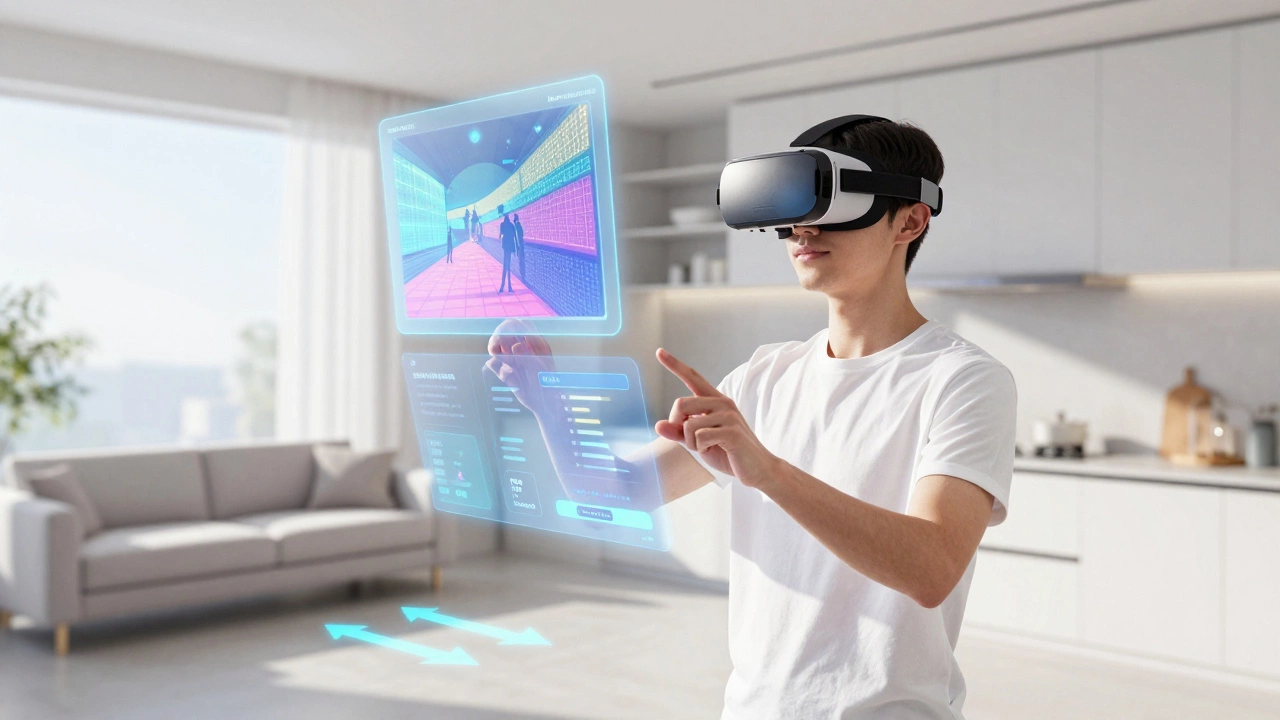
The biggest reason VR feels less "popular" is that it’s evolving into something else: Mixed Reality (MR). Pure VR isolates you. You put on a blindfold and forget your living room exists. MR lets you see your room while adding digital layers on top. For most people, isolation isn’t fun after an hour. It’s lonely and disorienting.
In 2025 and 2026, the industry pivot toward passthrough technology became undeniable. Headsets like the Quest 3 and Vision Pro use high-quality cameras to show you the real world. This changed how developers build experiences. Instead of creating closed worlds, they started building apps that enhance your physical space. Think of a virtual movie screen floating above your coffee table, or a navigation arrow projected onto your actual floor while you walk outside.
This shift makes the technology less "gimmicky" and more practical. It doesn’t get headline news because it’s not revolutionary in the same way the first iPhone was. It’s evolutionary. And evolution doesn’t always make noise.
Where VR Is Still Thriving: Niche Dominance
If you only look at consumer sales charts, VR looks weak. But if you look at specific verticals, it’s booming. These sectors don’t need mass adoption to succeed; they need reliability and immersion.
| Sector | Growth Trend | Primary Use Case |
|---|---|---|
| Healthcare & Training | High Growth | Surgical simulation, PTSD therapy |
| Industrial Design | Steady Growth | Prototyping, remote collaboration |
| Fitness & Wellness | Moderate Growth | Immersive workouts, meditation |
| Consumer Gaming | Declining/Stagnant | Casual games, multiplayer shooters |
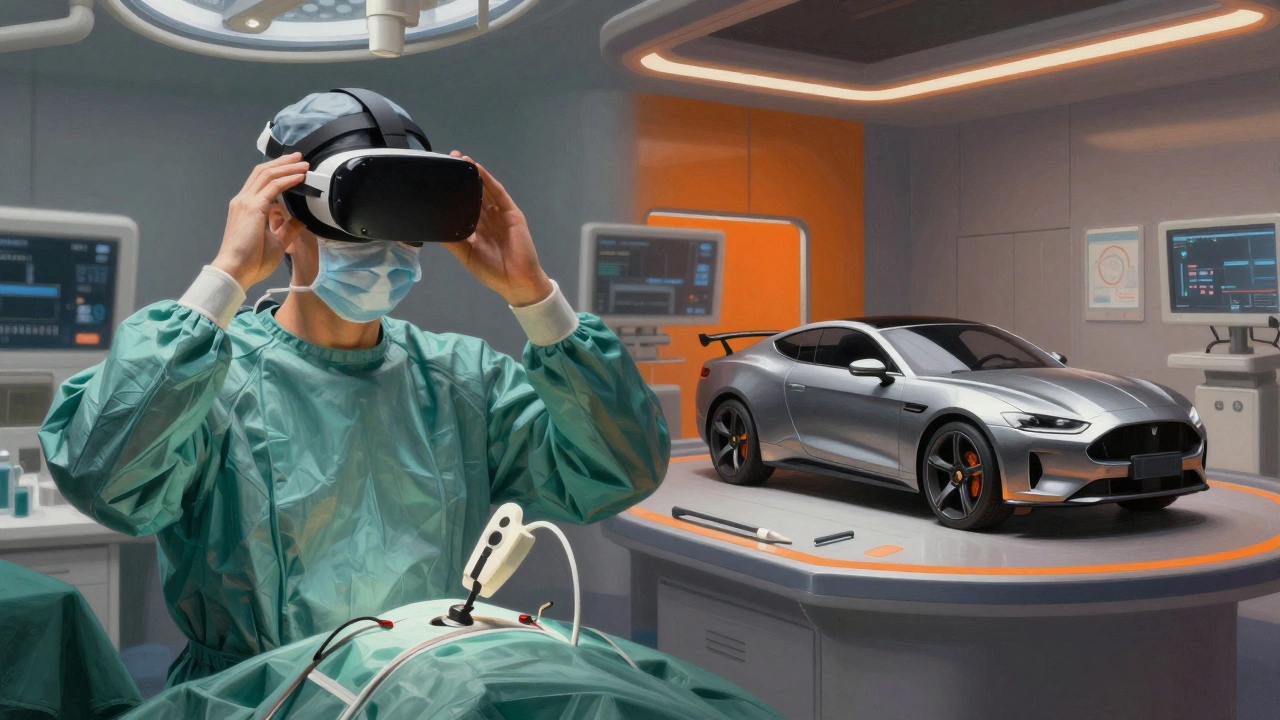
In healthcare, VR is saving lives. Surgeons practice complex procedures on virtual patients before touching real ones. Therapists use exposure therapy for anxiety disorders with controlled precision. These users don’t care about the hype cycle; they care about results. In industrial design, companies like Boeing and Ford use VR to review car models without building physical prototypes. This saves millions in materials and time.
Even in fitness, apps like Supernatural and Les Mills Bodycombat have built loyal communities. People subscribe because it works better than watching a YouTube video. They’re not posting about it on Twitter, but they’re paying monthly fees. That’s sustainability, even if it’s not viral popularity.
The Content Drought: A Chicken-and-Egg Problem
One major factor killing mainstream excitement is the lack of must-play titles. Remember when everyone talked about Half-Life: Alyx? That game proved VR could deliver AAA experiences. But since then, big studios have been cautious. Developing for VR is expensive, and the audience is still relatively small compared to PC or console gamers.
Many developers left the space during the pandemic crash. Those who stayed focused on mobile-friendly experiences or indie projects. As a result, the library of high-budget, narrative-driven VR games has shrunk. New buyers looking at Steam or the App Store might feel there’s nothing new to play. This creates a feedback loop: fewer games mean fewer buyers, which means fewer incentives for developers to make games.
However, this is changing slowly. With better tools and engines like Unreal Engine 5, development costs are dropping slightly. We’re seeing a rise in user-generated content platforms where creators build their own worlds. This democratizes creation but requires users to hunt for quality rather than being handed blockbusters.
Hardware Fatigue and Comfort Issues
Let’s be honest: wearing a brick on your face isn’t comfortable for everyone. Despite improvements in weight distribution and battery life, the form factor remains a barrier. Social stigma plays a role too. Walking around a mall with a headset on still draws stares. It hasn’t become as normal as wearing AirPods.
Battery anxiety is another issue. Most standalone headsets last two to three hours. For long sessions, you need to tether to a PC or swap batteries. This friction kills spontaneity. You can’t just pick up a phone and play for five minutes. You have to plan a session. For many casual users, that’s too much effort.
Comfort features like adjustable straps and lighter lenses help, but until we see truly glasses-like form factors, VR will remain a dedicated activity rather than an all-day companion. Companies are working on contact-lens style displays, but those are likely years away from commercial viability.
What Does the Future Look Like?
So, is VR dying? Absolutely not. It’s maturing. The wild speculation phase is over. Now, we’re in the utility phase. Devices are becoming tools for specific jobs rather than universal replacements for screens.
We’ll see more integration with AI. Imagine a VR assistant that helps you visualize data in 3D or guides you through repairs in real-time using MR overlays. We’ll also see cheaper entry-level options as competition heats up. Brands like PICO and emerging players from Asia are pushing prices down, making headsets accessible in markets like India and Southeast Asia.
The key takeaway is that VR isn’t losing popularity because people hate it. They’re losing interest because it didn’t meet the unrealistic expectations set in 2021. Now that expectations are realistic, the technology is finding its footing. It’s not going to replace your TV or your smartphone. It’s going to sit beside them, handling tasks they can’t do well-like immersive training, creative visualization, and deep-focus entertainment.
Is Virtual Reality completely dead in 2026?
No, VR is not dead. Consumer hype has decreased, but professional adoption in healthcare, education, and industrial design is growing steadily. The technology has shifted focus from mass-market gaming to practical mixed reality applications.
Why did VR sales drop after 2023?
Sales dropped due to high hardware costs, a lack of compelling exclusive content, and consumer fatigue from overpromising marketing campaigns. Many early adopters found the experience too isolating or uncomfortable for daily use.
What is the difference between VR and Mixed Reality?
VR (Virtual Reality) blocks out the real world entirely, immersing you in a digital environment. Mixed Reality (MR) uses cameras to overlay digital objects onto your physical surroundings, allowing you to interact with both simultaneously.
Are there any good VR games in 2026?
Yes, though fewer AAA titles exist compared to 2023. Strong options include fitness-focused apps like Supernatural, horror experiences like Resident Evil Village VR mode, and indie hits developed using Unreal Engine 5. User-generated content platforms also offer fresh experiences.
Will VR headsets become cheaper soon?
Prices are stabilizing. Mid-range options like the Meta Quest 3 remain affordable, while new competitors from Asian manufacturers are introducing budget-friendly models. Premium devices like the Apple Vision Pro will likely stay expensive for several years.