

Broadway Award Record Simulator
Enter Your Show's Stats
Historical Comparison
Think about the last time you saw a play and walked out feeling like it was a masterpiece. Now, imagine that feeling multiplied by twelve. For a long time, the record for the most trophies on a single shelf was a mountain that seemed impossible to climb, but a few daring productions actually did it. When we talk about the most awarded Broadway show, we aren't just talking about popularity or ticket sales, but a rare alignment of critical acclaim and industry voting that happens once in a generation.
Quick Wins: The Heavy Hitters
- The Producers holds the absolute record with 12 Tony Awards.
- Hamilton is the modern titan, winning 11 Tonys.
- The most awards typically concentrate in the Tony Awards, the industry standard for excellence.
- Success is usually measured by a "sweep," where a show wins almost every category it is nominated for.
The Undisputed Champion: The Producers
If you look at the history books, The Producers is a comedic musical that satirizes the process of putting on a Broadway show. Launched in 2001, it didn't just win; it obliterated the existing records. By securing 12 Tony Awards, it set a benchmark that has remained untouched for over two decades. Imagine the sheer audacity of a plot where two men try to produce the worst play imaginable to make a fortune, only for that play to become a hit. That irony translated perfectly to the critics' tastes.
What makes this win special is that it swept the major categories. It took home Best Musical, Best Book of a Musical, and Best Direction. When a show wins 12 awards, it means every single element-from the lighting and the costumes to the lead actors-was operating at a level that the industry couldn't ignore. It proved that a high-concept comedy could have the technical precision of a drama.
The Modern Disruptor: Hamilton
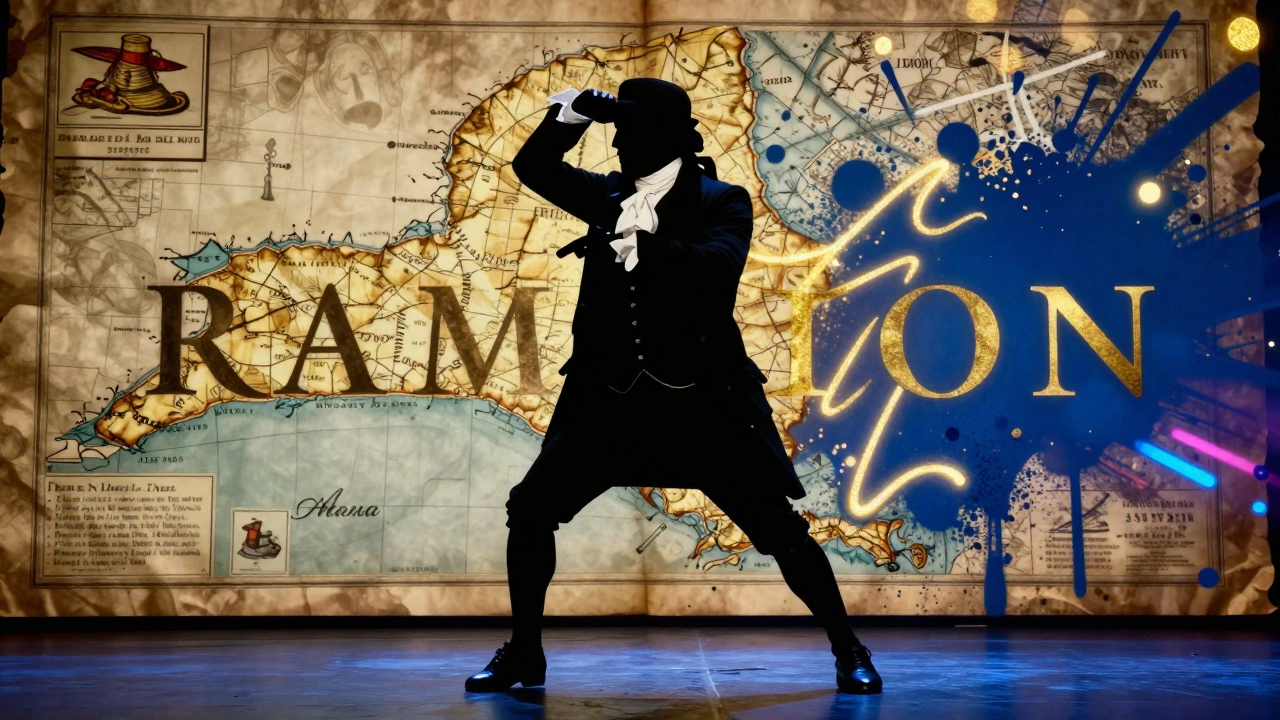
Fast forward to 2016, and the theater world met Hamilton, a hip-hop infused musical detailing the life of Alexander Hamilton. While it narrowly missed the record by one trophy, its 11 Tony Awards put it in an elite club. It changed the conversation about what a Broadway show could sound like, blending rap, R&B, and traditional show tunes to tell a story about American history.
The impact of Hamilton wasn't just in the number of trophies. It managed to capture a demographic that had previously ignored the Broadway district. The show’s ability to win across diverse categories-including Best Musical and Best Original Score-showed that a radical shift in musical style could still satisfy the traditional tastes of the Tony voters. It almost matched The Producers, proving that the only thing that can challenge a record-breaking comedy is a revolutionary piece of history.
Understanding the Tony Awards Hierarchy
To understand how these shows win, you have to understand the Tony Awards. The Antoinette Perry Awards are the highest honors in American theatre. They aren't just popularity contests; they are voted on by a complex group of industry professionals. For a show to win 10 or more awards, it has to be a "complete package."
| Show Name | Tony Wins | Key Category Won | Genre |
|---|---|---|---|
| The Producers | 12 | Best Musical | Comedy/Satire |
| Hamilton | 11 | Best Musical | Historical Hip-Hop |
| Omoronic / The Phantom of the Opera | 7 | Best Musical | Melodrama |
Notice the gap between the top two and the rest of the pack. Most "great" shows win between 4 and 7 awards. When you hit double digits, you are no longer just a hit; you are a cultural phenomenon. This happens when the Creative Team-the director, choreographer, and writer-all work in perfect synchronization.
The Secret Sauce of a "Sweep"
How does a show actually manage to win almost everything? It usually comes down to a few specific factors. First, there is the "Narrative of the Year." Sometimes, the industry decides that a specific show represents a shift in the medium. For Hamilton, it was the integration of hip-hop. For The Producers, it was the return of the classic, old-school Broadway gag.
Second, technical excellence in the Production Design cannot be overlooked. You can have a great story, but if the set doesn't move seamlessly or the lighting doesn't evoke the right mood, you lose the technical awards. The shows that win the most are those where the spectacle enhances the story rather than distracting from it. When a show wins Best Scenic Design and Best Lighting Design along with the acting awards, it tells us that the atmosphere of the play was as important as the lines spoken by the actors.
Other Heavyweights and Honorable Mentions
While The Producers and Hamilton dominate the conversation, other shows have come close or dominated their respective eras. The Phantom of the Opera, while not holding the record for the most Tonys, holds the record for the longest run. This creates an interesting tension in Broadway: the most awarded show isn't always the most enduring, and the most enduring isn't always the most awarded.
Consider shows like Wicked or The Lion King. These productions are massive financial successes and won several awards, but they didn't reach the "sweep" status of The Producers. This is often because they are so large and visually overwhelming that they are viewed as "spectacles" rather than the tight, focused pieces of art that Tony voters tend to reward with a clean sweep.

Why the Record is Hard to Break
Why hasn't another show beaten 12 wins in twenty-five years? The answer lies in the voting blocks. In the early days of Broadway, a few powerful figures could influence the direction of the awards. Today, the voting body is much larger and more diverse. It's harder to get 12 different categories of experts to all agree on a single show.
Furthermore, the competition has increased. There are more high-quality productions hitting the stage every season. When a show like Hamilton comes along, it splits the vote among other innovative works. To win 13 or 14 awards, a show would essentially need to be a perfect piece of theater that also happens to debut in a year where no other show is particularly strong in any one category. It requires a perfect storm of talent, timing, and taste.
Does the most awarded show always make the most money?
Not necessarily. While awards bring prestige and attract tourists, financial success is more about longevity and mass appeal. For example, The Phantom of the Opera has far more total revenue than The Producers, despite having fewer Tony Awards. Awards reflect critical opinion, whereas ticket sales reflect public demand.
What is the difference between a Tony and an Olivier Award?
The Tony Awards are specifically for Broadway shows in New York City. The Olivier Awards are the equivalent for professional theater in London's West End. A show can win both if it transfers between the two cities, which often happens with global hits like Hamilton.
Can a play win as many awards as a musical?
It's much harder. Musicals have more categories to win in, such as Best Score, Best Choreography, and Best Orchestrations. Plays are limited to fewer categories, meaning their maximum possible win count is naturally lower than that of a musical.
How often are the Tony Awards held?
They are held once a year, typically in June, to honor the best productions of the preceding Broadway season.
Who decides who wins the most awards?
The winners are chosen by a body of delegates from the American Theatre Wing and The Broadway League, consisting of theater professionals, critics, and industry insiders.
What to Watch Next
If you are fascinated by the records held by The Producers and Hamilton, your next move should be to explore the "flops" that became cult classics. Sometimes the shows that win zero awards are the ones that end up being the most influential in the long run. You might also look into the history of the West End in London to see how their awarding system differs from the American model. If you're feeling adventurous, try tracking the current season's nominees to see if anyone is on track for another historic sweep.