
Wine Tasting Order Checker
Check Your Tasting Sequence
Example: Sparkling, White, Rosé, Light red, Full-bodied red, Dessert wine
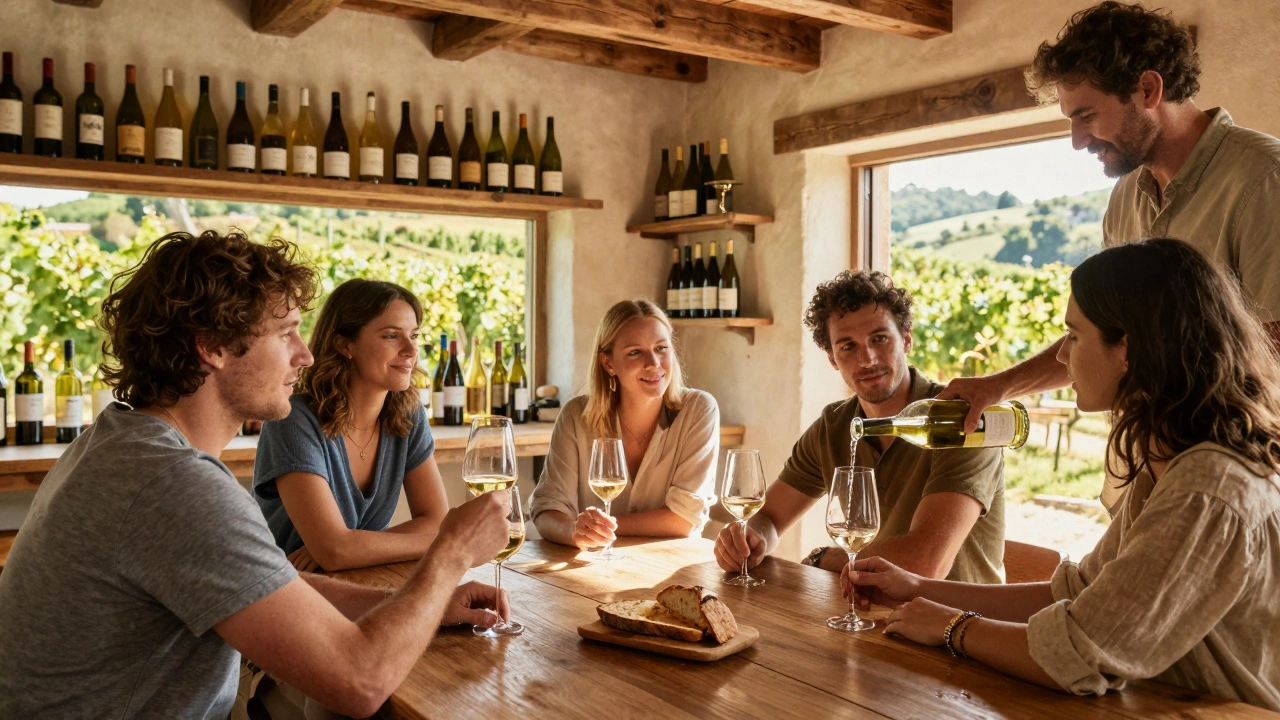
Wine tasting isn’t just about sipping wine. It’s a sensory experience that starts before you even pour the first glass. If you’ve ever wondered what actually happens during a wine tasting, it’s not some fancy ritual meant to confuse you-it’s simple, human, and surprisingly fun. Here’s what you can expect, step by step, from the moment you walk in to the moment you leave with a bottle or two.
Arriving at the Tasting Room
You’ll usually show up to a small, rustic building tucked among vineyards, or sometimes in a city center with a sleek, modern setup. Either way, there’s no need to dress up. Most places are casual-jeans and a shirt are fine. You’ll be greeted by a host or sommelier who’ll ask if you’ve been here before, how many people are in your group, and whether you want a guided tasting or to explore on your own. They’ll also ask if you have any preferences-do you like bold reds? Crisp whites? Sweet or dry? That’s your first clue: this isn’t a one-size-fits-all experience.The Pouring Begins
You’ll typically be offered 4 to 6 wines, depending on the package you choose. The wines are poured in small amounts-usually about 1.5 to 2 ounces per glass. That’s not enough to get drunk, but enough to really taste. The order matters. They start with the lightest and work toward the heaviest: sparkling, then white, then rosé, then light reds, then full-bodied reds, and sometimes dessert wine at the end. This isn’t random-it’s science. Heavy wines coat your palate and dull your sensitivity to lighter ones. If you start with a bold Shiraz, your Chardonnay will taste flat.What You’re Supposed to Do (It’s Not Rocket Science)
Each wine goes through three steps: look, smell, sip. First, hold the glass up to the light. Look at the color. Is it pale yellow or deep gold? Is the red clear or muddy? That tells you about age and grape type. Next, swirl the wine gently. Not like you’re trying to mix a cocktail-just a few rotations. Then take a deep sniff. You’ll smell fruit, yes, but also earth, spice, herbs, even leather or wet stone. Don’t worry if you can’t name it. The staff might say, “I get hints of blackberry and cedar,” and you’ll think, “I smell grapes.” That’s okay. Your nose is still learning. Then you sip. Not a gulp. Let it sit on your tongue for a few seconds. Roll it around. Notice how it feels-is it light like water or thick like syrup? Does it make your mouth dry (that’s tannin)? Does it leave a long finish, or does it vanish? These aren’t just fancy words. They’re real sensations. And yes, you’re supposed to spit. Most serious tasters do. You’re not here to get drunk-you’re here to taste 6 wines, not one. Spitting isn’t rude. It’s smart.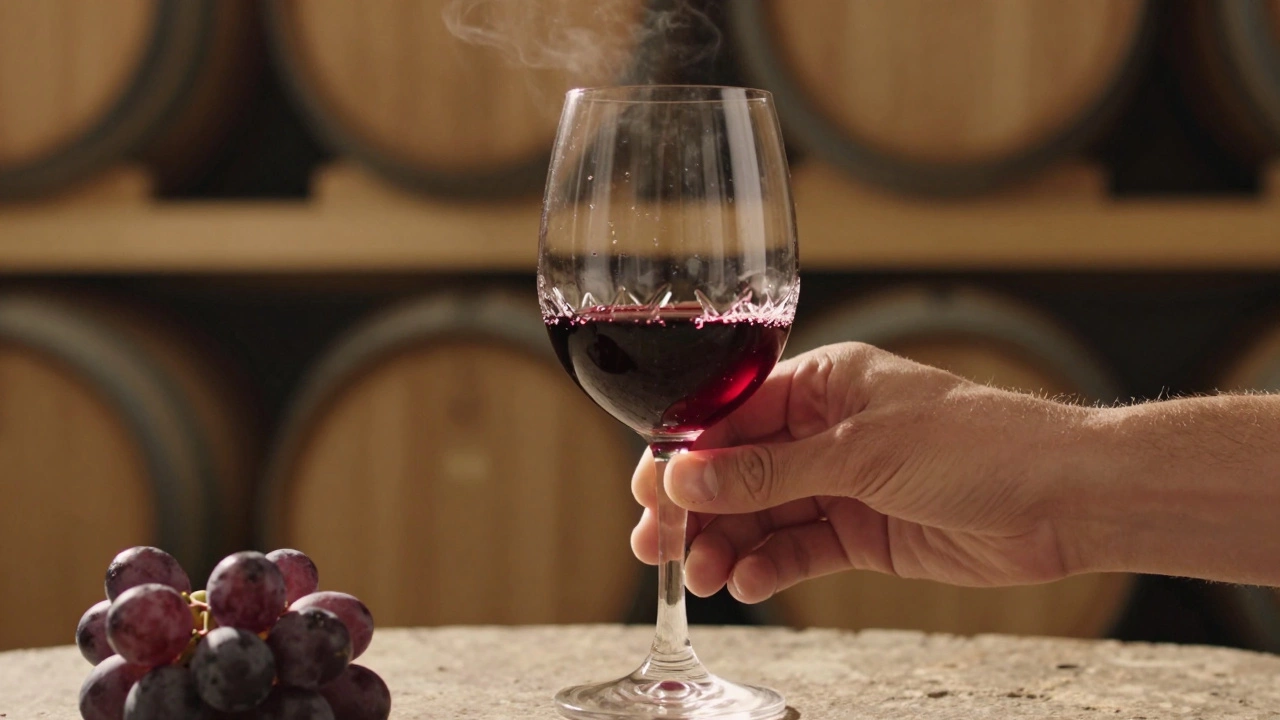
The Conversation
Good tasting rooms don’t just pour wine-they tell stories. Where was the grape grown? What kind of soil? Was the barrel new oak or used? Did they age it for 12 months or 24? These details matter because they change the flavor. A Chardonnay from a cool climate tastes like green apple and lime. One from a warm region? Think pineapple and vanilla. The person pouring will explain it all, often with a laugh or a personal anecdote. Maybe they grew up next to this vineyard. Maybe they tried their first wine at 16 and hated it. You’ll learn more from these stories than from any wine guidebook.What Happens After You Taste
At the end, you’ll usually get to buy bottles. Most places offer a discount if you buy a case-sometimes 15% to 20%. You can also buy by the glass to take home. If you’re unsure, ask if they have a wine club or subscription. Many offer monthly shipments with tasting notes and exclusive bottles. You don’t have to buy anything. But if you liked one wine, chances are you’ll want to remember it. Write down the name, or ask them to email you a list. Don’t rely on memory-your brain is full of wine smells by now.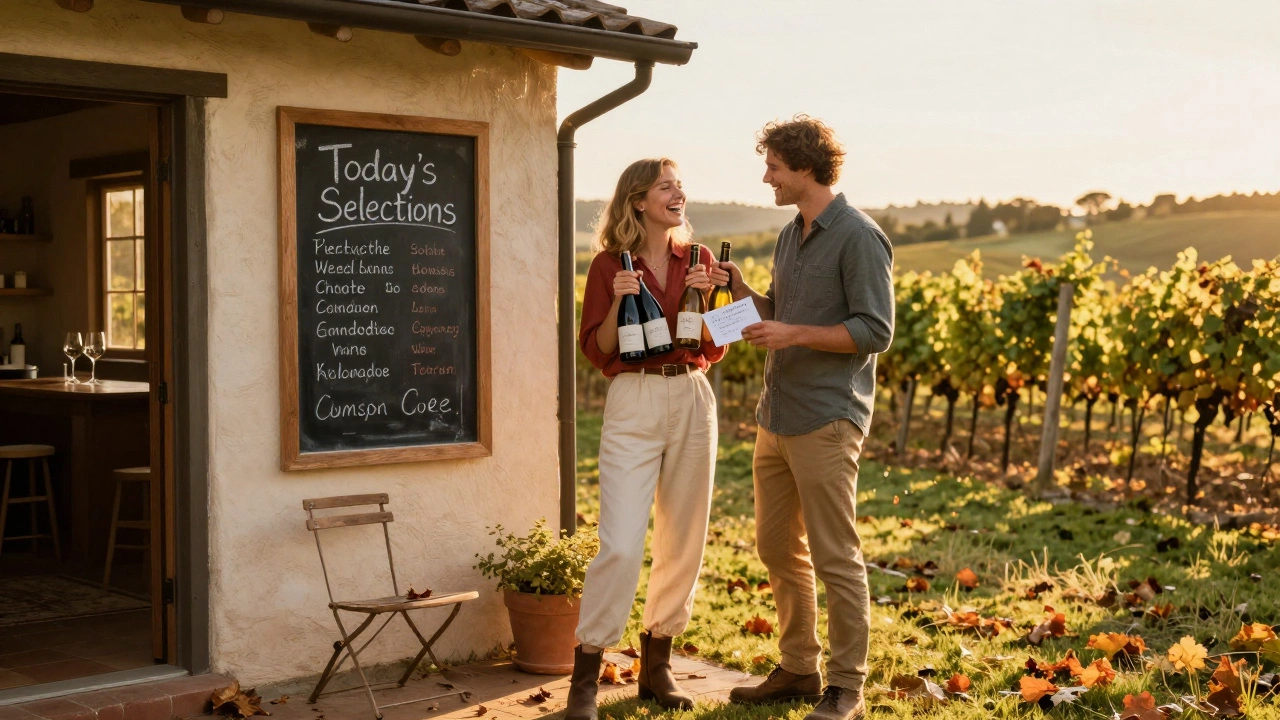
Common Mistakes (And How to Avoid Them)
People show up with strong perfume. Don’t. Your nose is your main tool. A whiff of vanilla body spray can drown out the subtle peach notes in a Riesling. Also, don’t bring kids or pets unless the place allows it. Tastings are quiet, focused, and often crowded. And please, don’t ask for ice. Ice dilutes wine and kills the flavor. If you want cold wine, they’ll serve it cold. That’s how it’s meant to be.Why It’s Worth It
Wine tasting isn’t about pretending to be an expert. It’s about slowing down. In a world that moves too fast, tasting wine asks you to pay attention-to color, scent, texture, memory. You’ll leave with more than a bottle. You’ll leave with a new way of noticing things. Maybe you’ll start tasting coffee differently. Or notice how a tomato tastes in summer versus winter. That’s the real gift.One of the best tastings I’ve had was at a small vineyard in the Yarra Valley. The host poured a Pinot Noir and said, “This one smells like rain on hot pavement.” I thought he was crazy. Then I smelled it again. And suddenly, I got it. Not just the scent-but the feeling. Like walking home after a summer storm. That’s the magic. It’s not about the wine. It’s about what it unlocks in you.