
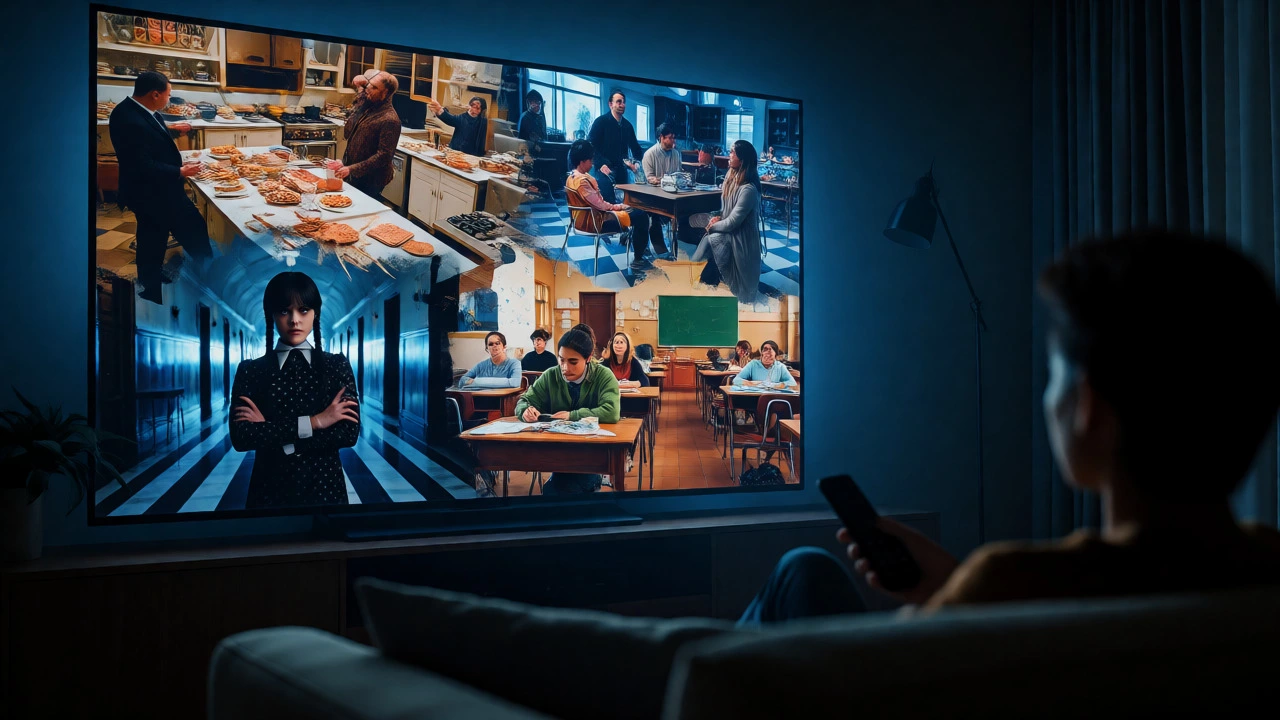
Find Your Personal #1 TV Show
The "#1 Show" depends on what you value. Answer these three questions to find the series that matches your vibe right now.
Your Recommendation:
Vibe
Why It Wins
Best For
You’re scrolling through Netflix or checking the latest Nielsen ratings, and a question pops up: what is actually the #1 TV show in America? It’s not as simple as pointing to one title. The answer shifts depending on whether you mean raw viewership numbers, critical acclaim, or cultural buzz. In late 2026, the landscape is fragmented. Streaming dominates, but linear TV still holds power for live events. Let’s break down who really sits on the throne right now.
Defining "Number One" in the Modern Era
Before we name names, we have to agree on the metric. Are we talking about the highest-rated scripted drama? The most-watched reality competition? Or the show generating the most social media chatter? Historically, Nielsen Ratings measured this via households with TVs tuned in. Today, that’s outdated. We look at Parrot Analytics demand data and Rotten Tomatoes scores alongside streaming completion rates.
If you define "number one" by pure audience reach across all platforms, sports often win. But for scripted entertainment, specifically comedy and drama, the crown rotates weekly. Currently, The Bear has maintained incredible momentum, blending high-stress drama with comedic elements. However, if we strictly stick to traditional Comedy Shows, Hacks remains a critical darling, though its viewership is niche compared to global hits.
| Show Title | Genre | Primary Platform | Audience Metric Leader |
|---|---|---|---|
| The Bear | Dramedy | Hulu / FX | Critical Acclaim & Social Buzz |
| Abbott Elementary | Sitcom | ABC / Hulu | Linear Broadcast Reach |
| Wednesday | Dark Comedy | Netflix | Global Streaming Volume |
| Hacks | Stand-up Drama | Max | Prestige Awards |
The Streaming Giant: Why Wednesday Still Dominates
If you count every view globally, Wednesday is hard to beat. Created by Tim Burton, this Netflix original broke records upon release and continues to pull massive numbers in reruns and international markets. It’s technically a mystery-comedy hybrid. Why does it hold the top spot for many analysts? Accessibility. It’s free to watch if you have a subscription, easy to binge, and appeals to Gen Z and older fans of gothic aesthetics.
However, calling it the "#1 American show" ignores its international production roots. It’s filmed in Romania, starring an Australian actress. Does nationality matter? For advertisers targeting US demographics, yes. They care about who lives in Ohio or California. For them, Abbott Elementary might be more relevant despite lower total global views.
The Broadcast Survivor: Abbott Elementary
In an era where cable is dying, Abbott Elementary is a miracle. It airs on ABC, a traditional broadcast network. It’s a mockumentary-style sitcom about underfunded teachers in Philadelphia. Why is it considered #1 by industry insiders? Because it bridges the gap between old-school TV habits and new-media virality.
Quinta Brunson created the show, and her performance drives much of its success. The humor is gentle, character-driven, and deeply empathetic. Unlike edgy streaming comedies, Abbott feels safe enough for family viewing but smart enough for critics. If you ask your parents what they’re watching, they likely say Abbott. That household penetration is valuable currency. It consistently tops the 18-49 demographic on live+3 day DVR playback, a key metric for ad sales.

The Critical Darling: Hacks
Let’s talk quality. If "number one" means best written, Hacks usually wins. Starring Jean Smart and Hannah Einbinder, it explores the mentorship dynamic between a legendary Las Vegas comedian and a canceled millennial writer. The dialogue is sharp, cruel, and hilarious. It doesn’t chase mass appeal; it chases respect.
Hacks struggles with mainstream visibility because it’s on Max, a platform many people don’t pay for just for one show. Yet, its impact on culture is profound. It sparked real conversations about ageism in Hollywood. When awards season rolls around, Hacks takes home trophies. Is that worth more than a million casual viewers? Depends on who you ask. Producers love it. Casual viewers might never hear of it.
How Algorithms Shape What You Think is #1
Your perception of the top show is skewed by your feed. If you use TikTok, you think Reacher or Fallout are huge. If you read Twitter (X), you think prestige dramas rule. If you watch YouTube clips, you see The Late Show with Stephen Colbert dominating political satire.
Algorithms prioritize engagement over satisfaction. A show that makes you angry might trend higher than one you quietly enjoy. This creates a feedback loop. Networks greenlight more content similar to viral hits, ignoring steady performers. So, when you search for "what is the #1 TV show," remember: there is no single truth. There are only different lenses.
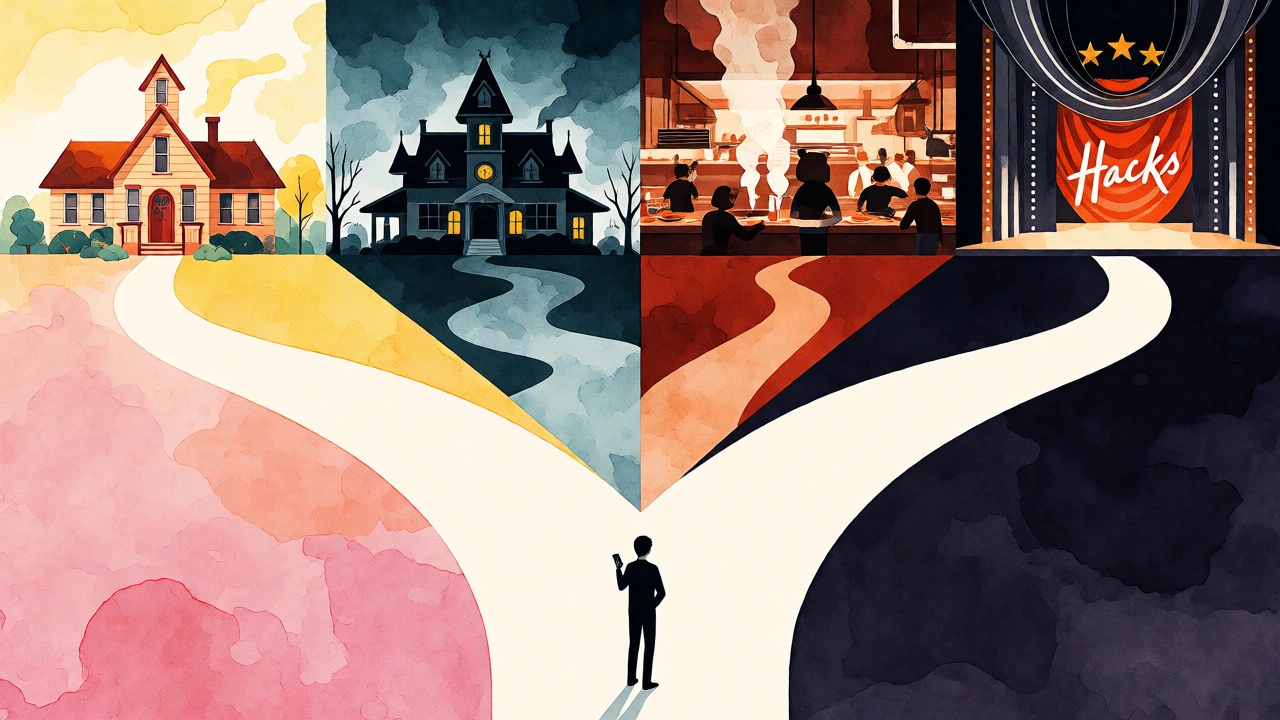
Choosing Your Own Number One
So, how do you decide which show deserves the title for you? Stop looking at aggregate charts. Ask yourself what you value. Do you want comfort? Watch Abbott Elementary. Do you want intellectual stimulation? Watch Hacks. Do you want escapism? Watch Wednesday. Do you want stress? Watch The Bear.
Here’s a quick checklist to find your personal #1:
- Mood Check: Do you want to laugh out loud or cry softly?
- Time Commitment: Can you handle 30-minute episodes or 60-minute arcs?
- Platform Access: Which subscriptions do you already pay for?
- Social Capital: Do you need to discuss it with friends tomorrow?
The "best" show is the one you finish. Many people start a highly-rated series and quit after episode two. That’s not a failure; it’s a mismatch. Don’t let marketing tell you what to watch. Trust your gut.
The Future of Top-Rated Content
We’re moving toward hyper-personalization. Soon, AI will curate a "personal #1" for each viewer based on micro-preferences. Imagine a service that knows you like dry humor, slow pacing, and period costumes. It wouldn’t recommend the same show to everyone. The concept of a monolithic "America’s Favorite" is fading.
Yet, watercooler moments still happen. Everyone talks about the finale of a major hit. These shared experiences bind us. Even in a fragmented market, some shows break through the noise. Keep an eye on upcoming releases from HBO and Apple TV+. They invest heavily in event television designed to reclaim that unified attention.
Is The Bear considered a comedy?
Yes, although it leans heavily into drama. It was submitted for Emmy consideration in the comedy category initially, sparking debate. Critics describe it as a "dramedy" due to its high-stress kitchen environment mixed with witty, rapid-fire dialogue.
Why is Abbott Elementary so popular on ABC?
It combines nostalgia for classic mockumentaries like The Office with fresh, socially conscious storytelling. Its availability on Hulu allows younger audiences to catch up, while its broadcast slot captures older viewers who prefer traditional TV schedules.
Do streaming numbers always reflect true popularity?
Not necessarily. Platforms report "views" differently. Some count a view after two minutes, others after full completion. Additionally, a show can have high initial views but low retention. True popularity requires sustained interest over multiple seasons.
Which platform has the most top-rated shows?
Currently, Netflix leads in volume of global hits, while HBO (via Max) leads in critical prestige per capita. Apple TV+ punches above its weight with high-quality limited series. No single platform owns the entire market.
Are reality shows still the #1 genre?
For raw live viewership, yes. Competitions like The Voice or Dancing with the Stars draw large simultaneous audiences. However, their cultural footprint is smaller than scripted series. They are consumed passively rather than discussed passionately.