
Gallery Etiquette Advisor
Not sure if your behavior is appropriate for an art exhibition? Select the action you are considering to receive immediate guidance based on standard gallery rules.
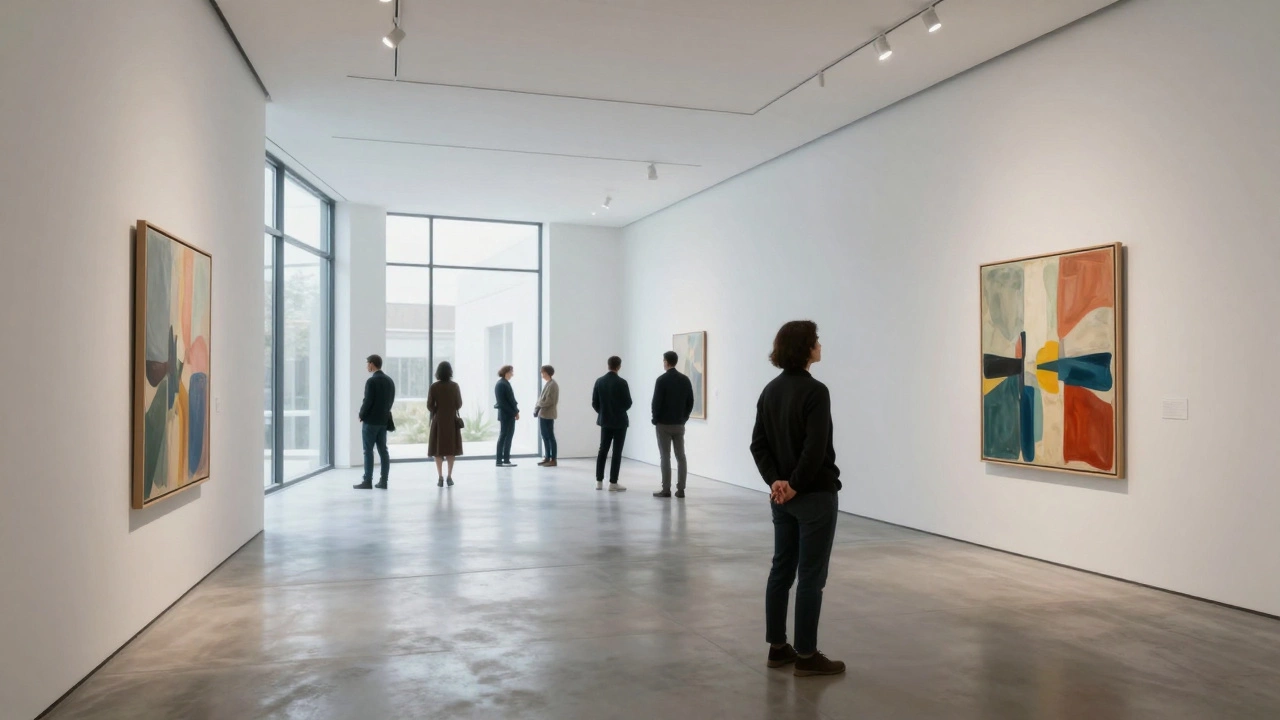
Walking into a gallery can feel like entering a sacred space. The lights are dimmed, the air is quiet, and everyone seems to be holding their breath. But have you ever noticed that awkward person leaning too close to a painting or loudly discussing lunch plans? We’ve all seen them. Knowing what not to do at an art exhibition isn’t just about following rules; it’s about respecting the artists, the curators, and the other visitors who are there to experience something profound.
I remember walking through a small contemporary show in Melbourne last year. I was captivated by a delicate glass sculpture until someone bumped past me, nearly knocking it over. It ruined the moment for everyone nearby. Galleries are shared spaces, and your behavior directly impacts the experience of others. Whether you’re a seasoned collector or someone who rarely visits museums, understanding these social contracts ensures you enjoy the art without causing friction.
The Physical Distance Rule
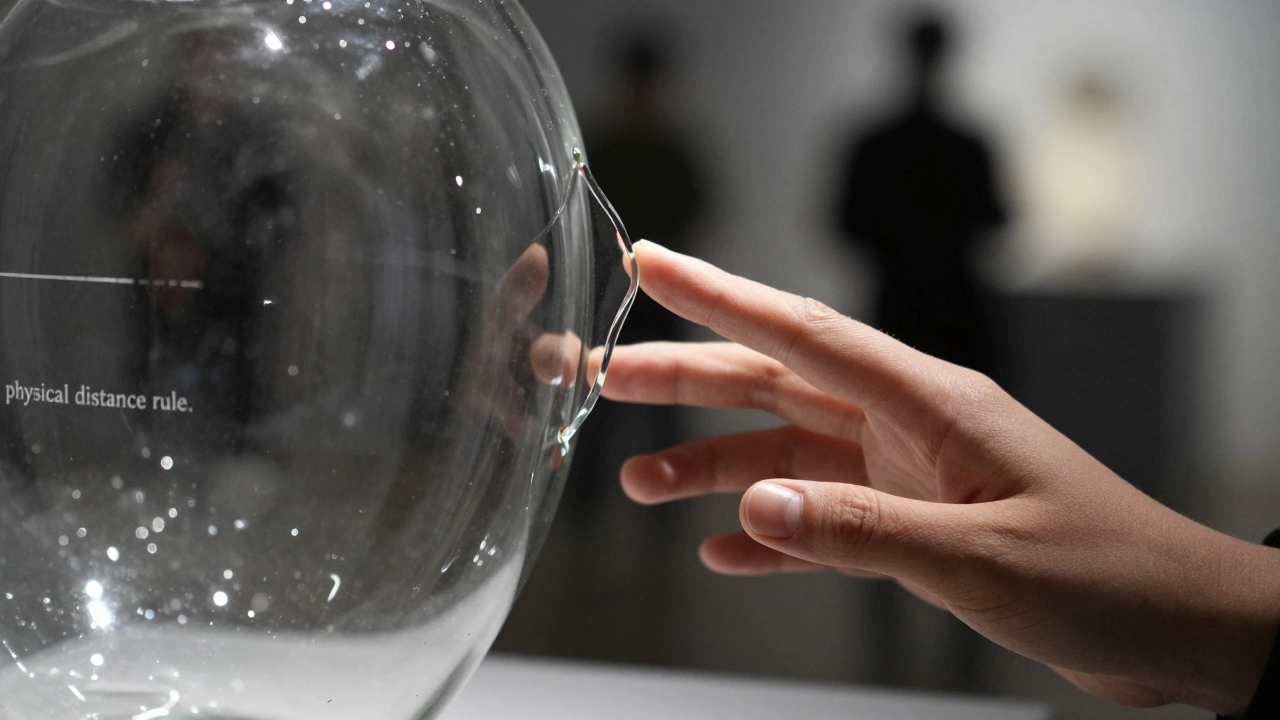
The most common mistake people make is getting too close to the artwork. You might think you’re admiring the brushstrokes up close, but you’re actually invading the artist’s personal boundary. Most galleries enforce a strict "no touching" policy, but the unwritten rule is equally important: maintain a respectful distance. Usually, this means staying at least one arm’s length away from paintings and sculptures unless a specific interactive zone is marked.
Why does this matter? Oils from your skin can damage surfaces, even if you don’t touch them directly with your hands. Your body heat and breath can also affect sensitive materials like paper or ancient textiles. More importantly, crowding a piece blocks the view for others. If you want to see details, look for high-resolution images on the gallery’s website later, or ask a docent if they can point out specific elements from a safe distance. Remember, the artwork is the star, not your proximity to it.
Silence and Sound Levels
Galleries are often designed as sanctuaries of calm. Loud conversations, laughter, or phone calls shatter this atmosphere instantly. This doesn’t mean you must whisper like a spy, but you should keep your voice low enough that only your immediate companion hears you. Think of it like a library: you can talk, but you shouldn’t dominate the acoustic space.
Phone etiquette is part of this. Never take calls inside the exhibition halls. If you expect an urgent call, step outside or into the lobby. Also, avoid playing music through headphones where it can leak out. While some modern installations encourage noise, traditional galleries rely on silence to help viewers focus. If you’re with a group, try to stay together rather than spreading out and creating multiple noisy pockets throughout the room.
Photography and Flash
We live in a visual age, and it’s tempting to document every masterpiece. However, photography rules vary wildly between institutions. Some galleries prohibit photos entirely to protect copyright or preserve the mood. Others allow non-flash photography. The golden rule? Always check the signage first. If there’s no sign, assume photos are discouraged unless explicitly permitted.
Flash is almost universally banned because the intense burst of light can fade pigments and degrade materials over time. Even if flash isn’t prohibited, using it disrupts other visitors’ viewing experience. Furthermore, spending ten minutes adjusting your camera settings while blocking a popular painting is rude. Snap a quick photo if allowed, then put the phone away and engage with the art directly. Don’t let the lens become a barrier between you and the experience.
Respecting Interactive Installations
Modern art often invites participation. Touch screens, soundscapes, and immersive rooms are designed for engagement. However, "interactive" doesn’t mean "destructive." Follow the instructions provided. If a piece asks you to sit, don’t stand. If it requires headphones, use them properly. Never force a mechanism or push beyond its intended limits.
I once saw a visitor try to climb onto a fragile installation meant only for viewing. Security had to intervene, and the rest of us were left feeling embarrassed for them. Treat interactive art with the same care as you would a museum artifact. If you’re unsure how to interact, watch what others are doing or ask a staff member. Misunderstanding the rules is forgivable; ignoring them is not.
Dress Code and Personal Hygiene
You don’t need to wear a tuxedo to visit a gallery, but dressing appropriately shows respect for the venue. Avoid clothing that is overly revealing, offensive, or likely to snag on delicate works. Strong perfumes or colognes should also be avoided. Many artworks, especially older pieces, are sensitive to chemical fumes. Plus, strong scents can trigger allergies or migraines in fellow visitors, ruining their day.
Cleanliness matters too. Wipe your shoes before entering if you’ve been outside in mud or rain. Keep food and drinks confined to designated café areas. Crumbs and spills attract pests and stain floors. If you’re hungry, eat beforehand. There’s nothing worse than watching someone unwrap a sandwich next to a priceless canvas.
Engaging with Staff and Other Visitors
Gallery staff, including security guards and docents, are there to help, not to police you aggressively. Be polite when asked to move along or lower your voice. Arguing or being dismissive creates tension and distracts from the art. If you have questions, approach them with curiosity, not confrontation.
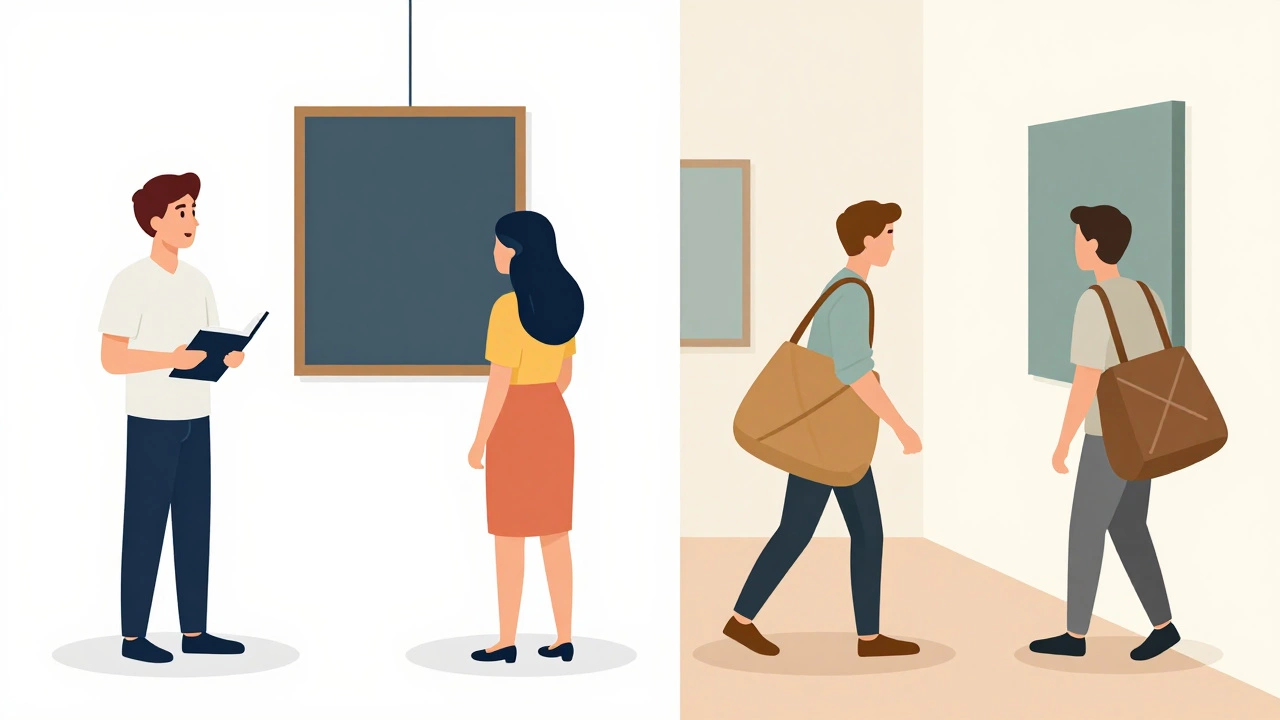
Similarly, be mindful of other visitors. Don’t block pathways or crowd around a single piece for extended periods. Rotate your attention so everyone has a chance to view the work. If you’re leading a tour or teaching children, keep the group tight and quiet. Respect the flow of traffic. Art exhibitions are communal experiences, and courtesy ensures everyone leaves satisfied.
| Mistake | Why It’s Problematic | Best Practice |
|---|---|---|
| Touching artwork | Damages surface, oils transfer | Keep hands behind back or in pockets |
| Loud talking | Disrupts contemplation | Speak softly, save debates for later |
| Using flash | Fades pigments, disturbs others | Check signs, use natural light only |
| Blocking views | Prevents others from seeing | Stand to the side, rotate positions |
| Eating near art | Crumb/spill risk, pest attraction | Eat in café or designated areas only |
Understanding these nuances transforms a simple visit into a meaningful cultural exchange. When you know what not to do, you free yourself to fully immerse in the creativity on display. Next time you step into a gallery, leave your distractions at the door and bring your respect. The art will thank you.
Can I take notes at an art exhibition?
Yes, taking notes is generally encouraged and considered respectful. Use a pen and paper rather than tapping on a laptop or tablet, which can be distracting. Just ensure you don’t lean against walls or furniture while writing.
Is it okay to bring a tripod?
Tripods are usually restricted because they obstruct pathways and pose a tripping hazard. Check with the gallery beforehand. For casual visits, handheld photography is preferred if allowed.
What should I do if my child misbehaves?
If your child becomes loud or disruptive, calmly remove them from the area to reset. Explain the rules gently. Many galleries offer family-friendly hours or workshops where more energy is acceptable.
Can I record audio guides on my phone?
Yes, if the gallery provides digital audio guides. Ensure your volume is kept to a minimum using earbuds to avoid disturbing others. Do not play audio aloud in shared spaces.
Are large bags allowed?
Most galleries require large bags to be checked at coat storage. This protects the art from accidental bumps and keeps aisles clear. Plan accordingly by traveling light or arriving early to store belongings.