

Cinema Ticket Price Estimator
Select your viewing preferences to estimate costs.
Weekend Evening
Fri/Sat/Sun after 5pmWeekday Evening
Mon-Fri after 5pmMatinee
Any day before 4pmDiscount Day (Mon/Tue)
The absolute cheapest optionStandard Screen
Regular digital projectionIMAX / 4DX / Dolby
Premium immersive experienceEstimated Cost
Select options to see tips on how to save more money on your next movie outing.
There is nothing quite like the smell of popcorn and the rumble of a surround sound system pulling you into another world. But let’s be honest: paying full price for a ticket that costs more than your weekly coffee budget stings. You want the big screen experience without the financial heartburn. So, when exactly is the cheapest time to watch a movie? It turns out, timing isn’t just about picking a random Tuesday; it’s about understanding how theaters price their seats based on demand, day of the week, and even the hour of the day.
If you are in Melbourne or anywhere else with standard cinema chains, the rules of thumb remain largely the same. By shifting your viewing habits by just a few hours or days, you can slash your entertainment bill significantly. Here is the breakdown of how to get the best bang for your buck at the multiplex.
The Golden Rule: Matinee Showtimes
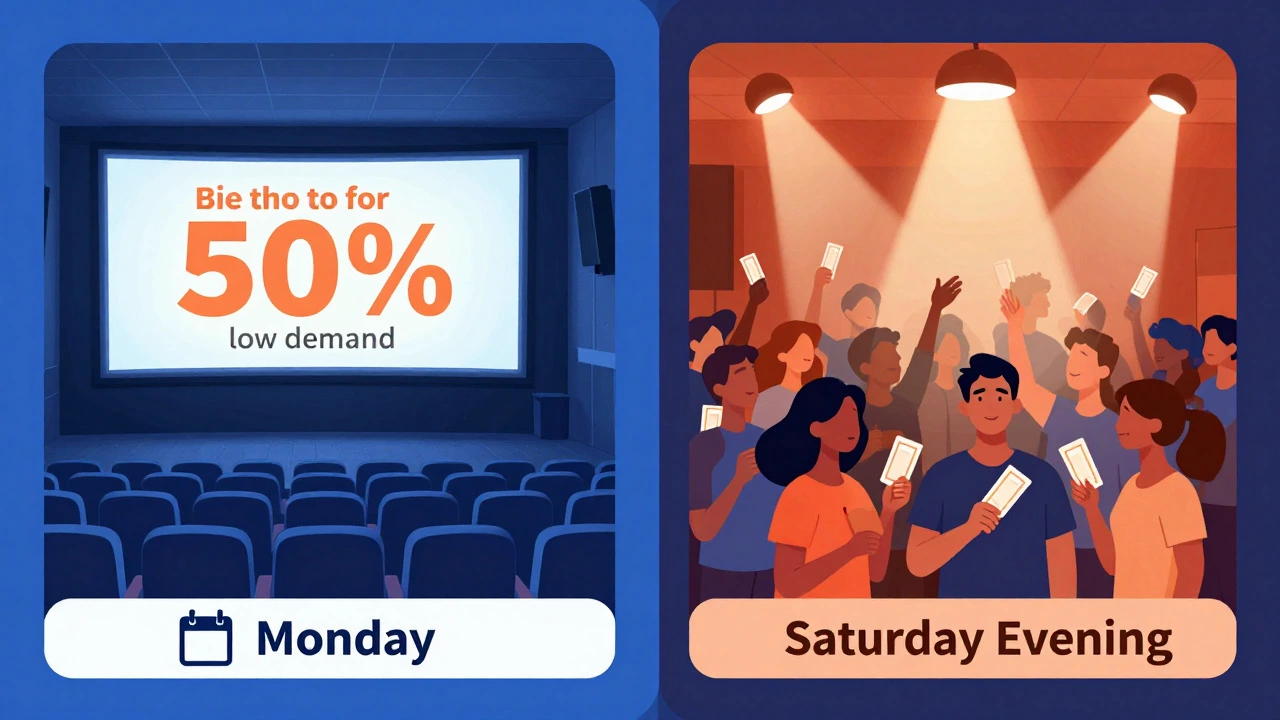
The single most effective way to save money is to avoid evening screenings. Cinemas operate on a tiered pricing model. Evening shows, particularly those starting after 5:00 PM or 6:00 PM, are priced at premium rates because they cater to people coming straight from work or school. These are the "prime time" slots where demand is highest.
In contrast, Matinee showtimes are morning and early afternoon screenings offered at a discounted rate. Most major chains, such as Village Cinemas, Event Cinemas, and Hoyts in Australia, offer reduced prices for movies starting before 4:00 PM or 5:00 PM. Depending on the specific theater and current promotions, you can save anywhere from $3 to $7 per ticket compared to evening prices. If you have a flexible schedule, grabbing a lunchtime screening is the easiest win. You might even catch two movies in one day if you plan it right, though that requires serious dedication (and perhaps a nap).
Day-of-the-Week Discounts: Mondays and Tuesdays
While weekends are peak times for family outings and date nights, weekdays are the desert of cinema attendance. To combat this, theaters introduce specific discount days. Monday and Tuesday are universally recognized as the slowest days for box office revenue. Consequently, many cinemas offer "Cheap Ticket Days" on these days.
- Mondays: Often feature flat-rate pricing, such as all tickets for $10 or less, regardless of whether it is a new blockbuster or an older release.
- Tuesdays: Similar to Mondays, Tuesdays frequently see promotional pricing. Some independent cinemas or smaller chains may extend these discounts to Wednesdays as well.
Combining a weekday visit with a matinee showing gives you the absolute lowest possible price. A Tuesday morning ticket is practically the floor price for cinema admission. If you can make it work, do it. Your wallet will thank you.
Loyalty Programs and Membership Perks
If you go to the movies more than once a month, ignoring loyalty programs is leaving free money on the table. Chains like Village Roadshow’s "Village Rewards" or Event Cinemas’ "Event Club" allow you to earn points on every purchase. These points aren't just for free popcorn; they often translate directly into free tickets or significant discounts on future visits.
Beyond points, membership tiers often unlock exclusive perks. For example, some programs offer member-only pricing windows where you can buy tickets at a reduced rate before they go on sale to the general public. Additionally, check for corporate partnerships. Many large employers in Australia have agreements with cinema chains that provide staff with discounted tickets. It is worth asking your HR department if your company has a partnership with local theaters.
Online Booking vs. Box Office
You might think buying a ticket at the box office is cheaper because you avoid online fees. However, this is rarely true anymore. Most cinemas now charge a booking fee for online purchases, but they also run frequent "fee-free" promotions. More importantly, online platforms often display dynamic pricing and available discounts that aren't advertised at the counter.
Apps like Cinema Apps are mobile applications provided by theater chains that offer mobile tickets, loyalty integration, and exclusive app-only deals. Downloading the app for your preferred chain can give you access to push notifications for flash sales. Sometimes, you can find last-minute deals for unsold seats on upcoming showtimes. Also, consider using third-party aggregator sites that sometimes bundle ticket purchases with other lifestyle rewards, effectively giving you cashback.
Student, Senior, and Child Pricing
Cinemas have long-standing demographic-based pricing structures. If you fall into any of these categories, always carry valid ID.
- Students: Valid student cards usually grant access to concession pricing, which is typically $2-$4 cheaper than adult tickets.
- Seniors: Pensioners and seniors enjoy similar concession rates. This is a great way to enjoy culture on a fixed income.
- Children: Kids under a certain age (often 3 or 5) enter for free, while older children pay a child rate. Always check the specific age cutoffs for each chain.
Even if you don't fit these categories, bringing a friend who does can help split the cost of concessions or utilize group discounts if the theater offers them for parties of four or more.
Avoiding Premium Formats
Not all screens are created equal, and not all formats are priced equally. IMAX, 4DX, ScreenX, and Dolby Cinema experiences command a premium price-sometimes double the standard ticket cost. While these formats offer immersive experiences with motion seats or massive screens, they are not necessary for enjoying the film itself.
To keep costs low, stick to standard digital screenings. The audio and visual quality in modern standard auditoriums is excellent. Save the premium format splurge for once-a-year blockbusters where the scale truly matters, like a sci-fi epic or a high-octane action film. For dramas, comedies, or indie films, the standard screen is perfectly adequate and much kinder to your bank account.

Comparison of Cinema Pricing Strategies
| Viewing Option | Estimated Price Range (AUD) | Savings Potential | Best For |
|---|---|---|---|
| Weekend Evening (Standard) | $20 - $25 | Low | Dates, Social Outings |
| Weekday Evening (Standard) | $18 - $22 | Medium | Flexible Workers |
| Matinee (Any Day) | $15 - $18 | High | Early Risers, Families |
| Monday/Tuesday Discount | $10 - $14 | Very High | Budget-Conscious Viewers |
| IMAX/Premium Format | $30 - $40+ | Negative (Costlier) | Special Occasions |
Hidden Costs: Concessions
Your ticket price is only half the battle. The real profit margin for cinemas lies in popcorn, soda, and candy. A small popcorn and drink combo can easily cost $15-$20. To truly save money, look for bundled deals. Many theaters offer "Combo Packs" that include a ticket and concessions for a set price, which is often cheaper than buying them separately.
Alternatively, consider outside food policies. While many Australian chains strictly enforce no-outside-food rules, some independent cinemas are more relaxed. If you choose to eat out beforehand, skip the overpriced theater snacks. Hydrate with water instead of sugary sodas to avoid the mid-movie crash and the extra cost.
Streaming Alternatives
If the goal is purely watching the movie rather than the cinematic experience, waiting for streaming release is the ultimate cost-saver. New releases typically hit streaming platforms 45-90 days after their theatrical debut. Subscriptions to services like Stan, Binge, or Netflix spread the cost across dozens of titles. If you can wait, the "cheapest time" to watch a movie is actually months later on your couch.
However, for opening weekend hype, limited runs, or films that benefit from collective audience reaction (like horror or comedy), the theater remains unmatched. Use the strategies above to make that experience affordable.
What is the cheapest day of the week to go to the movies?
Mondays and Tuesdays are generally the cheapest days. Most major cinema chains offer discounted ticket prices on these days due to lower attendance. Combining these days with matinee showtimes yields the lowest possible price.
Are matinee tickets really cheaper?
Yes, matinee tickets are significantly cheaper. Showings that start before 4:00 PM or 5:00 PM usually cost $3 to $7 less than evening screenings. This applies to both weekdays and weekends, making it the most consistent way to save money.
Is it cheaper to buy tickets online or at the box office?
It depends on the promotion. Online booking often incurs a service fee, but cinemas frequently run "fee-free" days or offer app-exclusive discounts. At the box office, you avoid fees but miss out on targeted digital coupons. Generally, checking the cinema's app for special offers provides the best value.
Do student discounts apply to all movies?
Student discounts usually apply to standard admissions but may exclude premium formats like IMAX or 4DX. Always check the specific terms on the cinema website. You will need to present a valid student ID at the ticket counter or scan it via the app.
Can I bring my own food to the cinema to save money?
Most major commercial chains in Australia prohibit outside food and drink. However, some independent or boutique cinemas allow it. Check the specific policy of the theater you plan to visit. If outside food is banned, look for combo deals that bundle tickets with concessions for better value.