
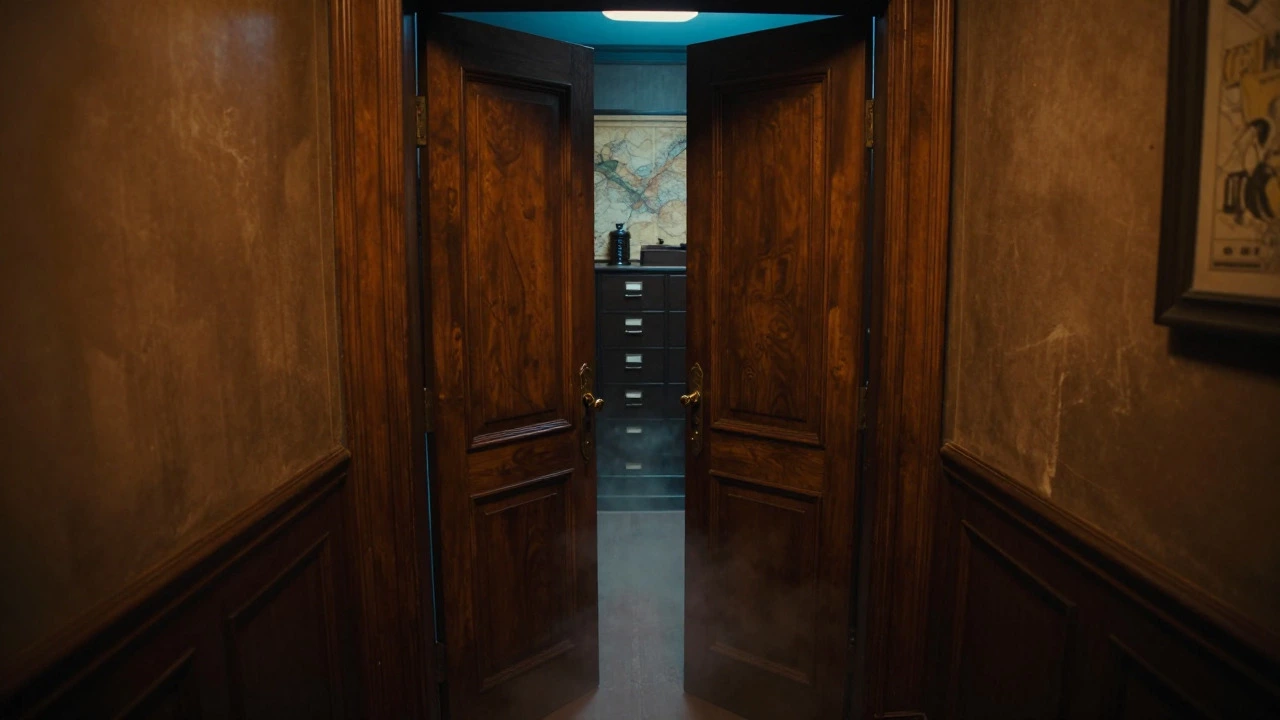
Escape Room Claustrophobia Risk Assessor
Check any symptoms you experience in similar enclosed situations:
Do you have a diagnosed history?
Risk Level
--Top Strategies For You
Alternative Activities
Board Game Cafe: Low constraint, self-paced.
Murder Mystery Dinner: Seated, social, no locking.
Virtual Reality: High immersion but instant pause available.
Walking into a locked door with a ticking clock can feel thrilling for most people, but for those with claustrophobiaan intense fear of confined spaces that triggers physical and psychological distress, it might look like a nightmare. The short answer is yes, some people do get overwhelmed, but it isn't inevitable. Most modern escape rooms are designed to be spacious enough for groups, yet the psychological pressure of being "locked in" can trigger anxiety regardless of square footage. Understanding how your brain reacts to these environments helps you decide if an escape room is right for you or if you need specific accommodations.
Why Escape Rooms Trigger Anxiety
It’s not just about the size of the room. The combination of sensory inputs creates a unique stress response. When you enter an escape rooma themed puzzle-solving experience where participants must find clues to exit within a time limit, your brain shifts from relaxation to high-alert mode. This shift activates the sympathetic nervous system, releasing adrenaline. For someone prone to anxiety, this spike can feel like panic.
Three main factors contribute to this feeling:
- Sensory Overload: Many rooms use dim lighting, eerie sounds, and fog machines. While immersive for others, these elements can make the space feel smaller and more oppressive.
- Perceived Loss of Control: Even though there is usually a hidden way out, the narrative suggests you are trapped. This loss of agency is a core trigger for many phobias.
- Crowding: If you book a room for eight people in a standard 60-square-meter space, the personal space bubble shrinks significantly. Proximity to strangers can amplify feelings of confinement.
The Reality of Room Sizes and Design
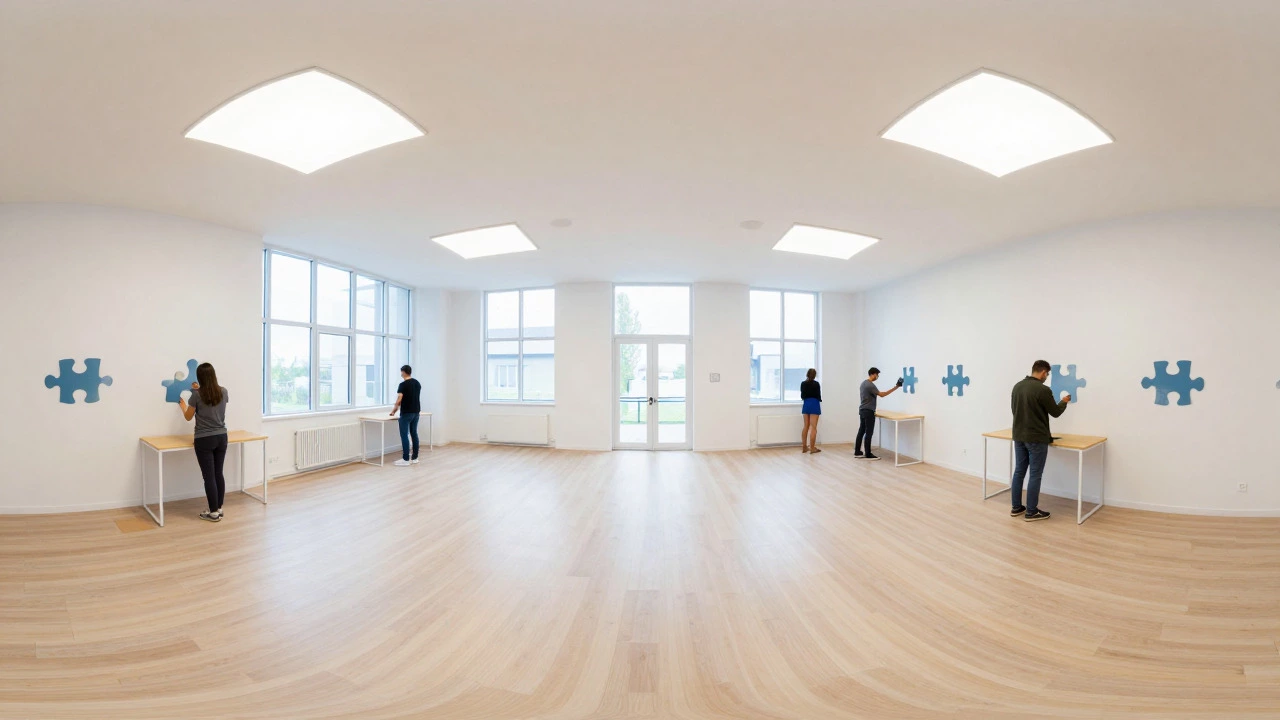
A common misconception is that all escape rooms are tiny closets. In reality, industry standards have evolved. A typical commercial puzzle roomthe physical structure containing props, mechanisms, and themes for gameplay ranges from 40 to 100 square meters. That’s roughly the size of a large living room or a small studio apartment. You aren’t standing on top of each other unless you choose a maximum-capacity group in a smaller-themed room.
Designers now prioritize flow. Good game designthe structural planning of puzzles, pacing, and player movement paths ensures players move through different areas rather than staying in one static spot. Movement reduces the sensation of being stuck. If you’re worried, look for venues that advertise "open-plan" layouts or larger capacity rooms (8-10 players) which naturally offer more breathing room per person.
Signs You Might Be at Risk
Not everyone who dislikes crowds has clinical claustrophobia. However, if you recognize these symptoms in similar situations, you should prepare accordingly:
- Rapid heartbeat when entering elevators or fitting rooms.
- Difficulty breathing in crowded theaters or public transport during rush hour.
- Urge to check exits repeatedly upon entering any enclosed space.
- Physical tension in shoulders and jaw when surrounded by walls.
If you tick two or more boxes, you are likely sensitive to confinement. This doesn’t mean you can’t play, but it means you shouldn’t go in blind. Ignoring these signals often leads to a mid-game panic attack, which ruins the experience for both you and your team.
Strategies to Manage Fear During Play
You don’t need to conquer your fear before booking; you just need a plan. Here are practical steps to keep anxiety manageable:
Pre-Game Preparation
- Choose the Right Theme: Avoid horror or prison-break themes if they trigger dark/confined associations. Opt for bright, airy themes like space stations, detective offices, or outdoor adventures brought indoors.
- Book Off-Peak Hours: Weekday mornings or early afternoons are quieter. Less ambient noise means less sensory input.
- Limit Group Size: Stick to 4-5 people max. Fewer bodies in the room equals more personal space and less chaotic energy.
In-Room Tactics
- Identify the Exit Early: As soon as the briefing ends, locate the main door. Knowing it’s there-and that it opens from the inside in an emergency-reduces the feeling of entrapment.
- Use Grounding Techniques: If you feel tightness in your chest, use the 5-4-3-2-1 method: identify 5 things you see, 4 you can touch, 3 you hear, 2 you smell, and 1 you taste. This pulls your focus back to the present moment.
- Communicate with the Game Master: Most venues have a monitor or intercom. Let them know you might need a break. They are trained to handle anxious players without breaking immersion too much.
When to Skip the Escape Room
Sometimes, the best strategy is avoidance. If you have severe panic disordera recurring pattern of unexpected panic attacks and worry about future attacks or a history of traumatic confinement experiences, an escape room might be too intense right now. Alternatives like board game cafes, murder mystery dinners (where you stay seated), or virtual reality experiences (which allow you to pause instantly) offer similar social puzzle-solving benefits without the physical enclosure.
Comparison: Escape Rooms vs. Other Social Activities
| Activity | Space Constraint | Sensory Intensity | Time Pressure | Exit Accessibility |
|---|---|---|---|---|
| Escape Room | High (Locked) | Medium-High | High (Timer) | Low (Hidden/Monitored) |
| Board Game Cafe | Low (Open seating) | Low | Low (Self-paced) | High (Walk out anytime) |
| Virtual Reality | Medium (Headset/Zone) | Very High (Visual/Audio) | Variable | High (Remove headset) |
| Murder Mystery Dinner | Low (Restaurant) | Low-Medium | Low | High (Walk out anytime) |
Frequently Asked Questions
Is it safe to leave an escape room if I panic?
Yes. Every reputable venue has an emergency exit protocol. Usually, the door unlocks automatically if you pull a specific lever or press a button, or the Game Master can open it remotely. You never have to wait for the timer to end if you feel unsafe.
Are escape rooms suitable for children with anxiety?
It depends on the child. Younger children may not understand the concept of being 'locked' and might enjoy the adventure aspect. However, older children with developed anxieties may struggle. Look for 'family-friendly' rooms that avoid scary themes and have larger, brighter designs.
Does the size of the group affect claustrophobia?
Yes, significantly. More people means less personal space and higher noise levels. If you are prone to anxiety, cap your group at four or five people. This ensures you have enough room to move around freely without bumping into teammates.
What if I forget to tell the staff about my anxiety?
You can still communicate during the game. Most venues have a walkie-talkie or intercom system. Simply raise your hand or say 'pause' to the nearest prop or wall speaker. The Game Master will step in to help without necessarily breaking the full illusion for the whole group.
Are there escape rooms specifically designed for people with claustrophobia?
Few are explicitly marketed this way, but many venues offer 'accessible' options. These typically feature wider doorways, minimal dark corridors, and open sightlines. Check reviews for mentions of 'spacious' or 'bright' when searching for venues in your area.