
Wine Tasting Pacing Calculator
Tasting Details
Your Tasting Strategy
Enter your details and click calculate to see your pacing guide.
You walk into a vineyard in the Yarra Valley or a bustling cellar door in Margaret River. The air smells of oak and fermentation. A friendly sommelier hands you a small glass of bright red Pinot Noir. You swirl it, sniff it, and take that first sip. It’s delicious. Then they hand you another glass. And another. By the fourth pour, you’re starting to wonder: do you drink all the wine at a wine tasting?
The short answer is no. In fact, if you drink every drop from every glass offered, you might find yourself stumbling out of the winery rather than walking out with a full notebook of tasting notes. But it’s not just about avoiding a hangover. It’s about respecting the ritual, protecting your palate, and getting the most value out of your experience.
The Myth of the "Full Glass"
There is a common misconception that a wine tasting glass should be filled to the brim. If you’ve ever attended a casual event where glasses are overfilled, you know this leads to messy spills and wasted wine. Professional tastings operate differently. The standard pour is roughly one ounce (30ml). This amount is enough to coat your tongue and fill your nasal cavity for aroma analysis, but too little to cause significant intoxication if consumed entirely.
However, even one ounce adds up quickly. A typical tasting flight includes four to six wines. If you drink every single ounce, you are consuming between 40ml and 180ml of pure ethanol-heavy liquid. While this might not seem like much compared to a full bottle, the cumulative effect on your senses is drastic. Your taste buds become numb, your nose becomes blind to subtle aromas, and your judgment regarding which wine you actually want to buy becomes compromised.
To Spit or Not to Spit?
This is the biggest debate in the world of wine appreciation. Should you spit the wine out after tasting it? The industry standard for professionals-sommeliers, critics, and buyers-is an emphatic yes. They often taste dozens of wines in a single day. Drinking them all would be physically impossible without severe consequences.
For the average enthusiast, the choice depends on the setting and your goals.
- Social Tastings: If you are visiting a cellar door with friends or family, spitting can feel awkward or rude. In these cases, moderation is key. Take smaller sips, and don’t feel pressured to finish the entire pour. Leave a little bit in the glass if you need to.
- Educational Tastings: If you are there to learn, compare vintages, or decide which bottles to stock for your restaurant, spitting is highly recommended. It keeps your palate fresh and allows you to focus on the structure, acidity, and tannins of each wine without the interference of alcohol buzz.
- Blind Tastings: Always spit. The goal is objective evaluation. Alcohol clouds your ability to detect faults or specific varietal characteristics.
If you choose to spit, look for the spittoons provided. Most reputable venues have them clearly marked. If you’re nervous about making a mess, practice the "swish and spit" technique at home before your next trip. Fill a glass with water, swish it around your mouth to get used to the sensation, and then eject it cleanly into the sink. It’s easier than it looks.
How Many Wines Can You Safely Taste?
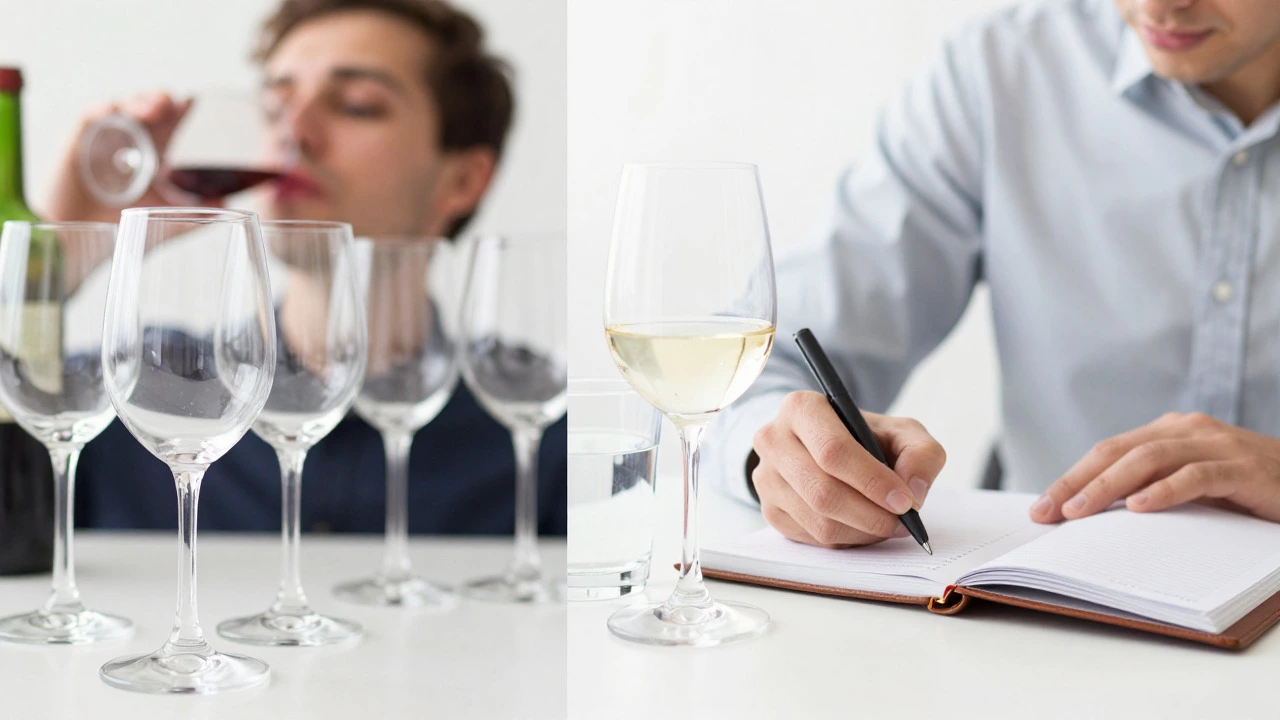
Let’s talk numbers. How many pours can you handle before your palate shuts down? For most people, the limit is around three to five full sips. After that, your sensory receptors begin to fatigue. This is known as "palate fatigue." You stop tasting nuances like green apple, wet stone, or dried herbs. Instead, everything starts to taste like alcohol and sugar.
If you plan to drink rather than spit, follow the rule of thirds:
- Taste 1: Swirl, sniff, and take a small sip. Hold it in your mouth for 5-10 seconds to assess the flavor profile.
- Taste 2: Take another small sip. Focus on the finish-how long does the flavor last? Is it dry or sweet?
- Taste 3: Decide. Do you like it? Would you buy it? If yes, swallow. If no, leave the rest or spit it out discreetly.
By limiting yourself to two or three meaningful sips per wine, you can comfortably navigate a flight of six wines without feeling intoxicated. This approach ensures you leave the venue clear-headed and ready to make smart purchasing decisions.
Etiquette Tips for the Cellar Door
Wine tasting is a social activity, but it comes with unspoken rules. Following these guidelines will help you blend in and show respect for the winemakers who spent years crafting those bottles.
| Action | Why It Matters |
|---|---|
| Arrive Hydrated | Water helps cleanse your palate and slows alcohol absorption. Drink a glass of water between each wine. |
| Eat Something First | An empty stomach absorbs alcohol faster. Have a light meal or snack before arriving. |
| Don't Touch the Rim | Lipstick, food residue, or bacteria can contaminate the wine. Hold the stem or base of the glass. |
| Ask Questions | Winemakers love sharing their stories. Ask about the grape variety, the vintage, or the aging process. |
| Buy What You Like | You don’t have to buy every wine you taste. But if you enjoy several, consider buying one or two to support the local producer. |
One critical tip: always ask if you can spit before you do it. While most venues expect it, some smaller, more casual spots might prefer you to drink. A simple question goes a long way in building rapport with the staff.
The Science of Palate Fatigue
Why does your sense of taste degrade after a few glasses? It’s biology. Your taste buds contain thousands of receptor cells. When exposed to constant stimulation from alcohol, acids, and tannins, these cells become desensitized. This is similar to how your eyes adjust to darkness; once adapted, sudden changes are hard to perceive.
Alcohol also acts as a depressant on the central nervous system. As blood alcohol concentration rises, your cognitive processing slows. You become less analytical and more emotional. This is why you might impulsively buy a $100 bottle of Barolo because it tastes "exciting," only to regret it later when you realize it didn’t match your budget or storage conditions.
To combat palate fatigue, use water as a reset button. Sip plain, room-temperature water between wines. Avoid flavored drinks like soda or juice, as they introduce new sugars and acids that confuse your palate. Some serious tasters even chew on unsalted crackers to neutralize acids and tannins.
What to Do If You’re Driving
In Australia, the legal blood alcohol limit for private drivers is 0.05%. Even two or three tasting pours can push you close to this limit, depending on your body weight and metabolism. If you plan to drive, consider these strategies:
- Designated Driver: Rotate roles with your group. One person drives while others taste freely.
- Spit Everything: If you must drive alone, spit every pour. It’s the safest option.
- Ride-Sharing: Use Uber or DiDi to get to and from the winery. It’s often cheaper than buying multiple bottles anyway.
Remember, wine regions are often rural. Roads can be winding, and police checkpoints are common during harvest season. Don’t risk your license for a few extra sips.
Buying Decisions: The Real Goal
The ultimate purpose of a wine tasting is not just consumption-it’s curation. You are gathering data to build your personal library of favorite wines. When you taste responsibly, you can accurately recall which wines stood out. Did you prefer the crisp acidity of the Chardonnay or the bold tannins of the Cabernet Sauvignon? Was the 2023 vintage better than the 2022?
Take notes. Jot down the name of the wine, the price, and your impression. If you’re unsure about a wine, ask the staff for a second opinion. They can tell you if a wine needs decanting or if it’s best enjoyed young. These insights add immense value to your purchase.
Finally, remember that wine is meant to be shared. Buying a bottle to share with friends over dinner creates memories far more valuable than drinking a tasting pour alone in a hurry. Approach each tasting with curiosity, respect, and a clear head. Your palate-and your wallet-will thank you.
Is it rude to spit wine at a tasting?
No, it is not rude. In professional and educational settings, spitting is the norm. It shows you are focused on evaluating the wine rather than just consuming alcohol. However, always check with the host or staff first, especially in casual social gatherings.
How many ounces of wine are served in a tasting?
A standard wine tasting pour is approximately one ounce (30ml). This is enough to evaluate the wine's aroma and flavor without causing significant intoxication if fully consumed.
Can I drink all the wine if I'm not driving?
You can, but it’s not recommended. Drinking every pour leads to palate fatigue, meaning you’ll lose the ability to distinguish flavors. It also increases the risk of overconsumption. Aim for small sips and leave some wine in the glass.
What should I eat before a wine tasting?
Eat a light meal or snack before arriving. Foods like cheese, crackers, or fruit help line the stomach and slow alcohol absorption. Avoid spicy or heavily seasoned foods that might alter your taste perception.
How do I know if my palate is fatigued?
Signs of palate fatigue include difficulty detecting aromas, a burning sensation from alcohol, and a general numbness on the tongue. If this happens, stop tasting, drink water, and rest for 15-20 minutes.