
Gordon Ramsay Learning Path Finder
Find Your Perfect Way to Learn from Gordon Ramsay
Answer 3 quick questions to get a personalized recommendation.
Master Technique
I want pro skills like knife work and plating.
Get Inspired
I need motivation and general cooking tips.
Network & Experience
I want to meet people and see the industry.
Free / Low Cost
I'd prefer YouTube or community resources.
Moderate ($200+)
Willing to pay for a structured annual subscription.
High Ticket ($1000+)
Money is no object; I want the exclusive experience.
Online / At Home
Self-paced, pause/rewind, comfort of home.
In-Person / Live
Real-time interaction, atmosphere, travel.
You’ve seen him scream at sous chefs on Hell’s Kitchen. You’ve watched him judge amateur cooks on MasterChef. Now you’re wondering if you can actually sit in a classroom with the man himself and learn how to sear a steak or make perfect risotto. The short answer is: yes, but not in the way you might think.
Gordon Ramsay does not run traditional, weekly cooking schools where you sign up for a semester. He doesn’t have a brick-and-mortar academy in London or New York that accepts general applications for long-term study. Instead, his teaching model is built around high-intensity, pre-recorded digital experiences and exclusive, one-off live events. If you want to learn from him, you need to know exactly where to look and what kind of commitment you’re making.
What is the main way to take a cooking class with Gordon Ramsay?
The primary method is through the MasterClass platform, which offers a comprehensive video series taught by Ramsay himself.
The MasterClass Experience: Digital Learning at Scale
If you are looking for structured, step-by-step instruction from Gordon Ramsay, MasterClass is an online learning platform featuring video lessons from world-renowned experts is your best bet. This isn’t a quick YouTube tutorial; it’s a production-quality course designed to mimic the intensity of a professional kitchen.
Ramsay’s course on MasterClass covers everything from basic knife skills to complex plating techniques. The value here lies in the accessibility. You can pause, rewind, and rewatch his demonstrations as many times as you need. For someone living in Melbourne, Australia, or anywhere else in the world, this removes the geographical barrier entirely. You don’t need to fly to London to stand next to him.
The course structure typically includes:
- Fundamentals: How to sharpen a knife, organize your station (mise en place), and understand heat control.
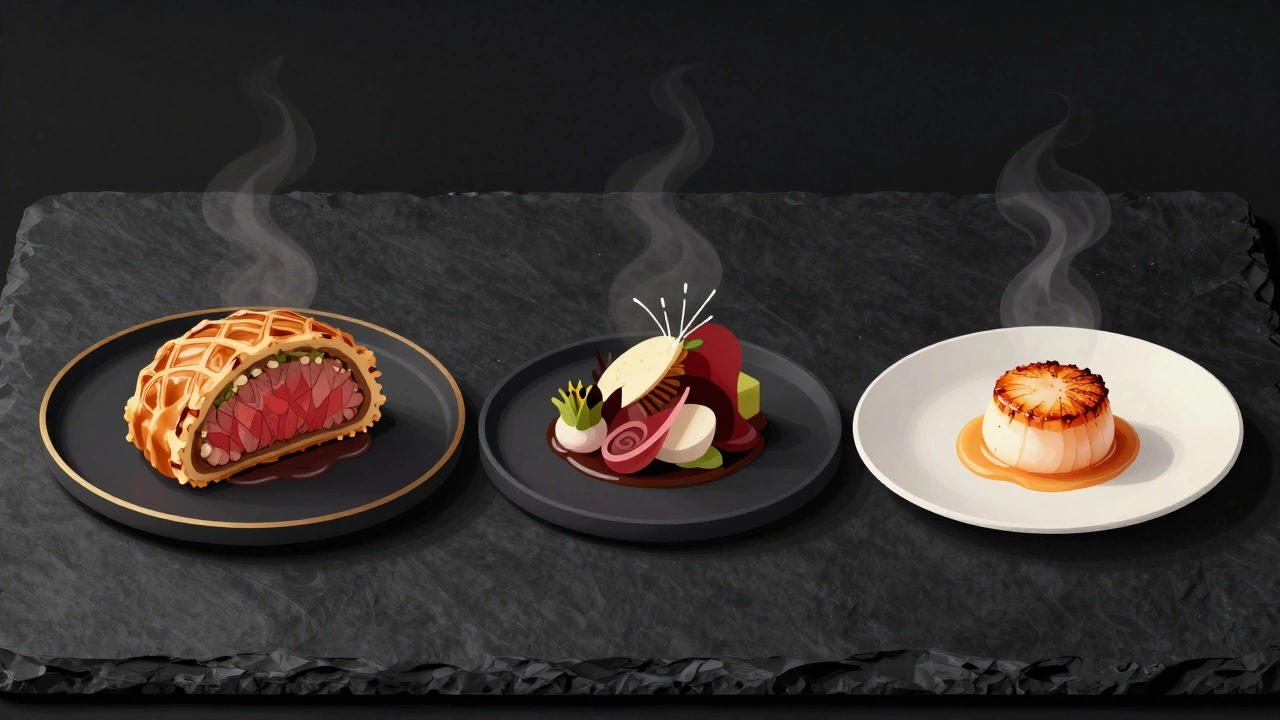
- Signature Dishes: Step-by-step guides to making his famous Beef Wellington, scallops, and risotto.
- Mentality: Insights into the discipline and pressure required in a Michelin-starred kitchen.
This format works well for home cooks who want to elevate their skills without the intimidation factor of being yelled at in real-time. It’s self-paced, affordable compared to live events, and available 24/7.
Live Events: The Rare Opportunity
While MasterClass is the standard, there are rare instances where Gordon Ramsay teaches in person. These are usually tied to promotional tours for new restaurants, book launches, or charity events. They are not regular "classes" you can enroll in year-round.
When these live events happen, they are often sold out within minutes. They tend to be high-ticket items, sometimes costing hundreds or even thousands of dollars per seat. These events are less about learning how to chop an onion and more about networking, dining, and getting a glimpse into Ramsay’s world. If you see a listing for a "Gordon Ramsay Live" event, check the details carefully. Is it a cooking demonstration? A dinner theater experience? Or just a talk?
For most people, these live events are impractical due to cost and availability. However, if you are a serious culinary enthusiast or a food industry professional, keeping an eye on Ramsay’s official social media channels and restaurant group announcements is worth it. Occasionally, pop-up workshops appear in major cities like London, New York, or Las Vegas.
Restaurant Experiences: Learning Through Observation
Another way to "learn" from Gordon Ramsay is by experiencing his restaurants. While you aren’t taking a class, observing the service, the plating, and the atmosphere provides invaluable insight into high-end hospitality.
Some of his establishments offer chef’s table experiences or behind-the-scenes tours. These are not instructional classes, but they allow you to ask questions and see the workflow of a professional kitchen. For example, dining at Bread Street Kitchen in London gives you a sense of his casual yet precise style, while Pétrus in Paris showcases his fine-dining expertise.
If you are in Melbourne, you won’t find a Gordon Ramsay-branded restaurant nearby. However, the principles he teaches-fresh ingredients, precise technique, and respect for the product-are universal. Many local chefs in Australia have trained in Europe and incorporate similar standards into their own kitchens. Supporting local culinary education can sometimes yield similar insights without the celebrity premium.
Alternative Celebrity Chef Courses
If MasterClass feels too generic or you want a different teaching style, consider other platforms. Many celebrity chefs offer similar online courses. Here is a quick comparison:
| Platform/Chef | Focus | Style | Best For |
|---|---|---|---|
| Gordon Ramsay (MasterClass) | Technique & Discipline | Intense, Professional | Home cooks wanting pro skills |
| Thomas Keller (MasterClass) | Fine Dining & Detail | Calm, Precise | Purists and detail-oriented cooks |
| Massimo Bottura (MasterClass) | Creativity & Tradition | Artistic, Innovative | Cooks interested in fusion and art |
| Alton Brown (Various) | Science of Cooking | Educational, Fun | Curious minds who love "why" |
Each chef brings a unique perspective. Ramsay is all about execution under pressure. Keller is about perfectionism. Bottura is about breaking rules. Choose based on what resonates with your cooking personality.
Is It Worth Your Money?
Let’s be honest: paying for a celebrity chef course is a luxury. You can learn to cook perfectly well from free resources like YouTube, blogs, and community college classes. So why pay for Ramsay?
You pay for the curation. You pay for the production quality. And you pay for the motivation. Having a world-class expert break down complex techniques into digestible steps saves you time. You avoid common mistakes because he highlights them upfront. Plus, the psychological boost of feeling connected to a culinary icon can keep you engaged when practice gets tough.
If you are serious about improving your cooking, invest in good knives, fresh ingredients, and patience. Then, use Ramsay’s course as a guide to refine your technique. Don’t expect magic; expect mastery through repetition.
Common Misconceptions
There are several myths about Gordon Ramsay’s teaching methods. Let’s clear them up:
- Myth: He only teaches fancy French cuisine.
Reality: His courses cover British classics, Italian staples, and Asian-inspired dishes. He emphasizes versatility. - Myth: You need professional equipment to follow along.
Reality: Most techniques can be adapted for home kitchens. He often shows how to achieve results with standard tools. - Myth: The course is too advanced for beginners.
Reality: Ramsay starts with basics like knife skills and stock-making. It’s scalable depending on your current level.
How to Get Started Today
If you’re ready to learn from Gordon Ramsay, here is your action plan:
- Sign up for MasterClass: Check if they offer a free trial or bundle deals. This is the most accessible entry point.
- Prepare your kitchen: Gather basic tools: a sharp chef’s knife, cutting board, saucepan, and skillet. No need for expensive gadgets yet.
- Watch actively: Don’t just binge-watch. Pause after each step and try it yourself. Take notes on temperatures and timings.
- Practice consistently: Pick one dish from the course and master it before moving to the next. Repetition builds muscle memory.
- Join a community: Look for online forums or local cooking groups to share your progress. Feedback accelerates learning.
Remember, the goal isn’t to become Gordon Ramsay. It’s to become a better version of yourself in the kitchen. Whether you’re cooking for family, friends, or just for fun, the skills you gain will last a lifetime.
Frequently Asked Questions
Can I take a live cooking class with Gordon Ramsay in Australia?
Currently, there are no permanent live cooking classes hosted by Gordon Ramsay in Australia. He occasionally visits for promotional events or TV filming, but these are not regular educational offerings. Your best option is the online MasterClass course, which is accessible worldwide.
How much does the Gordon Ramsay MasterClass cost?
MasterClass operates on a subscription model. As of 2026, annual memberships typically range from $180 to $250 USD, giving you access to all courses, including Ramsay’s. There may be promotional discounts available during holiday seasons.
Do I need prior cooking experience to take his class?
No, you do not need prior experience. Ramsay’s course is designed for all levels, starting with fundamental techniques like knife handling and seasoning. However, some intermediate knowledge helps you grasp concepts faster.
Are there any free resources to learn from Gordon Ramsay?
Yes, Gordon Ramsay has a popular YouTube channel with hundreds of free recipes and tips. While not as structured as his paid courses, these videos provide valuable insights into his techniques and favorite dishes.
Is the MasterClass certificate recognized professionally?
MasterClass does not issue accredited certificates that count toward professional culinary qualifications. It is an educational supplement for personal development, not a replacement for formal culinary school or apprenticeships.