
Micro-Adventure Generator
Answer three quick questions to discover your perfect micro-adventure for today.
Remember the last time you felt genuinely relaxed? Chances are, you weren't staring at a screen. Yet, despite knowing that fresh air does us good, most of us treat the outdoors like an obligation rather than a playground. We think we need expensive gear, peak physical fitness, or a perfect weekend itinerary to enjoy nature. That’s simply not true. The barrier to having fun outside isn’t money or skill; it’s mindset and accessibility.
In 2026, with urban life feeling more crowded and digital fatigue hitting record highs, reconnecting with the natural world is less of a hobby and more of a necessity for mental clarity. You don’t need to climb Everest to feel alive. You just need to step out your door with a slightly different perspective. Here is how you can transform mundane outings into memorable adventures without overcomplicating your life.
Rethink What "Fun" Looks Like
We often confuse fun with adrenaline. If you aren’t skydiving or white-water rafting, you assume you aren’t having a good time. This binary thinking kills spontaneity. True outdoor joy comes from engagement, not intensity. It’s about noticing things you usually ignore.
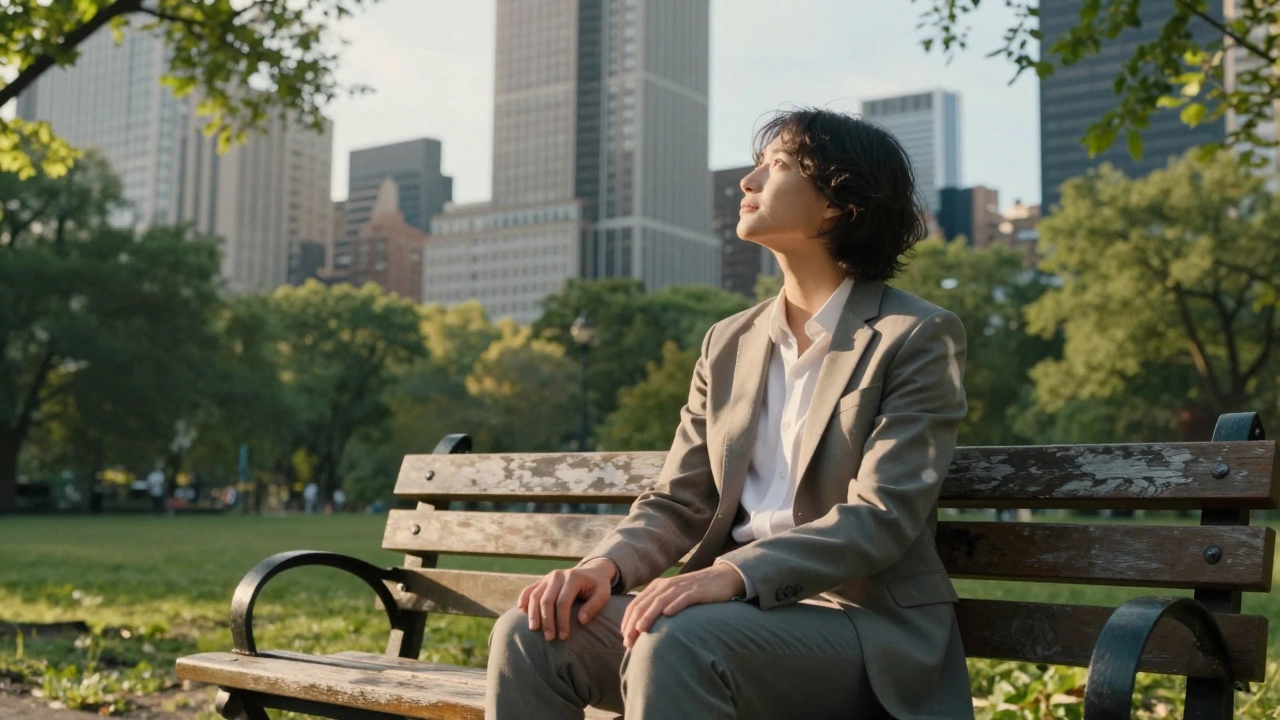
Start by lowering the bar. Having fun outside doesn’t mean completing a 10-mile hike. It means sitting on a park bench and watching clouds shift shapes. It’s walking through a local market and smelling the flowers. When you remove the pressure to "achieve" something outdoors, you make room for curiosity. Ask yourself: what sounds do I hear when I stop talking? What textures do I feel under my feet? This sensory shift turns a boring walk into a mindfulness exercise that actually feels like play.
Is it possible to have fun outside if I live in a city?
Absolutely. Urban environments offer parks, botanical gardens, riverfronts, and even rooftop spaces. The key is to treat these green pockets as sanctuaries rather than transit zones. City dwellers often find unique joy in "urban exploration," such as discovering hidden courtyards or following a specific tree species through different neighborhoods.
The Power of Micro-Adventures
You’ve likely heard of the term "micro-adventure." Coined by adventurer Alastair Humphreys, this concept suggests that adventure is available to everyone, regardless of income or schedule. A micro-adventure is short (often one night or a few hours), local (within easy reach of home), and simple.
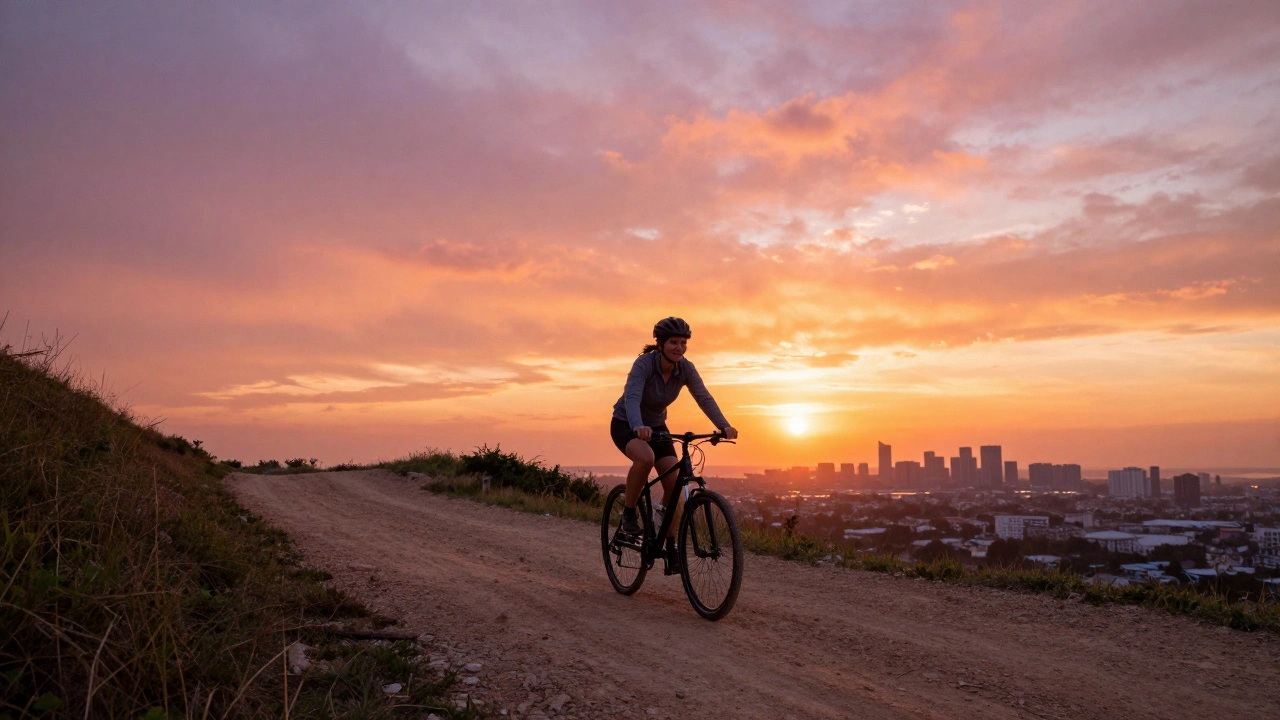
Try this: leave work an hour early, ride your bike to a hill you’ve never climbed before, watch the sunset, and head home. No camping gear required. Just you, the wind, and a change of scenery. These small breaks reset your brain better than a long vacation because they break the monotony of daily routine without causing logistical stress. In 2026, where time poverty is a major complaint among professionals, micro-adventures are the most efficient way to inject wonder into your week.
- The Midnight Walk: Go for a walk after dark. Notice how familiar streets look different under moonlight or streetlamps. It’s eerie, quiet, and deeply grounding.
- The Coffee Trek: Find a café three miles away and walk there. Buy a coffee, sit outside, and read a book. Then walk back.
- The Photo Hunt: Give yourself a theme-like "red objects" or "interesting shadows"-and spend 30 minutes photographing them in your neighborhood.
Engage Your Senses, Not Just Your Eyes
Most people walk through nature passively. They look at trees but don’t see them. To have more fun, you need to actively engage. This turns observation into interaction.
Bring a field guide or use a free identification app on your phone. Spotting a bird species or identifying a wildflower adds a layer of gamification to your walk. Suddenly, you’re not just walking; you’re exploring. Try listening exercises too. Close your eyes for one minute and count how many distinct sounds you can identify. Bird calls, rustling leaves, distant traffic, wind in branches. This practice, known as soundscaping, sharpens your awareness and makes the environment feel richer and more immersive.
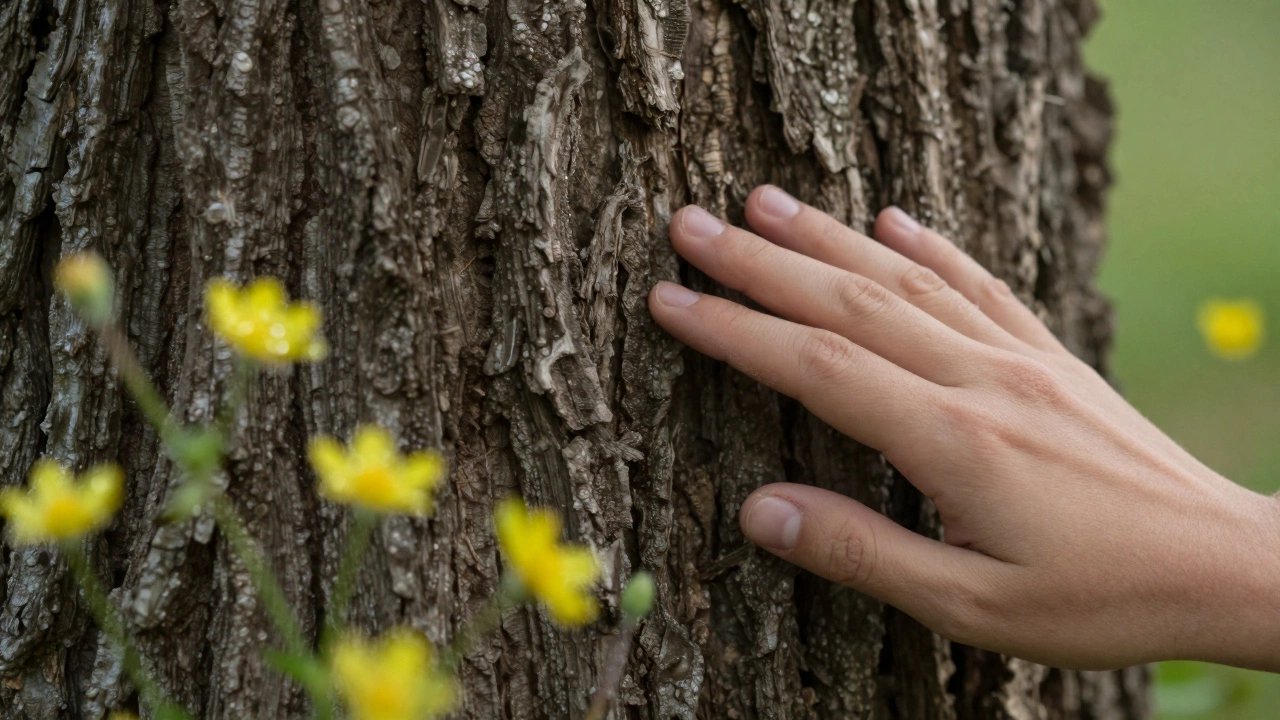
Tactile engagement works wonders too. Touch the bark of an oak tree versus a pine. Feel the difference in temperature between sunlit rock and shaded soil. These small interactions ground you in the present moment, which is the core ingredient of genuine enjoyment.
Socialize Differently
If solo outings feel daunting, bring a friend-but change the dynamic. Instead of meeting for dinner, meet for activity. Human connection deepens when shared experiences involve mild challenge or novelty.
Organize a "no-phone" picnic. Set a rule: devices stay in bags until dessert. Force conversation and observation. Or try a cooperative game like frisbee golf or kite flying. These activities require focus and coordination, pulling you out of your head and into the moment. Laughter happens more easily when you’re physically active and socially engaged in a low-stakes environment.
| Activity | Energy Level | Social Interaction | Cost |
|---|---|---|---|
| Picnic | Low | High (conversation-focused) | Low |
| Hiking Group | Medium | Medium (shared goal) | Low |
| Frisbee Golf | Medium-High | High (competitive/playful) | Low |
| Camping Trip | High | Very High (immersive) | Medium-High |
Embrace the Weather
One of the biggest excuses for staying inside is bad weather. But rain, fog, and snow create some of the most magical outdoor experiences if you dress correctly. In 2026, affordable waterproof breathable fabrics make it easier than ever to stay dry and comfortable.
Rainy days turn forests into lush, vibrant worlds. Puddles reflect the sky. Animals come out to drink. Fog creates mystery and silence. Snow muffles sound and transforms landscapes into monochrome art. Instead of seeing weather as an obstacle, see it as a filter that changes the texture of your experience. Invest in a good pair of waterproof boots and a lightweight rain jacket. Once you know you won’t get soaked, fear disappears, and fun begins.
Create Rituals, Not Routines
Routines are automatic; rituals are intentional. Turning outdoor time into a ritual gives it meaning. Maybe every Sunday morning, you brew coffee and sit in your backyard for ten minutes. Maybe every Friday evening, you take a different route home. Consistency builds habit, but intentionality builds joy.
Keep a small notebook in your pocket. Jot down one thing you noticed outside each day. A squirrel’s behavior, a new bloom, a strange cloud formation. Over time, this journal becomes a record of your connection to the world around you. It proves that fun isn’t rare-it’s everywhere, waiting for you to pay attention.
Overcome Common Barriers
Let’s address the real reasons people stay inside. Time? Start with five minutes. Money? Walking is free. Fitness? Move at your own pace. Boredom? Change your route or add a task (like photography). Each barrier has a simple workaround. The trick is to stop negotiating with yourself. Decide beforehand that you will go out, regardless of conditions. Action precedes motivation. You won’t always feel like going outside, but you will almost always feel better afterward.
What should I wear to start enjoying the outdoors more?
Comfort and layering are key. Start with moisture-wicking base layers, an insulating mid-layer (like fleece), and a weather-resistant outer shell. Good footwear is essential-trail runners or sturdy sneakers work for most casual activities. Avoid cotton, as it retains moisture and makes you cold when wet. In 2026, sustainable synthetic blends offer excellent performance at lower prices.
How can I make outdoor activities enjoyable for children?
Kids thrive on play and discovery. Turn walks into scavenger hunts. Let them lead the way. Provide tools like magnifying glasses, bug catchers, or binoculars. Involve them in simple tasks like setting up a picnic blanket or roasting marshmallows. Keep sessions short and positive. Focus on fun, not education, and let their curiosity drive the experience.
Are there safety concerns I should consider?
Basic precautions apply: tell someone your plans, carry water, check weather forecasts, and stay on marked trails if you’re unfamiliar with an area. Learn basic first aid and recognize local wildlife hazards. For urban settings, be aware of your surroundings and avoid isolated areas at night. Preparedness enhances enjoyment by reducing anxiety.
Can I combine outdoor time with work or study?
Yes. Many people find increased focus when working outdoors. Bring a laptop to a park table, read in a garden, or take phone calls while walking. Natural light boosts mood and productivity. Just ensure you have Wi-Fi access if needed, and protect your devices from sun and rain. This hybrid approach maximizes both efficiency and well-being.
What are some low-cost outdoor hobbies?
Walking, running, cycling, sketching, photography, birdwatching, and picnicking are all virtually free. Public libraries often lend equipment like telescopes or fishing rods. Community centers may offer free guided hikes or nature talks. The internet provides endless resources for learning skills like knot-tying or plant identification without spending money.