
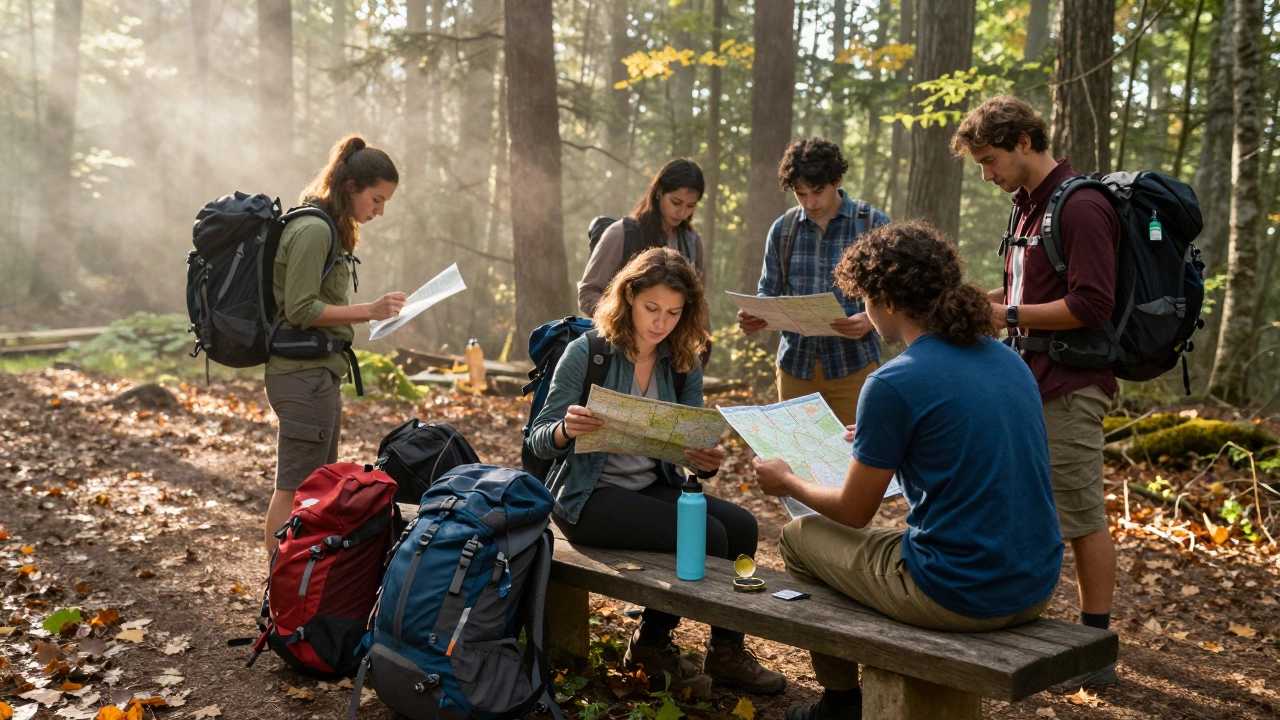
Outdoor Gear Calculator
Plan Your Gear
Planning an outdoor activity isn’t just about picking a trail or a park. It’s about making sure you come back in one piece, with good memories, and maybe even a few laughs. Too many people skip the basics and end up cold, lost, or stuck because they didn’t think ahead. You don’t need to be an expert to get it right-just smart enough to ask the right questions before you leave the house.
Start with the basics: What are you actually doing?
Before you even think about packing, define the activity. Is it a casual walk in the local reserve? A full-day hike with a 500-meter climb? A bike ride along the coast? Or maybe a picnic with kids and a frisbee? Each one demands a totally different approach. A stroll in Royal Botanic Gardens Melbourne needs sunscreen and water. A hike up Mount Dandenong requires sturdy boots, a map, and extra layers. Don’t assume all outdoor activities are the same. The more specific you are, the better your plan becomes.
Check the weather-not the forecast, the real conditions
Weather apps are helpful, but they’re not magic. A 20% chance of rain doesn’t mean you’ll stay dry. In Melbourne, the weather changes faster than a tram’s direction. One minute it’s sunny, the next it’s pouring. Always check multiple sources: Bureau of Meteorology for official forecasts, local Facebook groups for real-time updates from hikers or cyclists, and if you can, call a park ranger or visitor center. If you’re heading out before dawn, remember that temperatures can drop 10°C overnight. Pack for the coldest part of the day, not the forecasted high.
Plan your route and tell someone
Never just wing it. Even if you’ve done the trail ten times, things change. A tree falls. A path erodes. A bridge gets closed. Write down your route: start point, key landmarks, estimated time to finish, and your exit point. Then, tell someone-anyone-your plan. Text a friend: “Heading to Dandenong Ranges trail at 8 AM, back by 3 PM via the South Ridge.” If you don’t show up, they’ll know to call for help. This simple step has saved lives. Don’t be the person who disappears and leaves a search party scrambling.
Gear isn’t optional-it’s survival
You don’t need fancy gear, but you do need the essentials. Here’s the non-negotiable list:
- Water: At least 1.5 liters per person. More if it’s hot or you’re moving fast. A hydration bladder is easier than bottles.
- Food: High-energy snacks-nuts, dried fruit, energy bars. Don’t wait until you’re hungry to eat.
- First aid kit: Bandages, antiseptic wipes, blister pads, painkillers, and any personal meds. A small one fits in a pocket.
- Weather layers: Even in summer, bring a light windbreaker. In winter, a thermal base layer and waterproof shell are mandatory.
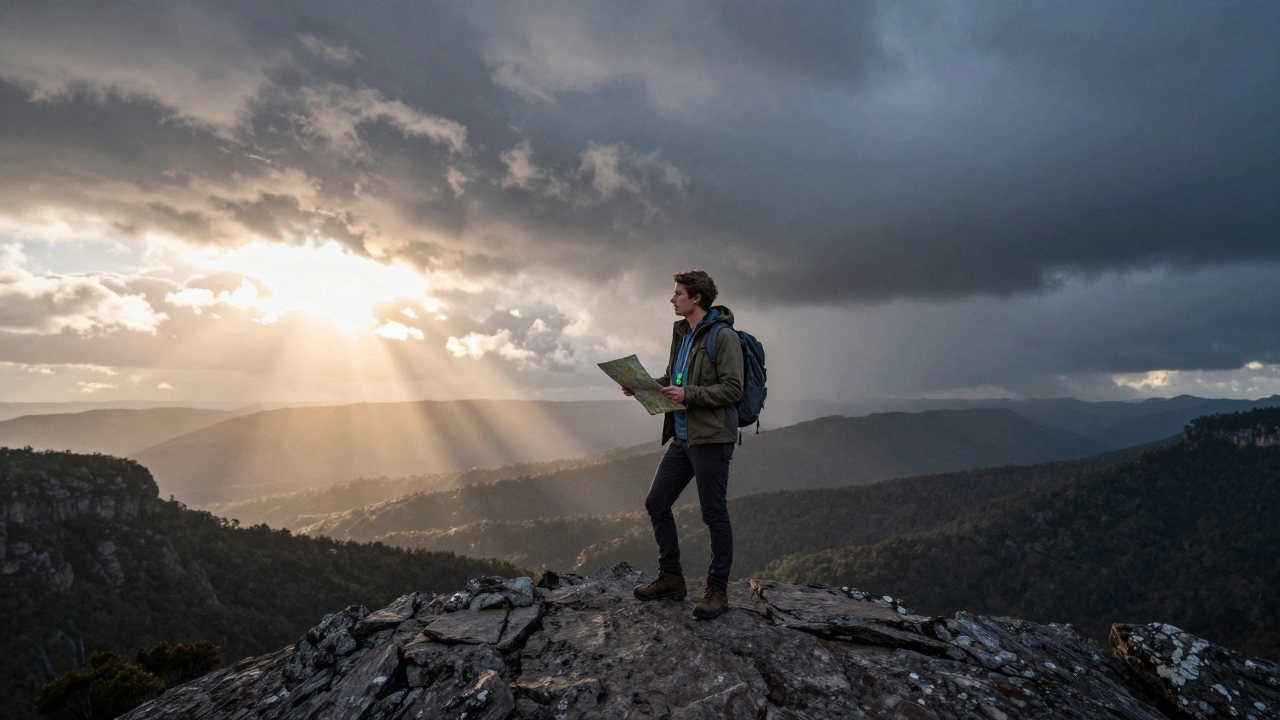
- Navigation tools: A physical map and compass. Phone GPS fails when the battery dies or you lose signal.
- Emergency whistle and torch: Both cost under $10. One could mean the difference between waiting and being found.
Pro tip: Test your gear before you go. Put on your boots and walk around the block. Does your backpack dig into your shoulders? Does your water bottle leak? Fix it now, not on the trail.
Know your group’s limits
Planning for a group? Don’t plan for the fittest person. Plan for the slowest, the least experienced, or the one with the least confidence. If you’ve got kids, elderly relatives, or someone who hasn’t hiked in years, choose an easier route. Pushing too hard leads to exhaustion, injury, or panic. A 4-kilometer loop with gentle slopes is better than a 10-kilometer climb that leaves half the group behind. And always carry extra snacks and water for those who need more.
Leave no trace-really
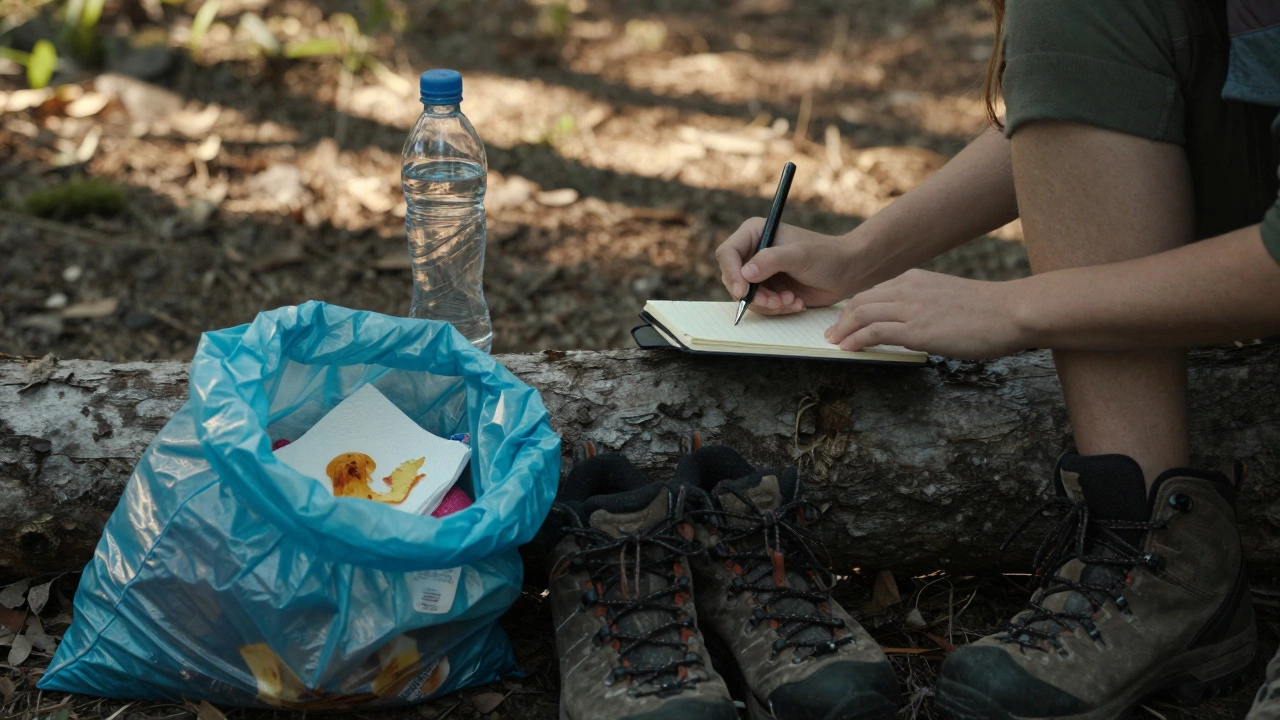
Outdoor spaces aren’t trash bins. Pack out everything you bring in. That banana peel? It takes months to decompose and attracts animals. Plastic wrappers? They end up in waterways. Use a small trash bag and carry out your waste-even if it’s just a napkin. If you see litter left by someone else, pick it up. It’s not your job, but it’s the right thing to do. These places stay beautiful because people care enough to protect them.
Have a backup plan
What if the trail is flooded? What if someone gets a sprained ankle? What if the wind picks up and it gets too cold? Always have a Plan B. Maybe it’s switching to a nearby park. Or turning back early. Or calling a friend to pick you up. Don’t wait for things to go wrong to think of alternatives. If you’ve planned for the worst, you’ll stay calm when it happens.
Timing matters more than you think
Start early. Not because you want to beat the crowd, but because you want to beat the heat, the wind, or the darkness. In summer, start before 8 AM. In winter, aim to be back by 4 PM. Daylight fades fast, especially under tree cover. If you’re unsure about how long something will take, double your estimate. That 2-hour hike? Plan for 4. You’ll arrive relaxed, not rushed.
What to do after you get back
Don’t just collapse on the couch. Take five minutes to reflect. What worked? What didn’t? Did you forget your hat? Did the kids get bored? Did the water run out too soon? Write it down-just a sentence or two. Next time, you’ll know exactly what to change. Planning isn’t a one-time thing. It’s a skill you build with every trip.
Outdoor activities should feel freeing, not stressful. The best ones happen when you’re prepared, not when you’re lucky. You don’t need to be an adventurer to enjoy the outdoors. You just need to plan.
What’s the most common mistake people make when planning an outdoor activity?
The biggest mistake is assuming the weather will stay nice. People pack for sunny conditions and get caught in rain, wind, or sudden cold. Melbourne’s weather is unpredictable, and even experienced hikers get caught off guard. Always prepare for the worst-case scenario, not the forecasted high.
Do I need special gear for a simple walk in the park?
Not if it’s a short, flat walk in a well-maintained park during daylight. But even then, bring water, sunscreen, and a light jacket. You never know when a sudden breeze or a delayed return will catch you unprepared. Basic gear isn’t about luxury-it’s about comfort and safety.
How much water should I carry for a 5-hour hike?
For a 5-hour hike in moderate conditions, carry at least 2.5 liters per person. If it’s hot (above 25°C), add another 0.5 to 1 liter. Dehydration sets in faster than you think-especially if you’re walking uphill or carrying a pack. Sip small amounts often, don’t wait until you’re thirsty.
Is it safe to go alone on an outdoor activity?
It can be, but only if you’re experienced and have told someone your exact plan. Solo hikers should stick to well-traveled paths, avoid remote areas after dark, and carry a fully charged phone with offline maps. Never go alone in unfamiliar terrain. If you’re unsure, bring a friend-even if they’re not an outdoor enthusiast.
What should I do if I get lost?
Stop. Don’t keep walking. Use your map and compass to find your last known point. If you can’t figure it out, stay put. Use your whistle-three short blasts is the universal distress signal. Most rescues happen within 24 hours if you’re visible and not moving. Running around makes it harder for search teams to find you.