
Festival Ticket Trust Score Calculator
Answer these questions based on your experience or research with the platform.
Fill out the form and click calculate to see your risk profile.
Buying festival tickets is risky. One wrong click can leave you with a fake PDF, a cancelled event, or a price that doubles because the seller panicked. In 2026, the landscape of festival tickets has shifted significantly. It’s no longer just about finding a seat; it’s about navigating a complex web of primary sales, dynamic pricing, and secondary markets where trust is the most valuable currency.
The core problem isn't availability-it's reliability. You want to know if the platform will actually deliver what they promise. This guide breaks down how to identify trustworthy sources, distinguishing between official organizers, major aggregators, and high-risk peer-to-peer exchanges. We’ll look at specific metrics you can check before you hit "Buy Now," ensuring your money stays in your pocket and your spot at the gates remains secure.
Understanding the Ticketing Ecosystem
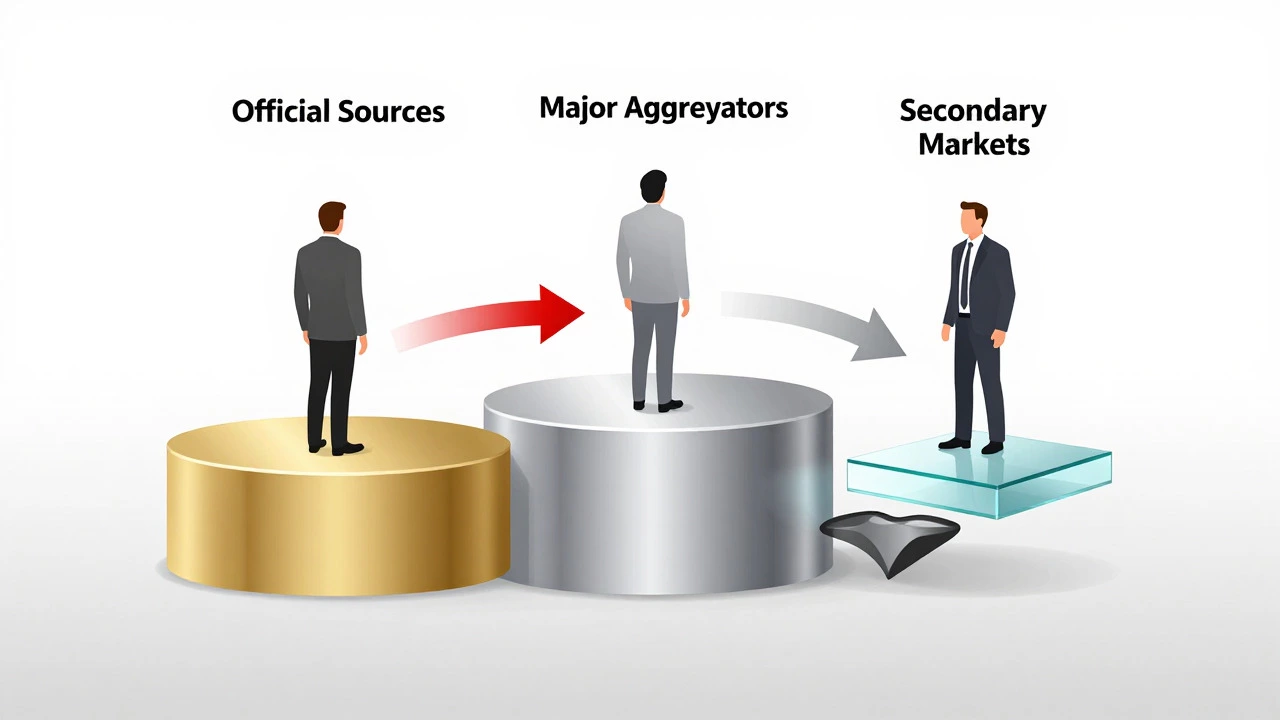
To judge trustworthiness, you first need to understand who is selling the ticket. The market splits into three distinct tiers, each with different risk profiles.
- Official Box Offices: These are sites run directly by the festival organizer (e.g., Lollapalooza, Glastonbury, or local Australian festivals). They hold the master inventory. Risk is lowest here, but stock often sells out in minutes.
- Primary Resellers: Major platforms like Ticketmaster or Eventbrite that have exclusive or semi-exclusive agreements. They manage inventory on behalf of organizers. Risk is low, but fees can be high due to service charges and delivery costs.
- Secondary Marketplaces: Peer-to-peer platforms like StubHub or Viagogo. Here, individuals sell tickets. Risk varies wildly depending on the platform's verification process. Prices fluctuate based on demand.
The "trust" factor differs for each. Official boxes offer certainty but scarcity. Primary resellers offer convenience but potential fee bloat. Secondary markets offer flexibility but require due diligence. Knowing which tier you are entering changes how you evaluate the site.
Key Indicators of a Trustworthy Platform
How do you spot a legitimate site from a scam? Look for these concrete signals. If a site lacks two or more of these, proceed with caution.
- Clear Fee Structure: Reputable sites display all fees upfront. Hidden delivery costs or "processing fees" added at checkout are red flags. Check if the total price includes tax and service charges before payment.
- Verified Seller Badges: On secondary markets, look for "Fan-Trust" scores or verified seller badges. For example, StubHub uses a rating system based on past transactions. A seller with a 95%+ positive rating over 100+ sales is generally safe.
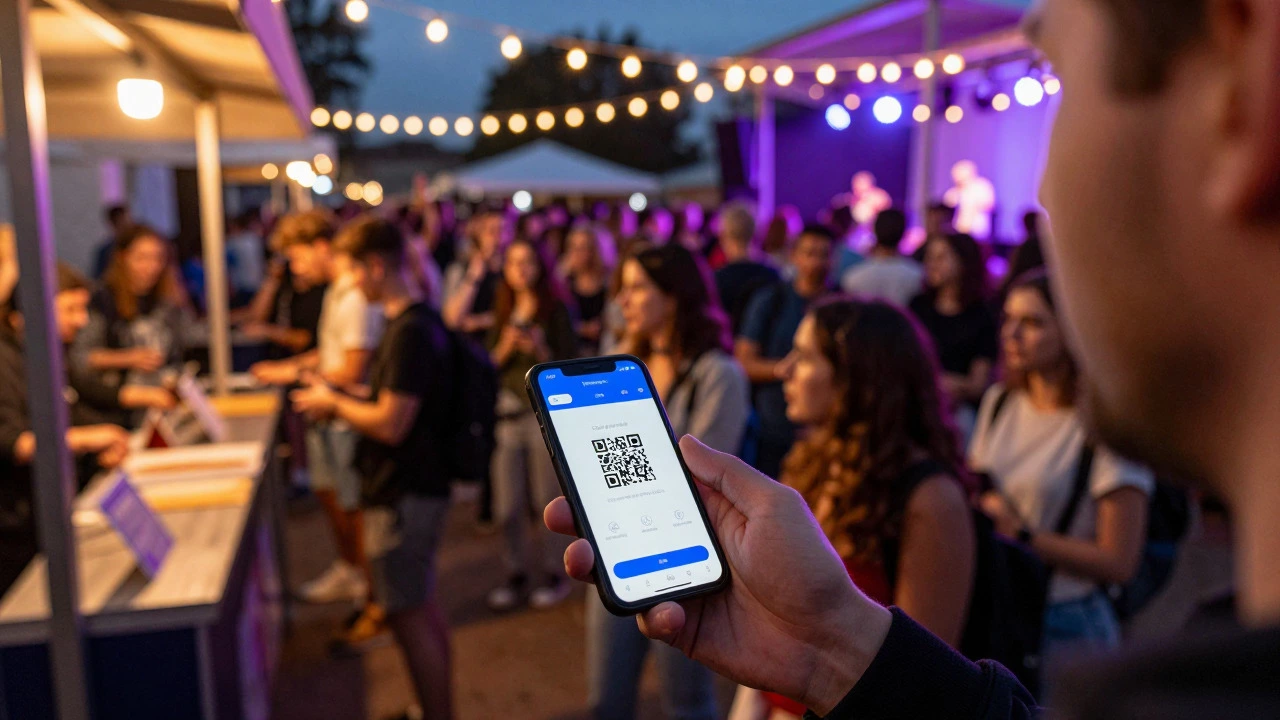
- Mobile Ticket Integration: Modern festivals use QR codes stored in apps like Apple Wallet or Google Pay. Trustworthy sites integrate seamlessly with these wallets. If a site only offers email PDFs without app integration, it may be outdated or less secure.
- Refund Policy Clarity: Read the fine print. Does the platform guarantee a refund if the event is cancelled? Do they cover the buyer if the seller fails to deliver? Vague terms like "at our discretion" are warning signs.
A quick test: Try to find the customer support contact method. Is there a live chat, a phone number, or a clear email address? Sites that hide their support channels often disappear when problems arise.
Comparing Top Platforms in 2026
Let’s compare the major players based on reliability, cost, and user experience. This table highlights the trade-offs you face when choosing where to buy.
| Platform Type | Example Platforms | Trust Level | Typical Fees | Best For |
|---|---|---|---|---|
| Official Organizer | Festival-specific sites | Highest | Lowest (base price) | Early access, guaranteed entry |
| Major Aggregator | Ticketmaster, Eventbrite | High | Medium-High (service + delivery) | Convenience, wide selection |
| Secondary Marketplace | StubHub, Viagogo | Variable (check ratings) | High (market-driven) | Sold-out events, last-minute buys |
| P2P Exchange | Facebook Groups, Reddit | Low (unverified) | Low (negotiable) | Budget buyers willing to take risks |
Note that "Trust Level" refers to the probability of receiving a valid ticket as described. P2P exchanges aren't inherently scams, but the lack of a middleman means you bear all the risk if the deal goes wrong.
Navigating Resale Risks and Scams
If you must buy from a secondary source, protect yourself. Scammers exploit urgency. They list popular festivals at below-market prices to lure you in. Here’s how to avoid getting burned:
- Check the Price History: Use tools that track price trends. If a $200 ticket is listed for $150 during peak season, it’s likely a scam. Legitimate discounts are rare for high-demand events.
- Verify the Ticket Format: Ask the seller for a screenshot of the ticket in their wallet. Ensure the barcode matches the event name and date. Beware of static barcodes that don’t change per transaction.
- Use Escrow Services: Some platforms hold your payment until you confirm receipt. If buying off-platform, consider using a trusted escrow service, though this adds complexity.
- Watch for Time Zones: Scammers often operate across time zones. If the seller claims to be in Melbourne but responds instantly at 3 AM your time, verify their location. Discrepancies can indicate automated bots or stolen accounts.
Always keep communication within the platform’s messaging system. Moving to email or WhatsApp removes your protection layer. If a seller pressures you to "buy now before it’s gone," slow down. Pressure is a tactic.
Regional Considerations for Australian Buyers
Living in Melbourne, you might encounter international platforms that charge foreign transaction fees or have unclear shipping times for physical tickets. Local knowledge matters.
For major Australian festivals like Splendour in the Grass or Falls Festival, the official websites are usually the most reliable. They often use local payment gateways that handle AUD natively, avoiding currency conversion surprises. International platforms like Ticketmaster US may list Australian events, but their customer support might be slower or less familiar with local consumer law protections under the Australian Consumer Law (ACL).
When buying from an international site, check if they offer "local delivery" or digital-only options. Digital tickets eliminate shipping risks entirely. If you must receive a physical ticket, ensure the delivery window aligns with the event start date, accounting for potential postal delays.
Pro Tips for Securing Your Spot
Trust isn't just about the site; it's about your preparation. Follow these rules to maximize your chances of success:
- Create Accounts Early: Sign up for newsletters and create profiles on major platforms weeks before sale dates. Saved payment details speed up checkout, crucial when tickets sell out in minutes.
- Use Multiple Devices: Have a laptop, tablet, and phone ready. Sometimes one device loads faster than another. Sync your browser tabs beforehand.
- Set Price Alerts: On secondary markets, set alerts for your target price. This way, you react quickly when a fair-priced ticket appears, rather than hunting manually.
- Know the Cancellation Policy: Before buying, read the cancellation policy. If the festival is outdoors, weather cancellations are possible. Know if you get a full refund, credit, or nothing.
Finally, trust your gut. If a deal seems too good to be true, it probably is. In the world of festival tickets, patience and research save you more money than luck ever will.
Is it safe to buy festival tickets from Facebook groups?
It carries higher risk than official platforms. While many legitimate fans sell tickets, there is no middleman to protect you if the seller doesn't deliver. If you choose this route, insist on meeting in person or using a secure payment method that allows disputes, and verify the seller's identity through mutual friends or public posts.
What should I do if my ticket doesn't show up in my wallet?
First, check your spam folder for the confirmation email. Next, log into the platform's website directly to see if the ticket is linked to your account. If it's missing, contact customer support immediately with your order number. Most reputable platforms will reissue digital tickets within 24 hours if the issue is on their end.
Are dynamic pricing tickets worth the extra cost?
Dynamic pricing adjusts based on demand. If you buy early, you often pay less. If you wait, prices rise. It's worth it if you value certainty and don't mind paying a premium for convenience. However, if you're budget-conscious, monitor price drops closer to the event date, as some sellers lower prices if tickets remain unsold.
Can I transfer my ticket to a friend after purchase?
Yes, most modern platforms allow easy transfers via email or app sharing. Check the specific event's policy, as some restrict transfers to prevent scalping. Transfers are usually free on official platforms but may incur a small fee on secondary markets.
How far in advance should I buy festival tickets?
For popular festivals, buy as soon as they go on sale. General admission passes often sell out months in advance. If you miss the initial sale, check for presales or VIP packages. Waiting increases both price and the risk of selling out.