
Find Your Perfect Outdoor Adventure
Answer three quick questions to discover which outdoor activity suits you best.
Recommended Activity:
You know that feeling when you step outside, look at a mountain or a wild river, and think, "I want to go there"? That pull is the essence of outdoor adventuring. It isn't just about being active; it's about interacting with the natural world in a way that challenges your body and sharpens your mind. But what exactly counts as an outdoor adventurous activity? Is it just for extreme athletes with six-pack abs and expensive gear? Absolutely not.
At its core, an outdoor adventurous activity is any physical pursuit conducted in a natural environment that involves some level of risk, skill, or exertion beyond casual recreation. While a leisurely walk in the park is an outdoor activity, scaling a cliff face or navigating white-water rapids moves into the realm of adventure because it demands focus, preparation, and often, a bit of courage. This guide breaks down what these activities are, why they matter, and how you can start exploring them without breaking the bank or your back.
Defining Adventure: The Spectrum of Risk and Skill
People often confuse "adventure" with "danger." They aren't the same thing. Adventure implies uncertainty and challenge, but it doesn't mean reckless abandon. When we talk about outdoor adventurous activities, we're looking at a spectrum. On one end, you have low-risk pursuits like forest bathing or gentle canoeing on calm lakes. On the other, you have high-consequence activities like mountaineering or BASE jumping.
The key differentiator is usually the element of control. In a controlled gym environment, you know exactly what will happen if you lift a weight. Outdoors, the weather changes, the terrain shifts, and wildlife appears unexpectedly. Managing this unpredictability is part of the thrill. According to the Outdoor Industry Association, participation in outdoor recreation has surged post-2020, driven by a desire for authentic experiences that digital screens can't provide. People are seeking out activities that force them to be present.
Land-Based Adventures: From Hiking to Climbing
The most accessible entry point into adventure is on solid ground. You don't need a boat or a plane to get started. Land-based activities rely on gravity, friction, and your own two legs.
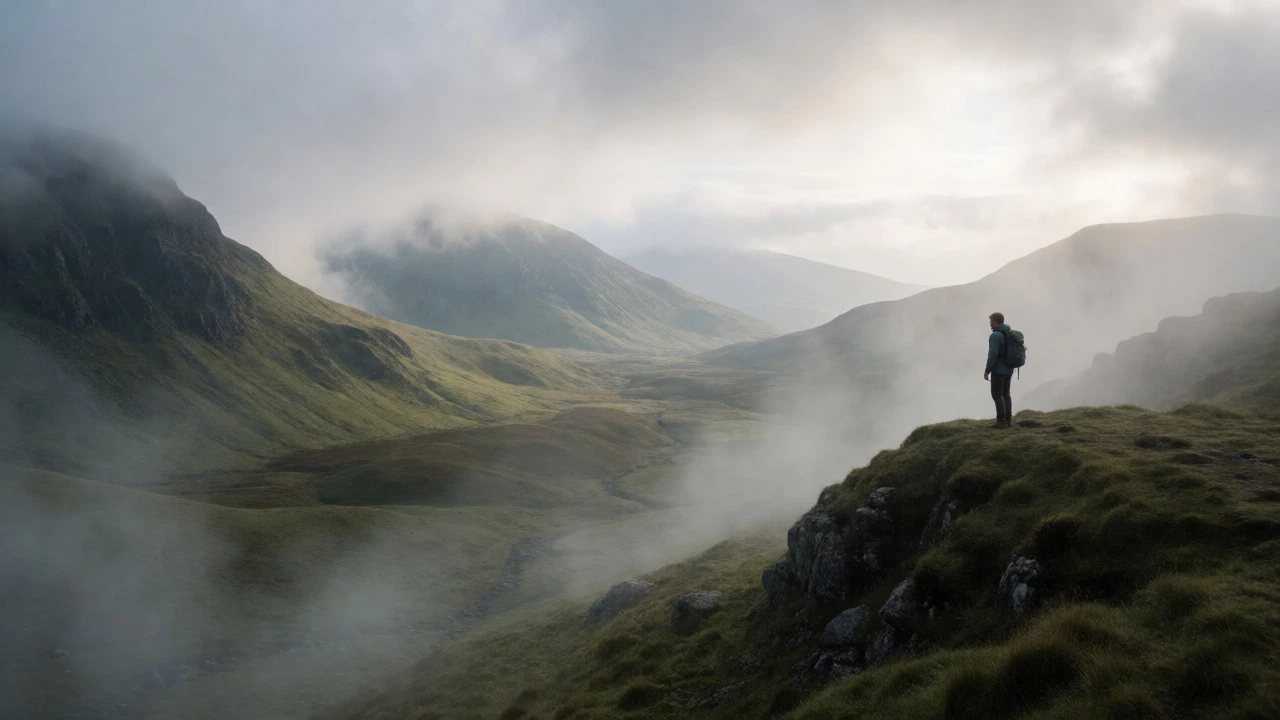
Hiking is often dismissed as basic exercise, but it becomes an adventure when you venture off-trail or tackle multi-day treks. Hiking is the act of walking for pleasure, especially on trails in the countryside or wilderness. Unlike urban walking, hiking requires navigation skills, endurance, and respect for changing conditions. A simple day hike turns into an adventure when you add a backpacking component, carrying all your survival needs on your back for days.
Then there is Rock Climbing, which takes hiking up a notch-or several hundred feet. Rock climbing is a sport where participants climb up, down, or across natural rock formations or artificial rock walls. It’s a puzzle solved with your hands and feet. Bouldering, a form of climbing close to the ground, is great for beginners because it doesn't require ropes, just a crash pad and problem-solving skills. Traditional climbing, however, involves placing protection as you ascend, adding a layer of technical knowledge and trust in your gear.
For those who prefer speed over precision, trail running offers a fast-paced alternative. It combines the aerobic benefits of running with the mental engagement of watching your footing on uneven terrain. Mountain biking also fits here, blending cycling skills with downhill momentum and technical handling on dirt paths.
Water-Based Thrills: Navigating Fluid Dynamics
If land feels too stable, water offers a dynamic playground. Water-based adventures introduce buoyancy, current, and temperature as variables. The stakes feel higher because mistakes can lead to immersion rather than just a stumble.
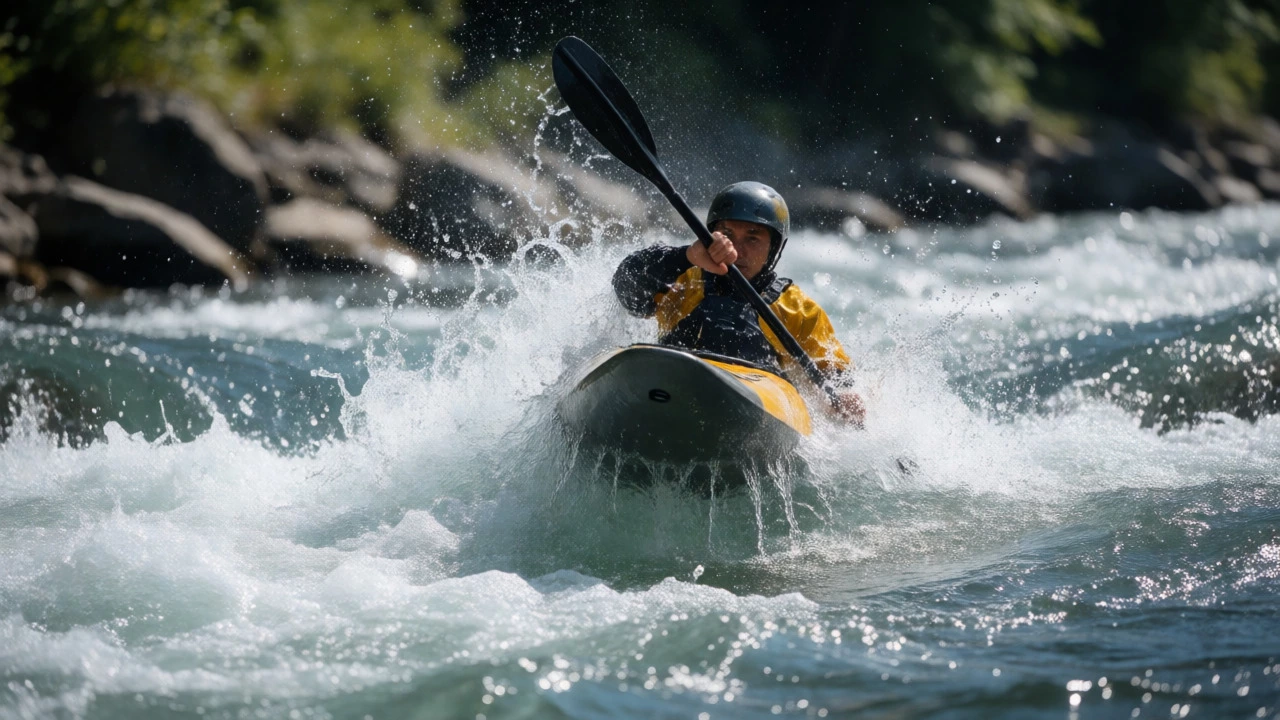
Kayaking is versatile. You can paddle calmly through marshes or battle roaring whitewater. Kayaking is the use of a kayak for moving across water. Sea kayaking focuses on endurance and navigation along coastlines, while whitewater kayaking demands quick reflexes and roll techniques to right yourself after capsizing. Both types teach you to read the water, understanding currents and eddies.
White-water rafting is more communal. You sit in an inflatable raft with a group, following a guide's commands. It’s less about individual technique and more about teamwork and adrenaline. Surfing, another popular option, requires patience and balance. Waiting for waves can be meditative, but catching one provides a pure rush of kinetic energy. For colder climates, ice fishing might seem static, but drilling through frozen lakes and surviving sub-zero temperatures adds an adventurous edge to a traditional pastime.
Airborne Excursions: Defying Gravity
Sometimes, the best view comes from above. Airborne activities offer perspective shifts that ground-level adventures can't match. These often involve higher costs and specialized equipment, but the payoff is unmatched freedom.
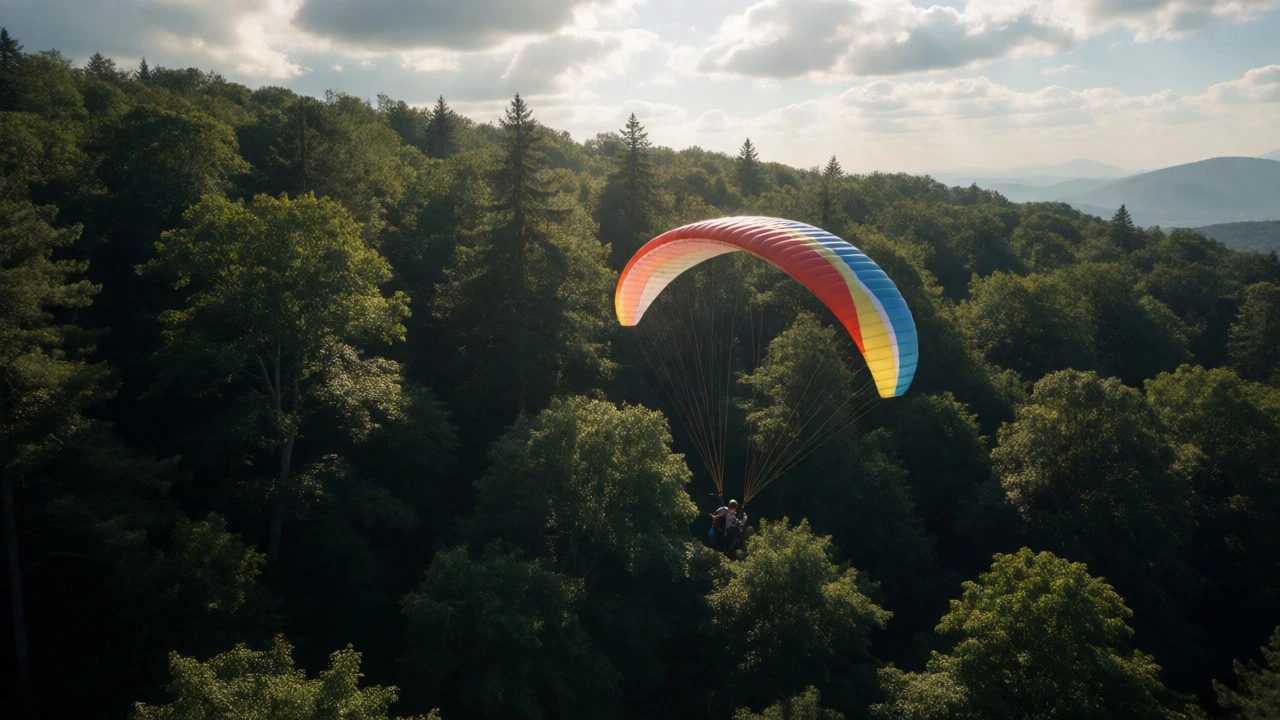
Paragliding allows you to launch from a hillside and glide using thermal currents. Paragliding is the recreational and competitive adventure sport of flying paragliders, lightweight, free-flying, foot-launched glider aircraft with no rigid primary structure. It’s surprisingly peaceful once you’re airborne. Hang gliding is similar but uses a rigid wing frame, requiring more physical effort to launch and steer.
Ziplining is a gentler introduction to aerial views, common in canopy tours in tropical forests. Skydiving remains the ultimate test of nerve for many. Jumping from 14,000 feet triggers a primal fear response, but the subsequent freefall induces a state of hyper-focus. For those wanting to stay closer to the ground but still feel the wind, kiteboarding combines surfing with a parachute-like kite, pulling you across the water at high speeds.
Choosing Your First Adventure: A Practical Guide
How do you pick which activity suits you? It depends on your fitness level, budget, and local geography. Here is a quick comparison to help you decide.
| Activity | Physical Demand | Skill Level | Typical Cost | Best For |
|---|---|---|---|---|
| Hiking | Moderate | Beginner | Low ($0-$50) | Stress relief, social groups |
| Rock Climbing | High | Intermediate | Medium ($50-$150) | Problem solvers, strength builders |
| Kayaking | Moderate-High | Beginner-Int | Medium ($30-$100 rental) | Nature lovers, explorers |
| Paragliding | Low-Moderate | Specialized | High ($150+ per flight) | Thrill seekers, scenic views |
| Trail Running | High | Beginner | Low (Shoes only) | Cardio enthusiasts, soloists |
Notice that cost doesn't always correlate with excitement. A free hike in a stormy forest can feel more adventurous than a paid tour in sunny weather. Start small. If you've never hiked, try a five-mile loop before attempting a ten-mile summit push. If you're curious about climbing, book a half-day lesson at an indoor gym first to build confidence before heading outdoors.
Essential Gear and Safety Considerations
You don't need to buy everything at once. Most outdoor shops offer rentals for bulky items like kayaks or climbing harnesses. However, investing in proper footwear is non-negotiable. Ill-fitting boots cause blisters, which ruin hikes faster than rain does.
Safety protocols vary by activity. In hiking, the Ten Essentials list is standard practice: navigation, sun protection, insulation, illumination, first aid supplies, fire starter, repair kit/tools, nutrition, hydration, and emergency shelter. Ignoring these leads to preventable rescues. In water sports, wearing a Personal Flotation Device (PFD) is critical, even for strong swimmers. Cold water shock can incapacitate anyone within seconds.
Check the weather forecast, but understand that mountains create their own microclimates. A clear morning can turn into an afternoon thunderstorm rapidly. Always tell someone your route and expected return time. Cell service is spotty in remote areas, so a satellite messenger or PLB (Personal Locator Beacon) is worth considering for serious backcountry trips.
The Mental Health Benefits of Outdoor Adventure
Beyond the physical stats-calories burned, muscles built-there’s a psychological payoff. Studies published in journals like Environmental Science & Technology suggest that exposure to nature lowers cortisol levels, the body's primary stress hormone. Adventure amplifies this by inducing flow states. When you're focused on placing your foot on a narrow ledge or balancing on a surfboard, you can't worry about emails or deadlines. You are fully immersed in the present moment.
This disconnect from technology helps reset attention spans. Many people report feeling mentally clearer after a weekend spent away from screens. Additionally, overcoming physical challenges builds resilience. Surviving a tough climb or navigating a tricky rapid proves to yourself that you can handle discomfort and uncertainty, traits that translate well to everyday life challenges.
Getting Started: Your Action Plan
Ready to step outside? Here is a simple checklist to begin your journey:
- Assess your location: Look at a map. Do you have hills, rivers, or forests nearby? Choose an activity that matches your geography.
- Start with guided experiences: Book a beginner class for climbing, kayaking, or hiking. Learning from a pro prevents bad habits and injuries.
- Invest in layers: Weather changes fast. Wear moisture-wicking base layers, insulating mid-layers, and waterproof outer shells. Avoid cotton, which stays wet and cold.
- Join a community: Local clubs for hiking or paddling are welcoming. Social accountability keeps you motivated.
- Leave No Trace: Pack out what you pack in. Respect wildlife and minimize your impact on the environment.
Adventure isn't about conquering nature; it's about connecting with it. Whether you choose to scale a rock face or paddle a quiet lake, the goal is to find joy in movement and discovery. Start today, step outside, and see what awaits.
Do I need to be fit to start outdoor adventurous activities?
Not necessarily. Many activities, like hiking or flat-water kayaking, can be scaled to your current fitness level. You can start slow and build endurance over time. Activities like rock climbing or trail running require more baseline fitness, but beginners can start with easier routes or shorter distances.
Is outdoor adventure expensive?
It varies. Hiking and trail running are nearly free if you already have decent shoes. Specialized gear for skiing or sailing can be costly, but renting equipment for initial attempts is affordable. Group trips often split costs, making adventures like rafting accessible.
What is the safest way to try a new activity?
Take a certified course or hire a guide. Learning proper technique from an expert reduces injury risk significantly. Always wear appropriate safety gear, such as helmets and life jackets, and check weather conditions before heading out.
Can older adults participate in outdoor adventures?
Absolutely. Many seniors enjoy hiking, kayaking, and even rock climbing. Age is less important than mobility and health status. Consulting a doctor before starting high-intensity activities is wise, but age alone shouldn't stop you from exploring the outdoors.
What should I pack for a day trip?
Bring water, snacks, a map or GPS device, a first-aid kit, sunscreen, and extra clothing layers. Even on short trips, having these essentials ensures you can handle minor emergencies or sudden weather changes.