
VR Therapy Suitability Assessment
1. Physical History
2. Current Mental State
3. Logistics & Privacy
Your Risk Assessment
Potential Barriers Identified:
- No results yet.
Imagine putting on a virtual reality headset, intending to relax or heal, only to feel dizzy, disoriented, or even panicked five minutes later. It happens more often than you might think. While VR mental health treatments promise immersive healing environments, they are not without serious pitfalls. As we move further into 2026, the technology has improved, yet fundamental human reactions remain unchanged. Understanding these downsides is crucial before you trust a headset with your well-being.
Quick Summary
- Physical strain: Many users experience motion sickness or eye fatigue during sessions.
- Psychological risk: Intense simulations can trigger unmanaged distress or dissociation.
- Privacy concerns: Biometric data collected by headsets creates security vulnerabilities.
- Access barriers: High costs and hardware requirements limit availability for many patients.
- Clinical gaps: Not all therapists are trained to handle VR-induced reactions safely.
The Physical Toll of Immersion
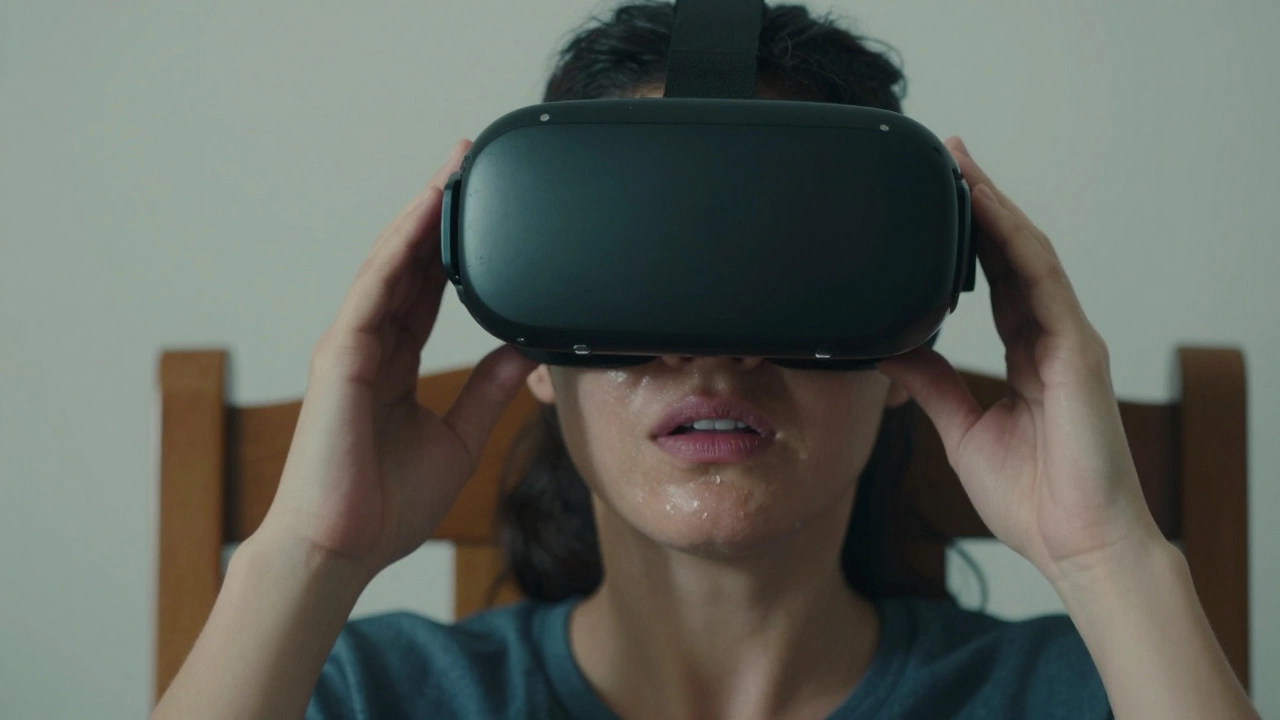
The most immediate barrier is often physical. When your eyes tell your brain you are moving through a forest while your inner ear says you are sitting still, conflict arises. This phenomenon is known as Cybersickness. Studies suggest that nearly thirty percent of first-time users report some level of nausea. For someone already dealing with anxiety or chronic pain, adding dizziness to the mix complicates recovery. You cannot focus on processing emotions when you are trying not to vomit.
Beyond nausea, there is visual fatigue. High-resolution screens reduce this issue slightly, but simulator sickness remains prevalent in older hardware like early generations of head-mounted displays. Even with modern devices, prolonged use beyond twenty minutes can cause headaches. If a patient sits in a clinic for an hour, expecting breakthroughs, their physical comfort may vanish halfway through, rendering the session less effective. Clinics must balance immersion time with physical limits.
Psychological Risks and Emotional Triggers
Mental health treatment relies heavily on safety. In traditional therapy, a room is neutral ground. Virtual environments, however, simulate the real world or controlled scenarios designed to provoke reactions. This brings a unique risk. A patient with Post-Traumatic Stress Disorder might enter a simulation intended to help desensitize fear, but without proper regulation, the brain treats the threat as real. The body releases adrenaline and cortisol just as if the danger were physical. This is called "simulated anxiety," and sometimes it is harder to calm down than imagined fear.
Dissociation is another concern. Some individuals struggle to reconnect with their surroundings after taking off the headset. The boundary between the simulation and reality blurs temporarily. Therapists call this "re-entry shock." If a person spends forty-five minutes in a calming beach environment and returns to a chaotic office, the contrast can be jarring. Without a structured grounding routine afterward, patients may feel adrift. This makes the debriefing process just as important as the session itself.
We also have to consider vulnerability. VR experiences often involve recording facial expressions and eye movements to gauge engagement. When those recordings link back to sensitive health records, the stakes rise. Patients might reveal deep fears or shameful thoughts in a way they wouldn't verbally. Protecting that intimacy becomes a heavy responsibility for developers and clinics alike.
Hardware and Accessibility Barriers
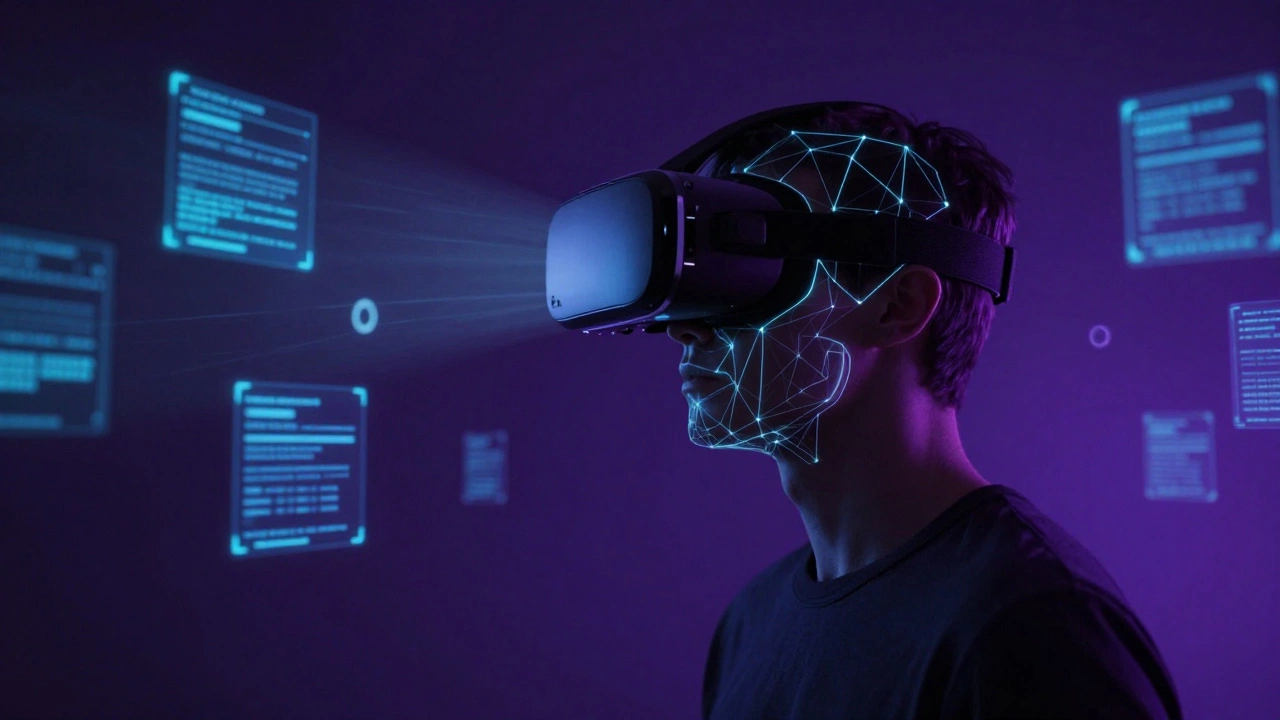
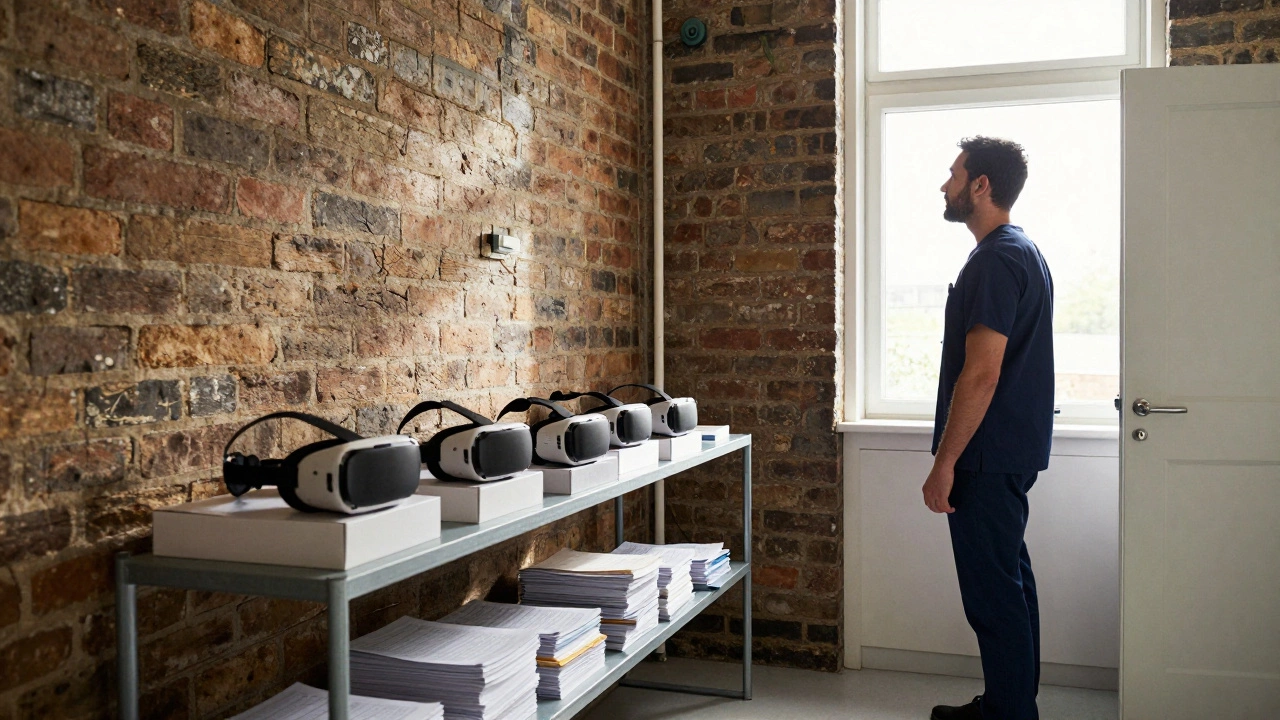
Tech is great until you try to pay for it. Professional-grade equipment remains expensive. Devices like the HTC Vive or specialized medical headsets cost thousands of dollars per setup. This price point restricts access to major hospitals or wealthy private practices. Community health centers and rural clinics often cannot afford the investment. Consequently, Digital Therapy becomes a luxury service rather than a public good.
Even with consumer-grade options like the Oculus Quest series, compatibility issues persist. Not every user can wear bulky glasses over a headset. People with limited mobility face challenges setting up tracking stations required for full-body movement. Additionally, software licensing fees add monthly recurring costs. If funding cuts occur, sessions stop abruptly, potentially leaving patients in mid-recovery. Unlike paper notes, digital therapy infrastructure is fragile and dependent on internet connectivity and power stability.
Data Privacy and Ethical Gray Areas
When you sit on a therapist's couch, your conversation stays confidential, bound by law. But when you use a VR system, where does that data go? Headsets collect extensive Biometric Data. Eye tracking shows exactly where you looked when you felt stress. Facial recognition algorithms detect micro-expressions of fear or sadness. Companies aggregate this information to improve hardware or sell insights to advertisers. If a data breach occurs, intimate details about your mental state could leak.
Furthermore, the ownership of your mental health data is unclear. Does the headset manufacturer own the usage logs? Does the clinic own them? Legal frameworks in 2026 are still catching up with rapid tech adoption. Most consent forms are buried in lengthy digital agreements. Patients often click "agree" without knowing their panic attacks during exposure therapy might become part of a marketing dataset. Transparency is rare. This lack of control adds a layer of paranoia to therapy, which is counterproductive to healing.
Limitations in Clinical Application
Technology is only as good as the person guiding it. A common misconception is that the headset does the work alone. In reality, it is just a tool within Cognitive Behavioral Therapy or other frameworks. If the clinician lacks training, the risk multiplies. They might push too hard, ignoring physical warning signs like pale skin or sweating. Or they might misinterpret a glitch in the software as a symptom.
There is also the issue of standardization. One clinic might use Version 1.0 of a trauma simulator, while another uses Version 3.0 with different stimuli. Progress becomes hard to track across facilities. Unlike standardized medication dosages, there is no universal protocol for VR intensity. One person finds a loud thunderstorm relaxing; another finds it triggering. Personalizing the experience takes immense time and expertise. Without consistent metrics, it is difficult to prove long-term efficacy compared to talk therapy.
Comparison: VR Therapy vs. Traditional Methods
| Feature | Virtual Reality Therapy | Traditional Talk Therapy |
|---|---|---|
| Side Effects | Nausea, eye strain, dissociation | Rarely physical symptoms |
| Cost Barrier | High hardware and maintenance fees | Paid hourly, lower overhead |
| Accessibility | Limited by vision/mobility needs | Accessible via phone/video/text |
| Data Security | Risk of biometric leaks | Standardized record keeping laws |
| Emotional Intensity | Can be overwhelming without training | Controlled pacing by therapist |
This table highlights why VR is not a magic bullet. It introduces specific variables that traditional methods simply do not have. While VR allows for exposure that isn't possible in a room, it trades simplicity for complexity.
Moving Forward Safely
Despite these disadvantages, VR continues to evolve. The goal isn't to reject it but to manage expectations. If you choose this route, prioritize clinics that disclose data policies clearly. Ask about their protocols for managing motion sickness. Check if the therapist has specific certifications in VR-assisted care, not just general licensure. Short sessions are better than marathons. Monitor your own reaction closely. If you feel unstable, pull the plug.
Remember, technology amplifies human experience. It magnifies both healing and harm. Before committing to a program, weigh the convenience of immersion against the risk of overload. Your mental health journey belongs to you, not the algorithm running the simulation.
Is VR therapy safe for children?
It depends on age. Generally, devices are rated for ages twelve and up due to developing eye health concerns. Pediatric guidelines are strict, and parents should consult specialists before allowing younger children to use therapeutic headsets.
Can VR make anxiety worse?
Yes, without supervision. Exposure therapy involves facing fears intentionally. If the intensity ramps too high too fast, it can reinforce trauma responses instead of overcoming them. Proper dosage and therapist monitoring are essential.
How much does VR mental health treatment cost?
Costs vary widely. Consumer setups might cost under $500, while professional medical installations run thousands per unit. Therapy sessions often carry a premium fee compared to standard appointments due to equipment maintenance.
Do insurance plans cover VR therapy?
Coverage is inconsistent. Some providers reimburse the clinical time spent, but not the equipment fees. You must verify your specific policy codes before assuming full coverage for digital intervention programs.
What should I do if I get sick during a session?
Immediately remove the headset. Sit in a stable environment with natural light. Drink water and rest. If dizziness persists, inform your therapist immediately. Do not force yourself to continue the immersion if your body rejects it.