
VR Safety & Risk Assessment Tool
Select all options that apply to you to calculate your risk.
Your Risk Score
Ready to Assess
Select your factors and click calculate.
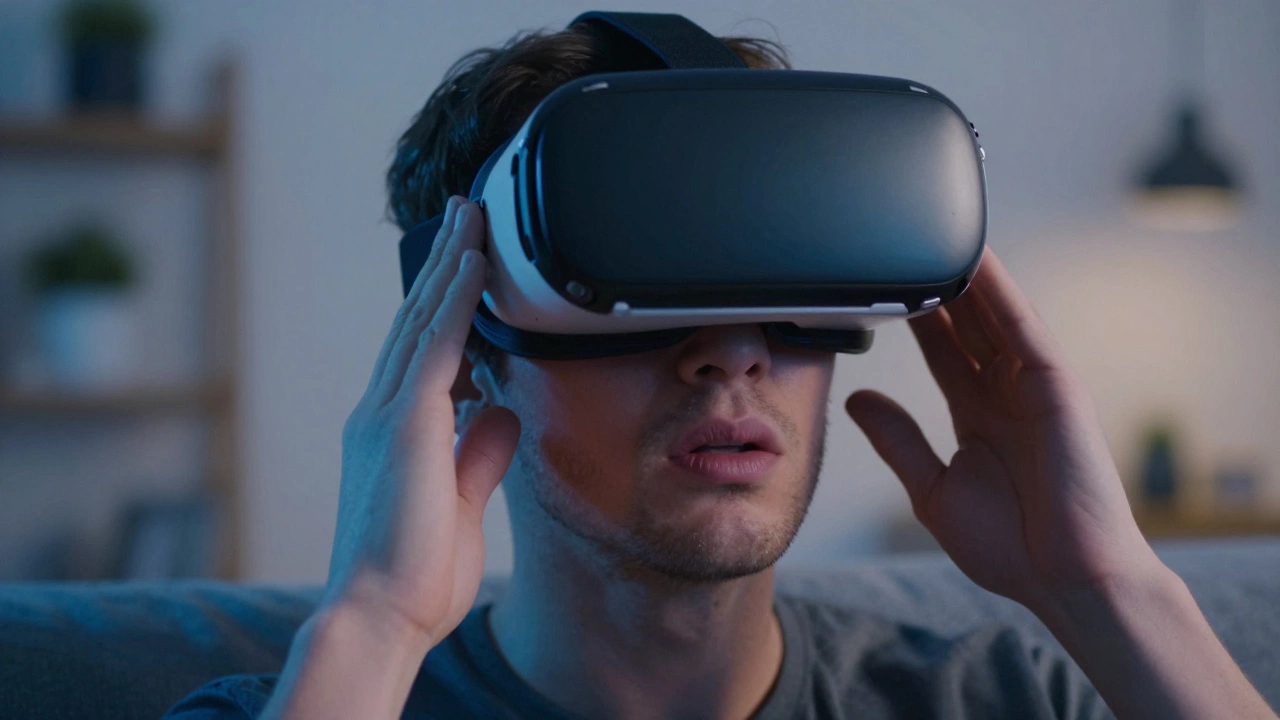
You strap on a headset, step into a digital world, and for a few minutes, you forget you are standing in your living room. It feels magical. But when you take the headset off, that magic can sometimes leave behind a headache, nausea, or a lingering sense of disorientation. As Virtual Reality becomes more common in homes, offices, and arcades across Melbourne and beyond, we need to talk about what happens to our bodies and minds during these intense sessions.
While VR is incredible for gaming, training, and therapy, it is not without its downsides. Understanding the negative effects of VR isn't about stopping you from using it; it's about helping you use it safely so you don't end up feeling worse than before you put the headset on. Let’s break down exactly what goes wrong, why it happens, and how to protect yourself.
The Physical Toll: Motion Sickness and Eye Strain
The most immediate complaint people have with VR is physical discomfort. This usually falls into two categories: cybersickness and visual fatigue. These aren't just minor annoyances; they can ruin an entire day if you push through them.
| Symptom | Cause | Prevention Tip |
|---|---|---|
| Cybersickness (Nausea) | Sensory conflict between eyes and inner ear | Take breaks every 15-20 minutes; avoid fast movement in-game |
| Digital Eye Strain | Focusing at a fixed distance for too long | Follow the 20-20-20 rule: look 20 feet away every 20 minutes |
| Headaches | Screen flicker, poor focus, or heavy headset weight | Adjust IPD (interpupillary distance) correctly; ensure good ventilation |
| Neck Pain | Weight of the headset pulling on the neck | Use a counter-weight strap; limit session length |
Cybersickness: The Brain Confusion
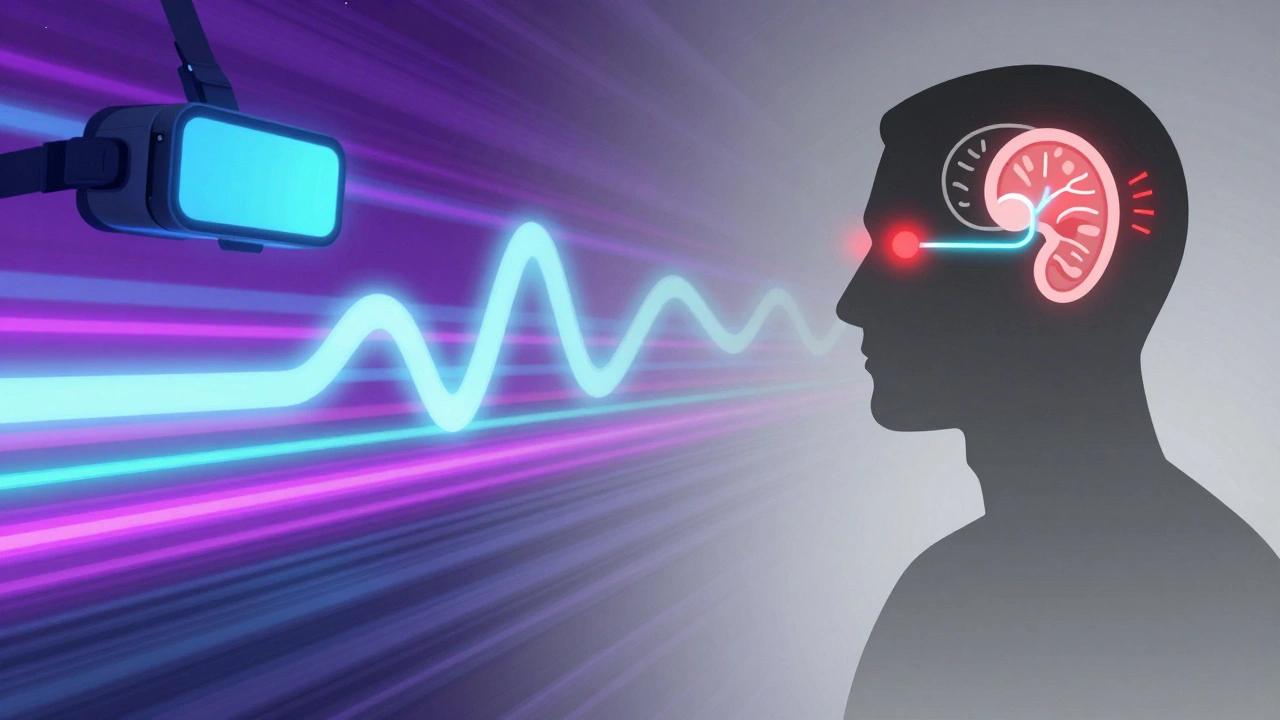
You know that feeling when you read a book in a moving car? Your eyes tell your brain you are still, but your inner ear tells you you are moving. That mismatch causes nausea. In VR, this is called cybersickness. It happens because your eyes see movement on the screen, but your body feels stationary. This sensory conflict tricks your brain into thinking you might be poisoned, triggering a vomiting reflex.
Not everyone gets cybersickness, but studies suggest that up to 80% of users experience some level of discomfort, especially in their first few sessions. If you feel a slight queasiness, stop immediately. Pushing through it only makes it worse and can make you sensitive to VR for days afterward.
Digital Eye Strain and Headaches
VR headholds place screens very close to your eyes. To keep the image clear, your eye muscles must work harder to focus, even though the screen is physically near. This constant accommodation effort leads to digital eye strain. Symptoms include dry eyes, blurred vision, and tension headaches. Additionally, many headsets have a refresh rate that can cause subtle flickering, which some brains interpret as a threat, leading to migraines.
Mental and Psychological Impacts
Beyond the physical symptoms, VR has a profound effect on our psychology. Because the experience is so immersive, the brain often treats virtual events as real. This realism is powerful, but it can also lead to unexpected mental side effects.
Anxiety and Fear Responses
If you play a horror game or a high-stakes simulation in VR, your body reacts as if you are truly in danger. Your heart rate spikes, adrenaline floods your system, and your breathing quickens. For most people, this is part of the fun. However, for those prone to anxiety or PTSD, this response can be overwhelming. Unlike watching a scary movie, you cannot easily detach from a VR scene. You are *in* it. This can trigger panic attacks or reinforce traumatic memories rather than help process them.
The "Proteus Effect" and Identity Shifts
There is a psychological phenomenon known as the Proteus Effect, where your behavior changes based on your avatar's appearance. If you use a confident, tall avatar, you may act more confidently in real life afterward. Conversely, if you use an aggressive or unattractive avatar, those traits can bleed into your offline personality. While this can be used for positive therapy, it also raises concerns about identity fragmentation, especially in younger users who are still forming their self-image.
Social Isolation and Real-World Disconnection
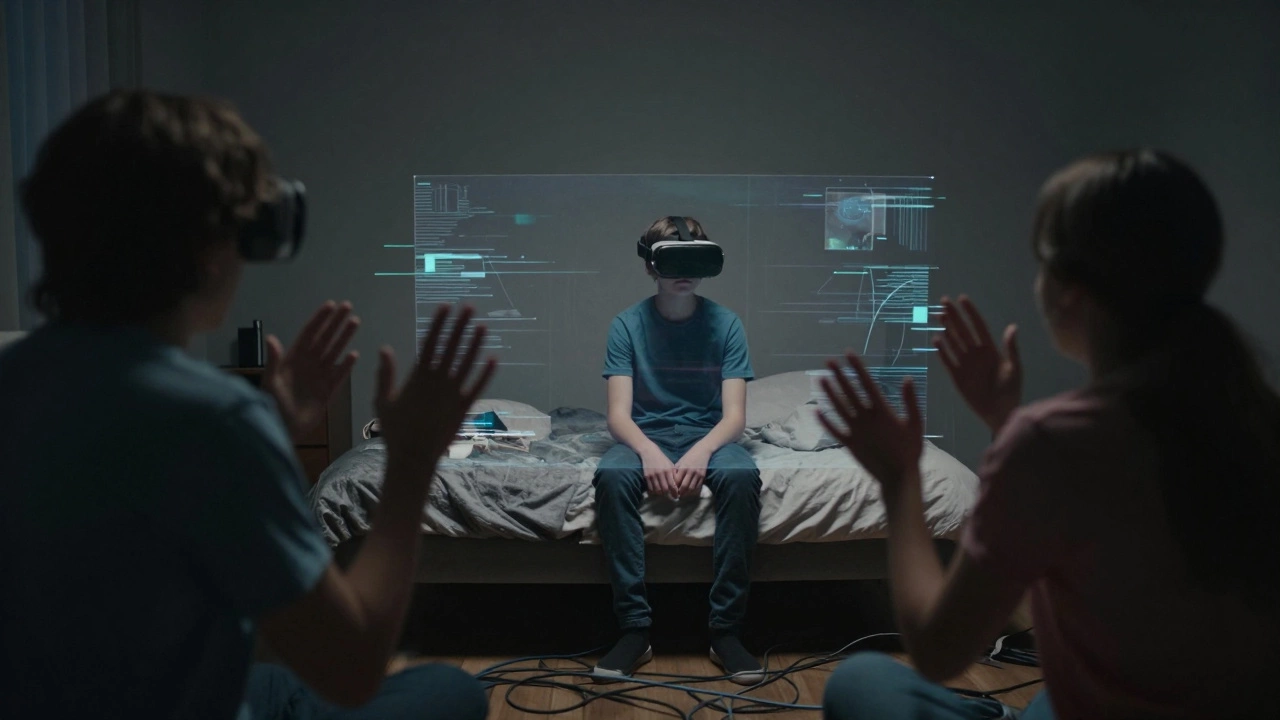
One of the biggest criticisms of VR is that it pulls you away from the physical world. When you are in a headset, you are blind and deaf to your surroundings. This creates a barrier between you and anyone else in the room.
Imagine trying to have a conversation with your partner while they are wearing a VR headset. They are technically present, but mentally, they are miles away. Over time, excessive VR use can lead to social isolation. People may prefer the controlled, rewarding environments of virtual worlds over the messy, unpredictable nature of real-life interactions. This is particularly concerning for teenagers and young adults, whose social development relies heavily on face-to-face cues and empathy building.
Furthermore, there is the risk of reality blurring. After long sessions, some users report a temporary sense of derealization, where the real world feels flat, dull, or "fake" compared to the vibrant digital one. This can reduce motivation to engage in physical activities, hobbies, or outdoor experiences.
Safety Hazards: Collisions and Falls
Let’s not forget the simplest, yet most common, negative effect: hitting things. VR requires physical space. Even with guardrails and boundary systems, users often lean too far, reach out unexpectedly, or trip over cables.
- Tripping: Cables from PC-based VR setups are a major tripping hazard.
- Collisions: Hitting walls, furniture, or other people can cause bruises, cuts, or broken bones.
- Falls: Intense action games can cause users to lose balance and fall, potentially leading to head injuries.
In 2024, emergency rooms reported a noticeable increase in minor injuries related to home VR use, particularly among children under 13. Always play in a clear, open area and consider using wireless headsets to eliminate cable trips.
Who Should Avoid VR?
While most healthy adults can handle VR with precautions, certain groups should avoid it or consult a doctor first:
- People with Epilepsy: Flashing lights and rapid visual changes can trigger seizures.
- Those with Vestibular Disorders: Inner ear issues make cybersickness much more likely and severe.
- Children Under 13: Their eyes and brains are still developing. Manufacturers like Meta and Sony explicitly warn against use by minors due to potential vision damage and psychological impacts.
- Pregnant Women: Due to heightened sensitivity to nausea and balance issues, VR is generally not recommended.
How to Minimize the Risks
You don’t have to give up VR to stay safe. Here are practical steps to reduce negative effects:
- Start Slow: Begin with short sessions (10-15 minutes) and gradually increase duration as your tolerance builds.
- Optimize Settings: Adjust the interpupillary distance (IPD) to match your eyes. Use comfort modes like vignetting (which dims peripheral vision during turns) to reduce motion sickness.
- Stay Hydrated: Dehydration worsens headaches and nausea. Drink water before and after playing.
- Take Regular Breaks: Follow the 20-20-20 rule for eyes and stand up/stretch every 30 minutes.
- Create a Safe Space: Clear a 2x2 meter area around you. Remove sharp objects and secure cables.
- Listen to Your Body: If you feel dizzy, nauseous, or anxious, take the headset off immediately. Do not try to "push through" the discomfort.
Conclusion: Balance is Key
Virtual reality is a powerful tool, but like any technology, it comes with trade-offs. The negative effects-motion sickness, eye strain, anxiety, and social disconnection-are real, but they are manageable. By understanding how your body and mind react to immersive environments, you can enjoy VR responsibly. Remember, the goal is to enhance your reality, not escape it entirely. Take breaks, set boundaries, and prioritize your well-being above the virtual experience.
Does VR damage your eyes permanently?
Current research suggests that VR does not cause permanent eye damage in adults. However, it can cause temporary digital eye strain, dryness, and headaches. For children under 13, whose eyes are still developing, manufacturers recommend against use due to unknown long-term effects on vision convergence and depth perception.
Why do I feel sick after using VR?
This is called cybersickness. It occurs due to a sensory conflict: your eyes see movement, but your inner ear senses no motion. This mismatch confuses your brain, triggering nausea. To prevent it, take frequent breaks, use comfort settings like vignetting, and avoid games with forced movement.
Can VR cause anxiety or PTSD?
VR can exacerbate existing anxiety or trigger PTSD symptoms because the brain processes virtual experiences as real. Horror games or stressful simulations can cause panic attacks. However, VR is also used therapeutically to treat PTSD under professional guidance. If you have a history of trauma, consult a doctor before using immersive content.
Is VR bad for children?
Most VR manufacturers advise against use by children under 13. Their visual systems are still developing, and prolonged exposure to close-range screens may affect eye alignment. Additionally, children may struggle to distinguish between virtual and real consequences, leading to behavioral or psychological issues. Parental supervision and strict time limits are essential.
How long can I safely use VR per day?
There is no official daily limit, but experts recommend limiting sessions to 30-60 minutes at a time. Take a 10-15 minute break between sessions to rest your eyes and reset your vestibular system. Listen to your body-if you feel strain or nausea, stop immediately.
Can VR help with fitness or therapy?
Yes, despite the risks, VR has significant benefits. It is used for physical rehabilitation, exposure therapy for phobias, pain management, and active gaming for fitness. The key is supervised, moderate use tailored to individual needs. Always balance VR activities with real-world exercise and social interaction.