
🧭 Sightseeing Tour Match & Planner
Step 1: Define Your Constraints
Step 2: Select Tour Format
Based on your constraints above, we recommend these formats. Click to select one.
Step 3: Preparation Checklist
Ever looked at a brochure and seen the phrase sightseeing tour, but wondered if it just means walking around looking at buildings? Or maybe you’ve booked one before and felt like you were just standing in line for photos. The term is everywhere in travel planning, yet its specific meaning often gets blurred with general tourism. Understanding exactly what this activity entails helps you decide if it’s the right fit for your trip budget, time, and energy levels.
A sightseeing tour is a structured excursion designed to show visitors the most significant landmarks, historical sites, and cultural highlights of a destination within a limited timeframe. Unlike casual wandering, these tours usually follow a predefined route, often led by a guide or facilitated through audio equipment. The core goal is efficiency: seeing the "must-see" spots without the stress of navigation or research.
The Core Definition and Components
To break it down simply, a sightseeing tour consists of three main elements: a set itinerary, a designated duration, and a focus on visual and historical points of interest. It is distinct from adventure tourism or culinary tours because the primary value proposition is observation and education rather than physical activity or dining experiences.
- Itinerary: A fixed list of stops, such as museums, monuments, parks, or historic districts.
- Duration: Typically ranges from 1 hour to a full day, though multi-day packages exist.
- Format: Can be self-guided (via app or map) or guided (by a professional leader).
- Transportation: May involve walking, buses, boats, or trams depending on the city layout.
This structure makes it ideal for first-time visitors who want to get an overview of a city quickly. If you are visiting Melbourne for the first time, a standard sightseeing tour might include stops at the Royal Botanic Gardens, Flinders Street Station, and the State Library of Victoria. You don’t have to figure out how to get between these places; the tour handles the logistics.
Types of Sightseeing Tours
Not all sightseeing tours look the same. The format changes based on the size of the city and the preferences of the traveler. Here are the most common variations you will encounter when booking.
| Format | Description | Best For | Typical Duration |
|---|---|---|---|
| Walking Tour | On-foot exploration of compact historic areas. | City centers, neighborhoods, short distances. | 1-3 hours |
| Bus Tour | Open-top or coach bus covering large geographic areas. | Large cities, long distances, older travelers. | 2-4 hours |
| Cruise/Boat Tour | Water-based viewing of waterfront landmarks. | Coastal cities, riverfronts, harbor views. | 1-2 hours |
| Self-Guided Audio | App-based or headphone system allowing independent pacing. | Independent travelers, flexible schedules. | Flexible (30 mins - 2 days) |
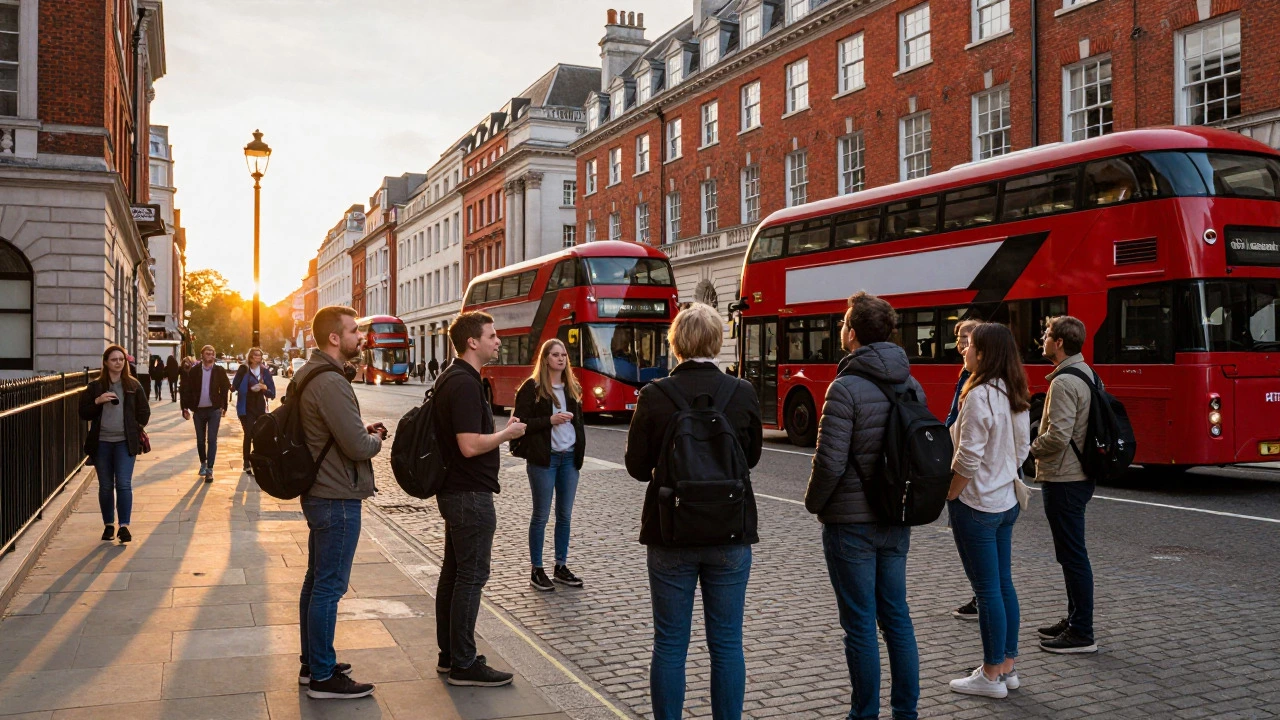
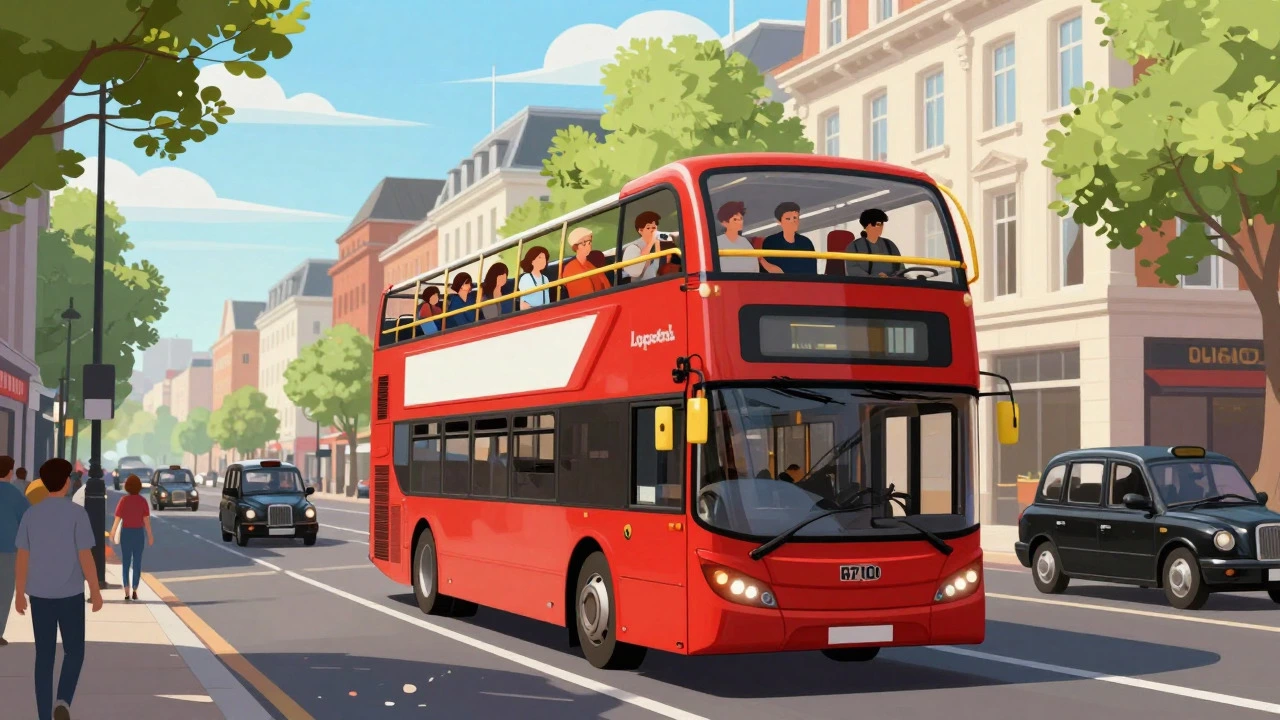
Walking tours offer the most immersive experience because you can smell the street food and hear the ambient noise of the city. However, they require good mobility. Bus tours, often called hop-on-hop-off tours, provide flexibility. You can stay on for the whole loop or jump off at a specific landmark to explore it independently before catching the next bus. This hybrid approach is popular in major hubs like London, New York, and Sydney.
Why People Choose Guided Experiences
You might ask, why pay for a tour when you can use a free map? The answer lies in context. A landmark looks different when someone explains the history behind it. For instance, seeing the Opera House in Sydney is impressive, but understanding the architectural challenges and local debates surrounding its construction adds a layer of depth that a photo cannot capture.
Guides also handle the friction of travel. They know which side of the street offers the best photo angle, where to find a quick restroom, and which cafes are safe from tourist traps. In crowded cities, a guide can help you navigate through throngs of people, saving you time and frustration. This is particularly useful during peak seasons when popular sites are packed.
Sightseeing vs. Local Immersion
There is a common debate among frequent travelers: does sightseeing prevent you from experiencing the "real" culture? Some argue that staying in tourist bubbles keeps you away from daily life. Others counter that you cannot appreciate the daily life of a place if you don’t understand its foundational history and geography.
The truth is that these two approaches complement each other. A sightseeing tour gives you the skeleton of the city-the main bones and structure. Once you have that framework, you can fill in the flesh and blood by exploring local markets, talking to residents, and visiting niche galleries. Without the skeleton, you might miss key connections between neighborhoods or fail to recognize significant buildings while passing them by.
How to Choose the Right Tour
Selecting the right tour depends on your personal constraints. Before booking, consider these factors to ensure the experience matches your expectations.
- Time Availability: Do you have 2 hours or 8 hours? Don’t book a full-day tour if you only have a half-day window.
- Mobility Level: Are you comfortable walking several kilometers? If not, choose a bus or boat option.
- Group Size: Large groups can feel impersonal. Smaller groups (under 15 people) allow for more questions and interaction.
- Language Preference: Ensure the guide speaks your language clearly. Check reviews for pronunciation clarity if you are not fluent in the local tongue.
- Inclusions: Does the price cover entry fees to museums? Many basic tours only cover transportation and commentary, leaving entrance tickets as extra costs.
Always read recent reviews. Pay attention to comments about the guide’s knowledge and the pace of the tour. A fast-paced tour might leave you feeling rushed, while a slow one might bore you if you are already familiar with the basics.
Tips for Maximizing Your Experience
Even the best tour can fall flat if you aren’t prepared. Here are some practical tips to get the most out of your sightseeing experience.
- Wear Comfortable Shoes: Walking tours can involve 5-10 kilometers of movement. Avoid new shoes.
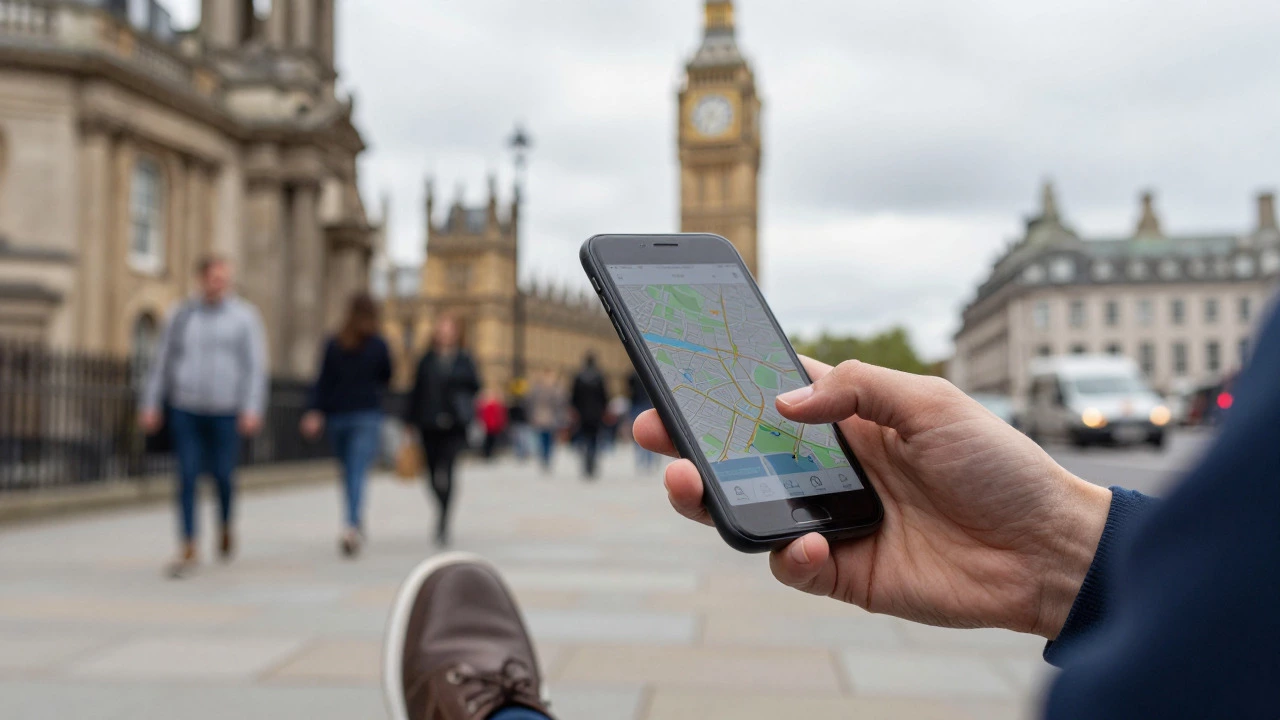
- Bring a Power Bank: You will likely use your phone for photos and maps. Battery drain is real.
- Dress for the Weather: Layers are better than heavy coats or light t-shirts. Weather can change rapidly, especially in coastal cities.
- Prepare Questions: Guides love engaged audiences. Having 2-3 specific questions ready shows interest and can lead to deeper insights.
- Stay Hydrated: It is easy to forget to drink water when you are focused on listening and looking. Carry a small bottle.
If you are traveling with children, keep their attention span in mind. Shorter tours with interactive elements work better than long lectures. Look for tours that include hands-on activities or visits to places kids naturally enjoy, like zoos or interactive museums.
Frequently Asked Questions
Is a sightseeing tour the same as a city walk?
Not necessarily. A city walk can be informal and unstructured, done by locals or tourists without a set agenda. A sightseeing tour is usually a commercial product with a defined route, schedule, and often a paid guide or audio system. However, many guided city walks are marketed as sightseeing tours.
Do I need to book sightseeing tours in advance?
It depends on the season and popularity. In high-season months or for famous destinations, booking 1-2 weeks ahead is recommended to secure a spot. In low season or for less crowded cities, you can often join tours on the same day. Always check the provider’s cancellation policy.
Are sightseeing tours worth it for repeat visitors?
For repeat visitors, standard overview tours may feel redundant. Instead, look for specialized tours focusing on specific themes like architecture, food history, or hidden gems. These niche tours provide new perspectives even if you have seen the main landmarks before.
What is the difference between a guided tour and a self-guided tour?
A guided tour involves a human leader who provides live commentary and answers questions in real-time. A self-guided tour uses technology (apps, audio headsets, or printed maps) to deliver information, allowing you to move at your own pace. Self-guided options are generally cheaper and more flexible but lack the immediate interaction of a live guide.
How much do sightseeing tours typically cost?
Prices vary widely by location and inclusion. Basic bus tours might cost $20-$40 USD/AUD/EUR per person. Premium walking tours with museum entries included can range from $50-$100+. Luxury private tours can exceed $200. Always check what is included in the base price.