

Theater Ticket Savings Calculator
Your Estimated Cost
regular price
How We Calculated This
You want to see a show. You really do. But when you look at the ticket prices for that new musical or play, your wallet starts sweating. It feels like going out to see live performance is a luxury reserved for people with unlimited budgets. Here is the good news: it does not have to be that way. The theater industry runs on strict pricing models designed to fill seats. If you know how those models work, you can snag prime seats for a fraction of the cost.
The short answer to what is the cheapest day to go to the theater is usually Tuesday or Wednesday. However, the real savings come from combining the right day with the right time and the right booking strategy. Let’s break down exactly how to get the best deal without sacrificing the experience.
Why Weekdays Are Your Best Friend
Theater venues operate on a supply and demand basis. On weekends, demand is high. Everyone wants to see the show after work or during their weekend off. So, prices go up. On weekdays, especially mid-week, demand drops significantly. Venues would rather sell a seat for $40 than leave it empty for $80. This is why Tuesday and Wednesday are consistently the cheapest days to buy tickets across most major cities, including Melbourne, London, and New York.
Mondays can also be cheap, but many theaters do not even perform on Mondays. They use this day for maintenance, rehearsals, and rest. So, while Monday might technically be "cheap" because there are no shows, it is not an option. Thursday evenings start to creep up in price as the weekend approaches, often matching Friday rates by 6 PM. Stick to the middle of the week for the lowest base prices.
| Day | Demand Level | Price Tier | Availability |
|---|---|---|---|
| Monday | N/A (Often Closed) | N/A | No Shows |
| Tuesday | Low | Cheapest | High |
| Wednesday | Low | Cheapest | High |
| Thursday | Medium | Moderate | Medium |
| Friday | High | Expensive | Low |
| Saturday | Very High | Most Expensive | Very Low |
| Sunday | High | Expensive | Low |
The Power of Matinees
If you cannot make it on a Tuesday night, look at the schedule for matinees. These are afternoon performances, usually starting between 1:30 PM and 2:30 PM. Matinees are almost always cheaper than evening shows, regardless of the day. A Saturday matinee will often cost less than a Wednesday evening show. Why? Because families and tourists dominate the matinee crowd, but working professionals-who spend more on food, drinks, and premium seating-do not attend. Venues price these shows lower to attract the family demographic.
In Melbourne, many West End productions offer significant discounts on Sunday matinees. While Sunday evenings are pricey, the afternoon slot remains a sweet spot for budget-conscious theatergoers. You get the same actors, the same set, and the same energy, just earlier in the day.
Last-Minute Deals and Same-Day Discounts
Here is a strategy that requires flexibility but offers massive savings: buying tickets on the day of the performance. Many theaters release unsold inventory at a steep discount a few hours before curtain time. In London, the TKTS booth in Leicester Square is famous for this. In Melbourne, you can check apps like TodayTix or visit the box office directly.
This works best for established shows that have been running for a while. New openings rarely have unsold seats. If you see a show has been running for six months or more, there is a good chance you can find a bargain if you walk up to the box office an hour before showtime. Just remember, popular shows will still sell out, so this is a gamble.

Student and Youth Discounts
If you are under 30 or currently studying, you have a built-in advantage. Most major theaters offer student discounts. This is not just a small percentage off; it can be half-price or even fixed low-cost tickets. In Australia, programs like "Sneak Seats" or specific university partnerships allow students to buy tickets for as little as $30-$50 for premium seats. You usually need to show a valid student ID at the door. Always ask about these options before paying full price online.
Lotteries and Rush Tickets
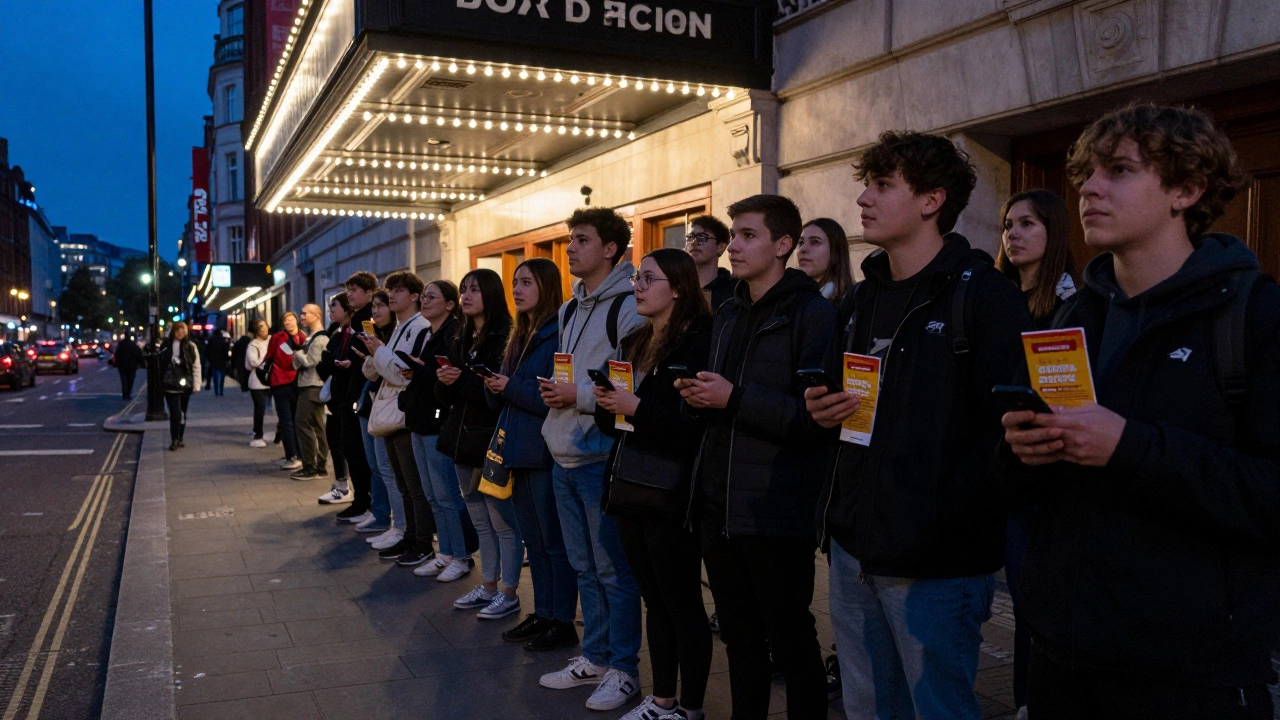
For the hottest shows that never seem to drop in price, look into lotteries and rush tickets. A lottery is a digital draw where you enter for a chance to win two tickets at a deeply discounted rate. It is random, so you might not win, but the odds are better than you think. Rush tickets are sold on a first-come, first-served basis on the day of the show. You have to stand in line at the box office. When the line opens, they sell a limited number of cheap tickets until they run out. This requires effort, but it guarantees you see the big hits without breaking the bank.
Hidden Costs to Watch Out For
When calculating the true cost of your theater trip, do not forget about service fees. Online ticketing platforms charge hefty fees per ticket. Sometimes, buying directly from the theater's official website or box office eliminates these fees. Also, consider the cost of parking and dinner. Going on a Tuesday means you can eat lunch instead of an expensive dinner, and public transport is cheaper and less crowded. These small savings add up quickly.
Seasonal Variations
Timing matters beyond just the day of the week. January and February are typically the slowest months for theater. After the holiday rush, audiences thin out. Venues often introduce special promotions to keep cash flow steady. Conversely, December and July (summer holidays) are peak times. Prices are higher, and discounts are harder to find. If you are planning a trip around seeing a show, aim for the quieter seasons.
Summary of Strategies
- Best Days: Tuesday and Wednesday evenings.
- Best Times: Matinees (afternoon shows) on any day.
- Best Method: Buy direct from the theater to avoid fees.
- Best For Students: Use student IDs for half-price deals.
- Best For Flexibility: Check same-day rush tickets or lotteries.
Going to the theater does not have to drain your savings account. By shifting your schedule slightly and knowing where to look, you can enjoy world-class performances for a fraction of the standard price. The next time you feel priced out, remember that the house lights dim for everyone, regardless of what they paid for their ticket.
Is it cheaper to book theater tickets in advance or last minute?
It depends on the show. For brand-new, highly anticipated productions, booking in advance is safer as they sell out quickly and prices may rise. For established shows running for months, last-minute bookings (same-day rush or box office purchases) are often much cheaper due to discounted unsold inventory.
Are Sunday matinees cheaper than weekday evenings?
Yes, frequently. Sunday matinees are targeted at families and tourists who prefer daytime activities. While Sunday evenings can be expensive, the afternoon slots often offer competitive pricing similar to or better than Tuesday or Wednesday nights.
Do all theaters offer student discounts?
Most major commercial theaters do offer student discounts, but policies vary. Some require you to book through specific student agencies, while others honor valid student IDs at the box office. Always check the theater's official website or call ahead to confirm current eligibility requirements.
What are rush tickets?
Rush tickets are a limited number of discounted tickets sold on the day of the performance, usually on a first-come, first-served basis. You typically need to queue at the box office before the designated rush sale time. They are ideal for flexible viewers who want to see a specific hit show at a low price.
Why are Tuesday and Wednesday the cheapest days?
These days fall in the middle of the workweek when audience demand is naturally lowest. Theaters lower prices to incentivize attendance and ensure seats are filled, as an empty seat generates zero revenue. This dynamic pricing model makes mid-week shows the most affordable option.