
Escape Room Cost & Value Calculator
Group Configuration
Cost Analysis & Comparison
Total Group Cost
$200
$200 per hour
Cost Per Hour vs. Other Activities
Value Assessment:
Calculate to see if this escape room offers good value for money compared to alternatives.
You walk into a sleek lobby, get your briefing, and then spend 60 minutes solving puzzles in a locked room. When you step out, the bill is $45 to $60 per person. For an hour of activity that doesn’t involve food, drinks, or a physical souvenir, it feels steep. You might wonder if you’re being ripped off. But here’s the thing: escape rooms aren’t selling just an hour of fun. They are selling a highly engineered, labor-intensive theatrical experience that operates on razor-thin margins compared to traditional entertainment venues.
If you’ve ever looked at the price tag and felt sticker shock, you’re not alone. However, once you peel back the layers of what goes into building and running these spaces, the math starts to make sense. It’s not about greed; it’s about survival in a high-overhead industry.
The Hidden Infrastructure Costs
Most people assume that because an escape room looks like a simple set-a few doors, some props, maybe a screen-it must be cheap to build. This is the biggest misconception in the industry. An escape room is essentially a custom-built theater production that runs every single day, often multiple times a day.
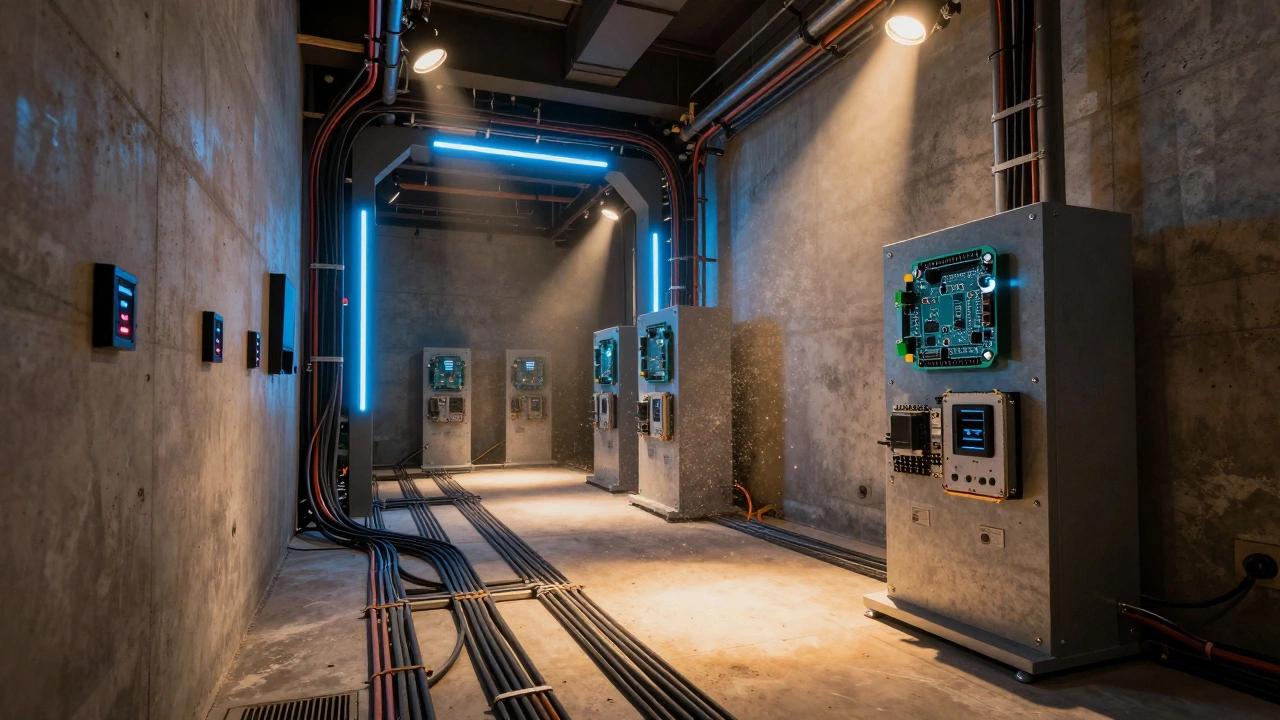
Consider the materials. You can’t use drywall for walls that need to hide mechanisms. You need reinforced structures to support heavy locks, electronic sensors, and sometimes moving sets. The flooring must withstand thousands of footsteps while hiding wiring channels. The lighting isn’t just decorative; it’s part of the puzzle solution, requiring precise dimming controls and color calibration.
Then there’s the technology. Modern escape rooms rely on complex integration of hardware and software. We’re talking about RFID readers, magnetic switches, Arduino microcontrollers, Raspberry Pi servers, and custom-coded logic engines. If one sensor fails, the whole game breaks. This isn’t just buying a lock from a hardware store; it’s integrating industrial-grade electronics into a consumer-facing environment where reliability is paramount.
In Melbourne, where commercial rent prices have climbed significantly over the last five years, the cost of securing a suitable location adds another layer of pressure. You need a space with high ceilings for soundproofing, robust electrical capacity for all the tech, and easy access for groups. These prime locations come with premium price tags that get passed down to the player.
The Labor-Intensive Reality
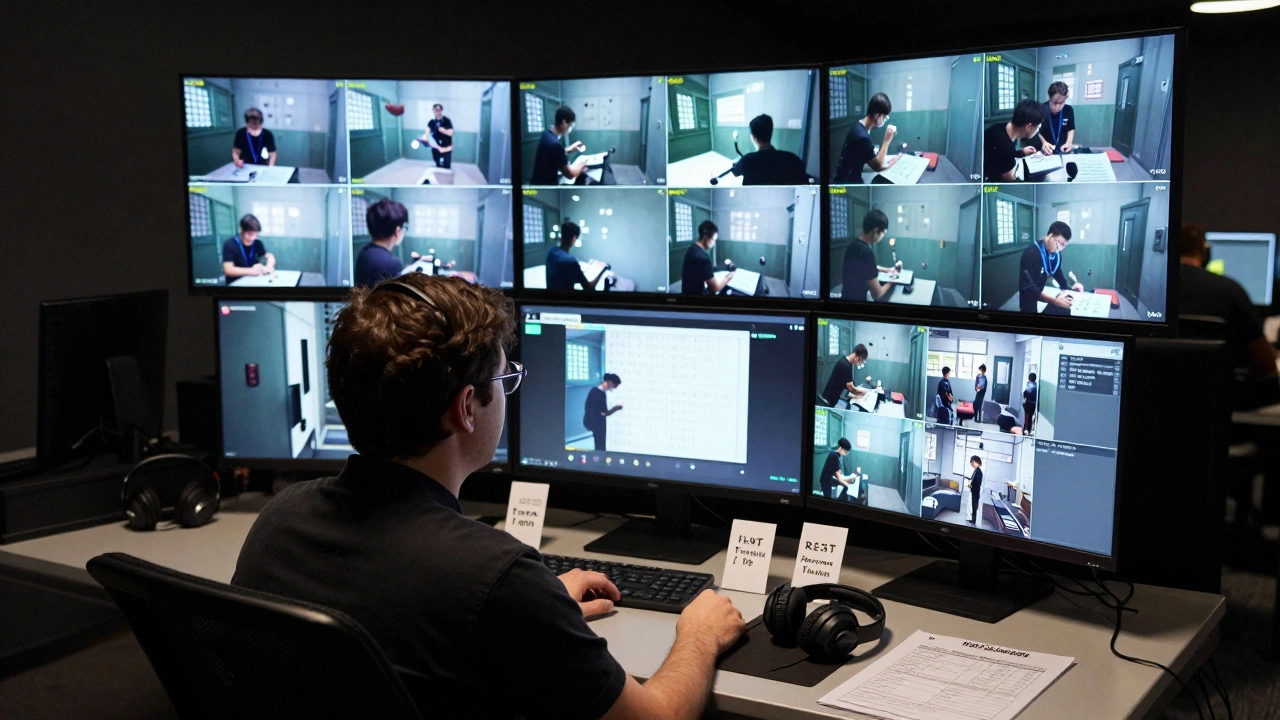
Let’s talk about the human element. An escape room is not a passive experience like watching a movie. It is actively managed. While you are inside solving clues, a Game Master (GM) is watching you via cameras and listening through microphones.
This role is critical. The GM isn’t just sitting there scrolling on their phone. They are monitoring the group’s progress, deciding when to drop hints, troubleshooting technical glitches in real-time, and ensuring safety protocols are followed. If a team gets stuck for too long, the GM intervenes to keep the flow moving. If a mechanism jams, they reset it immediately. This requires constant attention and quick decision-making.
Furthermore, consider the setup time. Before each session, staff must check every prop, reset every lock, test every light, and ensure the room is clean and safe. After the session, they do it again. This turnover process can take 10 to 15 minutes per game. That means for a 60-minute game, the staff is working 75 minutes of active labor. Multiply this by six or seven sessions a day, and you see why staffing costs are so high.
Unlike a cinema, where one projectionist can handle dozens of screenings, an escape room needs dedicated staff for every single booking. In Australia, minimum wage laws and award conditions for hospitality and entertainment roles mean labor costs are significant. You are paying for a live performer who ensures your experience runs smoothly.
The "Amortization" Puzzle: Wear and Tear
Here is a fact that surprises most players: escape rooms break. Constantly. Players shake boxes, pull levers, lift rugs, and press buttons hundreds of times a day. What seems like sturdy furniture becomes battered within months.
Industry insiders estimate that a high-quality escape room theme lasts only two to three years before it needs a complete overhaul. Why? Because novelty wears off. Regular customers want new challenges. To stay competitive, operators must reinvest heavily in new designs, new props, and new technology every few years.
This creates a unique financial model known as amortization. The ticket price you pay today isn’t just covering today’s electricity bill; it’s contributing to the fund that will build next year’s theme. If a company charges too little, they can’t afford to update their games, and the quality drops. If they charge enough, they can maintain high standards and innovate.
Think of it like a theme park ride. You don’t pay for the ride itself; you pay for the maintenance, the safety checks, and the eventual replacement of the roller coaster. Escape rooms are similar, but on a smaller, more frequent cycle. The props are fragile. The electronics degrade. The paint chips. All of this requires a continuous budget for repairs and replacements.
Comparing Value: Escape Rooms vs. Other Entertainment
To understand if escape rooms are "expensive," we need to compare them to alternatives. Let’s look at the cost per hour of entertainment in a typical Australian city.
| Activity | Average Cost (AUD) | Duration | Cost Per Hour | Interaction Level |
|---|---|---|---|---|
| Cinema Movie | $25 - $30 | 2 hours | $12.50 - $15 | Passive |
| Bar Entry + Drink | $15 - $25 | 2 hours | $7.50 - $12.50 | Social |
| Museum Entry | $20 - $30 | 2 hours | $10 - $15 | Self-paced |
| Escape Room | $45 - $60 | 1 hour | $45 - $60 | Active/Immersive |
| Go-Karting | $40 - $50 | 30 mins | $80 - $100 | Physical |
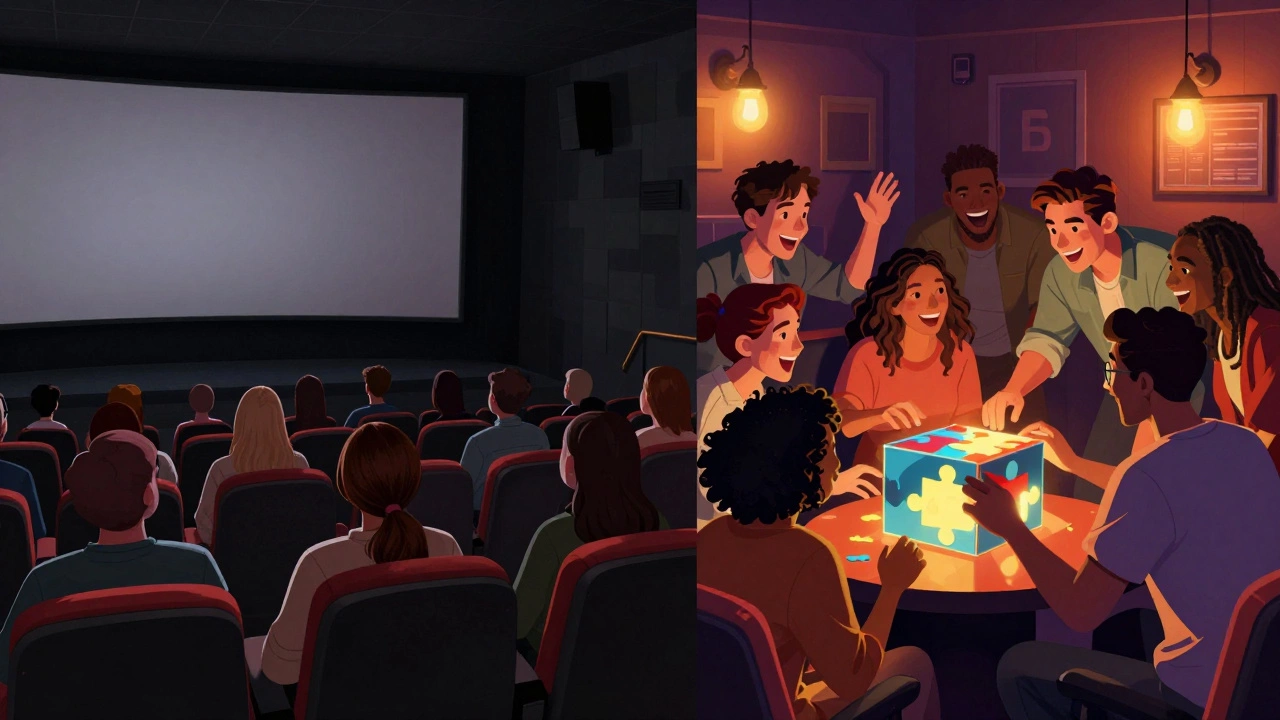
As you can see, escape rooms are pricier than passive activities like movies or museums. However, they offer something those venues don’t: active participation and social interaction. You aren’t just watching a story; you are living it. You are collaborating with friends, solving problems, and experiencing a narrative tailored to your actions.
Compared to other active experiences like go-karting or bowling, escape rooms are actually quite competitive. Go-karting often costs more per hour and offers less cognitive engagement. Bowling involves equipment rental and food costs that can quickly add up. Escape rooms provide a contained, all-inclusive experience where the focus is purely on the mental challenge and teamwork.
Group Dynamics and Economies of Scale
One reason the price feels high is that it’s quoted per person. But escape rooms are designed for groups. Most rooms accommodate 4 to 8 players. If you book a room for four people at $50 each, the total revenue is $200. Spread across eight people, the individual cost might drop, or the venue might offer group discounts.
The key insight here is that escape rooms thrive on volume. A single player booking is rare and often discouraged because the experience is optimized for teamwork. Venues make their money by filling rooms consistently throughout the day. If a room sits empty for an hour, that’s lost revenue that can’t be recovered later.
This is why you’ll often see dynamic pricing. Weekday mornings might be cheaper to attract students or retirees. Friday nights and weekends command premium prices due to higher demand. Corporate bookings, which often include catering or larger groups, are priced differently to account for the longer duration and additional services.
If you’re looking to save money, the best strategy is to book during off-peak hours or join a public session where you share the room with strangers. Many venues offer "open play" slots where individuals can fill spots in partially booked rooms, reducing the cost per person.
What You Should Expect for Your Money
So, how do you know if an escape room is worth the price? Look beyond the dollar amount and evaluate the quality of the experience. Here’s a checklist to help you assess value:
- Immersion: Does the decor feel detailed and cohesive? Are the props realistic, or do they look like cardboard cutouts?
- Puzzle Quality: Are the puzzles logical and satisfying, or do they rely on trial-and-error and hidden objects?
- Technology Integration: Do the mechanisms work smoothly? Are there delays between solving a puzzle and seeing the result?
- Game Master Engagement: Is the GM attentive and helpful without giving away answers?
- Theme Originality: Is the storyline creative, or is it a generic "prison break" clone?
If a venue delivers on these points, the price is justified. You are paying for a professionally crafted experience that combines storytelling, engineering, and psychology. Cheap escape rooms often cut corners on these elements, resulting in frustrating gameplay, broken props, and poor customer service. In the end, you get what you pay for.
Future Trends: Will Prices Drop?
With the rise of virtual reality (VR) escape rooms, some predict that prices will fall. VR reduces the need for physical construction and allows for infinite themes. However, VR headsets are expensive to buy, sanitize, and maintain. Plus, VR lacks the tactile satisfaction of handling physical props, which many players prefer.
Hybrid models, combining AR (augmented reality) with physical sets, are emerging. These could potentially lower costs by reducing the complexity of mechanical locks, but they require high-end tablets or glasses, which also carry a price tag.
For now, the core appeal of escape rooms lies in their physicality and social nature. As long as people crave shared, offline experiences that disconnect them from screens, escape rooms will remain a premium product. The price reflects the effort required to create magic in the real world.
Are escape rooms worth the money?
Yes, if you value immersive, interactive entertainment. Unlike passive activities, escape rooms provide a unique blend of teamwork, problem-solving, and storytelling. The high cost reflects the labor, technology, and maintenance required to deliver a seamless experience. For many, the memory of solving a challenging puzzle with friends outweighs the price tag.
Why are escape rooms more expensive than movies?
Movies are passive and scalable; one screening can serve hundreds of people with minimal additional labor. Escape rooms are active and limited-capacity. Each session requires dedicated staff, manual resets, and personalized attention from a Game Master. The infrastructure is also more complex, involving custom-built sets and integrated electronics.
Do escape rooms have hidden fees?
Reputable escape room venues rarely have hidden fees. The ticket price usually covers the entire experience. However, some may charge extra for large groups, private corporate events, or additional time extensions. Always check the booking page for details on group sizes and cancellation policies to avoid surprises.
Can I negotiate the price of an escape room?
Generally, no. Pricing is fixed due to the operational costs involved. However, you can find deals by booking during off-peak hours, joining public sessions, or looking for seasonal promotions. Some venues offer loyalty programs or discounts for repeat customers.
How long does an escape room theme last?
A well-maintained escape room theme typically lasts 2 to 3 years. After that, the novelty wears off, and components wear out from heavy use. Venues must invest in new designs to keep attracting customers, which is factored into the current ticket prices.