
Outdoor Joy Calculator: Find Your Peak Activity
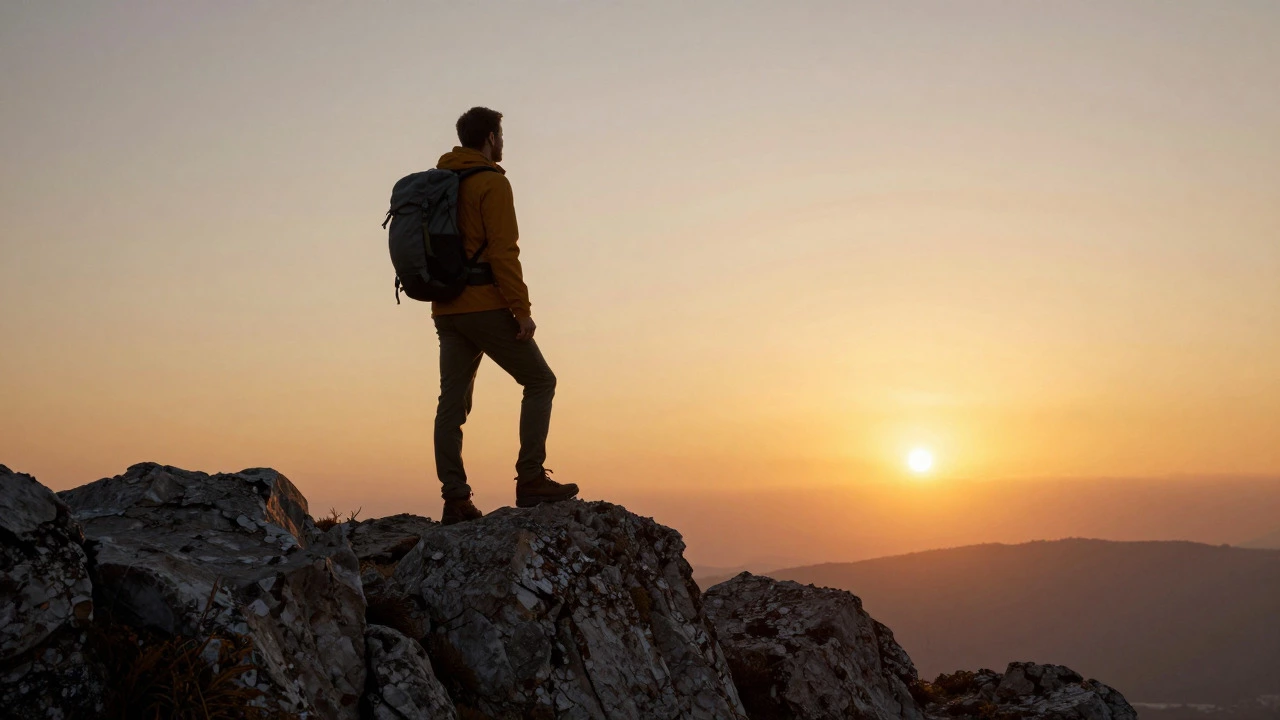
Stop scrolling for a second. Think about the last time you felt truly, deeply happy. Not just satisfied because you finished a task, but that warm, buzzing feeling where everything just clicked. For millions of people, that moment didn't happen at a desk or in front of a screen. It happened when they were standing on a ridge line, watching the sun dip below the horizon, or splashing through cold river water after a long hike.
We often treat happiness like a destination we’re trying to reach. But what if the most enjoyable activity on earth isn’t something you buy, but something you do with your body and mind in the natural world? While "fun" is subjective, science points to a surprising consensus: immersive outdoor activities consistently rank as the highest sources of sustained well-being. Let’s break down why getting outside might be the secret ingredient you’ve been missing.
The Psychology of "Flow" in Nature
You know that feeling when you lose track of time because you are so focused on what you are doing? Psychologists call this state "flow." It was first described by Mihaly Csikszentmihalyi, who found that flow states are the peak experiences of human satisfaction. Interestingly, these states are hardest to achieve in passive environments like watching TV, but incredibly common in active outdoor pursuits.
When you are rock climbing, kayaking, or even navigating a dense forest trail, your brain shuts out distractions. You aren't thinking about emails or bills. You are thinking about your next handhold, the current of the water, or the path ahead. This total mental engagement creates a chemical cocktail in your brain-dopamine for reward, norepinephrine for focus, and endorphins for pain relief and euphoria. It is nature’s way of rewarding survival skills with pure joy.
Consider hiking. It requires physical effort, which releases those endorphins, but it also demands navigation and awareness, which triggers the flow state. The combination makes hiking one of the top contenders for the title of the most enjoyable activity. It is not just walking; it is an active meditation that forces you to be present.
Why Hiking Tops the List
If we had to pick a single winner for the most universally accessible and enjoyable outdoor activity, hiking takes the crown. Why? Because it balances accessibility with profound reward. You don't need expensive gear to start. A pair of sturdy shoes and a local trail are enough.
Research from the University of Essex has shown that spending just five hours a week in nature significantly improves health and happiness. Hiking allows you to accumulate those hours while exploring new environments. Each trail offers a different sensory experience-the smell of pine needles, the sound of rushing water, the sight of wildflowers blooming in unexpected places.
But it goes deeper than scenery. Hiking provides a sense of accomplishment. When you reach the summit of a hill, no matter how small, you have conquered a challenge. That spike of pride is real. It builds confidence that translates back into daily life. You prove to yourself that you can handle discomfort and keep moving forward. That psychological boost is addictive in the best possible way.
- Physical Health: Low-impact cardiovascular exercise that strengthens legs and core.
- Mental Clarity: Reduces cortisol (stress hormone) levels by up to 20% after a 90-minute walk in nature.
- Social Connection: Easy to share with friends or family without the pressure of conversation topics.
The Power of Water-Based Activities
While hiking is king on land, water-based activities offer a unique kind of joy that is hard to replicate. Swimming, surfing, kayaking, or simply wading in a creek engages all five senses in a way that dry land cannot. Water has a calming effect on the nervous system. The buoyancy relieves physical tension, and the rhythmic sound of waves induces a meditative state.
Surfing, for example, is often cited by practitioners as more than just a sport-it is a lifestyle centered on patience and respect for nature. You spend more time waiting for the right wave than riding them. This teaches mindfulness. When you finally catch that wave, the rush of adrenaline and the feeling of harmony with the ocean’s power is indescribable. It is a moment of perfect alignment between human and environment.
Even simpler activities like swimming in a natural lake provide immense joy. The cool water shocks the system awake, improving circulation and mood. There is a primal connection to water that dates back thousands of years. We are drawn to it because it sustains us. Engaging with it recreates that ancient bond, reminding us of our place in the ecosystem.
| Activity | Primary Benefit | Accessibility | Skill Level Required |
|---|---|---|---|
| Hiking | Mental clarity & achievement | High | Low to Moderate |
| Swimming/Wading | Stress relief & cooling | High | Low |
| Cycling | Freedom & exploration | Medium | Medium |
| Camping | Disconnection & bonding | Medium | Medium |
Cycling: Freedom on Two Wheels
There is a specific type of joy associated with cycling that is hard to explain until you feel it. It is the feeling of freedom. Unlike hiking, where you are limited by foot speed, cycling allows you to cover vast distances quickly while still being immersed in the surroundings. You move fast enough to feel the wind on your face, but slow enough to notice details you would miss in a car.
Cycling engages large muscle groups, providing a full-body workout that boosts endorphins. But beyond the physical aspect, it offers a sense of agency. You choose the route. You control the pace. If you see an interesting turn-off, you take it. This autonomy is crucial for enjoyment. In a world where many aspects of our lives are dictated by schedules and algorithms, controlling your movement through space is liberating.
Group cycling adds another layer: camaraderie. Riding with others creates a shared experience. You cheer each other on up steep hills and share laughs during rest stops. This social bonding enhances the enjoyment, turning a solitary activity into a community event. Whether it is a mountain bike trail or a city street, cycling connects you to the landscape and the people around you.
Camping: The Art of Disconnection
In our hyper-connected world, the act of disconnecting has become a luxury. Camping is the ultimate form of digital detox. When you set up a tent miles from cell service, you are forced to engage with the immediate present. There are no notifications. No news feeds. Just the crackling fire, the stars above, and the people sitting around you.
This disconnection reduces anxiety and improves sleep quality. Studies show that camping leads to better circadian rhythms due to exposure to natural light cycles. Waking up to the sound of birds instead of an alarm clock changes your entire perspective on the day. It starts slowly, intentionally.
Camping also fosters creativity and problem-solving. Building a fire, cooking over an open flame, and setting up shelter require practical skills. Mastering these tasks gives a sense of competence. Plus, sharing meals under the stars creates memories that last a lifetime. The simplicity of camping strips away the noise of modern life, leaving only what truly matters.
Finding Your Personal Peak
So, is there one single most enjoyable activity on earth? Probably not. Joy is personal. For some, it is the adrenaline of skydiving. For others, it is the quiet contemplation of birdwatching. However, the common thread among the highest-rated enjoyable activities is their connection to nature and physical engagement.
To find your own peak, experiment. Try a short hike this weekend. Go for a swim in a local lake. Rent a bike and explore a new neighborhood. Pay attention to how you feel during and after these activities. Notice which ones make you lose track of time. Which ones leave you feeling energized rather than drained?
The goal isn't to force yourself into a mold. It is to discover what resonates with your body and mind. Once you identify that activity, prioritize it. Schedule it like any other important appointment. Protect that time. Because in the end, the most enjoyable activity on earth is the one that makes you feel most alive.
Is hiking really the most enjoyable activity for everyone?
Not necessarily. While hiking ranks high due to its accessibility and mental benefits, enjoyment is subjective. People with mobility issues might find gardening or birdwatching more fulfilling. The key is finding an outdoor activity that matches your physical abilities and interests.
How much time do I need to spend outdoors to feel the benefits?
Research suggests that just 120 minutes per week in nature can significantly improve health and happiness. You don't need days off; even two one-hour walks can make a difference. Consistency matters more than duration.
Can indoor activities be just as enjoyable?
Indoor activities can certainly be fun, but they often lack the restorative effects of nature. Natural environments reduce stress hormones more effectively than urban or indoor settings. Combining both is ideal, but prioritizing outdoor time yields unique psychological rewards.
What if I live in a city with no parks?
You can still enjoy nature in urban environments. Look for green roofs, community gardens, or nearby riversides. Even observing plants in window boxes or taking walks in tree-lined streets can provide some of the cognitive restoration associated with nature exposure.
Does the weather affect the enjoyment of outdoor activities?
Weather plays a role, but proper preparation can mitigate discomfort. Rainy hikes offer unique beauty and solitude. Cold weather activities like skiing provide thrill. Learning to dress appropriately and embrace various conditions expands your range of enjoyable experiences.