

Global Activity Explorer
Select an activity below to view detailed statistics, barriers to entry, and health insights based on global data.
Walking
Football
Mobile Gaming
Reading
Click an activity above to see details.
You might guess it’s watching TV. Or maybe scrolling through Instagram. But if we look at raw participation numbers, the answer is surprisingly simple: walking is the most popular physical activity on Earth. It doesn’t require a subscription, a gym membership, or even proper shoes (though you should probably wear them). According to data from the International Association of Athletics Federations and various health organizations, billions of people walk every single day as part of their commute or leisure routine.
But "popular" is a tricky word. Does it mean the activity with the most participants? The one generating the most revenue? Or the one that gets the most attention online? If you shift the lens slightly, the leaderboard changes dramatically. Football (soccer) claims the throne for organized sports. Mobile gaming dominates digital entertainment. And reading remains the king of quiet pastimes. This article breaks down the top contenders based on hard data, so you can see where your habits fit into the global picture.
The Undisputed King: Why Walking Tops the List
Walking isn’t just a mode of transport; it’s a universal human behavior. The World Health Organization estimates that over 1.4 billion adults are physically inactive, meaning nearly two-thirds of the adult population *does* move, and the vast majority of that movement is walking. Unlike running, which requires joint resilience, or cycling, which needs equipment, walking has zero barrier to entry.
Consider the sheer scale. In dense urban centers like Tokyo, New York, or Melbourne, millions of steps are taken daily just to get from subway stations to offices. In rural areas, walking is often the primary way to access markets or schools. The accessibility factor makes it unbeatable. You don’t need to book a court or find a team. You just step outside. This ubiquity explains why public health campaigns globally push "10,000 steps a day"-it’s the easiest metric to track and the hardest activity to avoid entirely.
Sports Participation: Football vs. The Rest
If we filter out incidental movement and focus on intentional recreation, football takes the crown. FIFA reports that over 270 million people play football regularly across more than 200 countries. That’s roughly 3.5% of the entire human population actively kicking a ball. Compare that to basketball, which sits second with around 450 million fans but significantly fewer active players due to the need for specific courts and hoops.
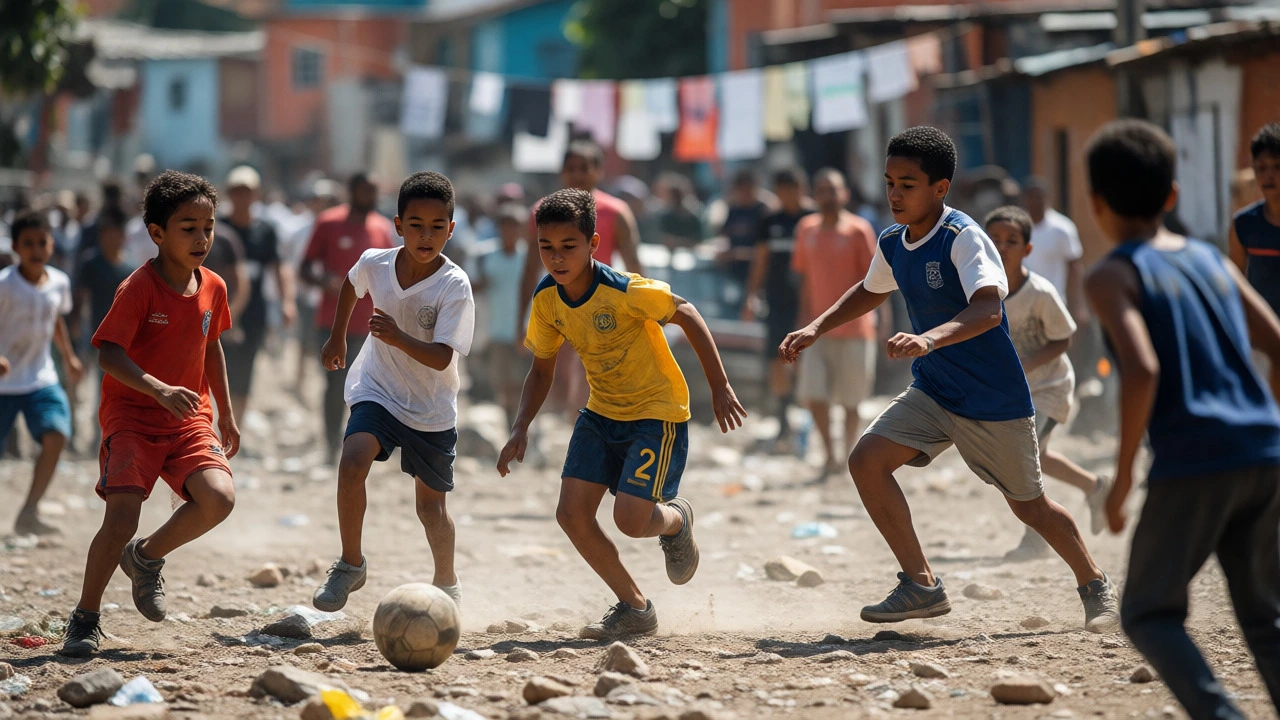
Why does football win? Infrastructure. All you need is a space and something round. You don’t need expensive gear. In Brazil, kids play barefoot on dirt patches. In Europe, organized leagues thrive in community parks. The low cost keeps participation high even in lower-income regions, whereas sports like golf, tennis, or skiing remain niche because of equipment and venue costs. Cricket is huge in South Asia and Australia, but its global footprint doesn’t match football’s reach yet.
| Activity | Estimated Participants | Barrier to Entry | Primary Region |
|---|---|---|---|
| Walking | > 3 Billion (incidental) | None | Global |
| Football (Soccer) | ~270 Million | Low (Ball + Space) | Europe, S. America, Africa |
| Basketball | ~450 Million (fans/players) | Medium (Court/Shoes) | USA, China, Philippines |
| Cricket | ~2.5 Billion (fans), ~60M players | High (Kit/Pitch) | India, UK, Australia |
| Mobile Gaming | ~3 Billion Users | Low (Smartphone) | Asia, Global Urban |
Digital Dominance: The Rise of Mobile Gaming
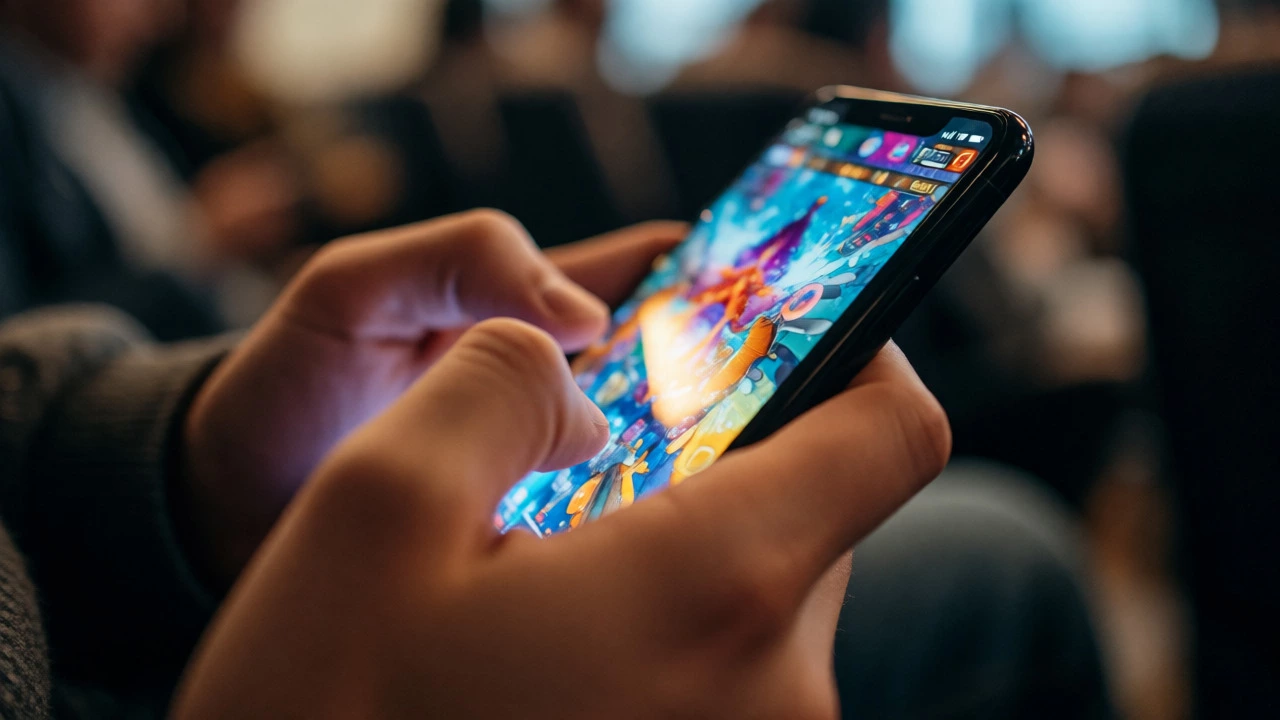
Here is where the definition of "activity" gets fuzzy. Is staring at a screen an activity? Statistically, yes. The global mobile gaming market reached approximately $90 billion in recent years, with over 3 billion smartphone users worldwide. A significant portion of these users engage in games daily. Titles like Candy Crush, PUBG Mobile, and Call of Duty: Mobile boast hundreds of millions of monthly active users.
In countries like China and India, mobile gaming often surpasses traditional sports participation among youth. It’s accessible, social, and competitive. However, critics argue this is sedentary entertainment rather than an "activity" in the physical sense. If you count mental engagement as an activity, gaming likely rivals or exceeds football in pure time spent. But if you’re looking for things that get your heart rate up or involve physical coordination beyond thumb movements, gaming drops down the list.
Reading: The Quiet Giant
We shouldn’t overlook reading. UNESCO and various publishing associations estimate that billions of people read books, magazines, or news articles weekly. While exact numbers fluctuate by literacy rates, reading remains the most common form of solitary leisure. Unlike sports or gaming, reading transcends age groups effectively. From children’s picture books to academic journals, the demographic spread is wider than any sport.
However, reading is passive. It doesn’t build muscle or improve cardiovascular health directly. It builds vocabulary and empathy. When people ask about "activities," they usually imply doing something, not consuming content. Still, if you’re looking for the most popular hobby that doesn’t require leaving your house, reading wins hands down. Audiobooks have further boosted this category, allowing people to "read" while commuting or cleaning, blending the line between passive consumption and active multitasking.
Regional Variations: Where Culture Shapes Hobbies
Global averages hide massive regional differences. What’s popular in Melbourne isn’t necessarily what’s popular in Mumbai or Manhattan.
- Australia & New Zealand: Swimming and surfing dominate coastal cultures. Beach culture makes water-based activities far more prevalent here than in landlocked nations.
- United States: American football, baseball, and basketball lead organized sports. Fitness culture is strong, with weightlifting and yoga seeing massive participation rates.
- India: Cricket is religion. Badminton is also exploding in popularity due to low infrastructure requirements and success stories like P.V. Sindhu.
- Europe: Football is universal, but cycling is incredibly popular for transport and leisure in the Netherlands and Denmark. Skiing dominates Alpine regions seasonally.
This fragmentation means there is no single "world champion" of fun when you zoom in. Your local park might be full of pickleball players, while another city is obsessed with padel. These micro-trends grow fast but haven’t yet achieved the global saturation of football or walking.
How to Choose Your Next Activity
Knowing what’s popular helps you join the crowd, but it shouldn’t dictate your life. The best activity is the one you’ll actually stick with. Here is a quick framework to decide:
- Assess your goal: Want health? Stick to walking or swimming. Want social connection? Join a football league or board game club. Want stress relief? Try gardening or reading.
- Check your budget: Walking is free. Golf can cost thousands annually. Match the cost to your disposable income.
- Evaluate your environment: Do you live near water? Surfing is viable. In a desert? Hiking or rock climbing makes more sense.
- Test before committing: Don’t buy a kayak until you’ve rented one three times. Many communities offer trial classes for sports like tennis or martial arts.
Remember, popularity often correlates with accessibility. If you struggle to find a group for your niche hobby, it might be because the barrier to entry is high. Sometimes, switching to a more popular activity simply means finding partners easier.
Is walking really considered an activity?
Yes, absolutely. Public health experts classify walking as moderate-intensity physical activity. It contributes to the recommended 150 minutes of weekly exercise suggested by the CDC and WHO. Because it is low-impact, it is sustainable for longer durations than high-intensity workouts, making it highly effective for long-term health maintenance.
Which sport has the most fans globally?
Football (soccer) has the largest fan base, estimated at 3.5 to 4 billion supporters worldwide. Cricket follows with around 2.5 billion fans, largely driven by populations in India, Pakistan, and Bangladesh. Basketball has a rapidly growing following, particularly in Asia and North America, but trails significantly behind football and cricket in total global viewership.
Does watching TV count as an activity?
Technically, yes, it is a leisure activity. However, it is classified as sedentary behavior. While billions of hours are spent watching TV and streaming services daily, it does not provide the physical or cognitive benefits associated with active hobbies like sports, reading, or crafting. Excessive TV watching is often linked to negative health outcomes if not balanced with movement.
Why is football more popular than basketball?
The primary reason is infrastructure cost. Playing football requires only a ball and open space, whereas basketball requires a hoop, a flat surface, and often indoor facilities. This makes football accessible in economically diverse regions globally. Additionally, football’s continuous flow of play appeals to a broader cultural range compared to the stop-start nature of basketball.
Is mobile gaming bad for health?
It depends on usage. Moderate mobile gaming can improve hand-eye coordination, problem-solving skills, and provide social interaction through multiplayer modes. However, excessive play leads to sedentary behavior, eye strain, and potential sleep disruption. Like any activity, balance is key. Pairing gaming with physical breaks mitigates most negative health impacts.