
VR Suitability & Safety Checker
Select the conditions or factors that apply to you to calculate your VR readiness score.
Your Assessment
Select Factors
Check the boxes on the left and click calculate to see your VR suitability profile.
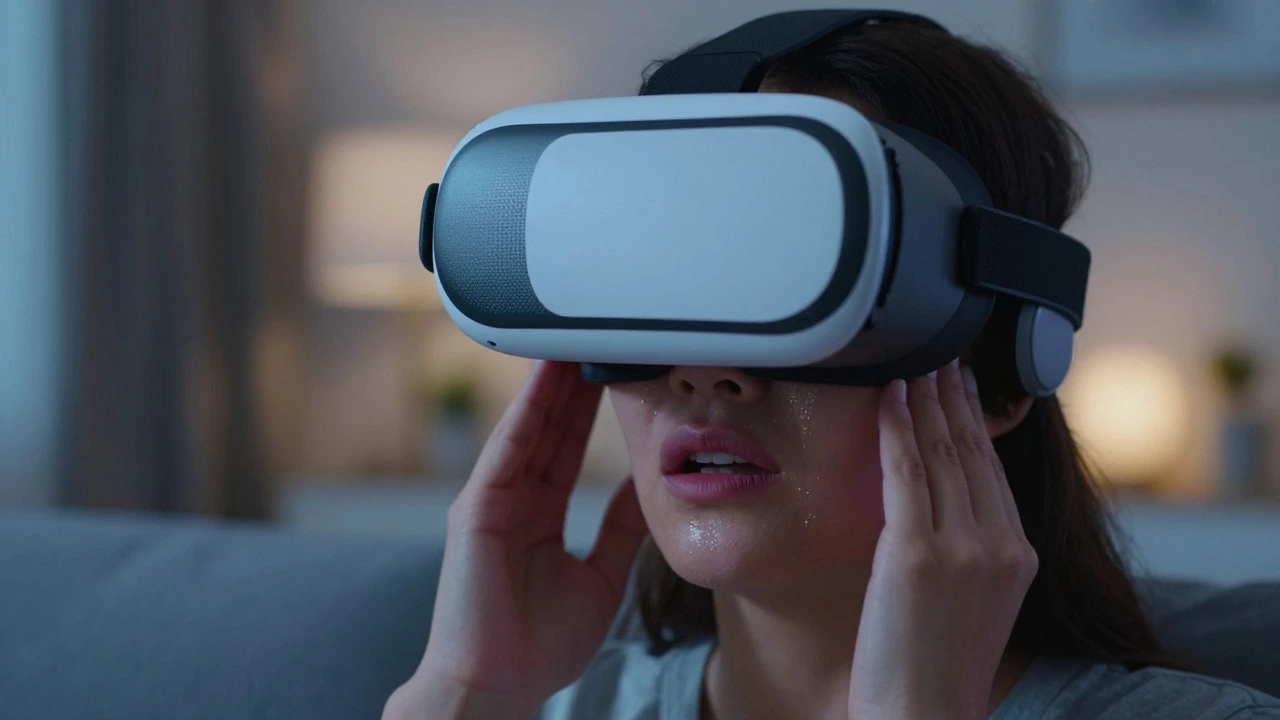
Imagine putting on a headset, expecting to explore Mars or play your favorite game, only to be hit with nausea so intense you want to throw up. Or worse, feeling dizzy and unsteady long after you take the device off. For millions of people, virtual reality is a gateway to new worlds. But for others, it’s a physical ordeal. As we move through 2026, virtual reality headsets are lighter, sharper, and more accessible than ever before. Yet, the hardware has outpaced our understanding of who should-and shouldn’t-use them.
You might assume that if you can stand up and look at a screen, you’re good to go. That’s not true. Your brain, your eyes, and your inner ear have specific limits. Ignoring them doesn’t just ruin the experience; it can lead to injury or lasting discomfort. Before you invest time or money into a VR setup, it’s crucial to know if your body is ready for the simulation.
The Motion Sickness Factor: When Your Brain Gets Confused
The most common barrier to enjoying VR is something called cybersickness. It’s essentially motion sickness caused by a conflict between what your eyes see and what your inner ear feels. In real life, if you turn your head, your vestibular system (the balance center in your inner ear) detects movement. In VR, your eyes see yourself walking forward, but your inner ear knows you’re standing still in your living room.
This sensory mismatch triggers a response in your brain that evolved thousands of years ago. Historically, this sensation meant you had ingested a neurotoxin. Your brain’s solution? Make you vomit to purge the poison. It’s an overreaction to digital pixels, but the physical result is very real. People prone to carsickness, seasickness, or airsickness are significantly more likely to suffer from cybersickness. If you struggle to ride in the backseat of a car without feeling queasy, VR might be a tough sell for you right now.
Even those who don’t get sick in cars can react poorly to certain types of VR experiences. First-person shooters with rapid camera movements or flight simulators are notorious triggers. However, stationary games where you stay in one spot often feel fine. The key is knowing your threshold. Some people can handle five minutes of movement before getting nauseous; others can play for hours. There is no universal test, which makes trial and error risky if you aren’t prepared.
Epilepsy and Photosensitivity: The Flashing Light Risk
For individuals with photosensitive epilepsy, virtual reality presents a genuine medical risk. Epilepsy is a neurological disorder characterized by recurrent seizures. Photosensitive epilepsy means that seizures can be triggered by flashing lights or contrasting visual patterns. While modern VR headsets have high refresh rates (often 90Hz to 120Hz), the way images are rendered can still create flickering effects, especially during fast transitions or in poorly optimized games.
Major headset manufacturers like Meta, Sony, and Apple include warning labels about this risk. These aren’t legal loopholes; they’re based on documented cases. If you have a history of seizures triggered by light, video games, or strobe effects, you should consult a neurologist before using VR. Even if you haven’t had a seizure in years, the immersive nature of VR-which blocks out your peripheral vision and surrounds you with stimuli-can lower your seizure threshold compared to watching TV.
Beyond epilepsy, anyone with a history of fainting or syncope should proceed with caution. The combination of visual stimulation, potential overheating from the headset, and physical exertion can sometimes trigger a drop in blood pressure. It’s rare, but falling while wearing a bulky headset can lead to serious injuries. Always ensure you have a clear play space and consider sitting down for your first few sessions.
Vision Problems: Glasses, Astigmatism, and Eye Strain
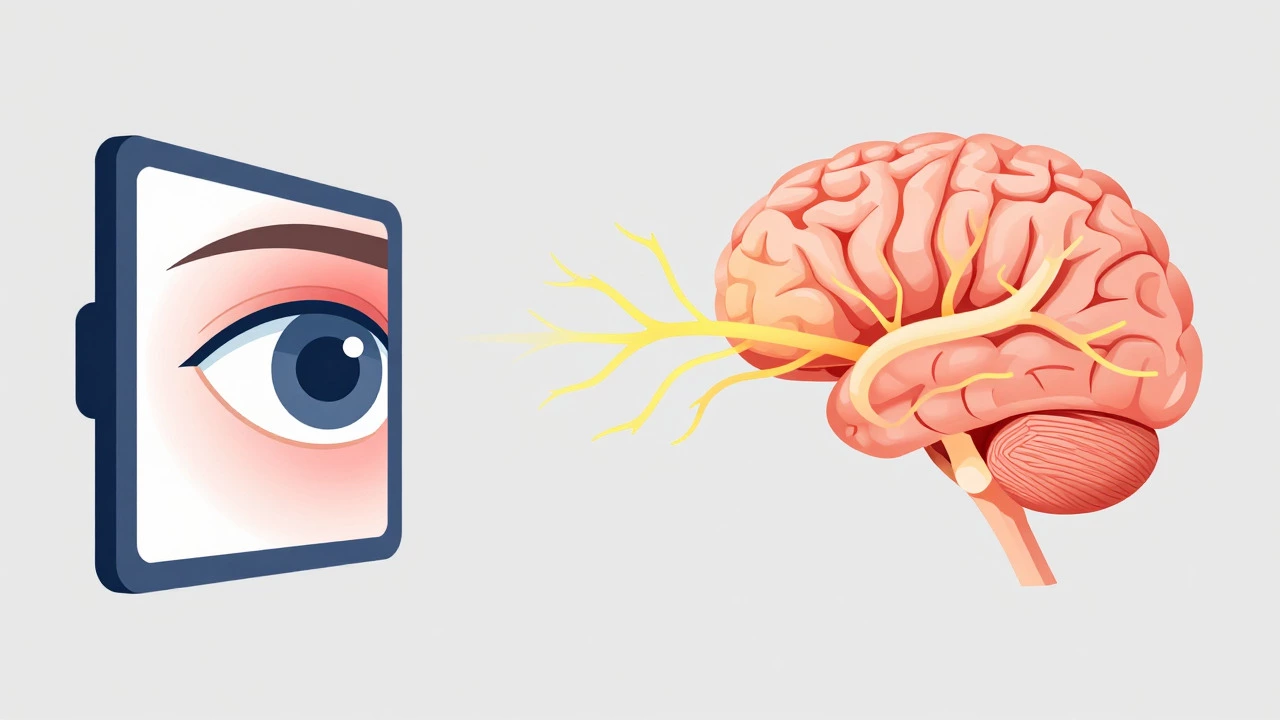
If you wear glasses, you might already be dreading the idea of squeezing them inside a VR headset. Many modern headsets accommodate glasses, but not all do well. Thick frames can prevent the lenses from sitting close enough to your eyes, causing vignetting (black edges around your view) or blurry focus. Some users opt for prescription lens inserts, which clip directly into the headset. This solves the fit issue but adds cost and maintenance.
Astigmatism is another common concern. People with astigmatism often report seeing "ghosting" or double images in VR because the headset’s fixed focal distance doesn’t match their eye’s natural focusing ability. While some high-end headsets offer adjustable IPD (interpupillary distance-the distance between your pupils), not all models adjust enough for every face shape. If your eyes are closer together or further apart than the average range, you might experience persistent eye strain or headaches after short sessions.
Eye strain itself is a major complaint among heavy VR users. Staring at a screen that is inches from your face for extended periods forces your ciliary muscles to work hard. Unlike looking at a computer monitor six feet away, VR demands constant accommodation. If you already suffer from dry eyes, computer vision syndrome, or chronic migraines triggered by screen use, VR could exacerbate these conditions. Taking frequent breaks using the 20-20-20 rule (every 20 minutes, look at something 20 feet away for 20 seconds) is essential, even if the virtual world begs you to stay longer.
Anxiety, Claustrophobia, and Sensory Overload
Virtual reality isn’t just a visual medium; it’s a psychological one. Because it tricks your brain into believing you’re somewhere else, it can trigger genuine emotional responses. For people with anxiety disorders, PTSD, or claustrophobia, this immersion can be overwhelming rather than entertaining.
Claustrophobia, the fear of confined spaces, is ironic in VR because the headset itself covers your head. Some users feel trapped by the weight of the device or the darkness surrounding them when they close their eyes. Additionally, many VR environments simulate tight corridors, elevators, or deep underwater scenes. If you have a phobia of heights, spiders, or enclosed spaces, jumping into a horror game or a skydiving sim might trigger a panic attack. The realism is too good for some nervous systems to handle as "just a game."
Sensory processing issues also play a role. Individuals with autism spectrum disorder (ASD) or ADHD may find the barrage of visual and auditory stimuli in VR exhausting or disorienting. The lack of social cues and the hyper-focused attention required can lead to sensory overload. However, it’s worth noting that VR is also used therapeutically to help manage these conditions under professional guidance. The difference lies in controlled exposure versus open-ended gaming.
Physical Limitations: Space, Strength, and Age
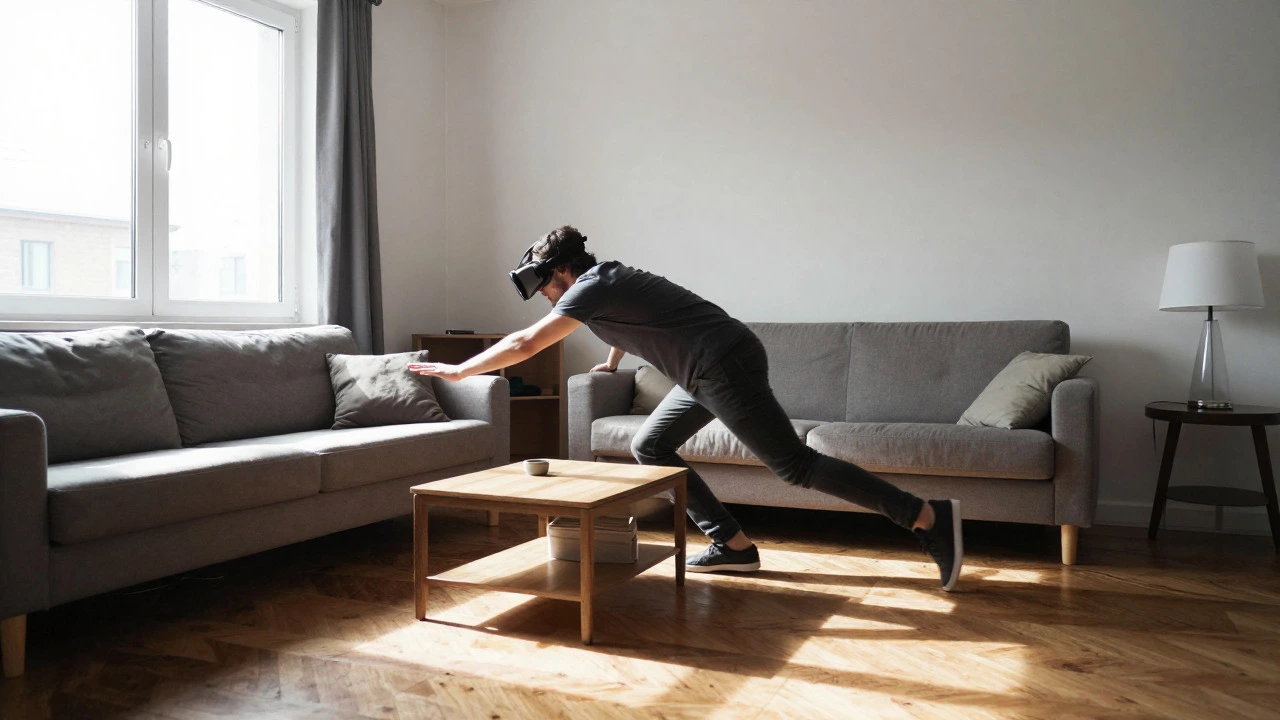
Let’s talk logistics. To use VR safely, especially in standalone or PC-connected modes, you need physical space. Most manufacturers recommend a clearance of at least 2x3 meters (6.5x10 feet). If you live in a small apartment or share a room, tripping over furniture or knocking into walls is a real danger. This isn’t just about breaking your TV; it’s about concussions and sprains.
Physical fitness matters more than you might think. Active VR games require squatting, lunging, reaching, and sometimes running in place. If you have limited mobility, joint pain, or balance issues, these movements can be difficult or painful. Elderly users, in particular, need to assess their stability. A sudden lunge in a zombie survival game could result in a fall. For seniors, seated VR experiences or gentle meditation apps are far safer bets than action-packed adventures.
Children present a unique challenge. While there is no strict age limit enforced by law, most experts recommend waiting until a child is at least 12 or 13. Younger children’s eyes are still developing, and the impact of prolonged near-field viewing on binocular vision isn’t fully understood. Moreover, kids may not recognize the boundary between virtual and physical reality as quickly as adults, increasing the risk of injury. Parental supervision and time limits are non-negotiable for younger users.
| Condition / Factor | Risk Level | Recommendation |
|---|---|---|
| Motion Sickness Prone | High | Start with stationary games; limit sessions to 10 mins. |
| Photosensitive Epilepsy | Critical | Consult doctor; avoid flashing content entirely. |
| Wears Glasses | Low-Medium | Use thin frames or prescription inserts. |
| Anxiety / Claustrophobia | Medium-High | Try calm, open-world experiences first. |
| Limited Mobility | Medium | Choose seated experiences; ensure clear floor space. |
| Under Age 12 | Uncertain | Limit usage; prioritize parental supervision. |
How to Test Your Tolerance Safely
If you’re unsure whether you belong in any of the "avoid" categories above, don’t just buy a $500 headset and hope for the best. Start small. Visit a local VR arcade or borrow a friend’s device. Look for free demos that allow you to quit instantly. Pay attention to how you feel during and immediately after the session. Mild dizziness is normal for beginners, but vomiting, severe headache, or panic signals that you should step back.
Adjust your settings. Most headsets let you increase the field of view mask, which reduces peripheral motion and can alleviate sickness. Keep your environment well-lit so you can see your hands and feet if needed. Hydrate before playing, as dehydration worsens motion sickness symptoms. And remember, it’s okay if VR isn’t for you. Technology serves us, not the other way around. If the experience causes more stress than joy, saving your money for a traditional console or a nice book might be the smarter choice.
Can people with epilepsy use VR?
People with photosensitive epilepsy should exercise extreme caution. The flashing lights and high-contrast patterns in some VR games can trigger seizures. Consult a neurologist before use, and always enable any available anti-flicker settings in the headset software.
Is VR safe for children under 12?
Most manufacturers recommend ages 12+. Younger children’s eyes are still developing, and the impact of near-field screens on binocular vision is not fully known. Additionally, kids may have trouble distinguishing virtual objects from real ones, increasing injury risk.
Why does VR make me feel sick?
VR sickness, or cybersickness, occurs when your eyes see movement but your inner ear senses stillness. This sensory conflict confuses the brain, triggering a nausea response similar to motion sickness in cars or boats.
Can I use VR if I wear glasses?
Yes, but comfort varies. Thin-framed glasses usually fit inside most headsets. If your frames are thick, you may need prescription lens inserts to ensure proper focus and avoid black edges in your vision.
Does VR cause permanent eye damage?
Current research suggests VR does not cause permanent eye damage. However, it can cause temporary eye strain, dryness, and headaches. Taking regular breaks and maintaining proper hygiene for the headset lenses helps mitigate these issues.