
Escape Room Privacy & Monitoring Checker
Not sure how much you'll be watched? Select your scenario below to see what typical monitoring looks like and get tips on handling it.
Your Monitoring Profile
Moderate OversightWhat This Means For You
Pro Tip: Always read the waiver! Look for "Media Release" clauses if you want to ensure your footage isn't used for marketing without consent.
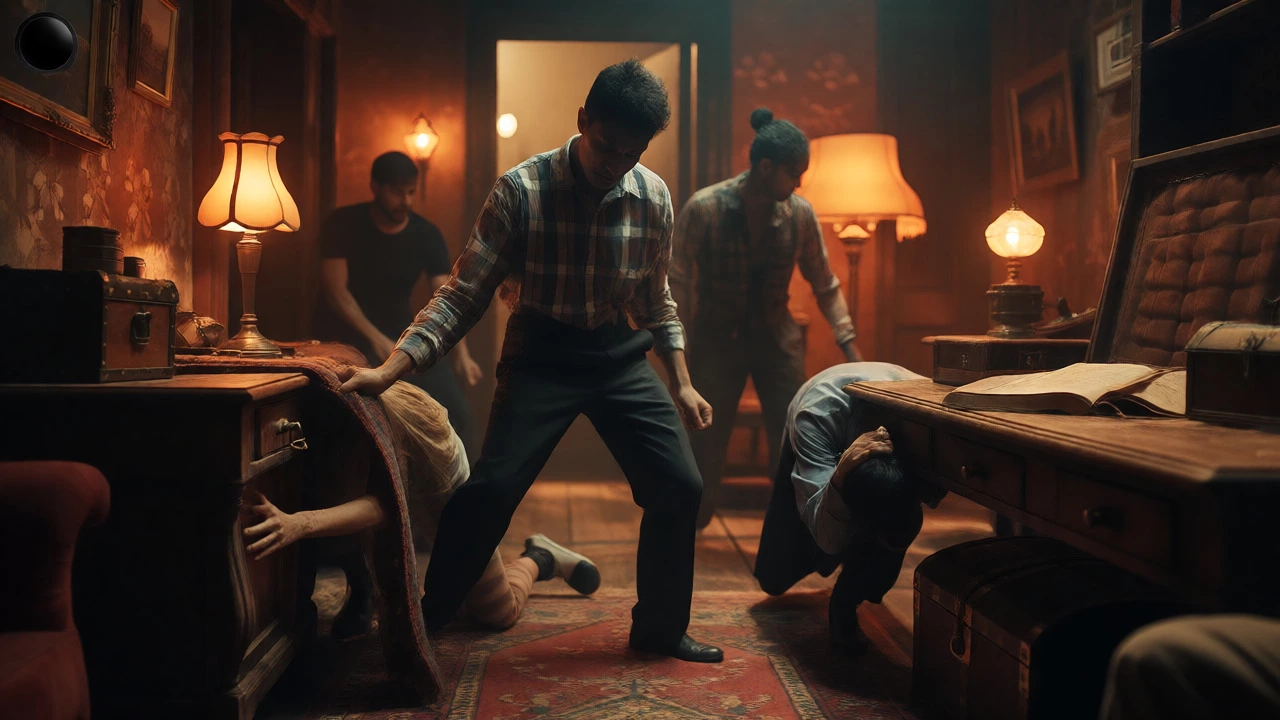
You’re locked in a dimly lit Victorian study. The clock is ticking down from sixty minutes. You and your team are frantically searching for a key under a rug, wondering if anyone can actually see you doing this. It’s a common worry: are escape rooms monitored? The short answer is yes, almost always. But before you panic about your awkward dance moves or your friend’s terrible puns being recorded forever, let’s break down exactly what that monitoring looks like, why it exists, and how much privacy you really have.
The Game Master: Your Invisible Guide
Every legitimate escape room experience relies on a human element known as the Game Master. This person isn’t just sitting in a back office eating snacks; they are actively managing your session in real-time. Think of them as a dungeon master in a tabletop RPG, but with more control over the physical environment. Their primary job is to ensure the narrative flows smoothly and that your group doesn’t get stuck for too long, which kills the vibe.
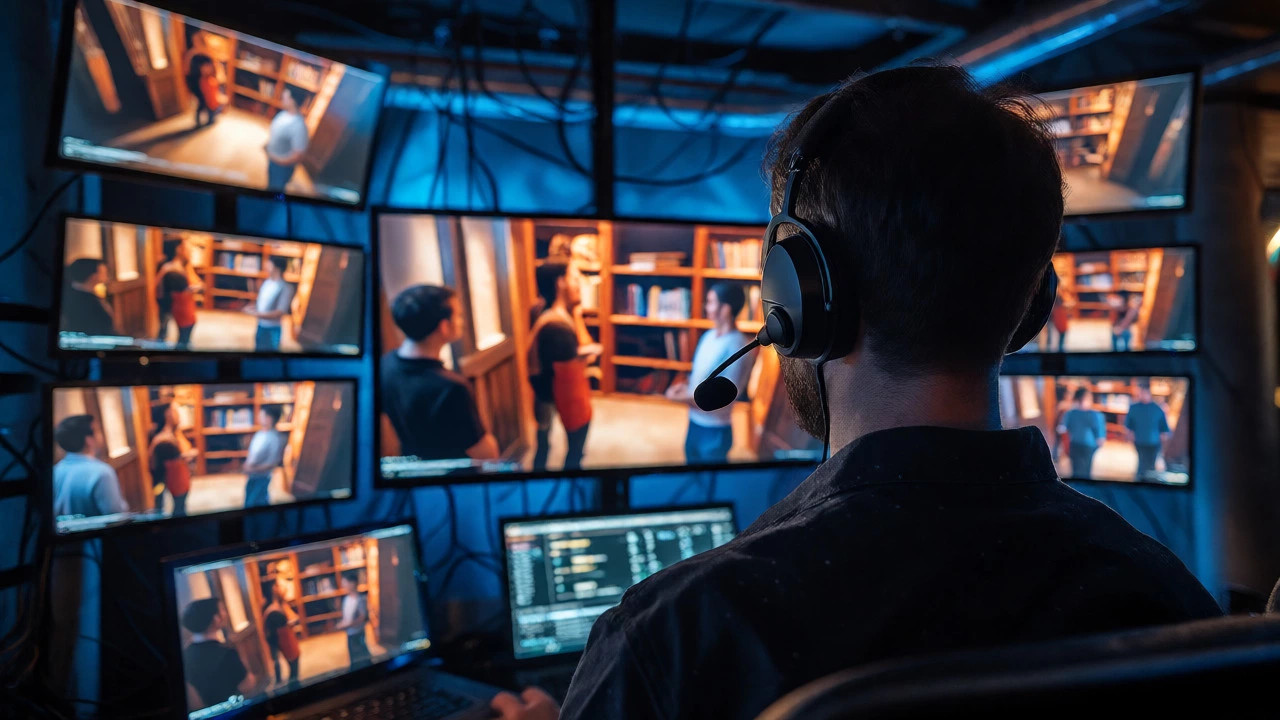
Without a Game Master, an escape room would just be a puzzle box. If you hit a dead end, the Game Master uses their observation skills to nudge you forward. They watch via screens, listen through microphones, and sometimes even speak directly into the room to offer a hint. This interaction is crucial for maintaining the pacing of the game. If you were completely unmonitored, you might spend twenty minutes staring at a wall because you missed a subtle clue, leaving you frustrated rather than thrilled.
How Monitoring Actually Works
So, how do they see you? Most modern venues use a combination of technology to keep tabs on players. It’s rarely one giant camera pointing directly at your face. Instead, operators use strategic angles to capture the most important parts of the room-the puzzles, the locks, and the general movement-without turning the experience into a surveillance state.
| Technology | Purpose | Privacy Level |
|---|---|---|
| CCTV Cameras | General overview of player movement and safety checks | Medium (Wide angles) |
| Room Microphones | Listening for verbal cues or requests for help | Low (Continuous audio) |
| Sensor Systems | Detecting when locks open or props move | High (No visual/audio) |
| Live View Screens | Allowing GMs to intervene with hints | Variable (Depends on venue) |
In Melbourne, where I’ve played dozens of these games, the standard setup involves high-definition cameras mounted in corners or behind fake bookshelves. These feed into a control room where the staff monitors multiple games simultaneously. They aren’t watching every second with intense scrutiny unless something goes wrong. It’s more like having a security guard who occasionally glances at the monitor to make sure no one is trying to kick down a door.
Why Do They Need to Watch?
It’s not just about catching cheaters. There are three main reasons venues invest in monitoring systems, and understanding them helps put your mind at ease.
- Safety and Security: This is the big one. If someone trips, has a medical emergency, or gets physically trapped, the staff needs to know immediately. In a dark room full of props, accidents happen. Monitoring allows for rapid response.
- Game Integrity: Sometimes players accidentally break a mechanism or force a lock that shouldn’t be forced. Staff need to see this to fix it after the game or during the next round. It also prevents people from using phones to solve puzzles instantly, which ruins the challenge.
- Customer Service: As mentioned, hints are part of the product. A good Game Master reads the room’s energy. If they see frustration building, they’ll drop a hint. If they see you breezing through, they might stay silent. This dynamic adjustment relies entirely on observation.
What About Privacy and Recording?
This is the question everyone asks. "Will my video end up on TikTok?" Generally, no. Most escape rooms record footage for internal use only. They might review clips to improve puzzle design or resolve disputes (e.g., "Did we already look in that drawer?"). However, policies vary wildly between chains and independent venues.
Some larger franchises, like ClueQuest or Breakout Games, may have specific terms regarding data retention. Usually, recordings are deleted after a set period, often 30 to 90 days, unless there was an incident. Always check the waiver you sign. It usually contains a clause about media usage. If you’re worried about embarrassing moments, ask upfront if they sell stock footage or post highlights online. Most local indie spots don’t bother with marketing videos from random groups unless the group consents specifically.
Can You Opt-Out of Monitoring?
Here’s the hard truth: you probably can’t. Monitoring is baked into the operational model. If you refuse camera coverage, many venues won’t let you play. Why? Because without eyes in the room, they can’t guarantee your safety or the integrity of the equipment. Imagine a scenario where a fire alarm triggers due to smoke effects-if no one sees you evacuating, liability becomes a nightmare for the business.
However, some premium or private experiences offer different levels of oversight. For example, if you book a fully private room, the staff might only monitor audio to ensure you’re safe, keeping the visual feed off unless requested. This is rare and usually costs extra. If privacy is non-negotiable for your group, call ahead. Ask if they offer a "low-monitoring" option. It’s uncommon, but not impossible in smaller, owner-operated businesses.
The Human Factor: Trusting the Staff
It’s easy to feel paranoid, but remember that Game Masters are busy professionals. In a typical Saturday afternoon slot, one staff member might be juggling three or four active games. They are constantly switching views on their screen, listening to headsets, and updating logs. They aren’t sitting there judging your outfit or laughing at your jokes in isolation. They are multitasking managers of chaos.
From my experience working with event organizers, the staff are trained to be discreet. They wear headsets so they can communicate with each other without entering the room. They respect the immersion. Breaking character by walking in unexpectedly is seen as a failure of design. The goal is to make you forget they exist until you need them. So, while they are watching, they are likely thinking about the next group’s booking or fixing a jammed padlock in another room, not dissecting your performance.
Tips for Playing When You Know You’re Being Watched
If the idea of being observed still makes you nervous, here are a few practical tips to handle it gracefully:
- Assume the Worst-Case Angle: Don’t hide in the darkest corner expecting invisibility. Cameras cover blind spots. Act naturally everywhere.
- Ask About Audio: If you’re sensitive about conversations being heard, ask if the mics are live or if they only activate upon request. Some newer systems use voice activation.
- Read the Waiver: Before signing, look for the section on "Media Release." If it says they can use footage for "promotional purposes," you know they might share clips.
- Communicate Boundaries: If you’re playing with colleagues and want to avoid gossip, mention to the staff beforehand that you prefer minimal interference. They’ll respect that and only step in when absolutely necessary.
Final Thoughts on Escape Room Surveillance
Yes, escape rooms are monitored. It’s a feature, not a bug. It ensures you get the best possible experience, keeps you safe, and maintains the quality of the puzzles. While the idea of strangers watching you struggle with a riddle can feel intrusive, the reality is far less dramatic. It’s a professional operation focused on entertainment and safety. So, take a deep breath, ignore the red light blinking in the corner, and focus on cracking that code. The Game Master is rooting for you-even if they are slightly amused by your attempts to open a door that requires a key you already found five minutes ago.
Do escape rooms record audio?
Yes, most escape rooms use microphones to allow the Game Master to hear when you need help or to provide remote hints. This audio is typically used in real-time for assistance and may be recorded for quality assurance or dispute resolution, but it is rarely shared publicly without consent.
Can I turn off the cameras in an escape room?
Generally, no. Cameras are essential for safety and game management. While you cannot turn them off yourself, some venues may offer private bookings with reduced monitoring options, though this is rare and depends on the specific venue's policy.
Is my footage posted online?
Usually, no. Footage is kept for internal reviews and is typically deleted after a short period (30-90 days). Large chains might use clips for social media marketing, but they usually require explicit permission or include this in the signed waiver. Always check the release form.
Why do I need a Game Master if I'm alone?
Even if you are playing solo, a Game Master is needed for safety emergencies, technical troubleshooting (like a broken lock), and providing hints if you get stuck. They ensure the mechanical aspects of the room function correctly throughout your session.
Are escape rooms safe?
Yes, they are generally very safe. Monitoring systems allow staff to respond quickly to any incidents. Additionally, all doors must have manual overrides that allow players to exit at any time, regardless of whether the electronic locks are engaged.