

Broadway Budget Calculator
The advertised price is rarely the final price. Use this tool to estimate your total out-of-pocket cost based on current 2026 market rates.
Select your options and click calculate to see the breakdown.
You just decided to see a show in New York City. The excitement is real until you open the ticketing website and see the numbers. Is it $50? $150? $300? The answer is "yes," depending on who you ask, when you buy, and which seat you want. Broadway tickets are notoriously variable, but they aren't random chaos. There’s a logic to the pricing tiers that, once you understand it, saves you hundreds of dollars.
Let’s cut through the noise. In late 2026, a standard front-row center seat for a hit musical like Wicked or Hamilton will likely cost between $150 and $250 per person. But you can see the same show for $49 if you’re willing to gamble on a lottery or stand in line. This guide breaks down exactly what you’re paying for, where the hidden fees hide, and how to get a great seat without selling a kidney.
The Price Spectrum: From Lottery to Premium
Broadway pricing isn’t one-size-fits-all. It operates on a dynamic model similar to airline tickets. The base price changes based on demand, day of the week, and seat location. Understanding these tiers helps you set a realistic budget.
| Ticket Type | Average Price Range | Best For | Availability Risk |
|---|---|---|---|
| Lottery / Rush | $30 - $50 | Students, flexible travelers, last-minute planners | High (requires luck or time) |
| Discounted (TKTS) | $40 - $80 | Families, casual fans, same-day buyers | Medium (sell out fast) |
| Standard Advance | $80 - $150 | General audience, planned trips | Low |
| Premium / Front Row | $150 - $300+ | Die-hard fans, special occasions | Low (if booked early) |
Notice the gap between the lottery tier and premium seats. That $200 difference buys you legroom, a perfect sightline, and zero stress about whether you’ll get a seat at all. If you’re traveling with kids, the discount tier is usually the sweet spot. If it’s your anniversary, splurge on the advance purchase.
Why Are Some Shows More Expensive Than Others?
Not all Broadway shows cost the same. A revival of a classic play might cap out at $99, while a new mega-musical with celebrity casting could start at $129. Why? Production costs. Musicals require live orchestras, complex sets, and dozens of performers. Plays often have smaller casts and simpler staging.
Consider The Lion King. Its puppetry and costumes are intricate, requiring specialized maintenance and skilled operators. That overhead trickles down to ticket prices. Contrast this with a two-hander drama in a smaller theater; fewer moving parts mean lower costs, which allows producers to keep tickets under $100. When you look at musical theatre, you’re paying for the spectacle. With plays, you’re paying for the script and acting.
Celebrity power also drives up prices. If a famous actor stars in a limited run, expect premiums. When Hugh Jackman was in The Music Man, tickets spiked because people wanted to see him specifically, not just the show. Once he left, prices normalized. Always check the cast list before assuming a high price reflects the show’s quality rather than its star power.
Hidden Fees: The Ticket Price Isn’t the Final Price
This is where most first-time buyers get burned. The price you see on the homepage rarely matches the total charged to your credit card. Service fees, facility charges, and delivery fees add up quickly.
- Service Fees: Platforms like Telecharge or Ticketmaster charge a convenience fee, often 10-15% of the face value.
- Facility Charges: Theaters themselves add a small fee (usually $2-$5) for using their venue.
- Delivery Costs: Electronic tickets are free, but physical box office pickup sometimes carries a nominal fee.
If a ticket says "$100," expect to pay closer to $115-$120 after taxes and fees. Budget an extra 15% on top of the advertised price. This applies whether you buy online or at the box office, though buying directly from the theater’s official site sometimes offers slightly better terms or loyalty points.

How to Save Money Without Sacrificing the Experience
You don’t need to spend $200 per person to enjoy Broadway. Here are three proven strategies used by locals and savvy tourists alike.
1. The TKTS Booth Strategy
Located in Times Square, the TKTS booth sells unsold tickets for same-day performances at discounts ranging from 20% to 50%. The catch? You have to be there. Lines form early in the morning, especially for popular shows. Go at opening time (usually noon) for the best selection. Alternatively, use the TodayTix app, which partners with TKTS to let you reserve discounted tickets online for a small booking fee, skipping the physical line.
2. Digital Lotteries
Most major shows now offer digital lotteries via apps like TodayTix or Playbill. You enter for $5-$10, and if you win, you can buy two tickets for around $40-$50 each. This is a low-risk way to potentially score premium seats for cheap. Enter every day leading up to your trip. Even if you don’t win, the entry fee is negligible compared to the potential savings.
3. Off-Broadway Alternatives
If your budget is tight, consider Off-Broadway. These theaters are within walking distance of Broadway venues and feature professional productions, often with future Broadway hits. Tickets typically range from $30 to $70. Shows like Hadestown started Off-Broadway before moving uptown. Seeing a production here gives you the same artistic quality at half the price.
When Should You Buy?
Timing matters more than you think. Buying too early locks you into a schedule; buying too late risks sold-out dates. For big hits, book 2-4 weeks in advance. For less popular shows, waiting until the week of performance can yield discounts as theaters try to fill empty seats.
Weekday matinees (Wednesday and Thursday afternoons) are often cheaper than Friday night performances. Matinee crowds are generally quieter, making it a great option for families with young children. Avoid holiday weekends unless you book months ahead; prices surge due to tourist influx.
What About Accessibility and Seating Restrictions?
Before you buy, read the fine print. Many discounted tickets are marked "restricted view." This doesn’t always mean bad. Sometimes it means a partial obstruction from a railing or column. Other times, it’s a side seat with a sharp angle. Check the seating chart carefully. Most sites allow you to zoom in on specific seats to see the view from that angle.
Wheelchair-accessible seating is available in all Broadway theaters, but availability varies. Call the box office directly if you need accessible seating, as online systems sometimes mishandle these requests. Companion seats are usually offered at the same price, ensuring you’re never alone.
Frequently Asked Questions
Are Broadway tickets refundable?
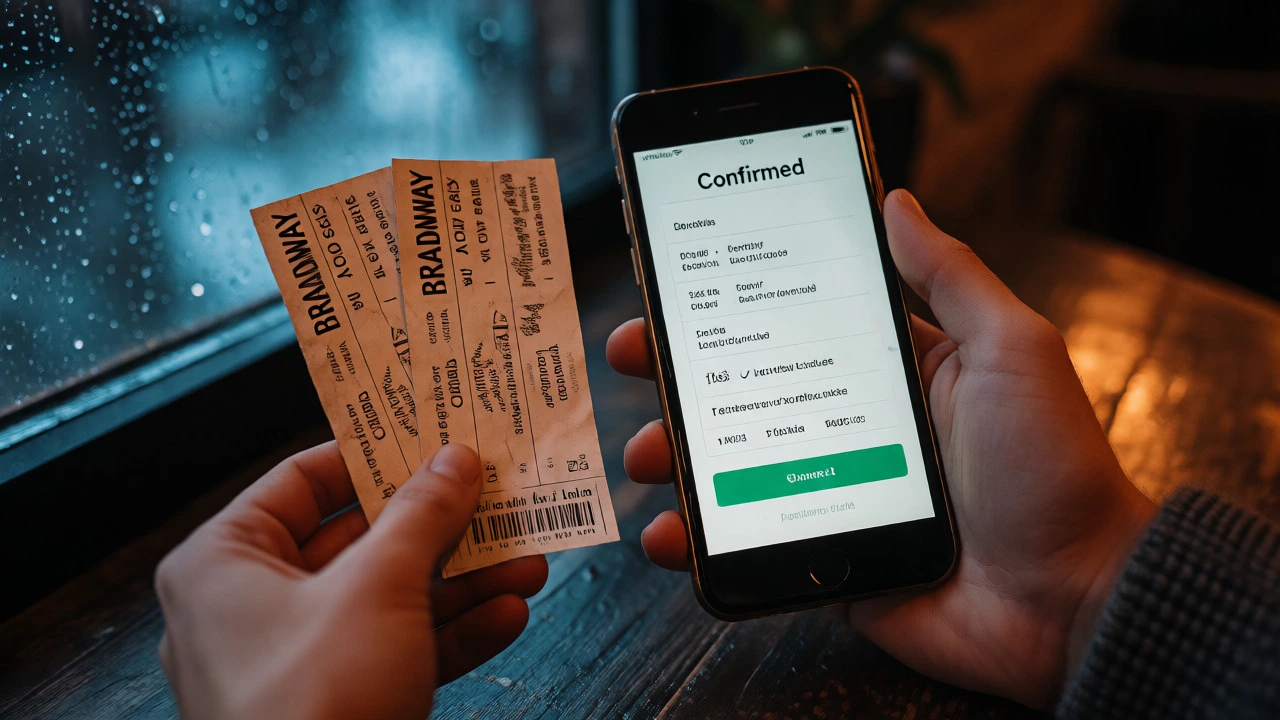
Generally, no. Most Broadway tickets are final sale. However, policies vary by producer. Some allow exchanges for a different date up to 24 hours before curtain, but refunds are rare. Always check the specific policy on the ticket confirmation email.
Can I bring food or drinks into the theater?
No outside food or drink is allowed. Most theaters sell snacks and beverages during intermission, but prices are high (a soda might cost $8). Plan accordingly and eat before the show if you’re hungry.
How early should I arrive for my Broadway show?
Arrive 30 minutes before curtain. This gives you time to find your seat, visit the restroom, and settle in. Latecomers are often held in the lobby until a suitable break in the action, which can disrupt your experience.
Is it worth buying premium seats?
For musicals with large stage sets, yes. Front-center rows provide the best visual impact. For plays, mid-balcony seats often offer excellent acoustics and views at a lower price. Consider the type of show before splurging.
Do children need tickets?
Yes, all attendees over age 4 typically require a ticket, regardless of height. Children under 4 may sit on a lap for free, but policies vary by show. Check the specific age recommendation, as some shows are not recommended for young children.