
Outdoor Recreation Finder
Answer three quick questions to find your ideal weekend activity.
Your Recommended Activity
Activity Name
-
-
Why this fits you:
Quick Start Tips:
You stare at the calendar. It’s Saturday morning. The sun is out. You have four hours to kill before dinner. What do you actually do? Most people freeze here. We think recreation means expensive trips or complex gear. It doesn’t. Recreation is just doing something that restores your energy instead of draining it. You don’t need a plane ticket. You need a pair of shoes and a bit of curiosity.
Let’s cut through the noise. Here are five common recreational activities that work for almost everyone, regardless of age or fitness level. These aren’t obscure hobbies. They are accessible, low-cost, and proven to boost mental health. We’ll break down why they work, how to start, and what gear you actually need (spoiler: it’s less than you think).
Hiking: The Gateway Drug to the Outdoors
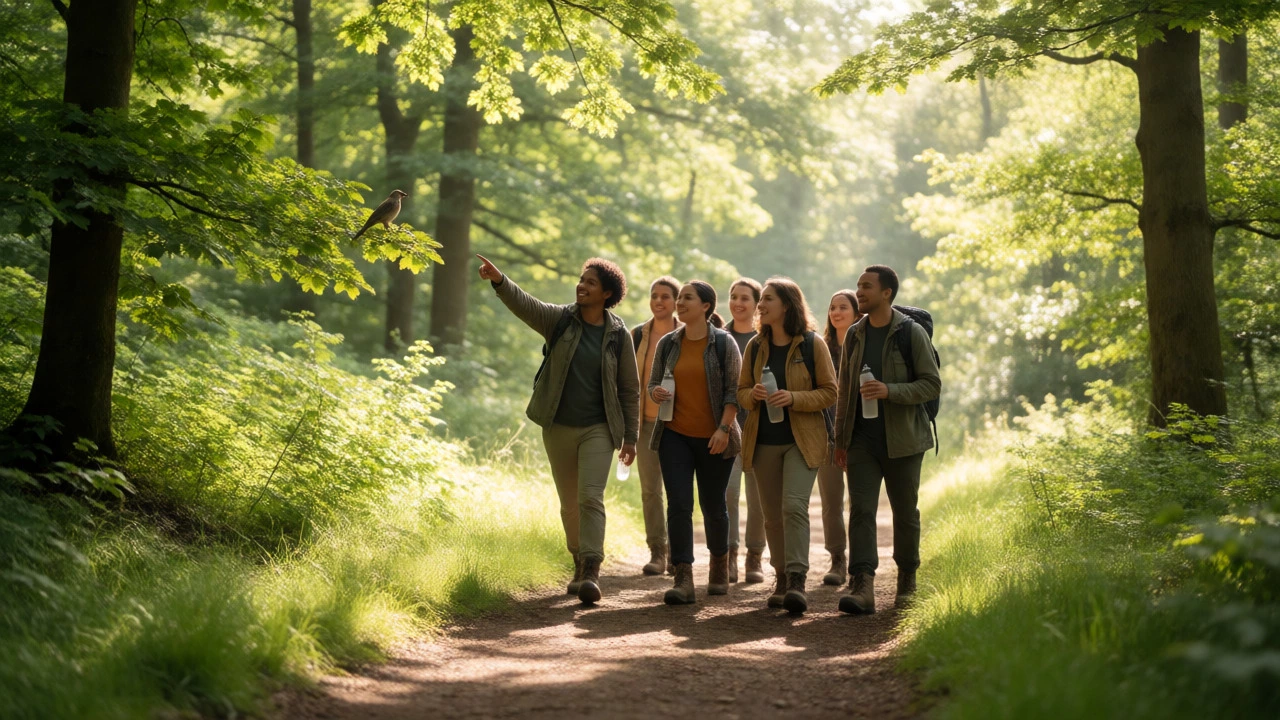
Hiking is walking on trails in natural environments. Unlike urban walking, hiking involves uneven terrain, elevation changes, and immersion in nature. This combination triggers a unique physiological response. Your brain shifts from focused attention to soft fascination, which reduces stress hormones like cortisol.
Why is it so popular? Accessibility. You can hike for ten minutes or ten hours. You don’t need special skills. A beginner trail might be two miles long with minimal elevation gain. An advanced route could cover twenty miles over mountain passes. The barrier to entry is basically zero if you have sturdy shoes.
Start small. Pick a local park with marked trails. Don’t worry about distance. Focus on the experience. Notice the sounds of birds, the texture of bark, the change in air temperature as you climb. If you want to make it social, invite a friend. Hiking conversations flow differently than coffee shop chats. There’s no pressure to fill silence. The rhythm of walking creates a natural pace for talking or thinking.
- Gear needed: Comfortable walking shoes or boots, water bottle, weather-appropriate clothing.
- Cost: $0-$50 (parking fees, optional snacks).
- Skill level: Beginner-friendly.
Cycling: Speed and Freedom Combined
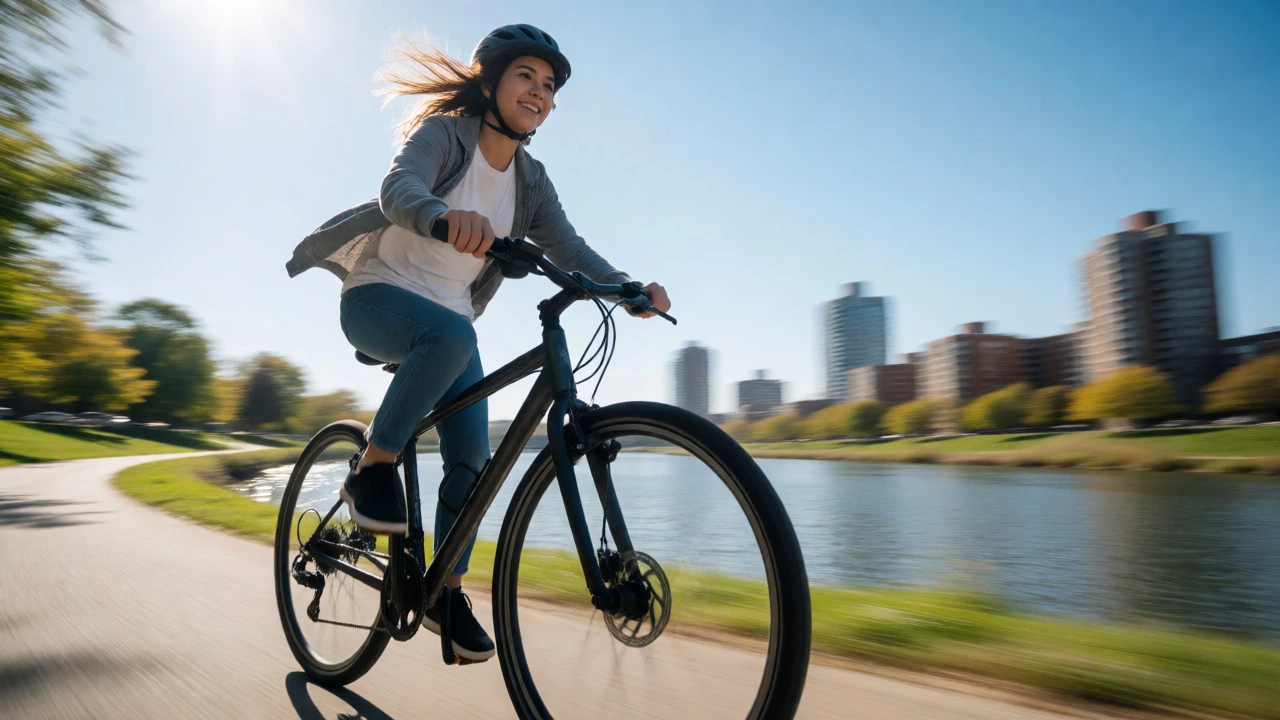
If hiking is about connection to the earth, cycling is about movement and wind. It’s a low-impact aerobic exercise that protects your joints while building leg strength. Cycling also allows you to cover more ground than hiking. You can explore a whole city or county in an afternoon.
Many people dismiss cycling because they imagine intense road racing. Forget that. Recreational cycling is casual. It’s riding to get ice cream. It’s exploring a new neighborhood. It’s finding a quiet path along a river. Modern bike-share programs in cities like New York, London, and Paris make this easy. You don’t even need to own a bike. Download an app, unlock a scooter or bike, ride for thirty minutes, and lock it up.
For those who prefer ownership, a basic hybrid bike costs between $300 and $600. That’s a one-time investment that pays off every time you skip a gym membership. Safety matters. Always wear a helmet. Follow traffic laws. Use lights if riding near dusk. Start on designated bike lanes or parks until you feel confident navigating streets.
| Feature | Hiking | Cycling |
|---|---|---|
| Impact on Joints | Moderate | Low |
| Distance Covered | Short | Long |
| Initial Cost | Very Low | Moderate |
| Social Aspect | High (conversation) | Moderate (limited talk) |
Fishing: Patience as a Pastime
Fishing gets a bad rap as boring. But ask any angler, and they’ll tell you it’s meditation with a reward system. Fishing requires focus, patience, and knowledge of local ecosystems. It forces you to slow down. You watch the water. You observe weather patterns. You learn about fish behavior. This mindfulness aspect is huge for stress relief.
You don’t need a boat. Shore fishing works great. Find a public lake or riverbank. Bring a simple rod-and-reel combo. Bait options range from live worms to artificial lures. Local bait shops are invaluable resources. Staff there know exactly what’s biting this week. They’ll sell you the right bait and point you to the best spot.
The catch isn’t always the goal. Sometimes, it’s just sitting by the water, reading a book, or napping. When you do catch something, the dopamine hit is real. Plus, fresh fish tastes better than store-bought. Check local regulations. Some areas require licenses. Others allow catch-and-release only. Respect the environment. Take your trash with you.
Picnicking: Socializing Without Pressure
We often forget that eating outside is an activity. Picnicking transforms a meal into an event. It combines food, nature, and social interaction. It’s low-effort but high-reward. You pack a blanket, some sandwiches, fruit, and drinks. Then you head to a park, beach, or backyard.
Why does this count as recreation? Because it breaks routine. Eating at your desk is functional. Eating on grass is restorative. It encourages conversation. Kids play nearby. Dogs run around. The setting changes the dynamic. You relax more. You laugh easier.
Keep it simple. Sandwiches, cheese, crackers, grapes, and lemonade. No fancy plating required. If you want to elevate it, bring a frisbee or a deck of cards. Games add structure without demanding energy. For solo picnickers, it’s perfect time for journaling or people-watching. Just ensure you pick a spot with shade. Sunburn ruins a good vibe fast.
Gardening: Growing Joy One Plant at a Time
Not all recreation happens away from home. Gardening brings nature to you. It’s hands-on, tactile, and rewarding. You dig soil, plant seeds, water roots, and wait. Watching something grow because of your care provides a sense of agency. In a world where we consume rather than create, gardening flips the script.
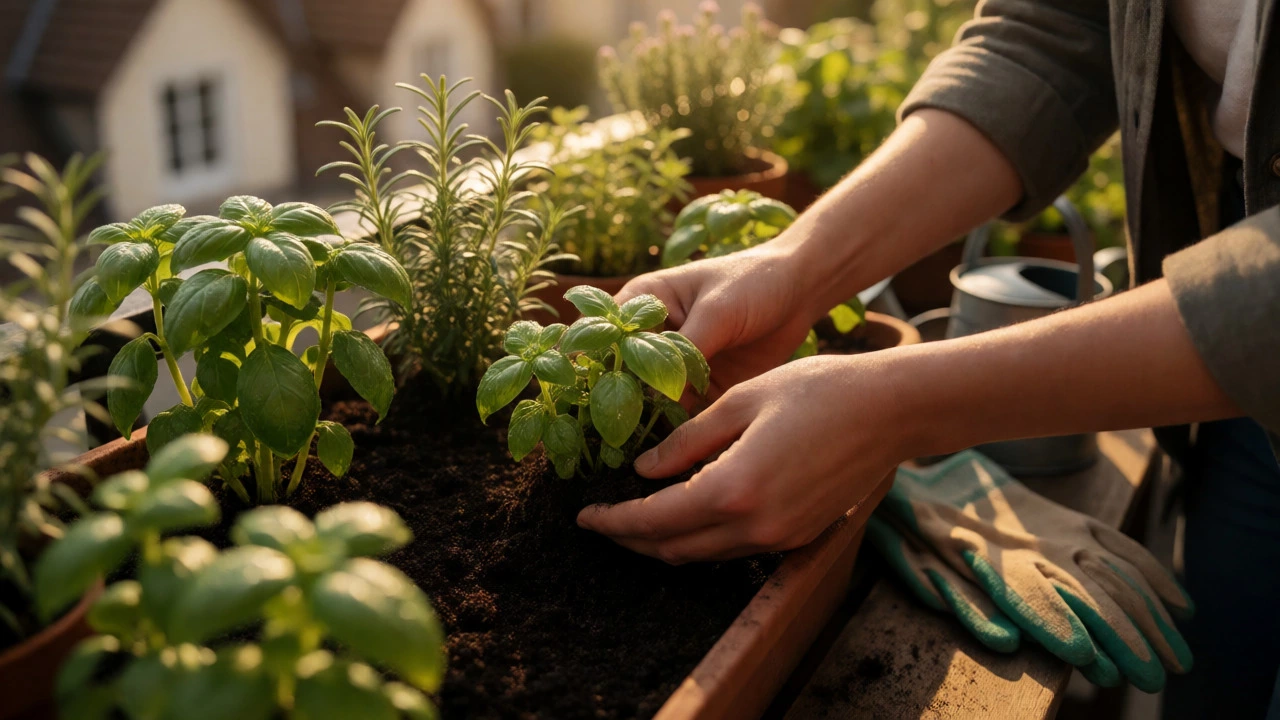
You don’t need acres of land. Balconies, patios, and window boxes work fine. Herbs like basil, mint, and rosemary thrive in small spaces. They smell great, taste better, and look pretty. Tomatoes are satisfying too. Nothing beats picking a warm tomato straight from the vine.
Start with three pots. Buy organic potting mix. Choose plants suited to your light conditions. Full sun? Go for peppers. Shade? Try ferns or hostas. Water consistently. Overwatering kills more plants than underwatering. Learn from mistakes. Dead plants teach resilience. Gardening connects you to seasons. You notice spring buds, summer blooms, autumn colors, winter dormancy. It grounds you in the present moment.
How to Choose Your Next Activity
Feeling overwhelmed? Use this quick decision tree:
- Want to move? Choose hiking or cycling.
- Want to sit still? Choose fishing or picnicking.
- Want to stay home? Choose gardening.
- With friends? Picnicking or hiking.
- Alone? Fishing or gardening.
- Budget tight? Hiking, picnicking, or fishing (if you have basic gear).
Remember, consistency beats intensity. Doing a short hike weekly does more for your well-being than one marathon once a year. Pick one activity. Try it this weekend. See how it feels. Adjust next time. Recreation should feel like a gift, not a chore.
Do I need expensive equipment for these activities?
No. Most of these activities require minimal gear. Hiking needs comfortable shoes. Picnicking needs a blanket. Fishing can start with a basic rod under $30. Cycling can use bike-shares. Gardening starts with a few pots and soil. Avoid buying premium gear until you’re sure you enjoy the hobby.
Are these activities suitable for families with young children?
Yes. Picnicking and gardening are excellent for kids. They can help prepare food or plant seeds. Short hikes keep children engaged if you turn them into scavenger hunts. Fishing teaches patience but may require supervision. Cycling depends on age; tandem bikes or trailers help younger kids join in.
How much time should I dedicate to recreational activities?
Even 30 minutes helps. Research suggests regular exposure to nature lowers stress levels. Aim for at least one hour per week initially. Gradually increase based on interest. Consistency matters more than duration. Daily short walks beat monthly long hikes for habit formation.
What if I live in an urban area with limited green space?
Urban dwellers still have options. City parks offer hiking trails and picnic spots. Community gardens provide planting opportunities. Bike lanes connect neighborhoods for cycling. Indoor alternatives exist too, like hydroponic gardening or virtual reality nature experiences, though outdoor access remains ideal for maximum benefit.
Is fishing really relaxing if I never catch anything?
Absolutely. Many anglers value the process over the catch. Sitting by water reduces anxiety. Observing wildlife adds entertainment. Catch-and-release practices mean you can enjoy the sport without pressure. Even beginners often find peace in the rhythmic casting and waiting.