
Nature-Based Activity Planner & Impact Checker
Step 1: Choose Your Adventure
Step 2: Analysis & Guidelines
Select an environment and at least one activity to see your environmental footprint and safety tips.
You’ve probably heard the term nature-based recreational activities thrown around in travel blogs or park brochures. But what does it actually mean? It’s not just about going outside. It’s a specific category of leisure that connects people with natural environments-forests, oceans, mountains, and wetlands-in ways that prioritize enjoyment while respecting the ecosystem.
If you’re looking to swap screen time for fresh air, understanding these activities helps you choose experiences that are safe, sustainable, and genuinely rewarding. This guide breaks down exactly what qualifies as nature-based recreation, why it matters for both your health and the planet, and how to participate responsibly.
The Definition: More Than Just "Being Outside"
To understand the scope, we need to look at the core definition. Nature-based recreation is any leisure activity that takes place in a natural environment and relies on natural resources for its primary appeal. The key distinction here is reliance. If you go to a golf course, you are outdoors, but if the landscape is heavily manicured and artificial (irrigated grass, sand traps), it doesn’t always fit the strictest definitions of nature-based recreation compared to hiking a wild trail.
These activities typically occur in protected areas like national parks, state forests, or marine reserves. They require minimal infrastructure. Think of a canoe drifting on a river versus a motorized speedboat on a lake. Both are on water, but the former aligns more closely with the low-impact ethos of nature-based recreation.
The United Nations Environment Programme (UNEP) often categorizes these under broader terms like ecotourism or sustainable tourism. However, recreation implies a focus on play and relaxation rather than education or scientific study, though the two often overlap.
Common Types of Nature-Based Activities
Nature-based recreation isn’t a monolith. It spans a wide spectrum of physical exertion and skill levels. We can group them into three main categories based on the environment they utilize.
Terrestrial (Land-Based)
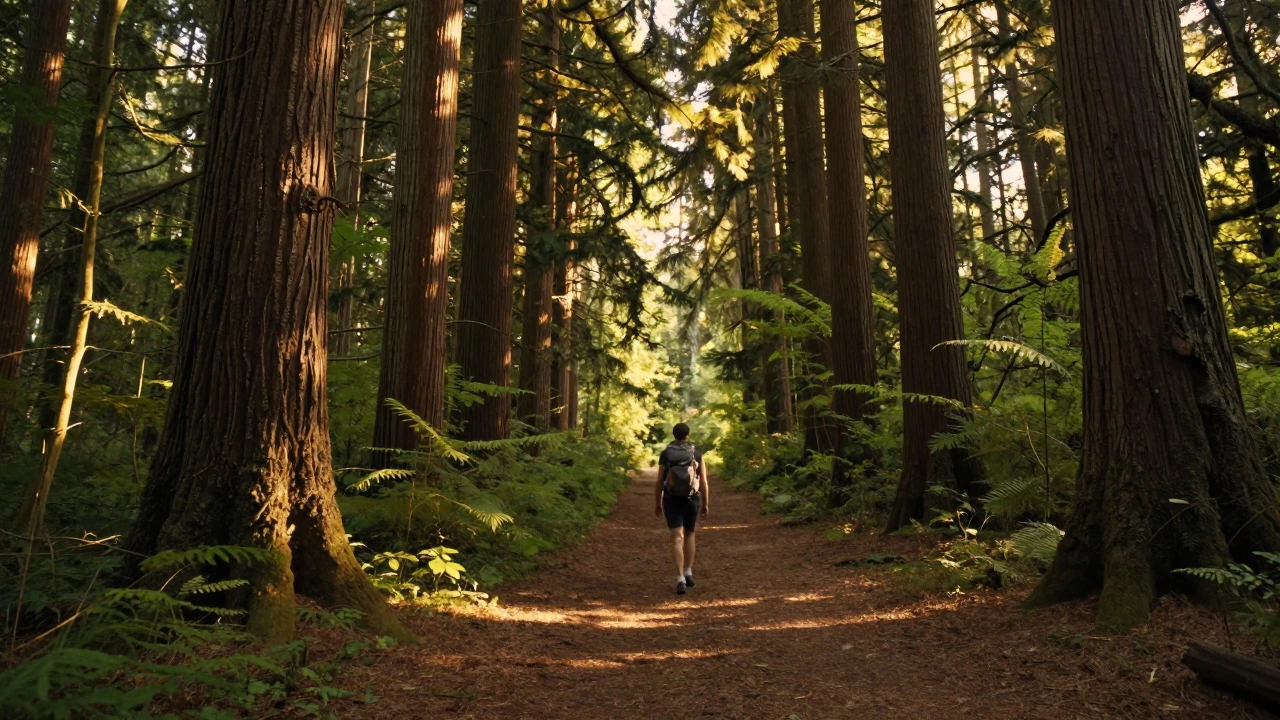
- Hiking and Trekking: Walking on trails ranging from easy loops to multi-day backcountry expeditions. This is the most accessible form of nature recreation globally.
- Camping: Overnight stays in tents or rustic cabins within natural settings. This extends the engagement with the environment beyond daylight hours.
- Rock Climbing and Bouldering: Using natural rock formations for athletic challenge. Popular spots include Joshua Tree National Park in the US or Fontainebleau in France.
- Birdwatching: A passive activity focused on observing wildlife in their habitat. It requires patience and knowledge but has a near-zero environmental footprint.
Aquatic (Water-Based)
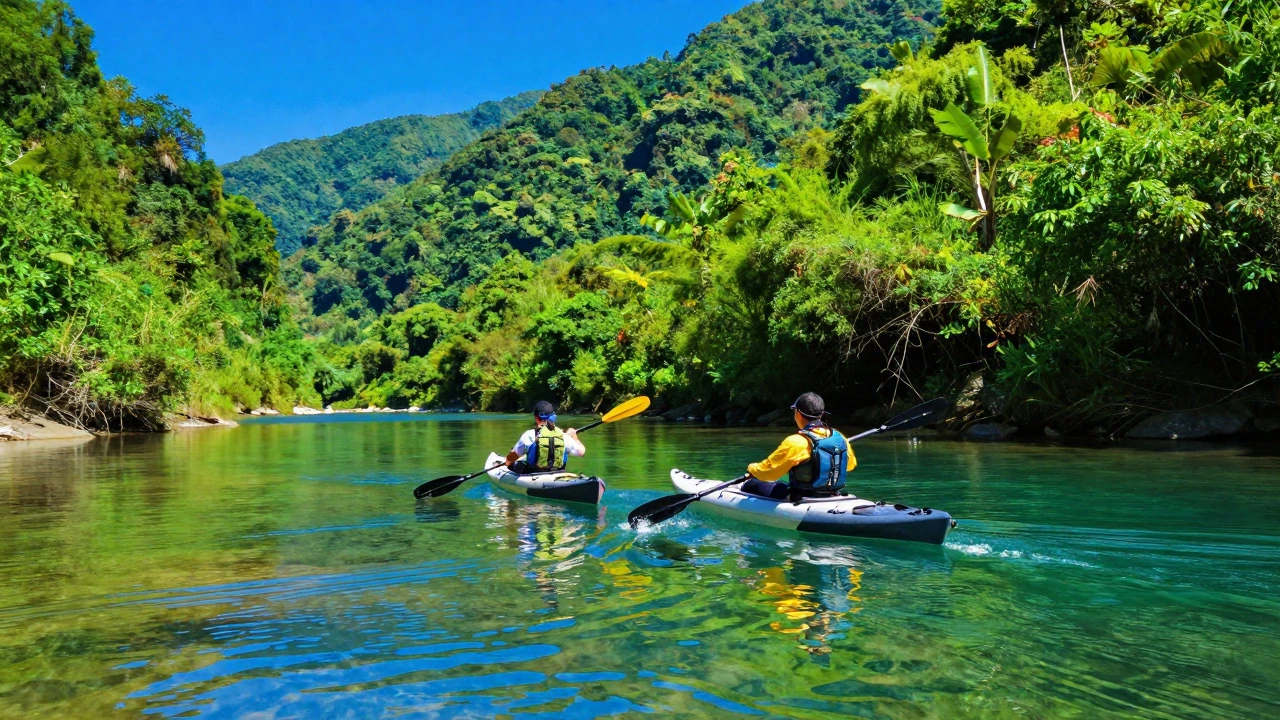
- Kayaking and Canoeing: Paddling through rivers, lakes, or coastal waters. These activities allow access to shorelines inaccessible by land.
- Snorkeling and Scuba Diving: Exploring underwater ecosystems like coral reefs. This requires specialized gear and training but offers a unique perspective on marine biodiversity.
- Fishing: While controversial due to sustainability concerns, catch-and-release fishing is considered a nature-based recreational activity when managed correctly.
Avian and Air-Based
- Birdwatching (from above): Hot air ballooning over savannas or forests allows for large-scale observation of landscapes and animal migrations without disturbing the ground.
- Paragliding: Harnessing wind currents to fly over mountain ranges. It requires significant technical skill and weather awareness.
Why Do People Choose Nature-Based Recreation?
The motivation behind choosing these activities varies, but research consistently points to three primary drivers: physical health, mental restoration, and social connection.
Physically, activities like hiking and kayaking provide cardiovascular exercise and muscle strengthening without the monotony of a gym treadmill. The uneven terrain of natural trails engages stabilizer muscles that flat surfaces ignore. For example, a moderate hike burns approximately 400-500 calories per hour, depending on elevation gain.
Mentally, the concept of "Attention Restoration Theory" explains why nature works. Urban environments demand directed attention (traffic, screens, noise), which leads to cognitive fatigue. Natural environments offer "soft fascination," allowing the brain to rest and recover. Studies from the University of Michigan have shown that even a 90-minute walk in nature reduces rumination-the tendency to dwell on negative thoughts.
Socially, these activities often foster deeper connections. Sharing a campfire or navigating a river together creates shared memories and trust. It’s different from watching a movie together; you’re actively collaborating with each other and the environment.
The Environmental Impact: Double-Edged Sword
This is where it gets tricky. Nature-based recreation is supposed to be good for nature, but it can also harm it. This paradox is central to modern outdoor management.
The Positive Side: Economic incentives for conservation. When local communities see that tourists spend money on safaris or diving trips, they have a financial reason to protect wildlife habitats rather than clear them for agriculture. In countries like Costa Rica and Rwanda, ecotourism revenue directly funds anti-poaching units and habitat restoration.
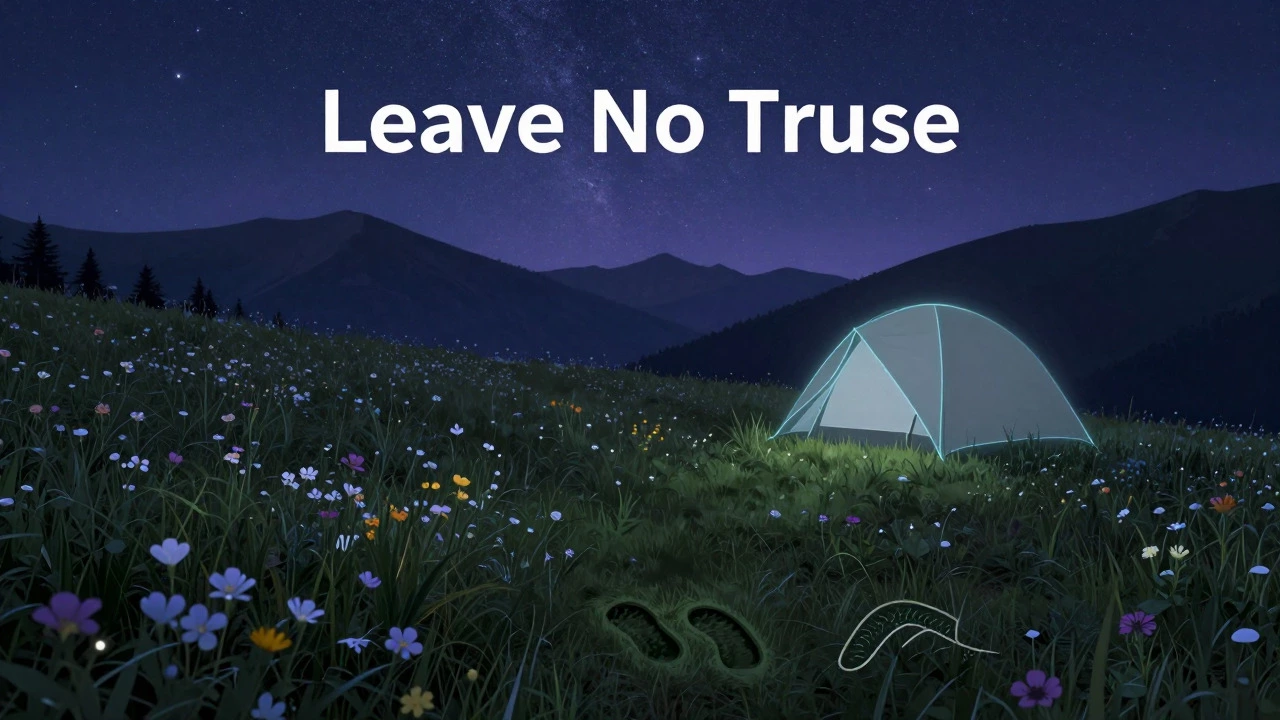
The Negative Side: Trampling, pollution, and disturbance. Heavy foot traffic compacts soil, killing plant roots. Noise from motors scares away nesting birds. Plastic waste left behind harms marine life. The "Leave No Trace" principles were developed specifically to mitigate these impacts. They include planning ahead, traveling on durable surfaces, and packing out all trash.
| Activity Type | Environmental Footprint | Primary Risk | Mitigation Strategy |
|---|---|---|---|
| Off-Road Vehicle Riding | High | Soil erosion, noise pollution | Stay on designated trails |
| Hiking | Low | Trail widening, litter | Follow Leave No Trace principles |
| Motorized Boating | Medium-High | Fuel spills, wildlife disturbance | Use electric motors in sensitive zones |
| Kayaking | Very Low | Accidental contact with wildlife | Maintain distance from animals |
How to Start: A Practical Checklist
If you’re new to nature-based recreation, jumping straight into a multi-day backpacking trip might be overwhelming. Start small and build skills gradually.
- Choose Your Environment: Do you prefer water, mountains, or forests? Pick one to start. Local state parks are perfect for beginners because they usually have maintained trails and facilities.
- Invest in Basic Gear: You don’t need the most expensive equipment. Good footwear is non-negotiable. For hiking, sturdy boots prevent ankle twists. For water activities, a properly fitted life jacket is essential.
- Learn Safety Basics: Weather changes quickly in nature. Learn to read forecasts. Carry the "Ten Essentials": navigation tools, sun protection, first aid kit, knife, fire starters, shelter, extra food, extra water, extra clothes, and emergency light.
- Practice Leave No Trace: Read the seven principles online. Commit to leaving every spot cleaner than you found it. This includes picking up litter left by others.
- Start with Day Trips: Spend a full day hiking or kayaking before attempting overnight camping. This tests your gear and stamina without the added stress of sleeping rough.
Sustainability and Future Trends
The future of nature-based recreation is shifting towards "regenerative tourism." This goes beyond minimizing harm to actively improving the environment. Imagine a hiking tour where part of the fee plants trees along the trail, or a dive trip that includes coral cleaning sessions.
Technology is also changing how we engage. Apps like AllTrails help hikers find routes and report conditions, reducing the chance of getting lost. Virtual reality previews allow people to experience destinations before visiting, potentially spreading tourist traffic to less crowded areas.
However, overtourism remains a threat. Places like Machu Picchu and Banff National Park have implemented reservation systems to limit daily visitors. As enthusiasts, we must support these measures and consider visiting lesser-known locations to reduce pressure on iconic sites.
Conclusion
Nature-based recreational activities offer a powerful way to reconnect with the world beyond our screens. Whether you’re hiking a local trail or kayaking across a serene lake, these experiences improve physical health, restore mental clarity, and foster appreciation for the natural world. By choosing low-impact activities and following responsible practices, you ensure that these landscapes remain vibrant for future generations.
Is camping considered a nature-based recreational activity?
Yes, camping is a classic example of nature-based recreation, especially when done in wilderness areas using tents or rustic shelters. It involves direct interaction with the natural environment and relies on natural resources for shelter and ambiance. However, luxury glamping resorts with fully serviced amenities may blur this line depending on their level of artificial infrastructure.
What is the difference between ecotourism and nature-based recreation?
Ecotourism is a subset of nature-based recreation that emphasizes education, conservation, and community benefit. While all ecotourism is nature-based, not all nature-based recreation is ecotourism. For instance, a casual hike for fun is nature-based recreation, but a guided hike that includes learning about local flora and contributes to park funding is ecotourism.
Are there any risks associated with nature-based activities?
Yes, risks include injury from falls, exposure to extreme weather, encounters with wildlife, and getting lost. Proper preparation, including checking weather forecasts, carrying appropriate gear, and informing someone of your itinerary, significantly reduces these risks. Beginners should start with well-marked trails and consider hiring guides for complex activities.
How can I ensure my nature-based activities are sustainable?
Follow the Leave No Trace principles: plan ahead, travel on durable surfaces, dispose of waste properly, leave what you find, minimize campfire impacts, respect wildlife, and be considerate of other visitors. Additionally, choose operators who demonstrate strong environmental stewardship and contribute to local conservation efforts.
Do I need expensive gear to enjoy nature-based recreation?
Not necessarily. Many activities like hiking, birdwatching, and picnicking require minimal equipment. Good footwear and comfortable clothing are the most important investments. You can borrow or rent specialized gear like kayaks or camping tents until you decide if you want to pursue the activity long-term. Prioritize safety essentials over brand names.